
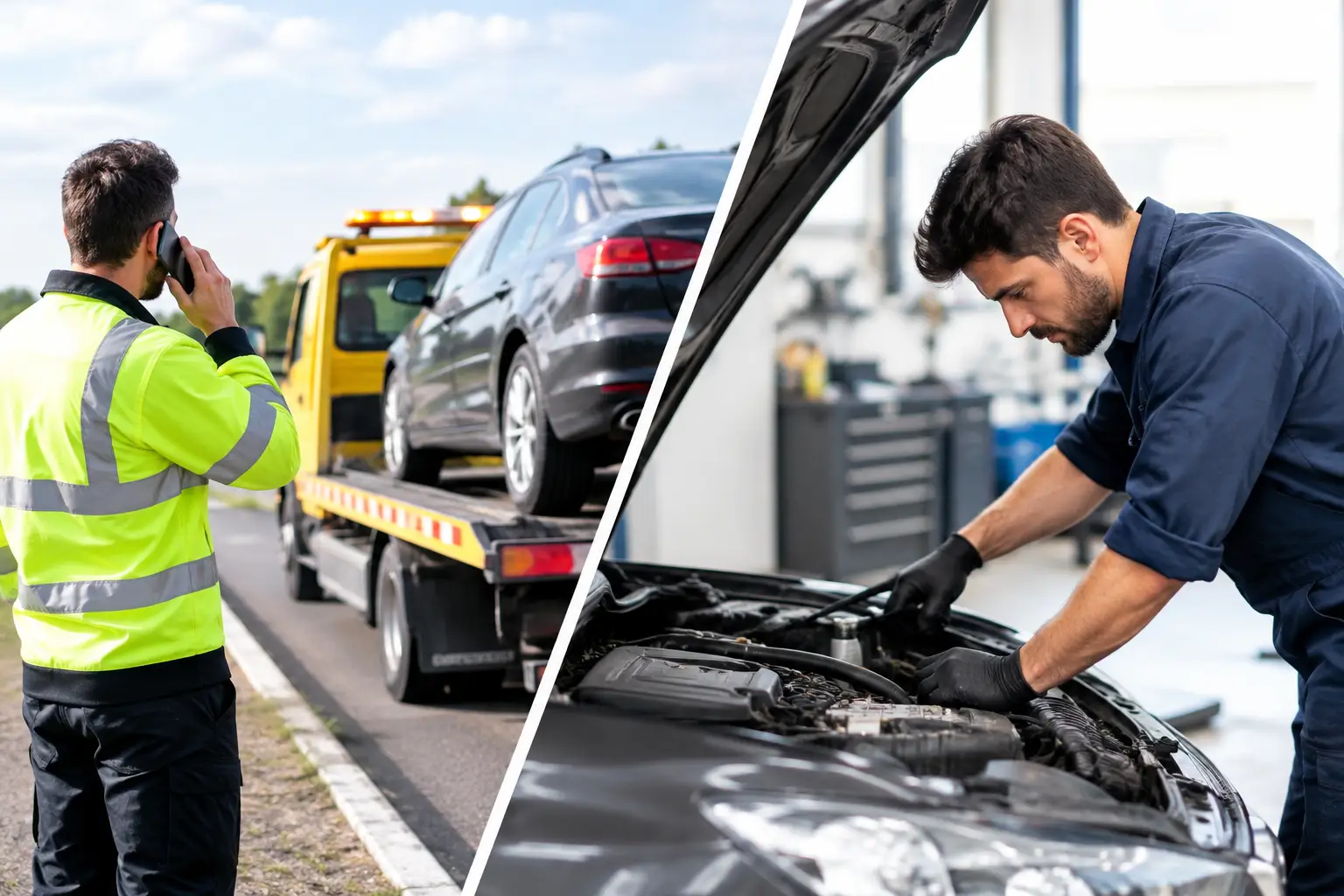
A dead battery in a grocery store parking lot is not the time to wonder whether you need a mechanic. The roadside assistance versus mechanic decision comes down to one simple question: can the problem be safely handled where your vehicle is sitting, or does the vehicle need diagnosis and repair at a shop?
For drivers across Salt Lake Valley, that distinction can save time, money, and a whole lot of standing around in the cold. Roadside help gets you moving or gets your vehicle transported. A mechanic fixes the underlying issue. Sometimes you need one. Sometimes you need both.
Roadside Assistance Versus Mechanic: The Fast Answer
Call roadside assistance when you have a common, immediate problem that can be resolved without taking the vehicle apart. This includes a flat tire with a usable spare, a dead battery, an accidental lockout, an empty fuel tank, or a vehicle that needs a tow after it will not start.
Call a mechanic when your car needs testing, parts, or hands-on repairs. Strange engine noises, overheating, brake trouble, transmission issues, warning lights that stay on, fluid leaks, and repeat breakdowns are mechanic territory. A roadside technician may identify that towing is the safest next move, but they should not gamble with your engine or your safety by attempting a major repair on the shoulder.
The practical answer is often both: roadside assistance gets your vehicle safely to the mechanic you choose. That is not an extra step. It is the smart move when driving farther could turn a manageable repair into a much bigger bill.
What Roadside Assistance Can Handle Right Away
Roadside assistance is built for urgent, straightforward problems. The goal is to get you safely back on the road when possible or remove a disabled vehicle from a risky spot when it is not.
Dead batteries and jump-starts
If you left a light on, your battery is simply drained, or a cold Utah morning has taken the charge out of an older battery, a jump-start may be all you need. Once the vehicle starts, let it run and drive directly to a safe place if possible. If it dies again soon after, the battery, alternator, terminals, or charging system needs a mechanic to diagnose the real cause.
A jump-start is a quick solution, not a promise that the problem is gone. If your dashboard battery light is on while the engine runs, skip the extra errands. Your charging system may be failing.
Flat tires
Roadside help can install your spare tire if you have one that is properly inflated and safe to use. This is especially useful when the lug nuts are stuck, traffic is flying by, it is dark, or you do not want to wrestle with a jack on uneven pavement.
But a spare is usually temporary. Take it to a tire shop or mechanic promptly to repair or replace the damaged tire. If you have no spare, multiple flat tires, wheel damage, or a tire blowout that affected the vehicle’s handling, a tow is the better call.
Lockouts and fuel delivery
Locked your keys in the car while it is running outside work? That is frustrating, but it does not require a repair shop. A roadside lockout service can help you regain access without breaking a window or damaging a door seal.
Running out of gas is another roadside problem. Emergency fuel delivery can get you to the nearest station, but it is not meant to fill the tank. Put enough fuel in the vehicle and watch for a low-fuel warning next time. Your future self will appreciate it.
Towing after a no-start or accident
If the car will not start, roadside service can assess basic issues and arrange a tow when needed. Following an accident, a tow also removes a damaged or unsafe vehicle from the roadway and gets it to a repair facility, body shop, home, or other approved destination.
A tow is not admitting defeat. It is avoiding the bad decision of trying to drive a vehicle with hidden damage, leaking fluids, steering problems, or a compromised cooling system.
When a Mechanic Is the Only Smart Choice
A mechanic has the diagnostic equipment, repair tools, lift access, replacement parts, and time to find out why your vehicle failed. Roadside service is fast by design. Repair work requires a controlled environment.
Do not keep driving just because the vehicle still moves. Get mechanical help if you notice overheating, smoke, a burning smell, grinding brakes, a flashing check-engine light, loss of steering control, severe vibration, or trouble shifting. These symptoms can point to damage that gets worse fast.
The same goes for recurring issues. If your vehicle needs frequent jump-starts, keeps losing coolant, pulls hard while braking, or has an intermittent no-start condition, it needs diagnosis. Repeating a roadside fix may get you through the day, but it will not fix the source of the problem.
A mechanic is also the right call for scheduled work: oil changes, brake replacement, tire rotation, suspension repairs, engine work, electrical diagnosis, and factory maintenance. That work is not urgent roadside assistance, even if the reminder sticker has been ignored for a few thousand miles.
How to Decide at the Scene
Start by thinking about safety, not convenience. If you are in an active traffic lane, on a narrow shoulder, near a blind curve, or stranded in severe weather, move to a safer location only if the vehicle can do so without risk. Then call for roadside help or a tow.
Next, look at what happened. A single flat tire, locked door, empty tank, or drained battery is usually a roadside call. A loud bang, an overheating gauge, a major fluid leak, warning lights combined with poor performance, or damage after a collision means the vehicle likely needs a mechanic after towing.
There is one more factor: confidence. If you are not sure whether the vehicle is safe to drive, do not guess. Saving a few minutes is not worth being stranded farther away, damaging the engine, or causing an accident. A professional tow is usually cheaper than the consequences of forcing a broken vehicle down the road.
What to Tell the Dispatcher
A clear description helps the right truck and equipment arrive faster. Tell the dispatcher your exact location, vehicle make and model, whether the vehicle is in a safe place, and the issue you are seeing. Mention if the car is in a parking garage, off-road, blocked in, damaged in an accident, or unable to roll or steer.
For a flat tire, say whether you have a spare. For a dead battery, mention whether the vehicle starts with a jump and then dies again. For a tow, let them know where you want the vehicle taken. Those details prevent delays and help the driver arrive prepared.
Do not forget personal safety while you wait. Turn on hazard lights, stay away from moving traffic, and avoid standing directly behind or in front of the vehicle. If you are on a busy road and can safely wait inside the car with doors locked, that is often the better option.
The Best Call When You Need Help Now
The roadside assistance versus mechanic question is less confusing when you separate immediate mobility from actual repair. Roadside service handles the urgent situation. A mechanic handles the diagnosis and repair that follows.
Munnster Towing provides 24/7 roadside assistance and affordable towing for drivers who are stuck in Kearns, West Valley City, Salt Lake City, and throughout the surrounding valley. Whether it is a lockout before work, a dead battery after a late shift, or a vehicle that clearly should not be driven, fast help can get you out of the dangerous part of the problem.
When your vehicle sends up a red flag, listen to it. Get safely off the road, call for the help that fits the situation, and let a qualified mechanic handle any repair that cannot be solved at the curb.
continue reading
Related Posts
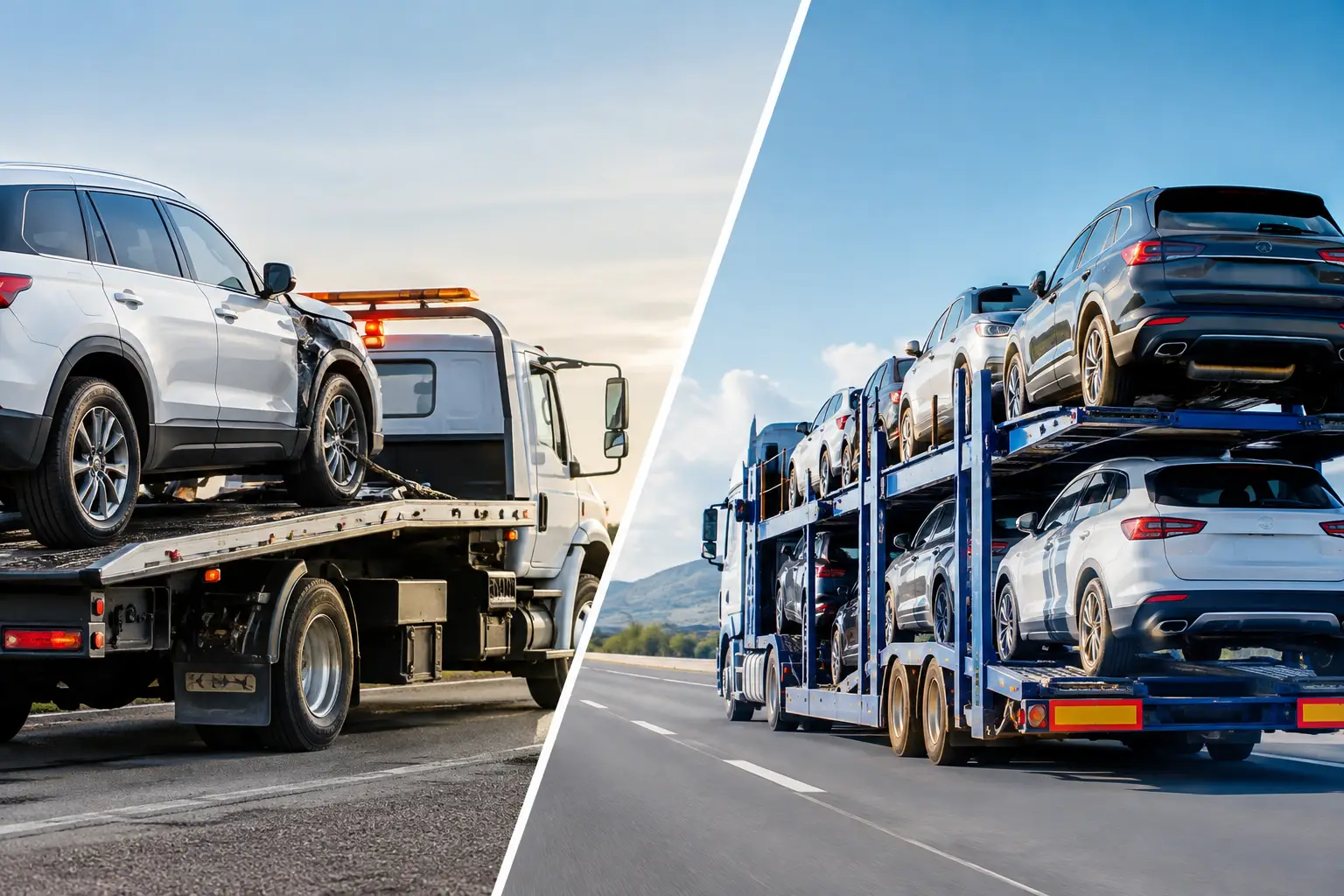
Towing versus transport comes down to your vehicle, distance, and urgency. See which option protects your car and gets it where it needs to go safely.
How long does towing take? Learn what affects tow truck arrival and transport time in Salt Lake Valley, plus steps that help get help moving fast today.
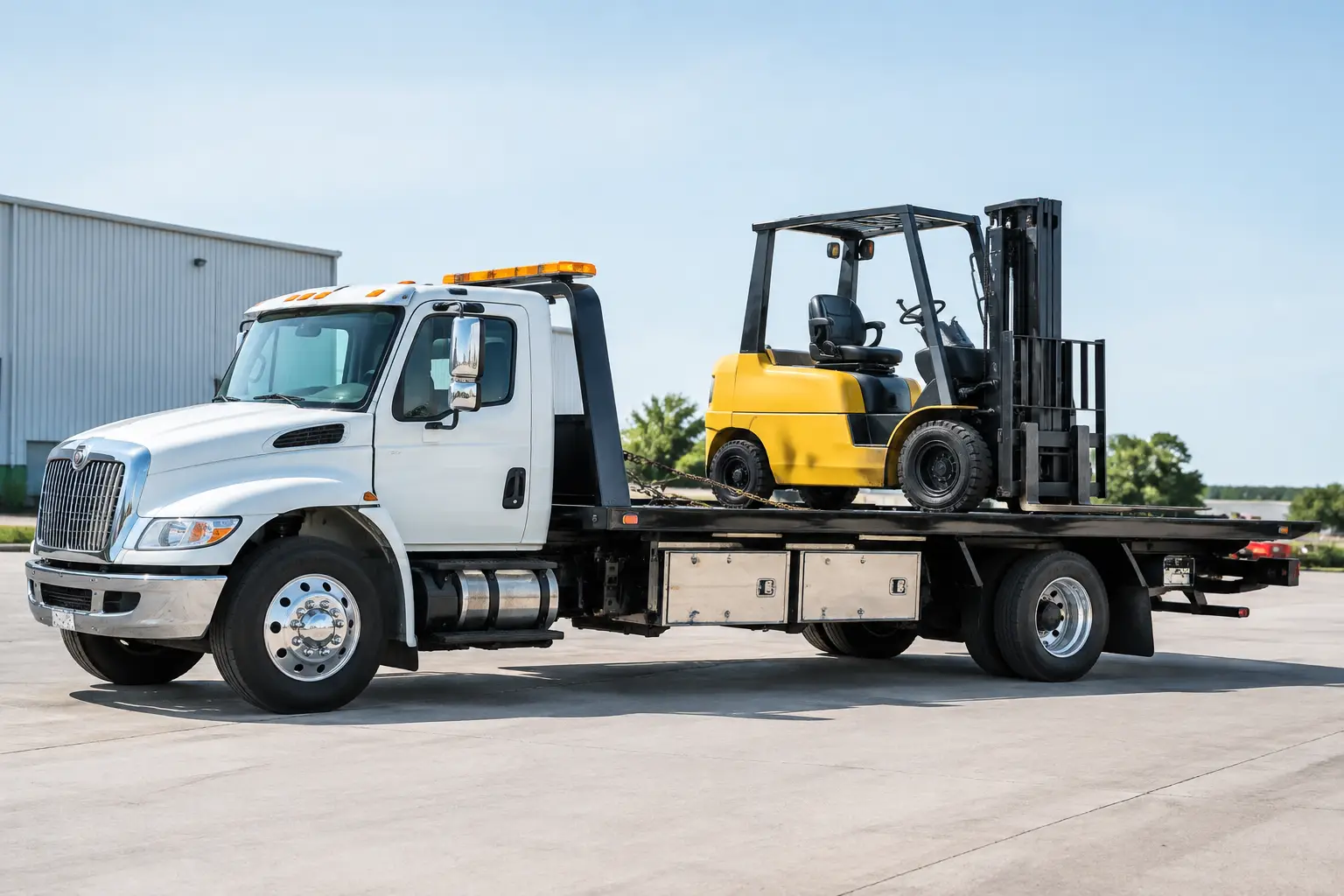
Can tow trucks move forklifts? Learn when flatbed towing works, what safe loading requires, and how to move equipment without costly damage across Utah.