
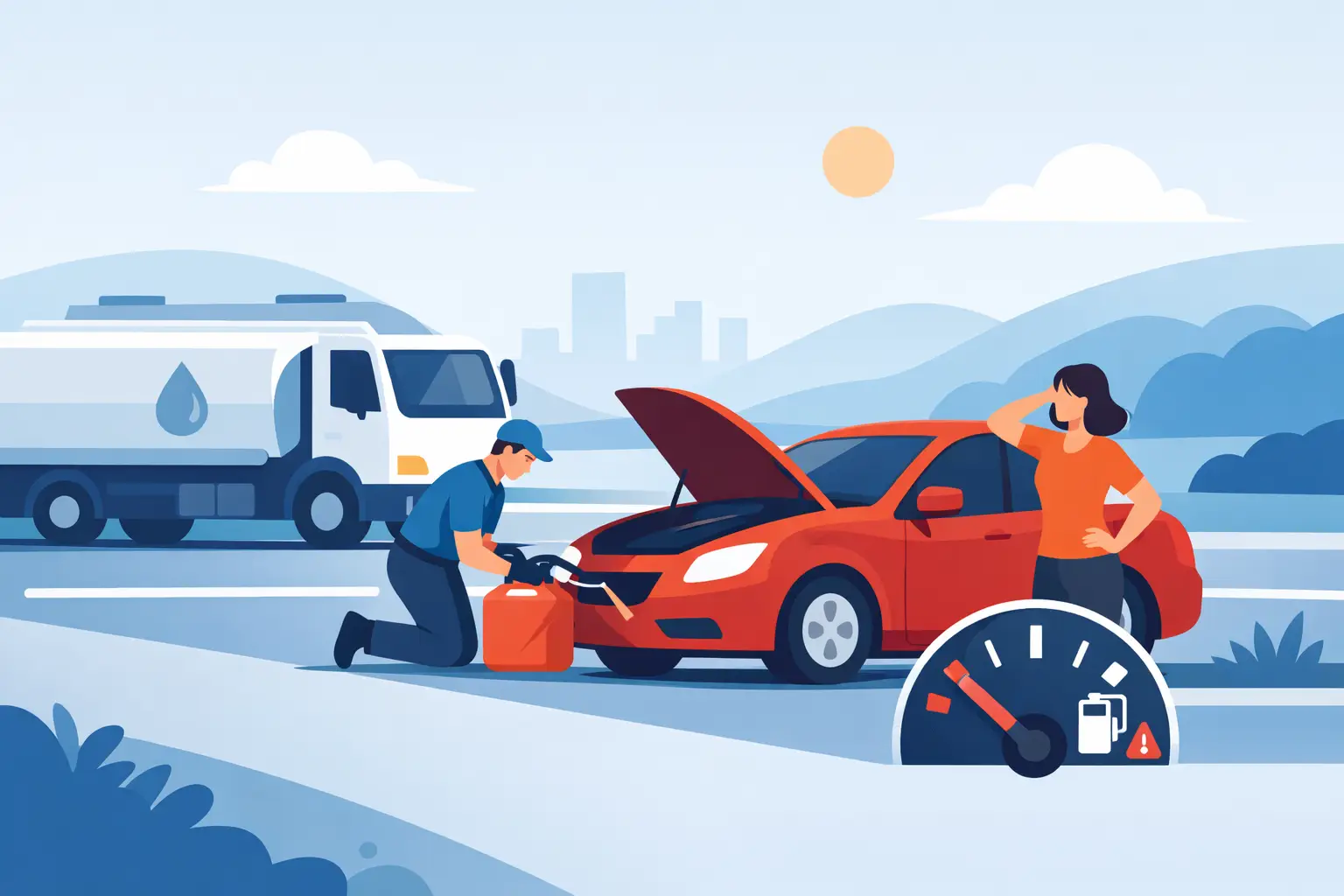
That low-fuel light can feel easy to ignore until the engine sputters on I-15, in a packed West Jordan parking lot, or halfway home after a late shift. Fuel delivery for stranded drivers is the fast, practical answer when your tank is empty and walking to a gas station is not safe, realistic, or worth the hassle.
Running out of gas happens to careful drivers, not just people who forget to fill up. A detour, a broken fuel gauge, bad weather, a long commute, or a station that is unexpectedly closed can turn an ordinary drive into a roadside problem fast. The good news is that an empty tank does not automatically mean an expensive tow or a ruined day.
A 24/7 roadside fuel delivery service can bring enough fuel to get your vehicle started and moving again. Instead of leaving your car, asking a stranger for help, or risking a long walk near traffic, you can stay put, stay safer, and get back on the road with a lot less stress.
What to Do When You Run Out of Gas
The moment you realize your vehicle is losing power, focus on getting out of the travel lane safely. Turn on your hazard lights, reduce speed gradually, and steer toward a shoulder, parking lot, side street, or other safe spot if one is available. Do not slam on the brakes or make a sudden move across lanes.
Once parked, put the vehicle in park, set the parking brake, and keep your hazards on. If you are on a busy highway, do not stand near traffic or try to push the vehicle yourself. If staying inside your vehicle is safer than standing outside, stay inside with the doors locked while you arrange help.
Before calling for roadside fuel delivery, take a moment to identify your location. A nearby cross street, exit number, business name, apartment complex, or recognizable landmark makes dispatch much faster. Your phone map can also help confirm your exact location if you are unsure where you stopped.
Be ready to share the vehicle make, model, color, and the type of fuel it needs. Regular unleaded gas and diesel are not interchangeable. If you drive a diesel truck, SUV, or passenger vehicle, say so clearly at the start of the call. The wrong fuel can cause major mechanical trouble, and nobody wants a simple empty-tank problem turning into a repair bill.
How Fuel Delivery for Stranded Drivers Works
Roadside fuel delivery is designed for one thing: getting you enough fuel to reach a nearby gas station safely. A dispatcher takes your location and vehicle details, then sends a roadside technician with the appropriate fuel. The technician adds fuel, confirms the vehicle starts, and gets you back to the point where you can fill the tank properly.
The amount delivered depends on the vehicle and the provider’s service process, but it is generally intended as a get-you-moving supply rather than a complete fill-up. That keeps the service quick and helps you avoid the bigger inconvenience of arranging a tow just because the gauge hit empty.
After fuel is added, some vehicles may need a moment before restarting. Turn the key or press the start button as you normally would. If the vehicle does not start right away, do not keep cranking it repeatedly. Let the roadside technician know. A dead battery, mechanical problem, or faulty fuel gauge could be part of the issue, and a trained technician can help identify the next sensible step.
For drivers across Salt Lake City, West Valley, West Jordan, South Jordan, Midvale, Holladay, Draper, and North Salt Lake, quick local dispatch matters. A provider familiar with valley roads, freeway access points, and busy commuter corridors can spend less time figuring out where you are and more time getting help to you.
Why Calling for Fuel Is Better Than Trying to Solve It Alone
It can be tempting to walk to the nearest station with a gas can. Sometimes that is possible. Often, it is a bad trade-off.
Walking alongside a high-speed road, especially at night, in snow, or during heavy traffic, puts you in a vulnerable position. Carrying fuel is also messy and potentially dangerous if it is handled or transported incorrectly. Leaving your vehicle unattended can create another problem, particularly in an unfamiliar area or a private lot where it could be ticketed or towed.
Asking a friend to bring gas may save a service charge, but it can also mean a long wait and one more person driving while distracted by an emergency. If you are stuck during a work shift, with kids in the car, or far from home, the fastest option is usually the one that gets a trained roadside professional headed your way right away.
Fuel delivery is especially useful when the alternative is an unnecessary tow. If the only issue is an empty tank and the vehicle is otherwise running normally, bringing fuel directly to the car is usually simpler and more affordable than loading it onto a tow truck.
When an Empty Tank May Be More Than an Empty Tank
If your car runs out of fuel once, there may be no deeper problem. It happens. But if the fuel light comes on inconsistently, the gauge stays full for too long, or the vehicle dies while the gauge still shows fuel, schedule an inspection soon. A bad fuel-level sensor, electrical issue, or fuel-system problem can leave you stranded again when you least expect it.
Pay attention to what happened before the vehicle stopped. Did it sputter as the gauge approached empty? That points toward a genuine lack of fuel. Did it suddenly shut off with a quarter tank showing? Did warning lights appear? Does it crank but refuse to start after fuel has been added? Those details can help determine whether you need a mechanic, a jumpstart, a tow, or another roadside service.
Diesel vehicles can need extra care after running completely dry because air may enter the fuel system. Depending on the vehicle, simply adding diesel may not be enough to restart it. Tell the dispatcher exactly what you drive so the right help can be sent.
Avoid Getting Stranded at the Next Fill-Up
Most drivers do not need a lecture after running out of gas. They need help now. Still, a few small habits can prevent a repeat problem.
Make it your personal rule to refill when the gauge reaches one-quarter tank, not when the low-fuel light starts flashing. This is especially smart during Utah winter weather, when traffic backups, road closures, and cold conditions can make every trip take longer. If your fuel gauge has been unreliable, reset your trip odometer every time you fill up and track roughly how far you can safely travel before the next stop.
It also helps to keep your phone charged before longer drives and save a dependable 24/7 roadside assistance number. Emergencies are frustrating enough without searching through reviews on the side of the road while your battery drops to 3 percent.
Fast Help Beats a Long Wait
An empty tank should not leave you stuck for hours or force you to gamble with roadside safety. When your vehicle is safely parked, call for fuel delivery, give clear location and fuel details, and let an experienced roadside technician handle the problem.
Munnster Towing provides affordable, around-the-clock roadside help for drivers who need fuel, a jumpstart, a tire change, lockout assistance, or a tow. If your tank is empty and you are stranded, make the call early. A few gallons and a fast response can turn a bad stop into a short delay.
continue reading
Related Posts
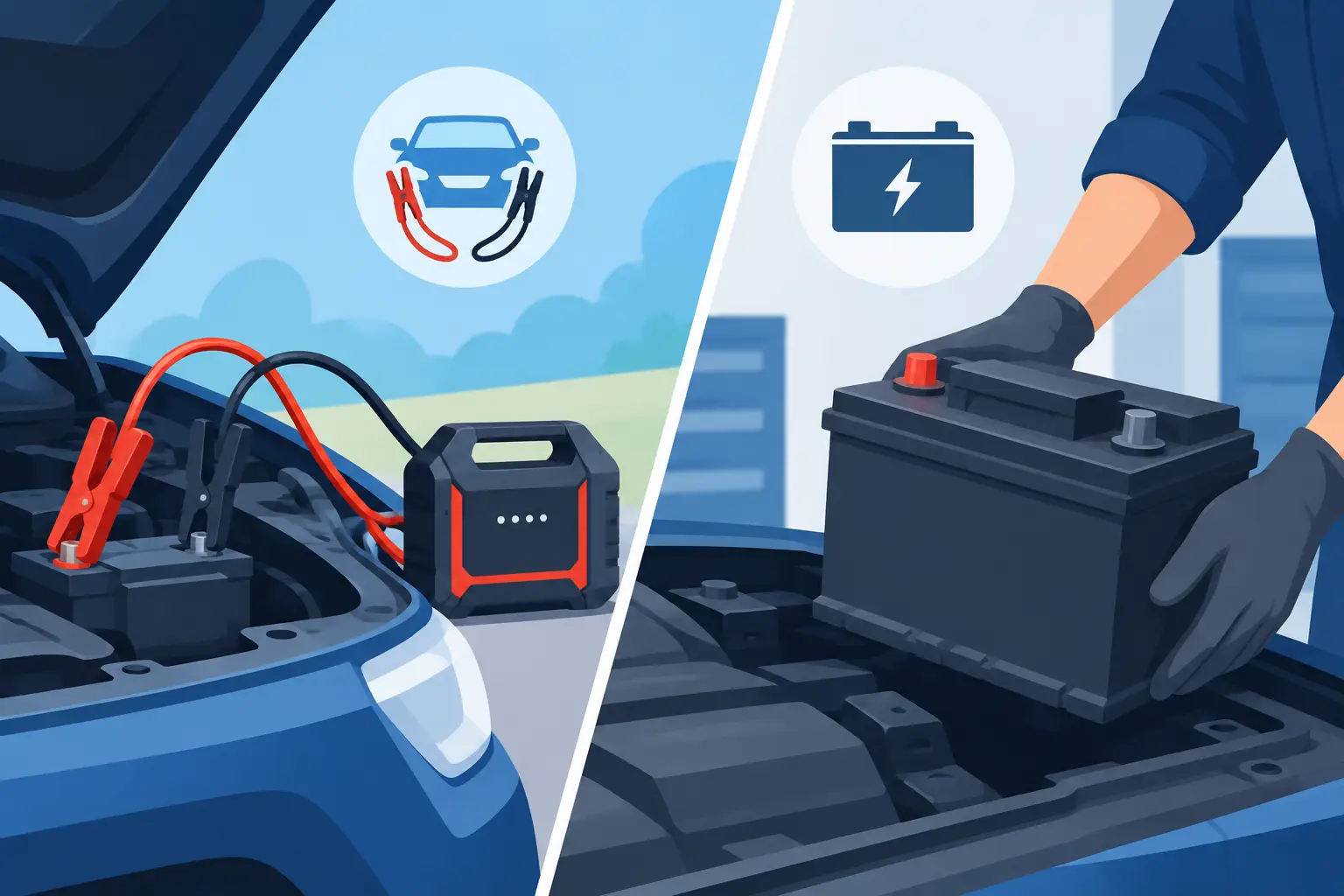
Dead battery? Compare jumpstart versus battery replacement, spot failure signs, and know when to call for quick, affordable roadside help in Utah today.
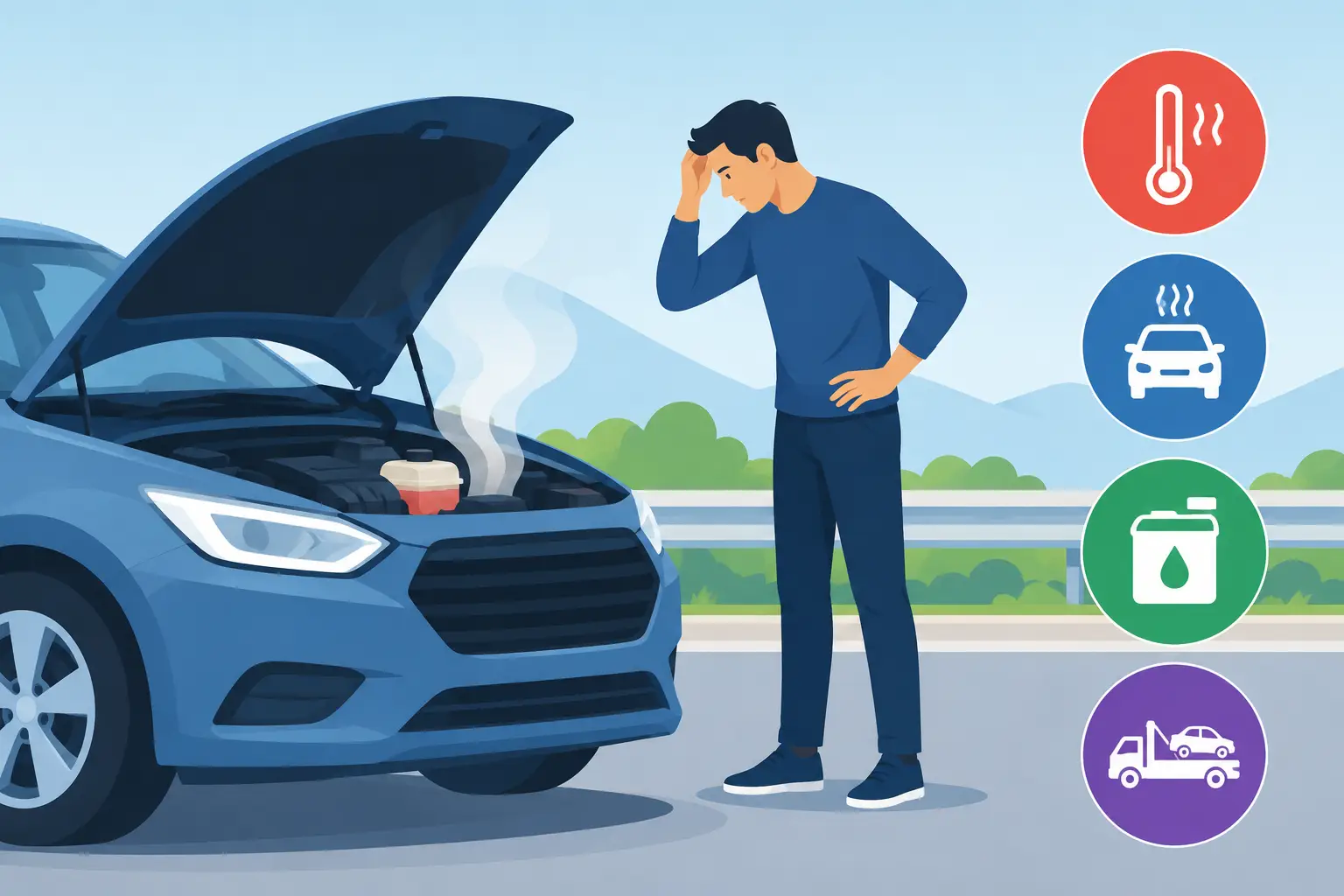
Car overheating can turn a normal drive into engine damage fast. Learn what to do safely, what not to do, and when to call for a tow in Salt Lake Valley.
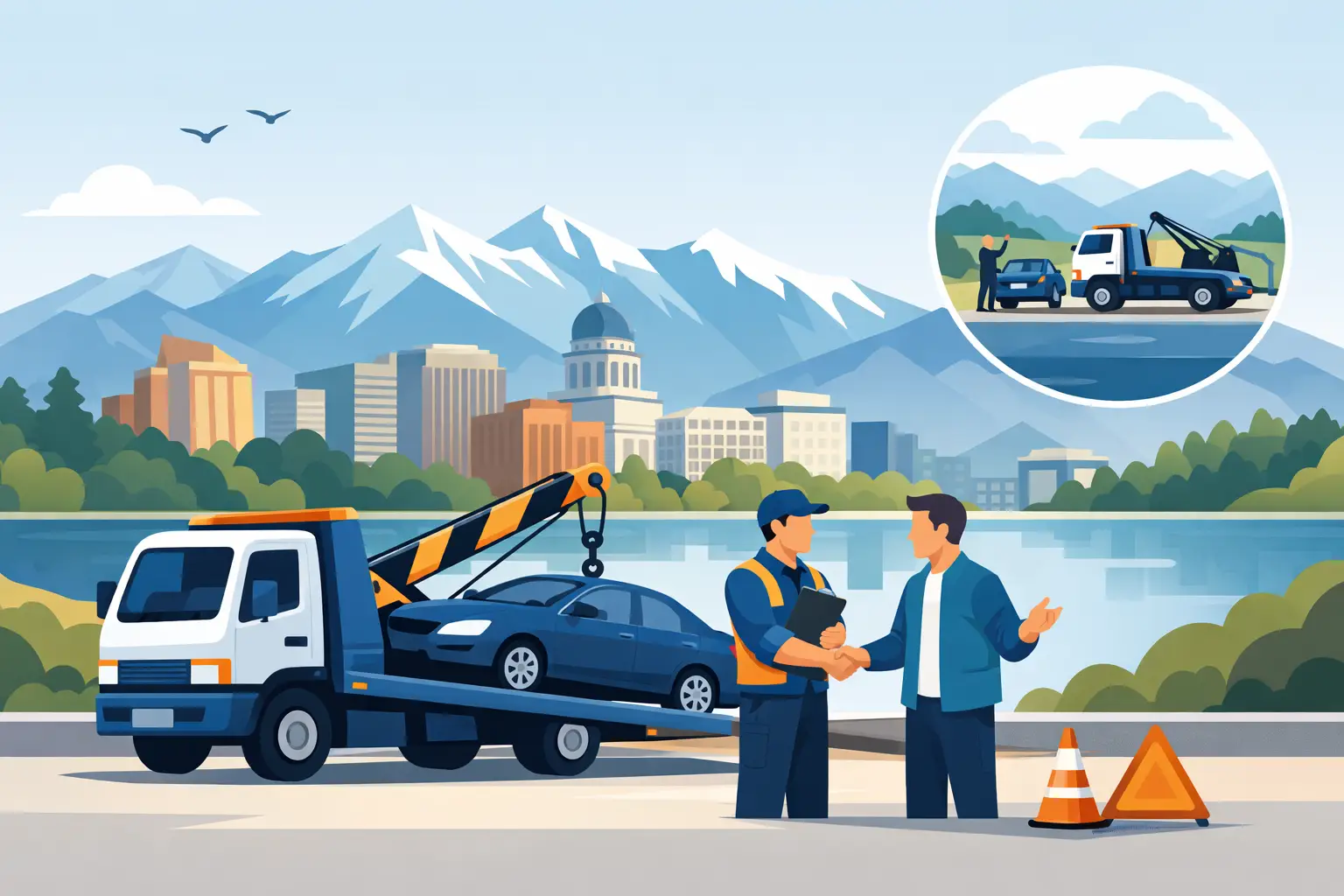
This Salt Lake towing case study shows how fast, affordable 24/7 roadside help gets a stranded commuter safely moving again without extra stress today.