
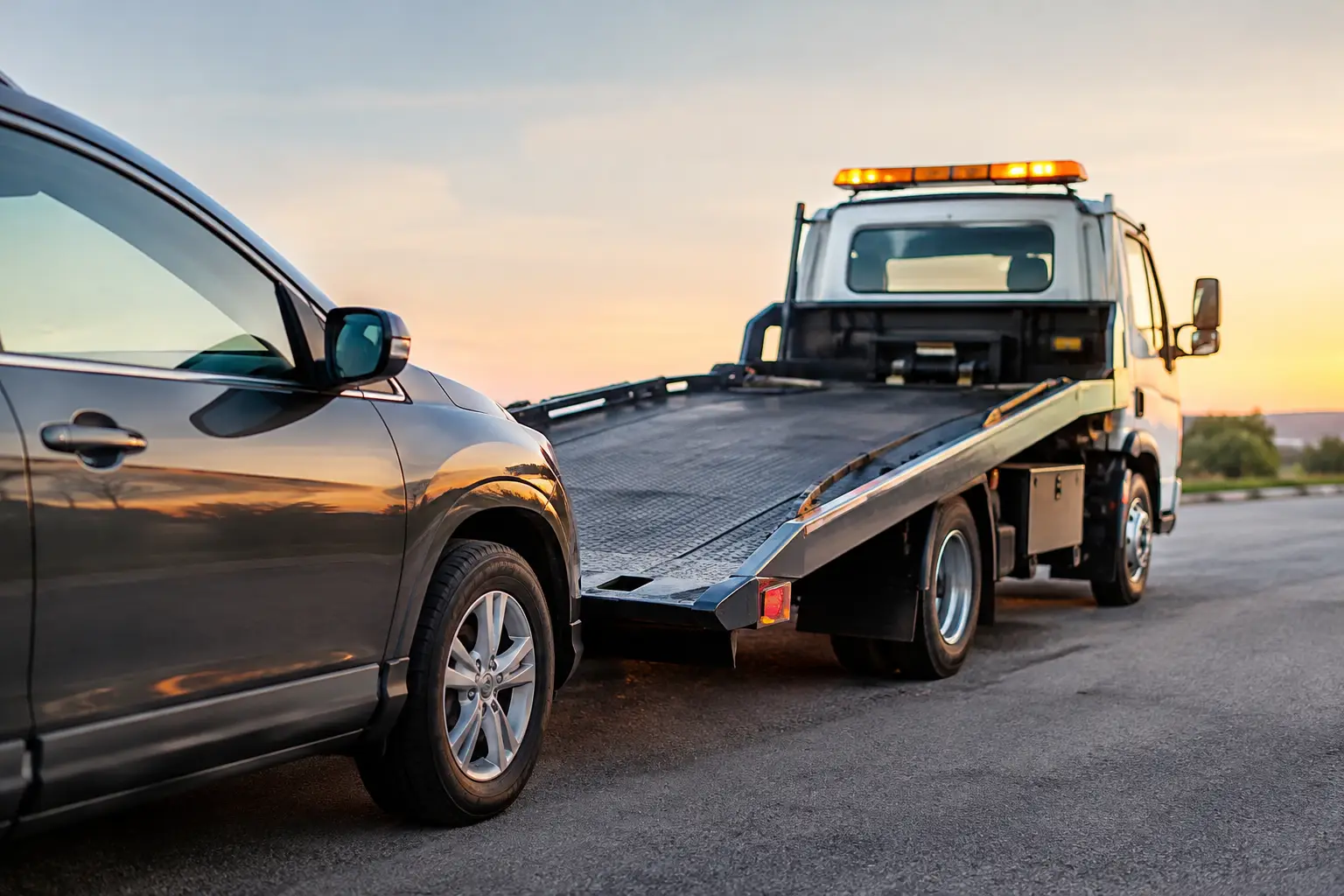
A stalled car on 3500 South, a dead battery before an early shift, or a flat tire in a grocery store lot all create the same question: how long does towing take? The honest answer is that it depends on where you are, what happened, and where the vehicle needs to go. But a good local towing company should give you a realistic ETA, keep you updated, and get the job handled without turning a bad day into an all-day ordeal.
For most routine local calls, towing involves three separate time blocks: dispatching a truck, loading or securing your vehicle, and transporting it to the destination. Knowing what can affect each step makes it easier to plan, stay safe, and get help moving faster.
How Long Does Towing Take From Call to Drop-Off?
If a truck is already nearby and roads are moving normally, the wait for arrival may be fairly short. During heavy traffic, severe weather, rush hour, or a major accident, it can take longer for the closest available operator to reach you. Salt Lake Valley drivers know the difference a few miles can make when I-15 is backed up, snow is falling, or surface streets are packed.
Once the tow truck arrives, a straightforward tow usually does not take long to set up. A passenger car parked safely in an accessible lot may be loaded in roughly 10 to 20 minutes. The transport portion then depends on the distance between your location and the repair shop, home, dealership, or other drop-off point.
That means a short local tow can often be completed within an hour or so from the original call, while longer trips, difficult recoveries, traffic delays, or a busy service period can stretch the timeline. The right question is not just “When will the truck get here?” Ask how long the full service is likely to take, including loading and transport.
What Affects Tow Truck Arrival Time?
A tow truck does not teleport through traffic, no matter how badly your day needs it to. Several real-world details determine how quickly help can reach you.
Your exact location and access to the vehicle
A clear location saves time. A vehicle in a well-marked parking lot, a driveway, or on the shoulder of a main road is generally easier to find than one in a large apartment complex, a confusing industrial area, or a remote trailhead.
Tell dispatch the nearest cross streets, business name, parking-lot section, gate code if applicable, and which direction you are facing. If you are on a highway, share the road name, direction of travel, nearest exit, and mile marker if you can see one. “I am somewhere near downtown” leaves too much room for delay.
Traffic, weather, and time of day
Rush hour can slow everything down. So can snow, ice, fog, construction, road closures, and crashes that block lanes. A truck may be only a few miles away but still need extra time to safely work through congested roads.
Late-night calls sometimes have lighter traffic, but they can also coincide with fewer trucks actively returning from previous calls. The goal is not to promise a made-up arrival time. It is to dispatch efficiently and provide an honest update based on current conditions.
The kind of service you need
Not every roadside call needs a tow. A jump-start, tire change, lockout service, or fuel delivery may get you moving without loading your vehicle at all. When that is the safe option, it can be quicker and less expensive than a tow.
On the other hand, an accident recovery, off-road recovery, vehicle with locked wheels, or a truck stuck in mud or snow can require specialized equipment and more setup time. Those jobs need careful handling. Rushing a complicated recovery can damage the vehicle or put people at risk.
Truck availability and the vehicle involved
A standard car or SUV can often be handled by a conventional tow truck or flatbed. Larger pickups, equipment, vehicles with severe damage, or low-clearance vehicles may require a specific setup. The dispatcher needs accurate details so the right truck arrives the first time.
When you call, mention the make, model, vehicle condition, whether the keys are available, and whether it can roll and steer. A little information up front prevents the frustrating situation where the wrong equipment shows up and another truck has to be sent.
How Long Does the Tow Itself Take?
Loading time changes based on the vehicle’s condition and position. A car that starts, rolls, steers, and sits in an open space is usually simple. A car pinned against a curb, parked in a tight garage, sitting in a ditch, or damaged after a collision takes more work.
Flatbed towing can take a few extra minutes to position and secure properly, but it is often the right choice for all-wheel-drive vehicles, luxury vehicles, low-clearance cars, or vehicles with drivetrain problems. The extra care is worth it when it helps avoid additional damage.
During transport, the distance matters, but so does the route. A repair shop five miles away may be reached quickly under normal conditions. That same trip can take longer if traffic is heavy, a road is closed, or the driver must use a safer route for the vehicle and truck. If you need to ride with the driver, ask about passenger arrangements when you call. Policies and available seating can vary.
What You Can Do to Speed Up the Process
You cannot control traffic or weather, but you can make the call and pickup smoother. Have your exact location ready before you dial. Send or describe landmarks clearly, and keep your phone nearby with the ringer on in case the driver needs to confirm where you are.
If it is safe, move yourself and passengers away from traffic. Turn on hazard lights, especially at night or on a busy road. Do not stand between your car and moving vehicles, and do not try to push a disabled vehicle through traffic unless law enforcement or trained roadside personnel are directing the situation.
Remove valuables and gather anything you need from the vehicle before it is loaded. Have your destination ready too. Whether you want a shop in West Jordan, your home in Kearns, or a dealership across the valley, changing destinations halfway through can add time and cost.
You should also be direct about the problem. Say whether you have a flat tire, a no-start condition, collision damage, a lockout, or a vehicle that is stuck. If roadside assistance may solve it, ask. If towing is necessary, accurate information helps dispatch send the proper truck without delay.
When Waiting Longer Is the Safer Call
Nobody wants to hear that help may take longer than expected. Still, there are situations where extra time is the responsible answer. A major snowstorm, multiple crashes, unsafe highway conditions, or a complicated recovery can force operators to slow down and prioritize safety.
Be cautious of any company that guarantees an unrealistically fast arrival without asking where you are or what kind of vehicle you drive. A reliable towing provider will be clear about the estimated wait, explain changes when conditions shift, and focus on getting your vehicle loaded correctly.
Common Questions About Towing Time
Can I stay in my car while waiting for a tow?
If you are safely parked away from traffic, you may be able to wait inside with the doors locked. On a highway shoulder, after an accident, or anywhere with active traffic nearby, getting to a safe location away from the vehicle is often the better move. Follow directions from law enforcement or emergency personnel if they are on scene.
Does a tow take longer after an accident?
It can. Accident scenes may involve police, blocked lanes, debris, damaged wheels, or vehicles that cannot be driven or steered normally. The tow operator may need additional time to secure the vehicle safely and coordinate around the scene.
Should I call for roadside assistance before requesting a tow?
If the issue is a dead battery, flat tire, lockout, or empty fuel tank, roadside help may be the faster fix. If the vehicle is overheating, making severe mechanical noises, damaged, or unsafe to drive, request a tow and avoid risking more damage.
When your vehicle quits, you need clear answers and real help, not a vague promise. Munnster Towing provides 24/7 towing and roadside assistance across the Salt Lake Valley with practical ETAs, careful vehicle handling, and affordable service. Have your location, vehicle details, and destination ready, then call for help so the wait can end and your next move can begin.
continue reading
Related Posts
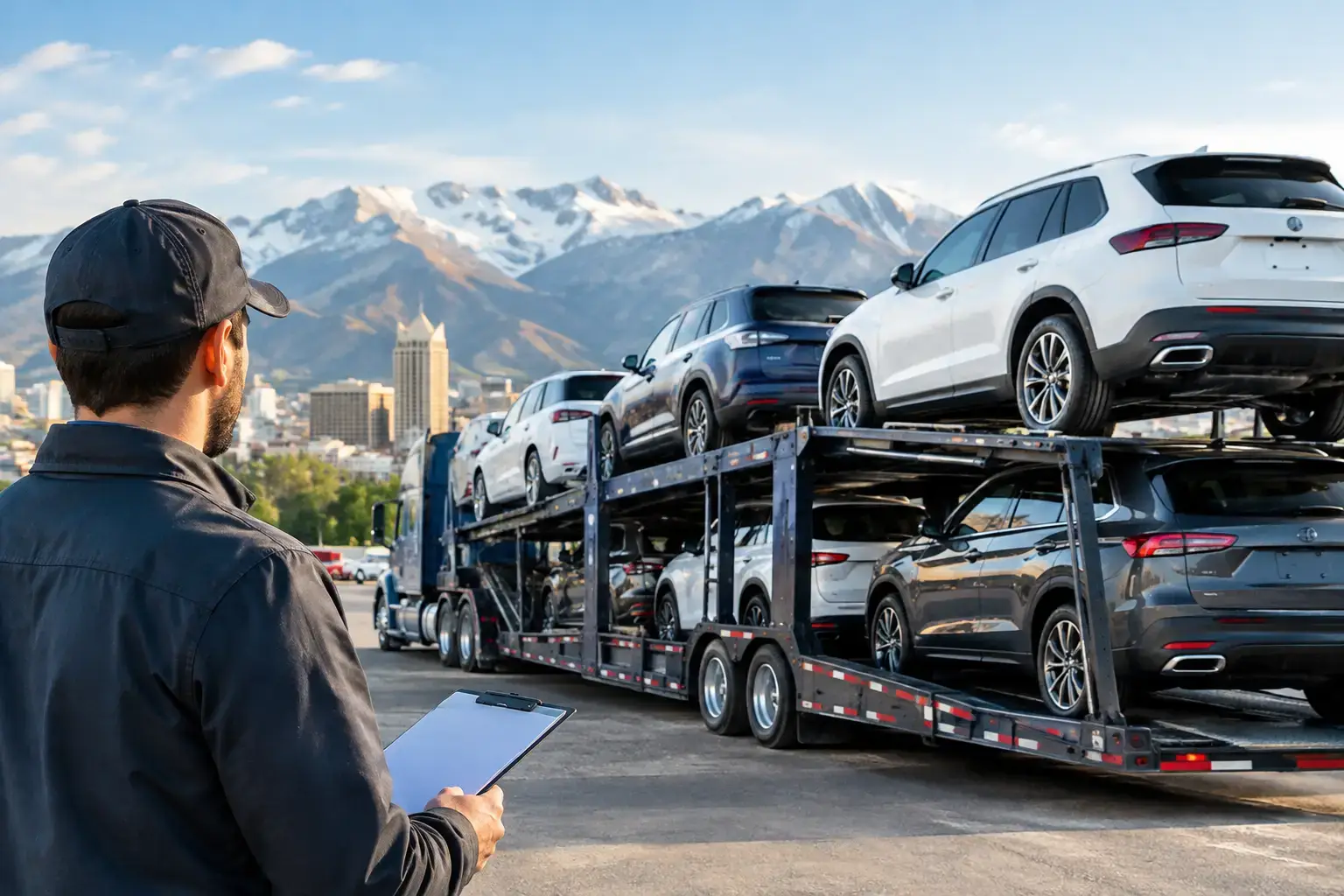
Use this vehicle transport guide to choose the right tow, prepare your car, avoid surprise costs, and get fast local help across Salt Lake Valley today.
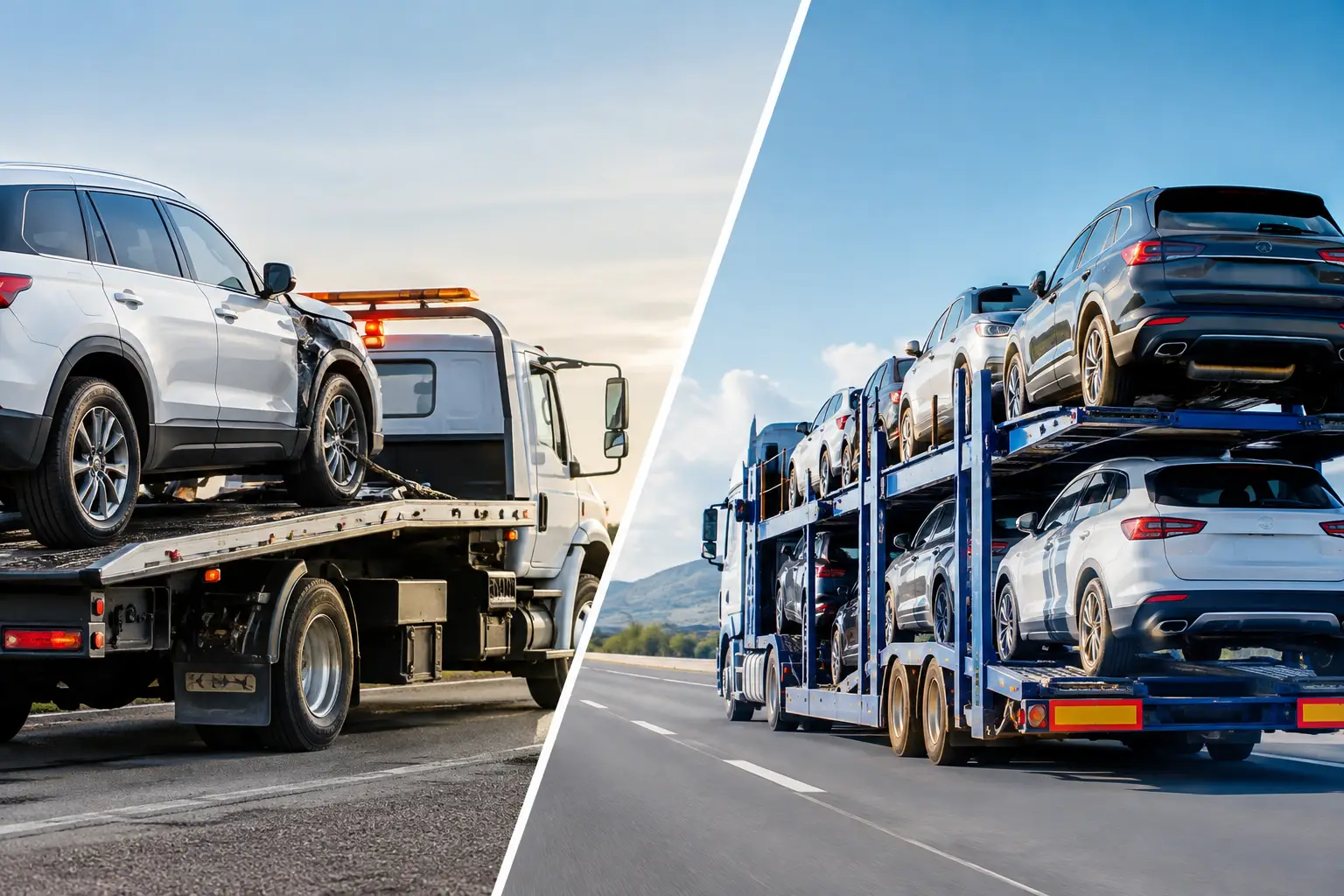
Towing versus transport comes down to your vehicle, distance, and urgency. See which option protects your car and gets it where it needs to go safely.
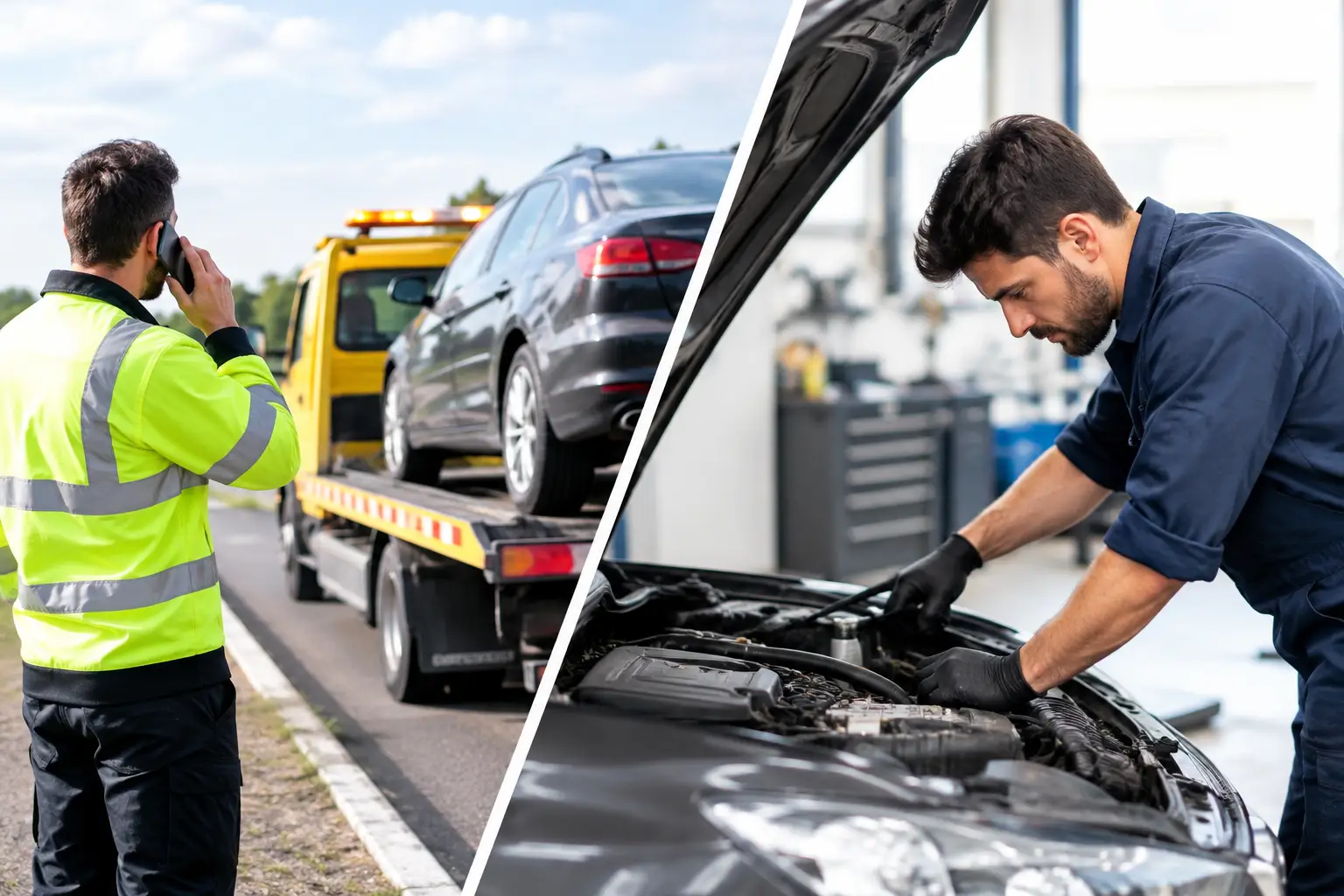
Roadside assistance versus mechanic: learn who to call for a flat tire, dead battery, lockout, warning light, or breakdown in Salt Lake Valley fast.