
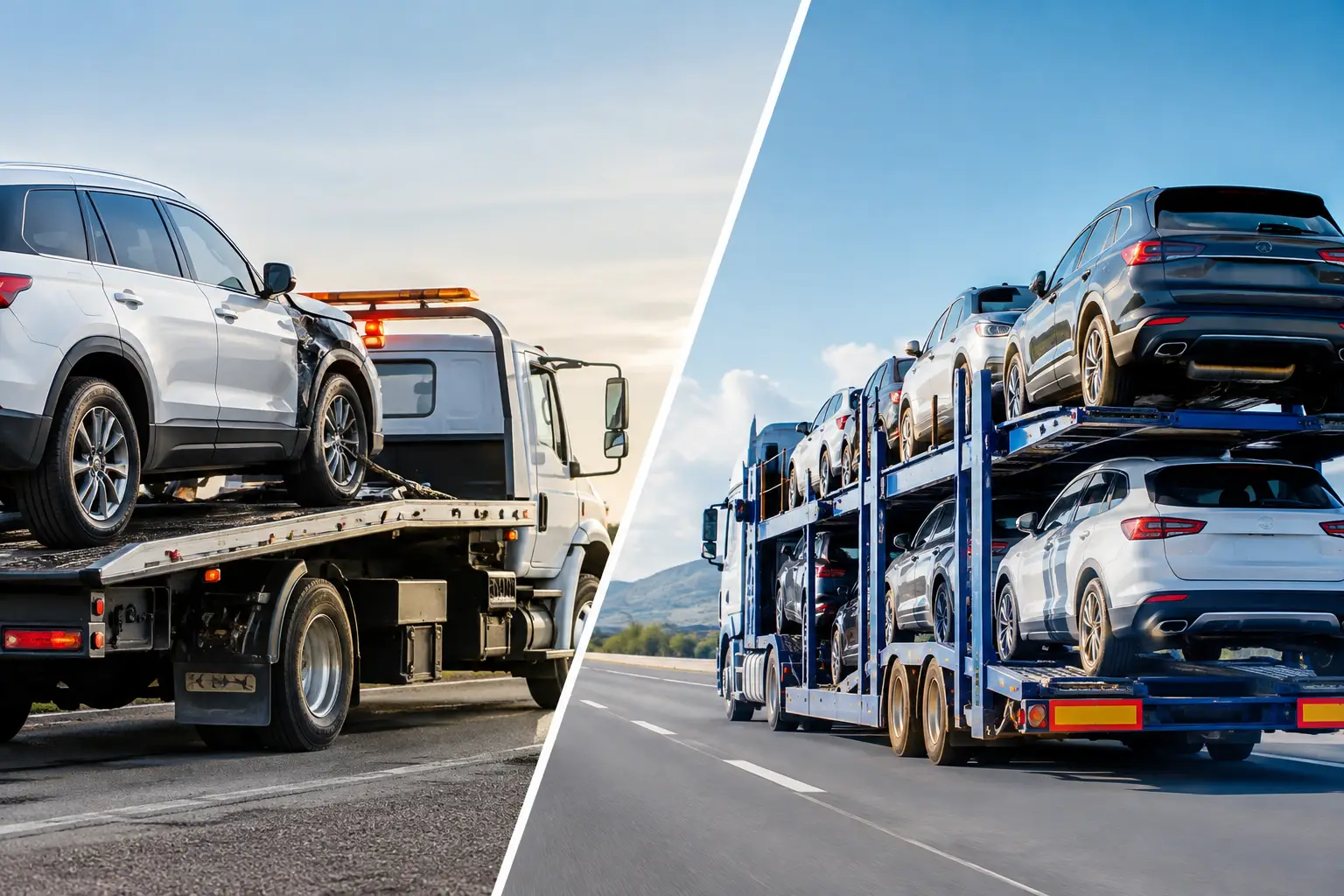
Your car quits on 5600 West during the morning rush, or it starts fine but needs to get from one shop to another. Both situations involve moving a vehicle, but towing versus transport is not always the same service. Picking the right one can save time, prevent extra vehicle damage, and keep the bill focused on what you actually need.
For most Salt Lake Valley drivers, the decision comes down to one question: is your vehicle disabled right now, or are you arranging a planned move? If you are stuck, unsafe, blocking traffic, or unable to drive legally, you need a tow. If the vehicle is operable or the move is scheduled and controlled, transport may be the better fit.
Towing Versus Transport: The Straight Answer
Towing is usually an urgent response to a problem. A tow truck comes to where the vehicle is stranded and moves it to a repair shop, your home, a dealership, or another nearby destination. It is built for breakdowns, accidents, flat tires with no usable spare, overheating, dead batteries that will not take a jump, and vehicles that cannot be safely driven.
Transport is typically a planned vehicle move. The vehicle may be running perfectly well, but you need it delivered somewhere else without putting miles on it or without arranging for someone to drive it. This can include moving a car between homes, delivering a vehicle to a body shop, relocating equipment, taking a project car to a mechanic, or moving a newly purchased vehicle locally.
There is overlap. A flatbed tow truck can perform both services, and a careful local towing company may call a scheduled move “vehicle transport.” The real difference is not always the truck. It is the vehicle’s condition, the urgency of the pickup, the route, and the handling required.
When You Need a Tow Right Now
Call for towing when driving the vehicle could make a bad day much worse. If the engine is overheating, the steering is damaged, a tire has separated, warning lights are flashing after an accident, or fluids are leaking, do not gamble on making it a few more miles. Pull over safely, turn on your hazard lights, and get the vehicle moved.
A tow is also the right call after a collision, even if the car appears to drive. Damage underneath the vehicle, a bent wheel, impaired alignment, or a loose bumper can turn a short trip into a safety issue. The same goes for cars stuck in mud, snow, a ditch, or an awkward off-road spot. Recovery comes first. Transportation comes after the vehicle is safely out.
For drivers in West Valley City, Kearns, Taylorsville, West Jordan, and nearby communities, a local tow is often the fastest route to a solution. You do not need to diagnose every noise or warning light from the shoulder of the road. Tell the dispatcher what happened, where you are, what kind of vehicle you have, and where it needs to go. That helps send the right truck without wasting time.
Flatbed or Wheel-Lift Towing?
The towing method matters. Wheel-lift towing raises one end of the vehicle while the other wheels roll behind it. It can be a practical option for certain short-distance moves when the vehicle is in suitable condition.
Flatbed towing places the entire vehicle on the truck. No wheels roll on the road, which is often the safer choice for all-wheel-drive vehicles, many electric vehicles, luxury cars, severely damaged vehicles, or cars with drivetrain trouble. It is also a smart option when you simply want the most controlled local move.
There is no prize for choosing the cheapest setup if it does not match your vehicle. All-wheel drive, in particular, may require a flatbed or special procedures. Tell the towing company the make, model, drivetrain, and condition of the car. If you have the owner’s manual available, follow its towing instructions.
When Transport Makes More Sense
Vehicle transport is the better answer when there is no roadside emergency and you want a clean, planned move. Maybe your non-running project truck needs to go from a driveway in Magna to a restoration shop. Maybe you bought a used car and do not want to risk an unknown mechanical issue on the drive home. Maybe your business needs equipment moved across the valley.
A planned transport gives you more control over pickup timing, destination details, access at both locations, and the type of loading needed. It also avoids putting extra miles, wear, or risk on a vehicle that you would rather not drive.
Local transport is especially useful for vehicles that are registered but not road-ready, cars waiting on repairs, classic vehicles, motorcycles, or equipment that should not be driven on public streets. The vehicle does not have to be broken down for transport to make sense. Sometimes it is simply the smarter move.
Transport Is Not Always Cheaper
Many people assume transport costs less because it is scheduled. Sometimes it does. A planned pickup can be easier to coordinate than an emergency call late at night or during severe weather. But pricing depends on the actual work involved.
A vehicle that rolls, steers, and brakes is easier to load than one with locked wheels, collision damage, or no keys. Tight apartment parking, underground garages, snow-packed driveways, difficult recoveries, distance, and after-hours service can all affect the price. The best value is the service that gets the vehicle moved safely the first time, not the option that creates more trouble later.
What to Tell the Dispatcher
A quick, accurate description helps avoid delays. Start with your exact location. If you are near an intersection, give both street names. If you are on a freeway, note the direction of travel, the nearest exit, and a safe landmark if possible.
Then explain whether the vehicle starts, rolls, steers, and has all four tires inflated. Mention accident damage, leaking fluids, low clearance, locked wheels, a dead battery, or whether the vehicle is in a garage or off the pavement. Finally, provide the make and model plus the destination address.
You do not need perfect mechanic language. “My SUV is all-wheel drive, it will not start, and it is in a parking stall with its front facing the curb” is useful information. So is, “The car runs, but I need it moved from my house to a shop tomorrow afternoon.” Clear details help the crew arrive prepared.
The Safety Call Comes Before the Price Call
Affordable service matters, especially when a breakdown was not in the budget. But safety should make the first decision for you. Do not keep driving an overheating engine to avoid a tow bill. Do not use a friend’s pickup and a rope to pull a disabled vehicle through busy traffic. Do not crawl under a vehicle on the roadside to inspect damage.
Move yourself and passengers away from traffic when you can do so safely. Stay aware of passing vehicles, particularly at night, in snow, or along high-speed roads. If the car is in a dangerous position, tell the dispatcher immediately. A professional tow operator can assess the scene, load the vehicle properly, and get it out of the way without adding another problem to your day.
Munnster Towing provides 24/7 towing, roadside help, recovery, and local vehicle transport for drivers who need a fast answer instead of a runaround. Whether you are locked out after work, stuck with a dead battery before school drop-off, or arranging a planned vehicle move, the goal is simple: get the right truck to the right place at a fair price.
If the car is unsafe or cannot be driven, do not overthink it. Choose towing and get off the roadside. If the vehicle is stable and the move can be scheduled, ask about local transport options. A short call with the right details can turn a stressful vehicle problem into a handled problem.
continue reading
Related Posts
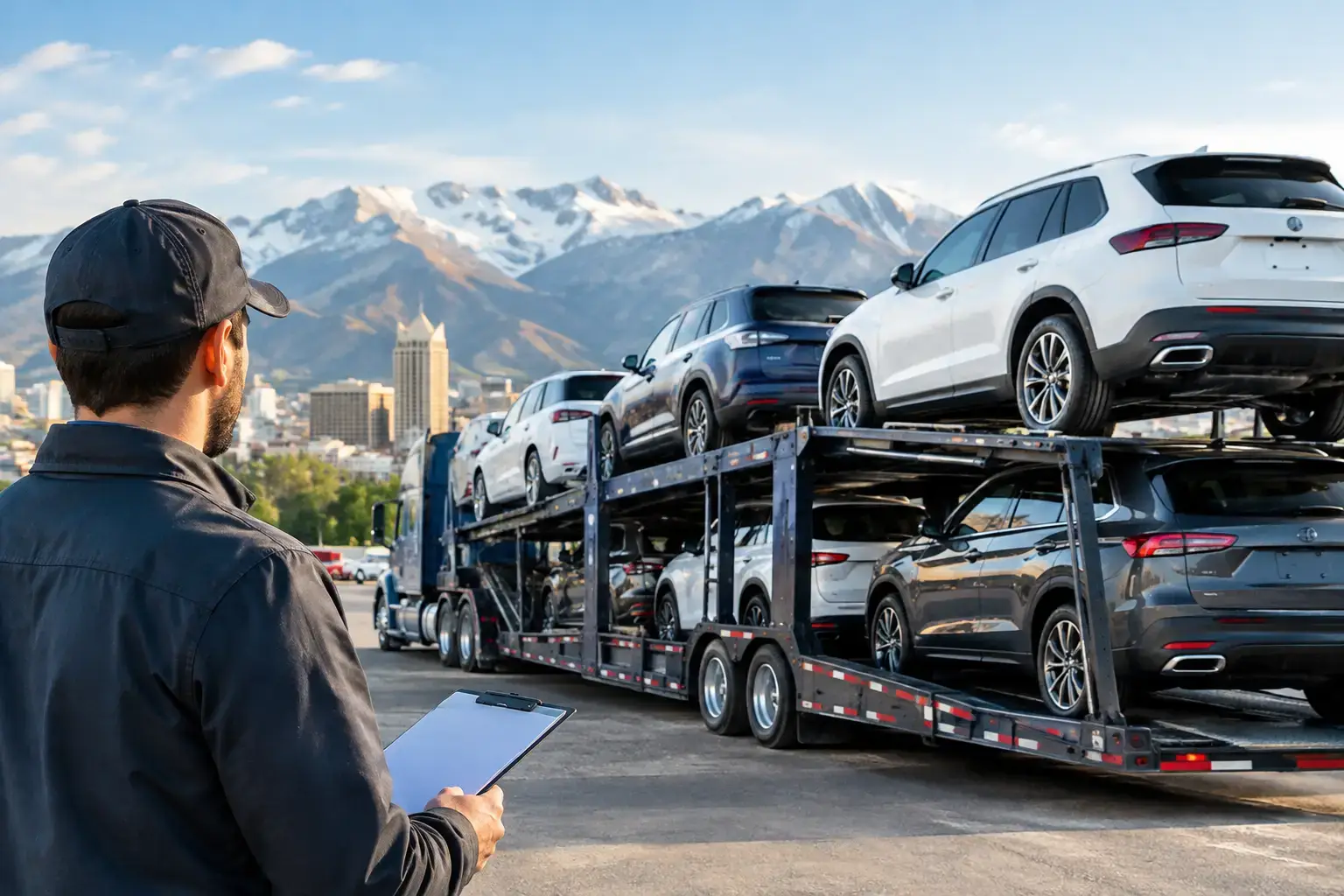
Use this vehicle transport guide to choose the right tow, prepare your car, avoid surprise costs, and get fast local help across Salt Lake Valley today.
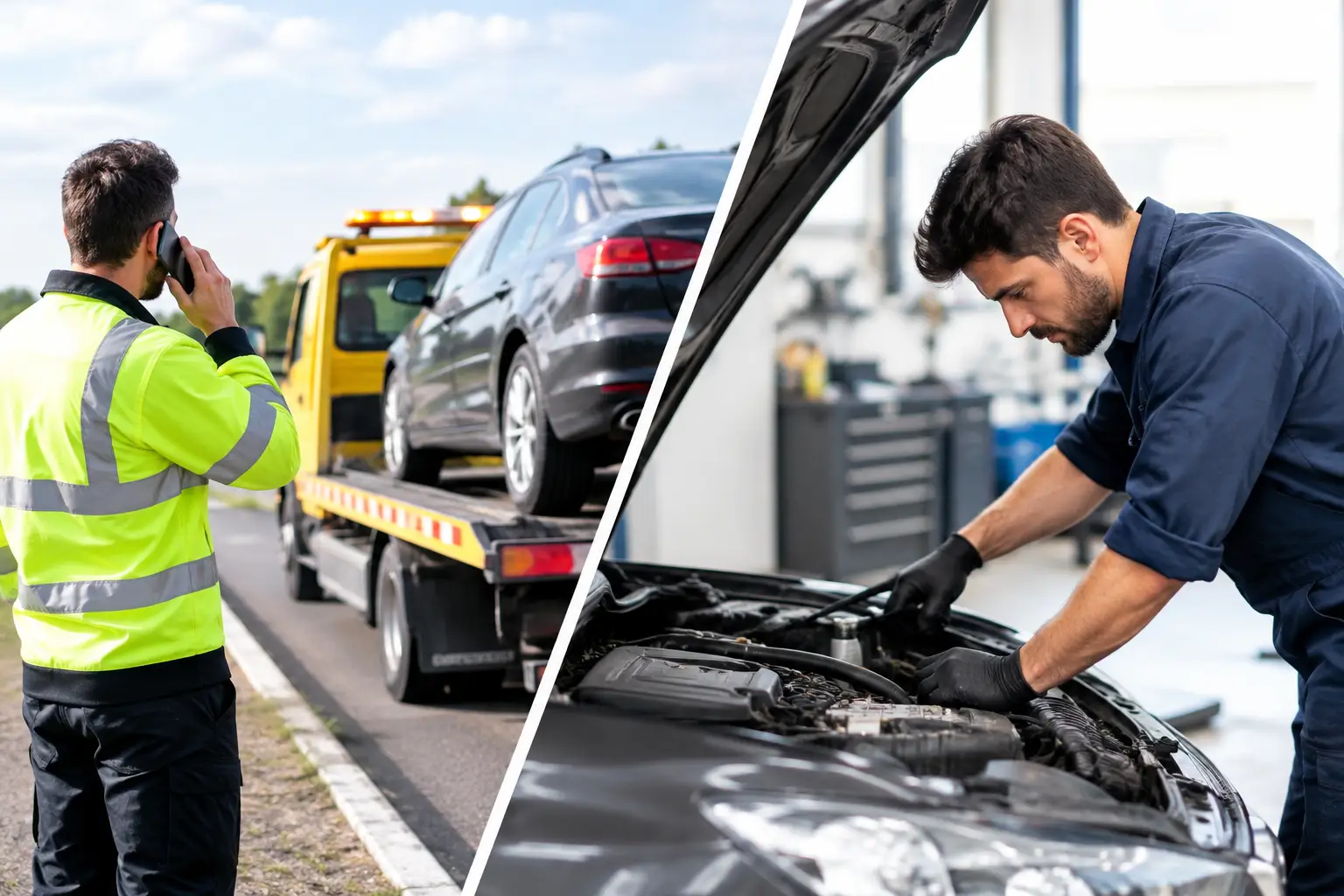
Roadside assistance versus mechanic: learn who to call for a flat tire, dead battery, lockout, warning light, or breakdown in Salt Lake Valley fast.
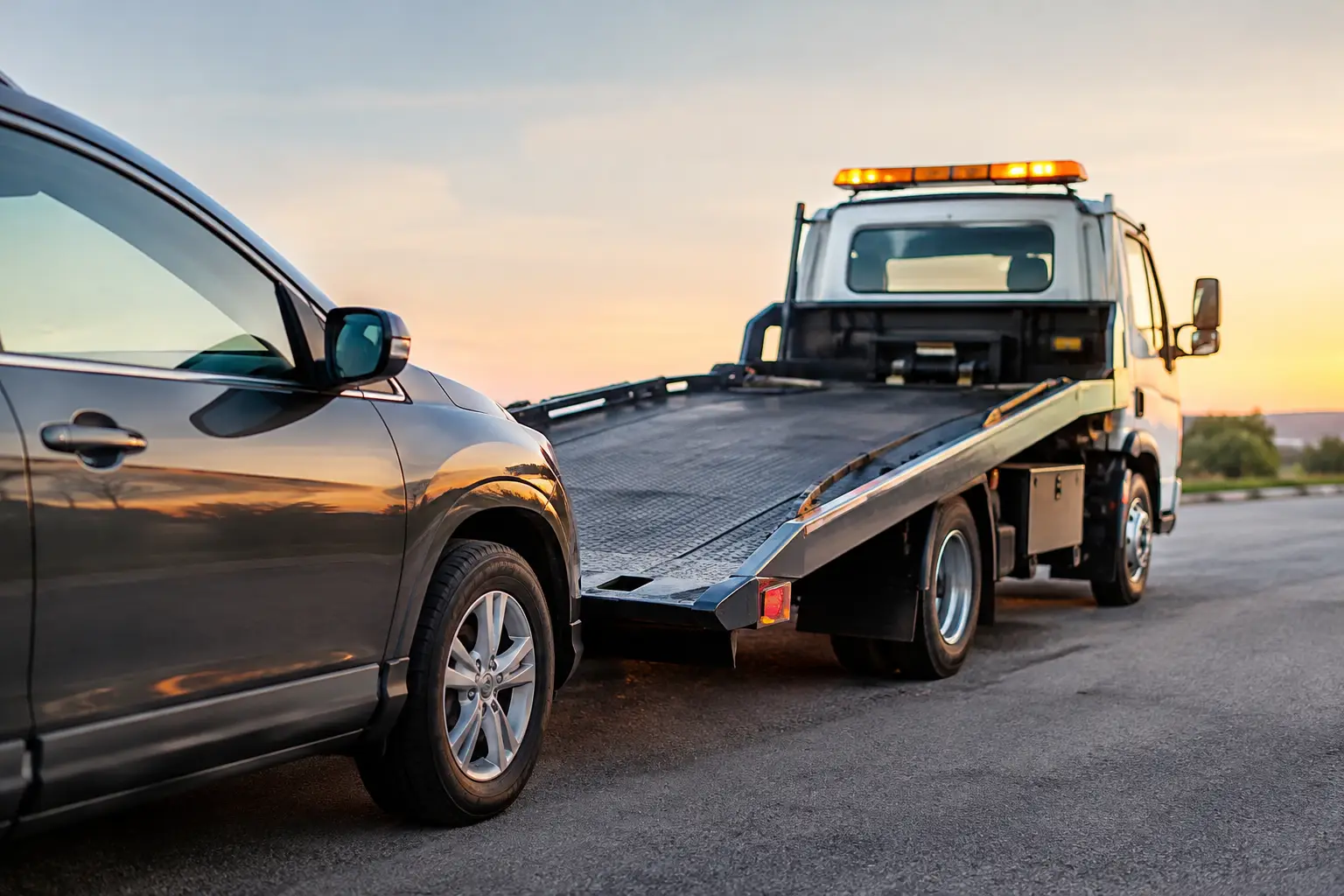
How long does towing take? Learn what affects tow truck arrival and transport time in Salt Lake Valley, plus steps that help get help moving fast today.