
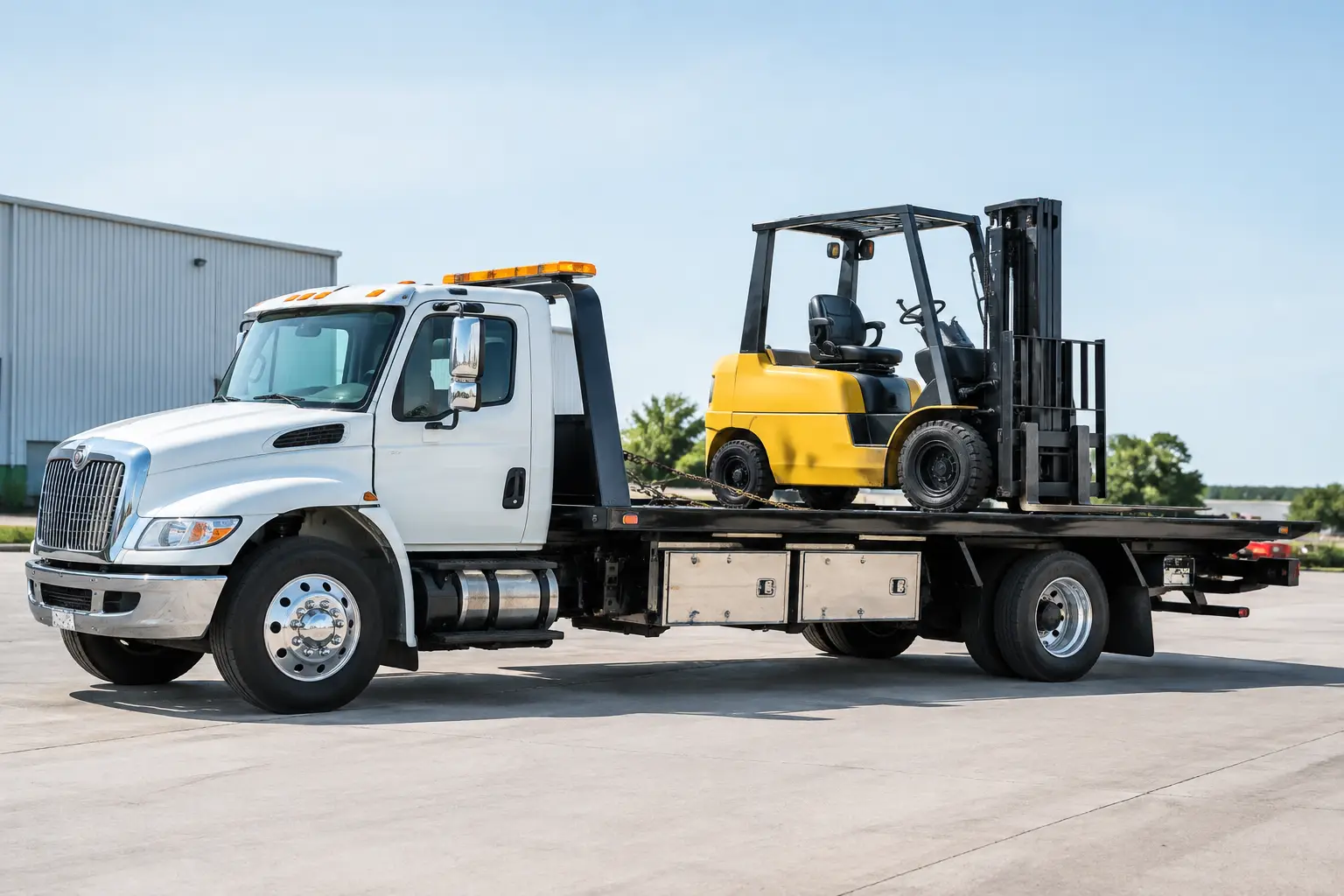
A forklift quits at a jobsite, gets stranded at a warehouse, or needs to move between properties, and the first question is usually practical: can tow trucks move forklifts? Often, yes. But this is not a job for just any truck that happens to have a hook. The forklift’s weight, dimensions, condition, and pickup location decide whether a standard flatbed can handle it safely or whether you need heavier equipment transport.
A bad move can damage the forklift, tear up a loading ramp, create a road hazard, or turn a simple transport into an expensive delay. The smart move is to give the towing company the real details before dispatch so the right truck arrives the first time.
Can Tow Trucks Move Forklifts Safely?
Tow trucks can move many forklifts safely when the truck has enough rated capacity, the proper deck or wheel-lift setup, and an operator who knows how to secure equipment. In most cases, a flatbed tow truck is the better choice. The forklift is loaded onto the bed, secured at approved tie-down points, and transported without its drive wheels rolling down the road.
That said, “forklift” covers a huge range of machines. A small electric warehouse forklift may weigh roughly as much as a heavy-duty pickup. A large diesel rough-terrain forklift can weigh far more than a typical light-duty tow truck can legally or safely carry. Counterbalance forklifts are especially heavy because the rear counterweight is designed to offset a loaded mast and forks.
The question is not simply whether a tow truck can pull the forklift. It is whether the entire setup can safely manage the equipment’s weight, center of gravity, loading angle, width, and securement requirements.
Flatbed transport is usually the safest option
For a forklift that still rolls, a properly rated flatbed gives the operator the most control. The driver can use a winch to pull the forklift onto the deck, rather than relying on the machine to drive itself up a ramp. That matters if the forklift has a mechanical issue, low battery, brake problem, damaged tire, or hydraulic trouble.
Once loaded, the forks should be lowered and positioned safely, the parking brake applied when possible, and the machine secured with rated chains or straps at the correct anchor points. The mast and any loose attachments also need attention. A forklift should not be treated like a passenger car with a couple of quick straps and a hope for the best.
A wheel-lift tow may work in limited situations for a short move, but it is usually less desirable for forklifts. Forklifts are not built to be casually towed behind a truck. Their steering, drive axle design, and braking systems vary, and towing them with wheels on the ground can cause damage or instability.
What Determines Whether a Tow Truck Can Move Your Forklift?
Before scheduling transport, have the forklift’s basic information ready. It saves time, prevents the wrong truck from showing up, and helps avoid a surprise price change after the driver arrives.
Start with the forklift’s operating weight. Do not guess based on lifting capacity. A forklift that lifts 5,000 pounds can weigh 8,000 to 10,000 pounds or more. The data plate, owner’s manual, manufacturer specifications, or equipment rental paperwork can provide the correct weight.
Next, consider its overall dimensions. A standard warehouse forklift may fit comfortably on a flatbed, while a machine with a tall mast, wide carriage, long forks, or special attachment may require a larger deck or a different transport plan. Tell the dispatcher whether the mast lowers completely and whether the forks can be removed or secured within the truck’s width.
The pickup and drop-off conditions matter just as much. Is the forklift in a paved parking lot with room to line up a flatbed? Is it parked inside a warehouse with a low doorway? Is it stuck in mud, gravel, snow, or a cramped construction area? A forklift recovery from soft ground is different from a straightforward equipment haul across town.
Finally, explain the forklift’s condition. If it starts and drives, loading may be simple. If it will not roll, has locked brakes, a damaged wheel, or a mast problem, the operator may need a winch, skates, extra rigging, or a specialized recovery truck.
When a Standard Tow Truck Is Not Enough
There is no prize for trying to squeeze oversized equipment onto the wrong truck. If the forklift exceeds the flatbed’s capacity, sits too high, is too wide, or cannot be loaded safely, a heavier transport solution is the right call.
Large telehandlers, rough-terrain forklifts, container handlers, and industrial lift trucks commonly need heavy-duty towing or specialized equipment hauling. These machines can be extremely heavy and may have long wheelbases or oversized tires that do not fit a standard car-hauler bed. Depending on the machine and route, transport may require a rollback with higher capacity, a lowboy trailer, permits, or a commercial equipment carrier.
Distance can also change the answer. A short relocation within the same property may allow for one method, while highway transport through Salt Lake County demands proper securement, lighting, weight ratings, and clearance planning. The forklift must stay stable through turns, braking, freeway speeds, and Utah weather changes.
If anyone suggests simply driving a disabled forklift along public streets to save money, stop there. It is slow, unsafe, and may not be legal for the route. Equipment transport costs money, but roadside damage, a traffic incident, or an overturned forklift costs a lot more.
How to Prepare a Forklift for Towing or Transport
You do not need to become an equipment-hauling expert before help arrives. A few simple steps can make pickup faster and safer.
First, clear a path to the forklift. Move pallets, parked vehicles, dumpsters, and loose material that could block the tow truck’s approach or ramp deployment. If the machine is indoors, measure door openings and notify the dispatcher about low ceilings, narrow aisles, or sharp turns.
If the forklift is operational, lower the forks fully, set the parking brake, place the controls in neutral, and turn it off unless the towing operator asks otherwise. Remove any unsecured load from the forks. Never transport a forklift with a pallet, tools, propane cylinder that is not properly secured, or loose materials riding on it.
Take clear photos before pickup if the forklift is damaged or if access is tight. Photos help a towing company assess the truck needed and can document the machine’s condition. For businesses moving rented equipment, check the rental agreement as well. Some companies require approved transport and may have specific instructions for securing propane, batteries, or attachments.
What to Tell the Towing Company When You Call
The fastest way to get the right help is to be specific. Give the forklift make and model if you have it, its weight, whether it runs and rolls, and the exact pickup and drop-off locations. Mention stairs, steep grades, mud, parking-garage access, gate codes, low wires, or any other obstacle that could affect loading.
Also say what type of forklift it is: electric warehouse unit, propane counterbalance forklift, diesel machine, reach truck, telehandler, or rough-terrain model. One description can prevent a major mismatch in equipment.
For local businesses in Kearns, West Valley City, Salt Lake City, West Jordan, Magna, and nearby communities, Munnster Towing can help assess whether a flatbed tow is appropriate for your forklift move. If your equipment needs a larger or more specialized carrier, getting that answer before dispatch is still a win. It keeps your crew from waiting around for a truck that cannot do the job.
Don’t Gamble on a Quick Hook-Up
A forklift may be essential to your warehouse, shop, construction crew, or delivery operation, but it is not ordinary roadside cargo. The right tow truck can move it safely. The wrong setup can create damage, downtime, and a bigger bill than you expected.
When a forklift needs to go, have the weight, condition, and access details ready, then call for a transport plan that matches the machine. A few minutes of accurate information can get the right truck headed your way and get your operation moving again.
continue reading
Related Posts
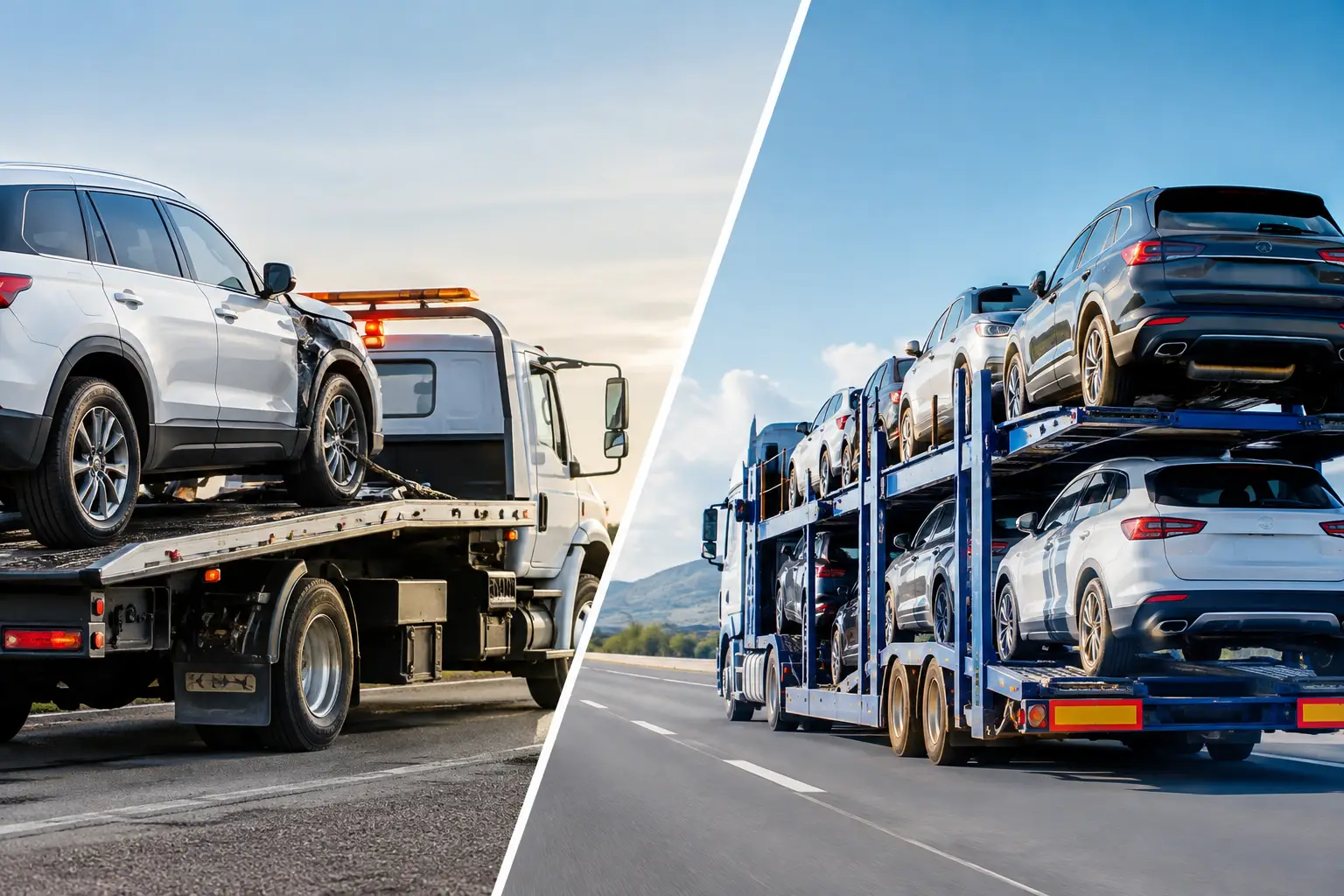
Towing versus transport comes down to your vehicle, distance, and urgency. See which option protects your car and gets it where it needs to go safely.
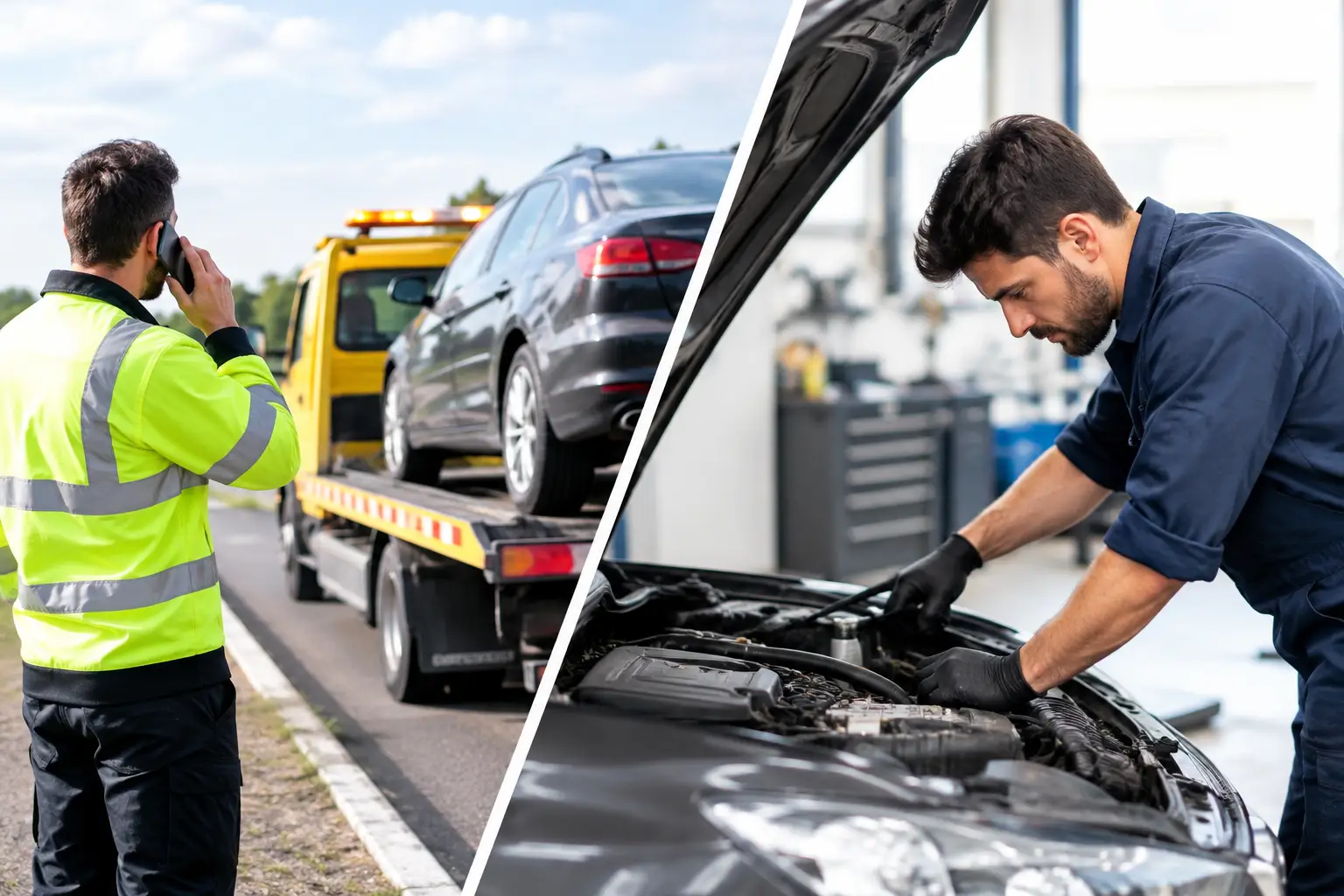
Roadside assistance versus mechanic: learn who to call for a flat tire, dead battery, lockout, warning light, or breakdown in Salt Lake Valley fast.
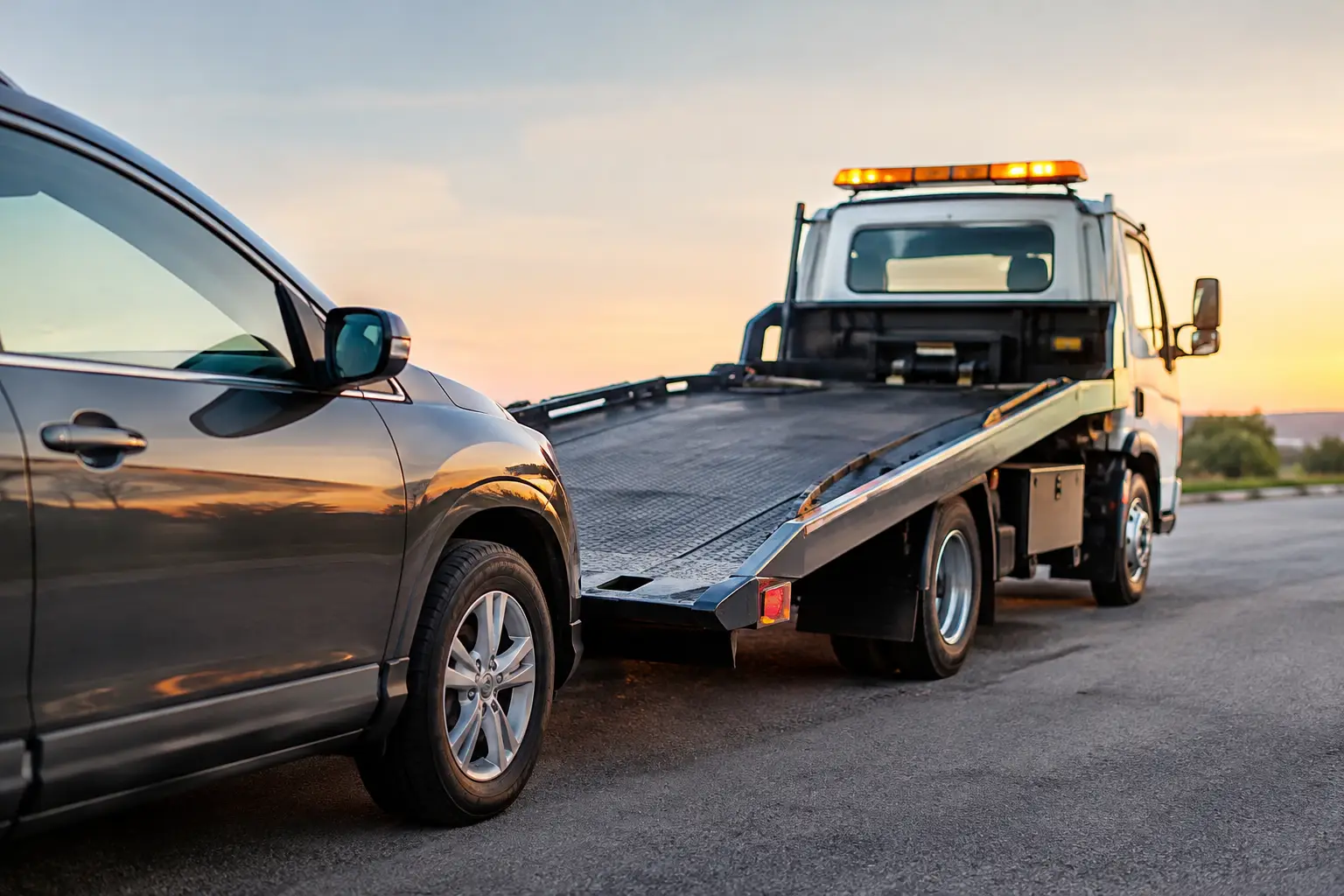
How long does towing take? Learn what affects tow truck arrival and transport time in Salt Lake Valley, plus steps that help get help moving fast today.