
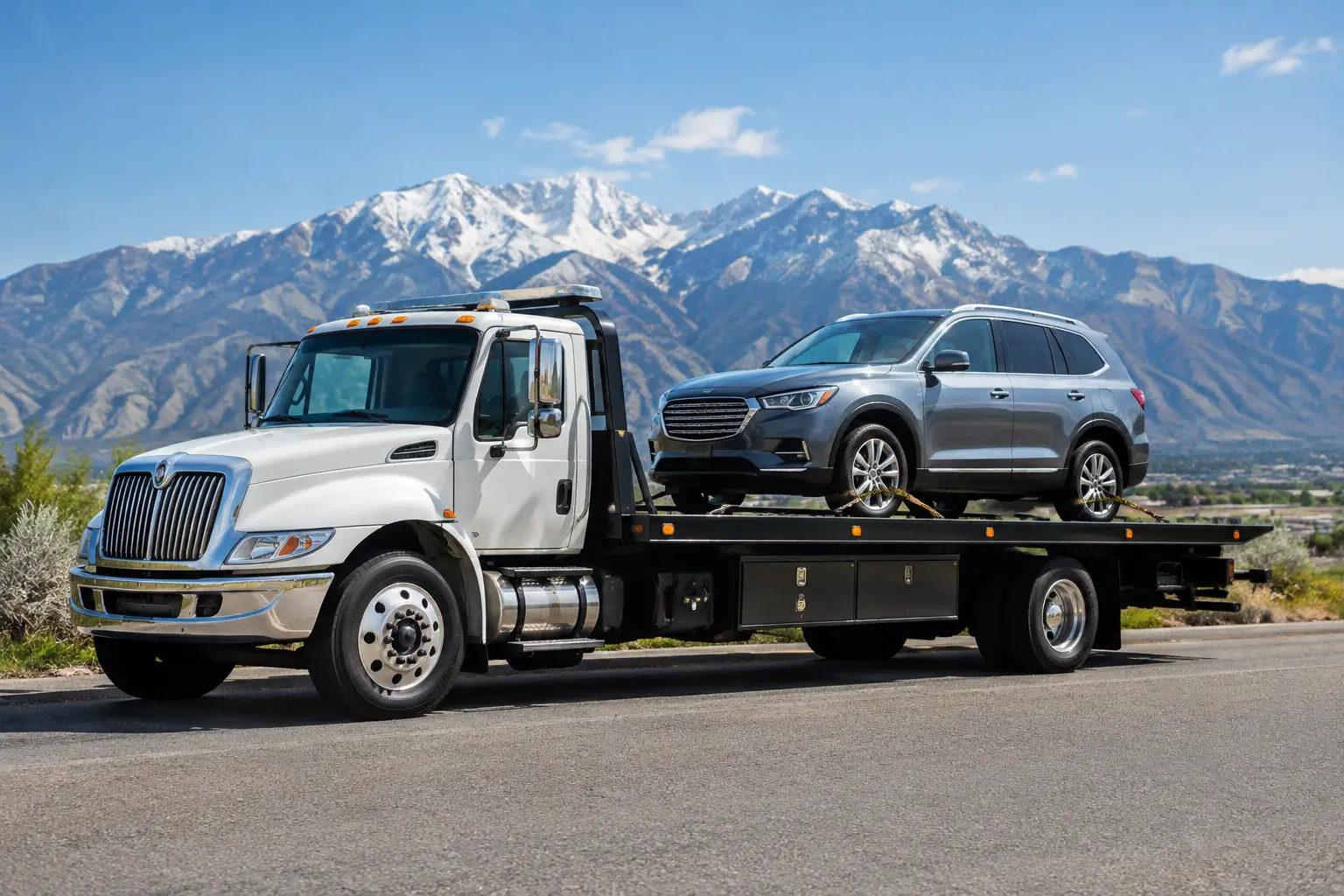
A flatbed towing comparison matters most when your car is stuck on the shoulder, sitting after an accident, or refusing to start in a parking lot. At that point, you do not need a lecture about tow trucks. You need the right truck, careful handling, a fair price, and a driver who gets there without wasting your time.
For many vehicles, a flatbed is the safest transport option because every tire rides off the ground. But it is not automatically the only choice. Wheel-lift towing can be a fast, practical, lower-cost solution for certain local tows. The right call depends on your vehicle, its condition, where it is parked, and where it needs to go.
Flatbed Towing Comparison: Flatbed vs. Wheel-Lift
A flatbed tow truck uses a level platform that tilts and slides down to the ground. Your vehicle is loaded onto the bed, secured at the tires, and transported with no wheels rolling on the road. This is often called full transport towing, and it is the go-to choice for vehicles that should not be driven or pulled with two wheels down.
A wheel-lift tow truck raises one end of the vehicle while the other two wheels remain on the pavement. It is a modern version of the old hook-and-chain approach, but it supports the vehicle by its tires or axle area rather than dragging it by the frame. For a short local tow with the right vehicle, it can be quick and effective.
Neither method is “better” in every situation. A good towing company looks at the vehicle before choosing the equipment. If someone promises one towing method without asking what you drive or what happened, that is not a great sign.
When a Flatbed Is the Better Move
Flatbed towing is usually worth it when protecting the vehicle is the top priority. It is especially smart for all-wheel-drive and four-wheel-drive vehicles, because pulling them with two wheels on the ground can put unnecessary stress on the drivetrain. Many electric vehicles also have specific transport requirements, and a flatbed commonly avoids the risk of turning wheels or drivetrain components that should stay still.
A flatbed is also the right answer when your car has been in an accident, has suspension damage, has a locked wheel, or cannot roll safely. A vehicle with a broken axle, damaged tire, missing wheel, or leaking fluid should not be treated like a routine tow. Keeping it fully off the roadway reduces the chance of more damage during transport.
Low-clearance cars, luxury vehicles, classic cars, and vehicles with body damage often benefit from the extra control of a flatbed as well. Proper loading angles, secure tie-downs, and experienced operation matter here. The goal is simple: get the car to the repair shop, home, or dealership without adding a new problem to the list.
When Wheel-Lift Towing Makes Sense
Wheel-lift towing is often a sensible choice for a standard front-wheel-drive or rear-wheel-drive vehicle that needs a short local tow and has no major collision or mechanical damage. It can be especially useful in a tight apartment lot, packed parking garage entrance, narrow street, or other place where loading a flatbed would be difficult.
It may also be the more affordable option in some situations. A wheel-lift truck can maneuver quickly, and the equipment setup may be simpler for a straightforward tow. That does not mean it is the cheap option at the expense of your car. It means the truck matches the job.
The key question is which wheels are driven. A front-wheel-drive vehicle is generally towed with its front wheels lifted. A rear-wheel-drive vehicle is generally towed with its rear wheels lifted. If the wrong wheels stay on the pavement, the drivetrain can suffer. That is why vehicle details matter before the tow begins.
What Changes the Cost of a Flatbed Tow?
People often assume a flatbed tow always costs dramatically more. Sometimes it does cost more than a basic wheel-lift tow, but the gap depends on the job. The distance, vehicle size, pickup location, time of day, condition of the vehicle, and recovery difficulty all affect the final price.
A sedan that rolls freely from a wide parking lot is a different job from an SUV resting in a snowbank, a pickup with a damaged front end, or a car blocked into a cramped underground garage. Extra recovery work, difficult loading, winching, and long-distance transport can add to the service cost regardless of which truck arrives.
The cheapest towing option is not always the least expensive outcome. Saving a little on the initial tow is not a win if an improper tow causes transmission, drivetrain, bumper, or suspension damage. When a flatbed is recommended for your vehicle, it is usually because avoiding that risk is worth more than shaving a few dollars off the call.
Before dispatch, give clear details: your vehicle’s year, make, model, drive type if known, location, destination, and whether it can roll and steer. Mention any accident damage, flat tires, locked wheels, low clearance, or parking obstacles. That lets the dispatcher send the right equipment the first time.
Vehicle Types That Usually Need Extra Care
Some vehicles should get a flatbed by default unless the owner’s manual or a qualified towing professional says otherwise. All-wheel-drive vehicles are high on that list. So are many electric vehicles, performance cars, classic cars, and vehicles with unknown drivetrain damage after a crash.
Do not guess if you are unsure whether your SUV is AWD, 4WD, front-wheel drive, or rear-wheel drive. Look for badges on the vehicle, check the owner’s manual if it is available, or tell the dispatcher you are unsure. A professional can help determine the safest approach.
For pickups and work vehicles, weight and length matter too. A properly equipped flatbed can handle many pickups, but the truck must have the right capacity and loading setup. If you are moving equipment, transporting a non-running vehicle, or dealing with a loaded work truck, say so upfront. Surprises at the pickup point slow everything down.
Flatbed Towing After an Accident
After a collision, a flatbed is often the cleanest option even when the damage does not look severe. A bent wheel, damaged steering component, rubbing tire, cracked radiator, or loose body panel can turn a short drive into a much bigger repair bill. The vehicle may start, but that does not make it safe to drive.
Move yourself to a safe area if possible, call emergency services when needed, and avoid standing between traffic and your vehicle. Then arrange transport to the shop of your choice or another safe destination. In busy Salt Lake Valley traffic, getting the disabled vehicle out of harm’s way quickly is a big deal.
If the vehicle is off the roadway, in a ditch, or positioned awkwardly after impact, recovery may require more than a normal tow. Be direct about the situation when you call. A clear description helps the towing crew arrive prepared instead of losing time switching trucks or returning with extra equipment.
Winter, Mountains, and Utah Road Conditions
Snow, ice, steep driveways, and sudden weather changes can make a routine tow less routine. A car that slides into a curb or snowbank may have hidden damage underneath, even if it looks fine from the driver’s seat. Flatbed transport keeps the vehicle off the road while it is being moved, which can be a safer choice after a winter incident.
That said, the pickup location may determine what equipment can reach you safely. An icy hill, tight residential street, or deep snow can limit where a larger flatbed can position itself. In those cases, an experienced operator may use another method to recover or reposition the vehicle before loading it for transport. The best solution is the one that protects your vehicle and gets the scene cleared safely.
How to Get the Right Tow Faster
When you call for towing, have your exact location ready. A street address, nearby cross streets, store name, freeway direction, or recognizable landmark helps. Tell the dispatcher whether you are in a parking lot, on a shoulder, at home, in a garage, or off the road.
Also share whether the car starts, rolls, steers, and has all four tires inflated. Those quick details can determine whether a wheel-lift, flatbed, winch-out, or another recovery setup is needed. You do not need to diagnose the vehicle. Just describe what you see.
Munnster Towing provides 24/7 towing and roadside help for drivers who need a fast answer, not a runaround. If you are stranded in Kearns, West Valley City, Salt Lake City, or nearby communities, ask which tow method fits your vehicle and situation before the truck is dispatched.
A breakdown is already enough of a headache. Give the dispatcher the facts, choose the equipment that protects your vehicle, and get yourself out of traffic and back to a safe place.
continue reading
Related Posts
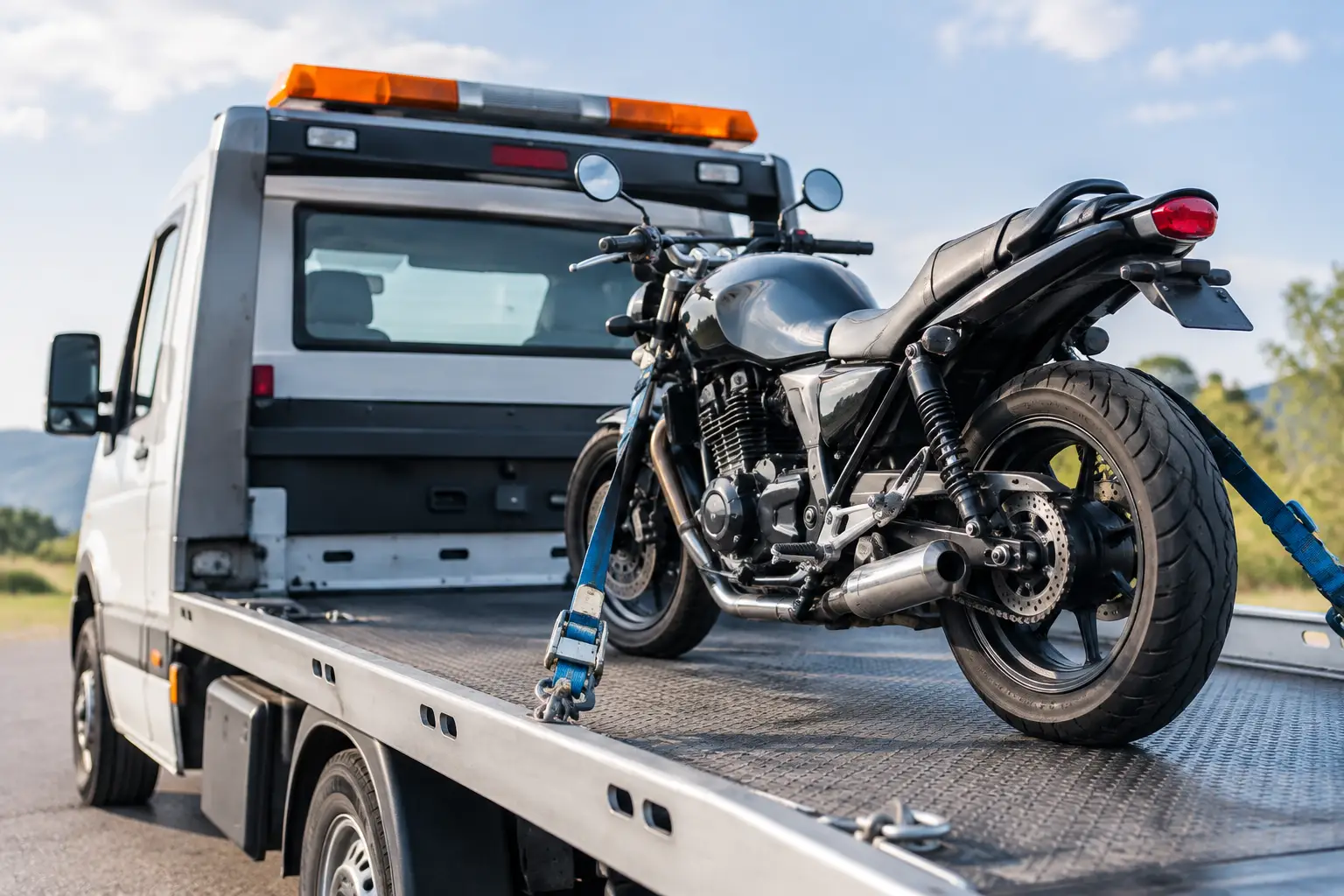
Can tow trucks move motorcycles safely? Learn when flatbed transport is best, how bikes are secured, and what to request when you need help fast nearby.
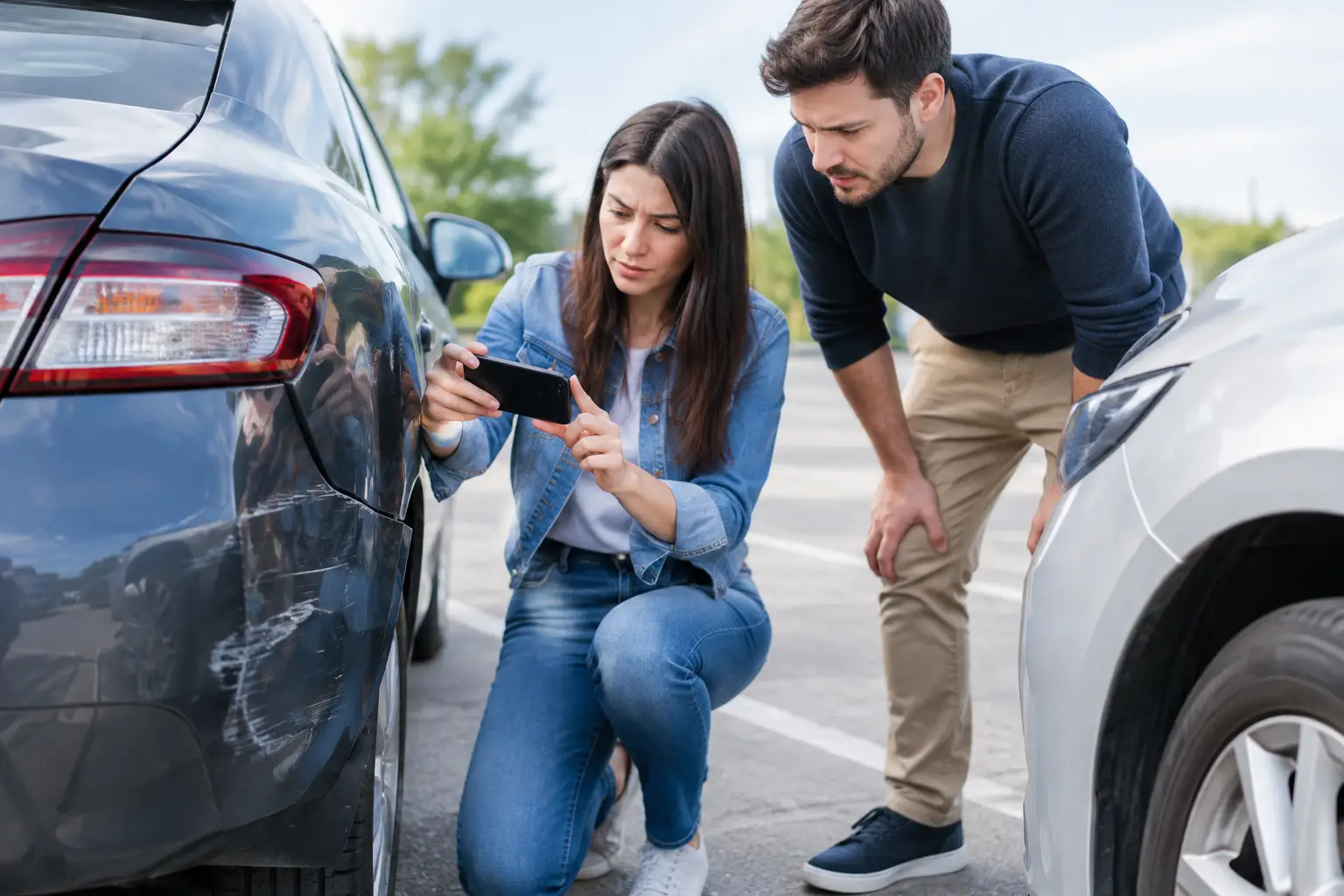
Learn best practices after parking accidents, from protecting people and documenting damage to handling reports, insurance, and a safe tow in Utah today.
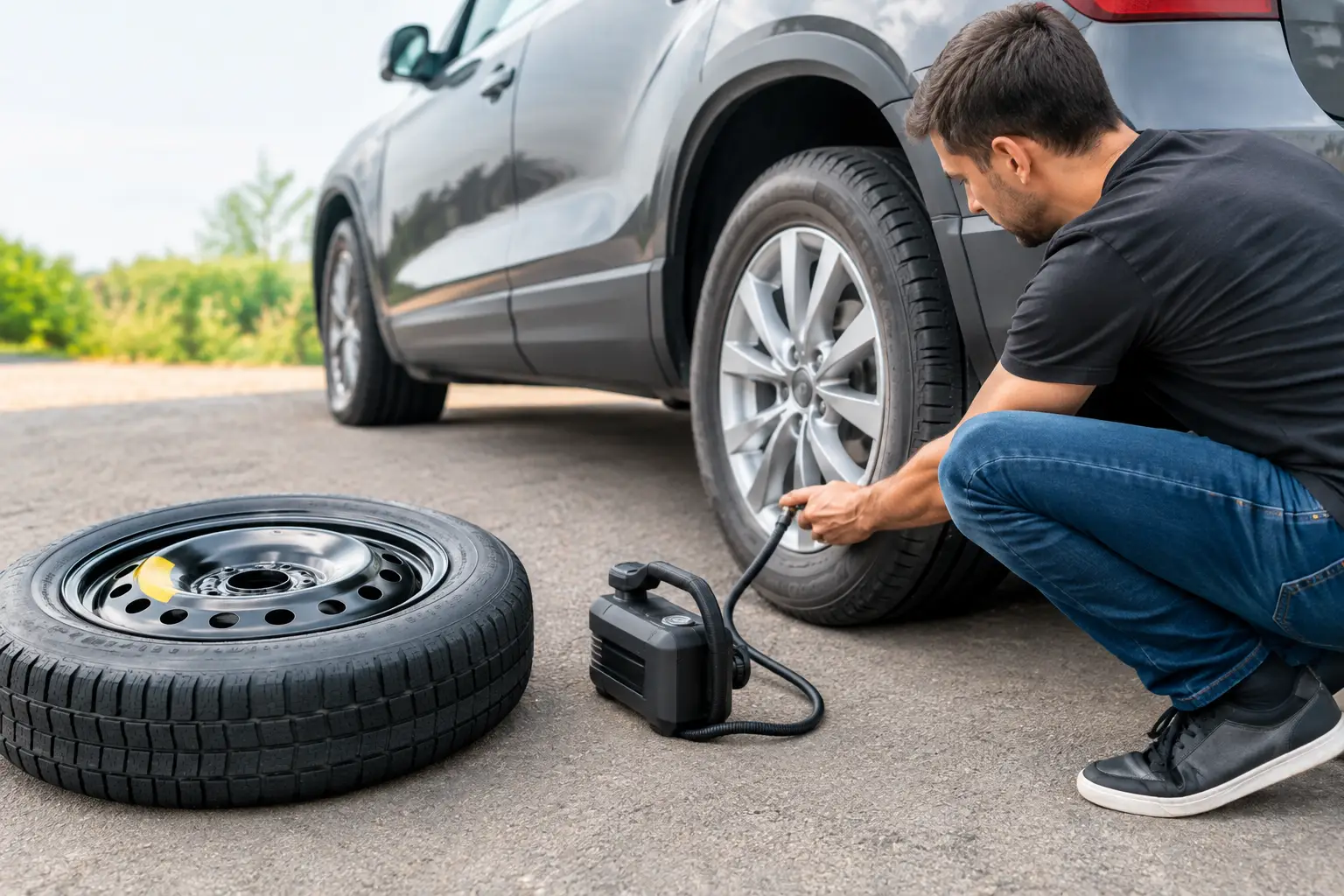
Learn how to inflate a spare tire safely, find the right PSI, and get fast roadside help in Salt Lake Valley when a low spare leaves you stuck on a busy road.