
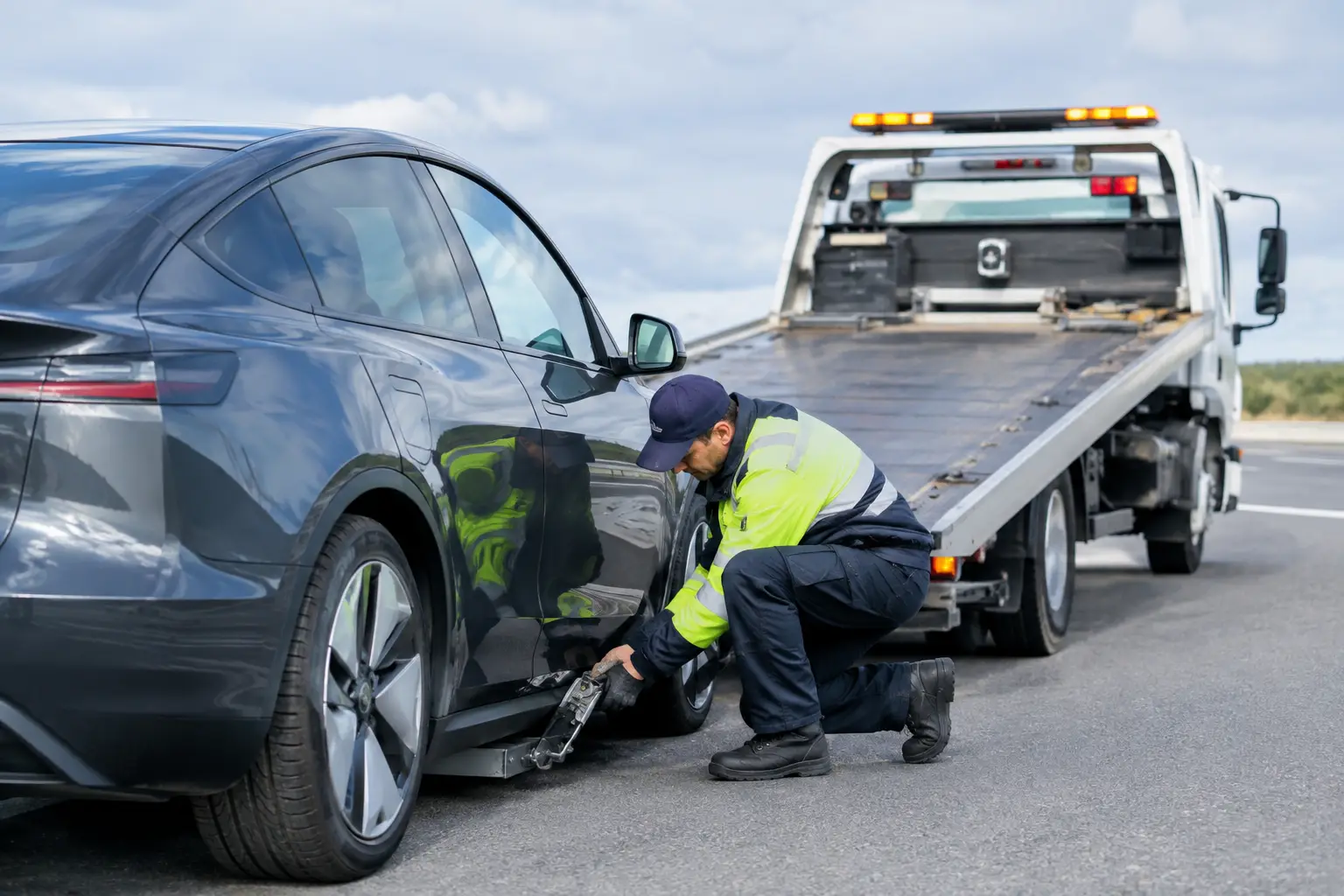
A dead EV on the side of I-15 is not a job for guesswork. Electric vehicle towing is different from towing a gas-powered car, and using the wrong method can damage the drive system, battery area, or vehicle electronics. If your EV will not move, the priority is simple: get out of traffic, keep the vehicle safe, and call for a tow truck that can handle it correctly.
For drivers across Salt Lake Valley, that usually means requesting a flatbed tow and sharing the make, model, location, and reason the vehicle is stranded. A little information up front helps the dispatcher send the right equipment instead of wasting your time while you are stuck on the shoulder.
Why Electric Vehicle Towing Requires More Care
Most gas vehicles can be towed with two wheels off the ground in certain situations. Many electric vehicles cannot. EVs use electric motors, reduction gears, regenerative braking systems, and high-voltage components that may not tolerate being pulled with the drive wheels rolling on the road.
When an EV is dragged or towed incorrectly, the motors can generate electricity while the vehicle is rolling. Depending on the model and its condition, that can create problems for the drivetrain or electronics. Some vehicles have a specific tow mode or transport mode. Others require the wheels to stay completely off the pavement. The owner’s manual is the final word for your vehicle, but a flatbed is often the safest default.
EVs also tend to be heavier than similar-size gas vehicles because of their battery packs. That matters when loading, securing, and recovering a vehicle from a ditch, curb, parking structure, or accident scene. The right truck, winching approach, tie-down points, and trained operator make a real difference.
What to Do When Your EV Stops Moving
A low battery is not the only reason an electric vehicle can leave you stranded. You may have a flat tire, accident damage, a dead 12-volt battery, a warning message that prevents driving, a charging issue, or a lockout. The safe next step depends on what happened, but the first few minutes are mostly about staying visible and out of harm’s way.
If you are stopped in a dangerous spot, turn on your hazard lights if the vehicle allows it and move away from traffic when it is safe. Do not crawl underneath the vehicle or try to inspect orange high-voltage cables. After a collision, smoke, unusual heat, hissing sounds, or a burning odor are all reasons to step well away from the vehicle and call emergency services first.
When you request help, be ready to provide four useful details:
- Your EV’s year, make, and model
- Your exact location, including nearby exits or cross streets
- Whether the vehicle rolls, is in park, has a flat tire, or has collision damage
- Any warning messages, visible battery damage, smoke, or unusual noises
That is not busywork. It tells the tow operator whether a normal flatbed pickup is appropriate or whether the scene needs added caution and recovery planning.
Flatbed Towing Is Usually the Smart Call
A flatbed keeps all four wheels off the road. For many EVs, that is the preferred way to move the vehicle because it avoids spinning the drive wheels during transport. It also gives the operator more control when the EV cannot shift into neutral, will not power on, or is locked in park.
Loading an EV is not always as easy as driving it up the bed. If the car is disabled, the operator may need dollies, skates, a winch, or manufacturer-approved procedures to move it without forcing the wheels. Careful loading matters even more with low-clearance vehicles, which can scrape on a steep approach if the truck is not positioned properly.
A professional towing team will also secure the vehicle using appropriate attachment points rather than taking shortcuts around suspension parts or sensitive underbody areas. The battery pack often runs along the floor of the vehicle, so careless lifting or dragging is never worth the risk.
Can an EV Be Towed in Neutral?
Sometimes, but do not assume neutral makes every towing method safe. On certain models, neutral is intended only for short-distance movement, such as repositioning the vehicle in a driveway or loading it onto a truck. It may not mean the vehicle can be pulled behind another vehicle or towed on two wheels for miles.
Some EVs also lose the ability to remain in neutral once the 12-volt system is dead. Others require a particular menu setting, key fob, brake pedal sequence, or tow mode to release the parking brake. Trying to force the vehicle can turn a manageable roadside call into a more expensive repair.
Tell the tow company if the EV is locked in park or cannot be placed in neutral. That is common, especially after a power issue, and an experienced operator can plan for it. Do not let a stranger hook up a chain and start pulling just because the vehicle looks like any other sedan or SUV.
A Dead 12-Volt Battery Is Not the Same as a Dead EV Battery
Electric vehicles have a high-voltage traction battery that powers driving, but most also have a small 12-volt battery that runs computers, locks, lights, and key systems. If that 12-volt battery fails, your EV may appear completely dead even if the main battery has plenty of charge left.
In some cases, a proper jumpstart of the 12-volt battery can get the vehicle awake long enough to shift, unlock, or drive to a safer spot. In other cases, the 12-volt battery has failed because of an underlying problem and the EV needs a tow. The safest choice depends on the vehicle’s symptoms and the manufacturer’s guidance.
Do not jump the high-voltage battery yourself. Roadside jumpstart service is for the 12-volt system only, using the correct terminals and procedure. If you are unsure which battery issue you have, describe what the car is doing rather than making assumptions. A message such as “electrical system fault” tells the responder more than “the battery is dead.”
Charging Problems Can Turn Into Towing Problems
Running out of charge is frustrating, but it does not always require a tow. If you are safely parked and a compatible charger is nearby, waiting for a charge may be the simplest solution. Mobile EV charging may also be available in some areas, although service availability and compatibility vary.
If the vehicle is stranded in traffic, the weather is severe, the charging port will not release, or you cannot safely reach a charger, a flatbed tow is often the better call. Ask to be taken to a working charging location, your home, a dealership, or a qualified repair facility based on the problem.
Avoid treating a public charger like a guaranteed rescue plan. A station may be occupied, out of service, blocked, or incompatible with your vehicle. When your range gets low in Utah winter weather, mountain driving, or stop-and-go traffic, build in more buffer than the dashboard estimate suggests.
Accident and Off-Road EV Recovery Needs Extra Caution
After an accident, the question is no longer just how to tow the vehicle. The condition of the battery pack matters. A hard impact underneath the EV, damage near the floor, fluid leaks, smoke, or heat can require a more cautious recovery and storage process.
Keep bystanders away, avoid touching exposed components, and follow instructions from first responders. Do not try to drive an EV with suspected underbody battery damage simply because it still powers on. The vehicle may need inspection before it is parked in a garage or charged again.
The same care applies when an EV is stuck in snow, mud, a ditch, or off-road terrain. Spinning the tires and yanking hard on the wrong recovery point can cause damage fast. A controlled winch recovery with the right equipment is safer than a desperate DIY pull from a friend’s truck.
Get the Right Tow, Not Just Any Tow
When your electric vehicle will not go, speed matters, but correct handling matters too. Ask for a flatbed, mention that the vehicle is electric, and be honest about whether it is damaged, immobile, or showing battery warnings. Those details help prevent delays and protect your car.
Munnster Towing provides 24/7 towing and roadside help for stranded drivers throughout Salt Lake Valley. If your EV has a flat, a dead 12-volt battery, a lockout, collision damage, or simply will not move, call for help instead of risking an improvised tow. A fast, careful pickup beats turning one bad roadside moment into a bigger repair bill.
continue reading
Related Posts
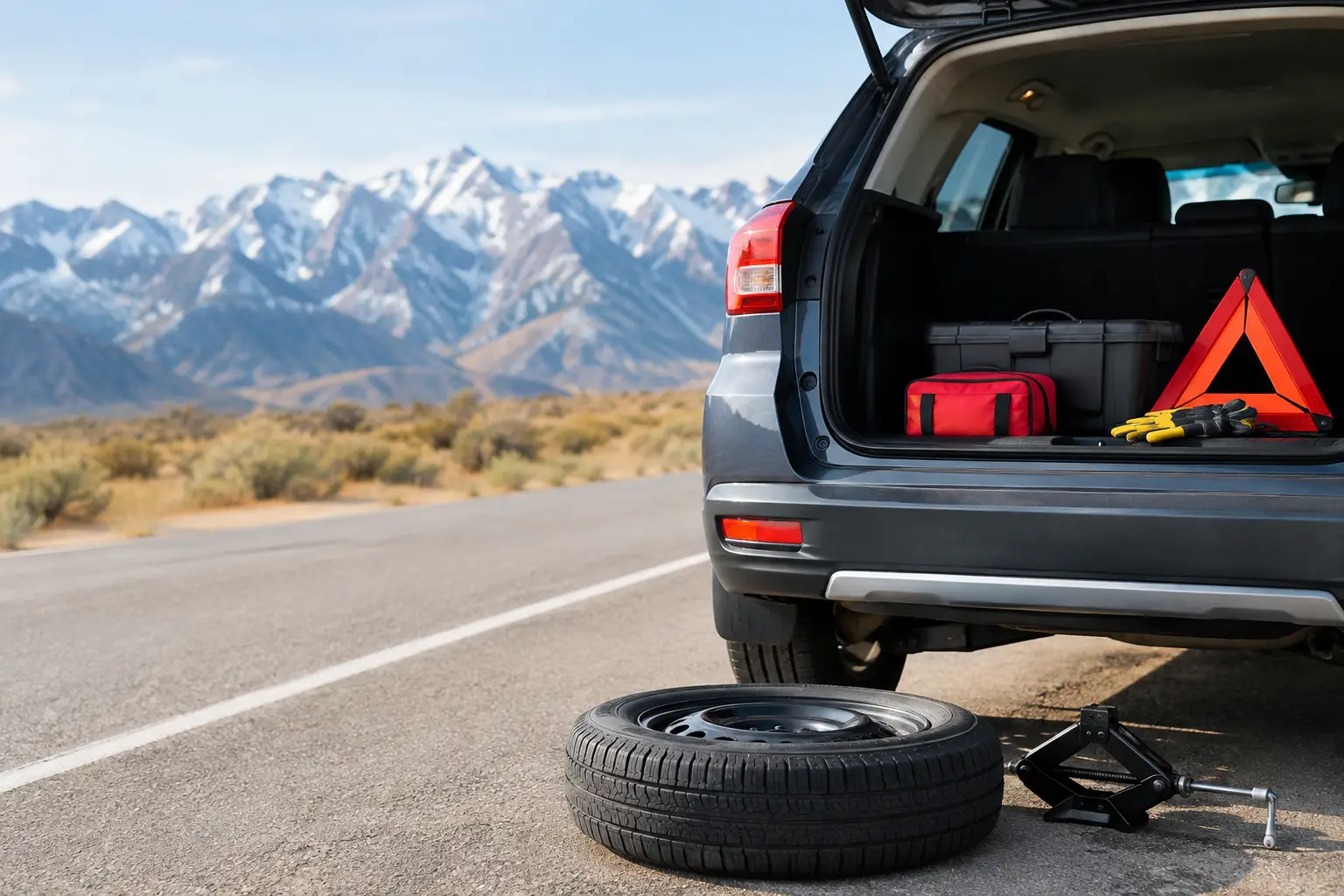
Roadside emergency essentials help Utah drivers stay safer during breakdowns, flat tires, lockouts, and winter trouble. Build a car kit that works well.
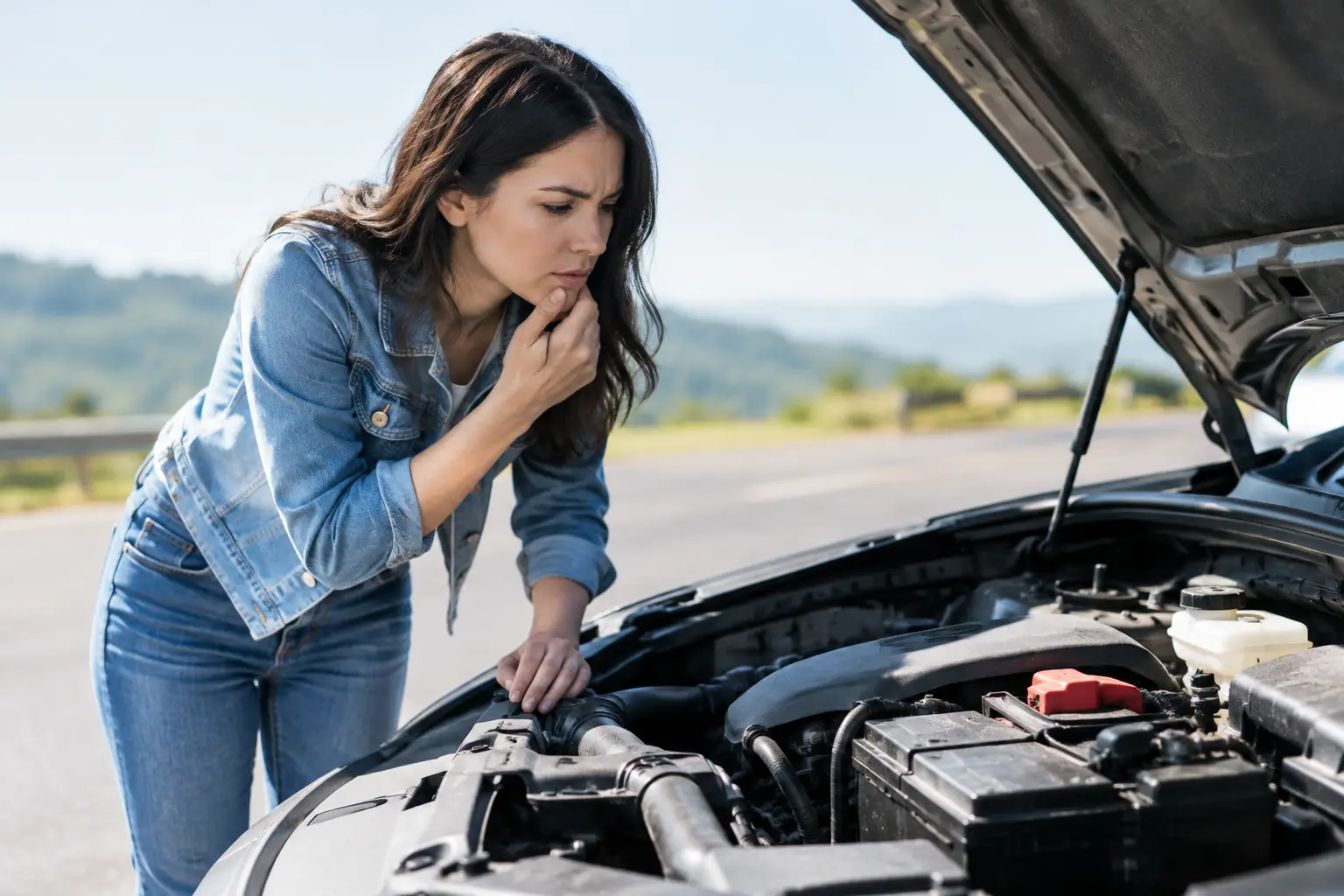
Learn how to identify battery failure before a no-start turns into a roadside problem. Spot warning signs, test safely, and know when to call for help.
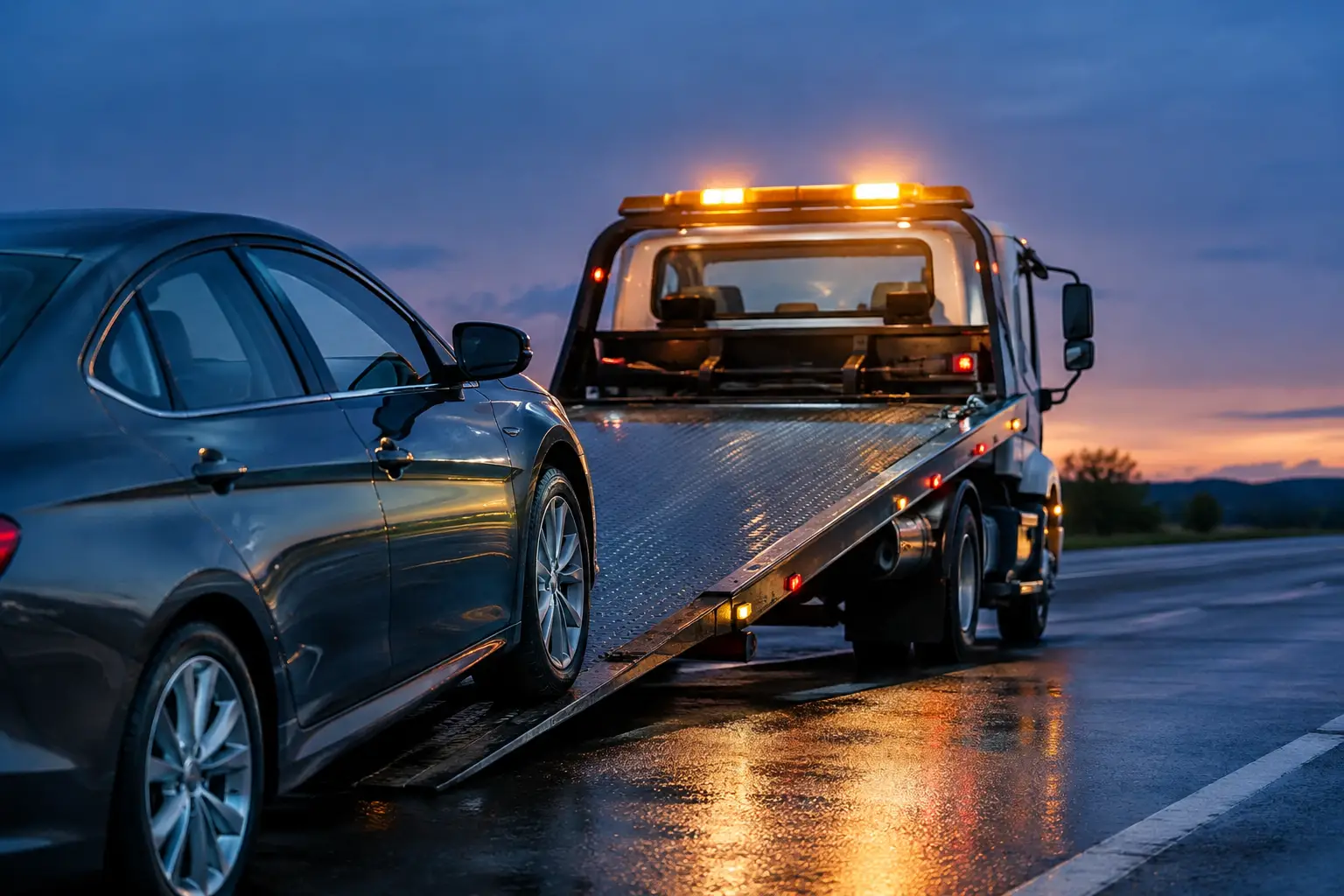
Need overnight tow truck availability in Salt Lake Valley? Get fast, affordable help for breakdowns, lockouts, dead batteries, accidents, and more tonight.