
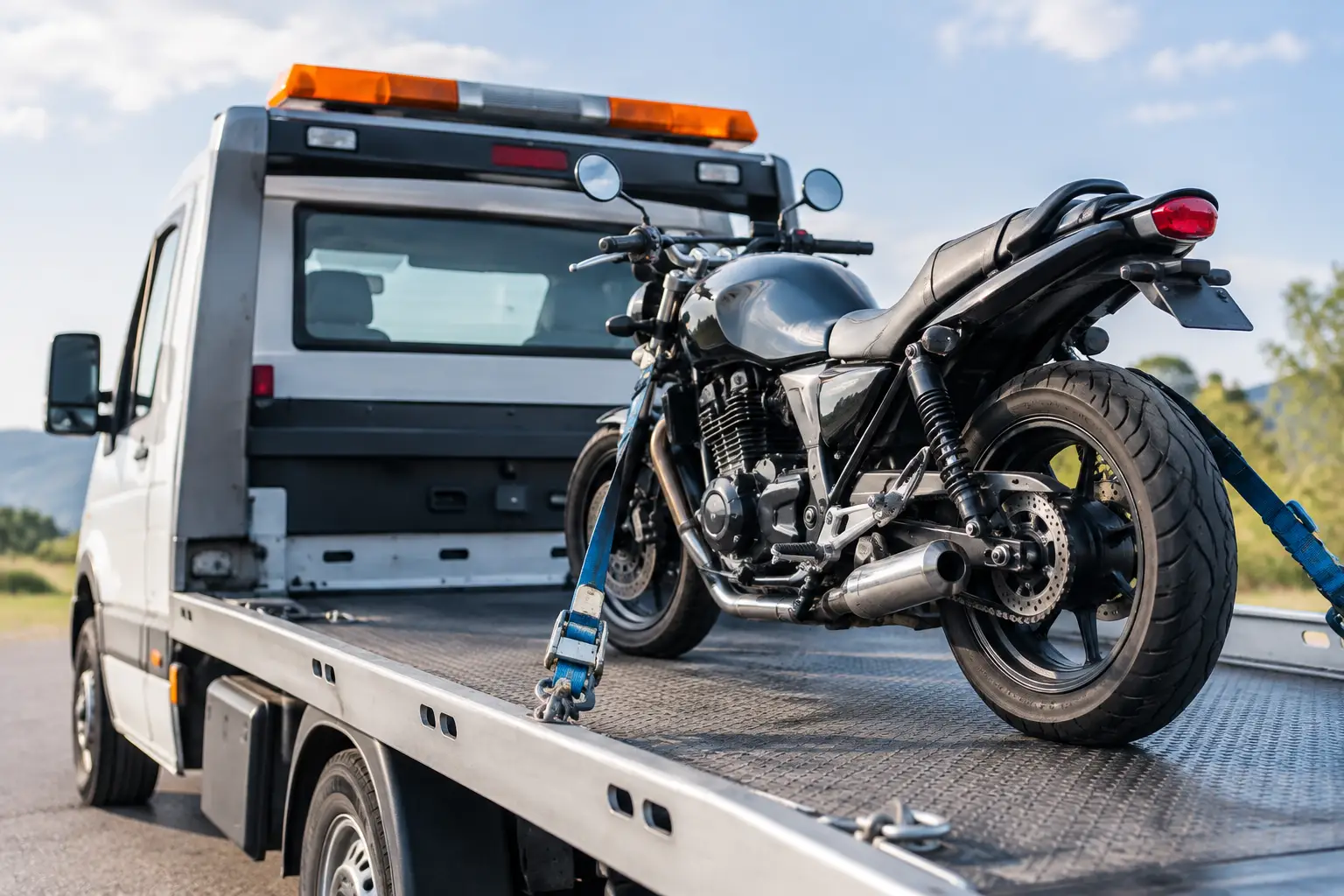
A dead motorcycle on the shoulder of I-15, a bike that will not start outside work, or a crash on a canyon road can turn a normal day into a problem fast. Can tow trucks move motorcycles? Yes – but the truck, loading method, and tie-down process matter a lot. A motorcycle is not a small car. It needs the right equipment and careful handling from the moment it is loaded until it reaches the shop, home, or another safe destination.
For most bikes, a flatbed tow truck is the smart move. It keeps both wheels off the pavement, avoids unnecessary mileage, and gives the operator room to secure the motorcycle correctly. If you are stuck anywhere in Salt Lake Valley, ask for motorcycle-capable flatbed towing instead of assuming every tow setup is the same.
Can Tow Trucks Move Motorcycles Without Damage?
They can, when the operator uses a proper motorcycle transport setup. The goal is simple: keep the bike upright, stable, and protected from straps, sharp edges, road debris, and shifting during transit.
Flatbed towing is usually the safest choice for cruisers, sport bikes, touring motorcycles, dirt bikes, scooters, and many electric motorcycles. The bed tilts down to create a ramp, allowing the bike to be rolled or carefully loaded onto the truck. Once it is centered on the bed, the operator secures it with appropriate tie-downs at stable points on the bike.
A wheel-lift truck may be able to move a motorcycle in certain situations, but it is not automatically the best option. Towing a bike by one wheel can create stability issues, put wear on the tire and drivetrain, or risk damage if the setup is not designed specifically for motorcycles. A motorcycle dolly or specialized carrier can sometimes work, especially for short moves, but a flatbed generally provides more control and protection.
The answer also depends on the condition of the bike. A motorcycle with crash damage, a locked wheel, a bent fork, a flat tire, or loose parts may need extra care during loading. In those cases, the safest plan is usually a flatbed and a driver who knows how to secure a damaged bike without making a bad day worse.
Why Flatbed Motorcycle Towing Is Usually Best
Flatbed towing is not about making the job look fancy. It is about reducing risk. When a motorcycle rides on a flatbed, it is off the road and less exposed to bumps, turns, and roadside hazards than it would be with a less suitable towing method.
A properly loaded motorcycle should be positioned upright, often with the front wheel held securely and the bike balanced on the bed. Soft loops or protected tie-down points help prevent metal hooks from rubbing directly against painted surfaces, handlebars, brake lines, or sensitive components. Straps are tightened evenly to keep the motorcycle from leaning or bouncing, without cranking the suspension down harder than necessary.
This matters even more for motorcycles with expensive fairings, custom paint, carbon fiber parts, low exhaust systems, saddlebags, or aftermarket handlebars. A cheap-looking strap job can turn a no-start situation into a repair bill. The lowest towing quote is not a bargain if your bike arrives with scratched paint, bent controls, or a damaged front end.
Flatbeds also make sense for longer local transport. If you are moving a bike from Kearns to a repair shop in Salt Lake City, picking up a purchase from West Jordan, or taking a non-running motorcycle home after storage, keeping it fully loaded is the cleanest option.
How a Motorcycle Should Be Secured on a Tow Truck
You do not need to stand on the roadside and supervise every strap, but you should know what careful loading looks like. A professional operator will inspect the motorcycle before moving it, identify safe tie-down points, and make sure it will not roll, tip, or rub against the truck bed.
The front wheel is commonly placed in a wheel chock or positioned firmly at the front of the bed. Tie-downs are then attached using soft straps around strong areas near the front suspension or frame, depending on the motorcycle design. Additional straps may stabilize the rear. The bike should remain upright rather than leaning hard on its kickstand during transport.
A careful operator also watches for the details that are easy to miss under pressure. That includes checking whether the steering is locked, whether the bike is in neutral, whether the tires are flat, and whether loose luggage, helmets, or parts need to be removed or secured separately. If the keys are unavailable, the wheel is locked, or the bike has been in an accident, say so when you request service. That information helps the dispatcher send the right equipment.
Do not let anyone strap directly over delicate bodywork or use a single loose strap and call it good. A motorcycle can shift quickly when a truck brakes, turns, or travels over rough pavement. Good towing is careful before the truck ever pulls away.
What to Tell the Tow Company When You Call
A fast call goes smoother when the dispatcher has the facts. You do not need to know motorcycle mechanics. Just describe what you see and where the bike is.
Be ready to provide the motorcycle’s make and model, its exact location, and its current condition. Mention if it is in a garage, parking structure, driveway, narrow roadside area, or off-road location. Let them know if the bike rolls freely, has a flat tire, is missing a wheel, has crash damage, or is locked. Also mention any special features such as a trike conversion, oversized saddlebags, a very low frame, or a sidecar.
If you have a destination in mind, give that too. Some riders want the motorcycle taken straight to a dealership or repair shop. Others prefer it delivered home so they can decide what to do next. Either way, clear details help avoid delays and help the tow operator arrive prepared.
When Not to Ride It Home
Some motorcycle problems feel minor until they become dangerous. A dead battery might only need a jump, but repeated battery failure could leave you stranded again a few miles later. A flat tire, leaking fuel, damaged chain, loose handlebars, overheated engine, broken clutch cable, or brake issue is not something to gamble with in traffic.
After a crash, even a motorcycle that starts may not be safe to ride. Bent forks, cracked wheels, hidden fluid leaks, damaged controls, or a misaligned front end can show up after the adrenaline wears off. Put the bike on a flatbed and get it inspected. Missing one shift or delaying one errand costs less than another accident.
Weather can change the decision too. Utah rain, snow, black ice, and high winds make a marginal bike problem much riskier. If you are stuck after dark or on a busy road, get yourself somewhere safe, move away from traffic if possible, and request a tow rather than trying to force a repair on the shoulder.
Motorcycle Towing for More Than Breakdowns
Tow trucks move motorcycles for plenty of reasons besides emergencies. Maybe you bought a used bike that is not registered yet. Maybe your project bike has sat for years and will not run. Maybe you need to transport a dirt bike, scooter, or motorcycle to a mechanic without borrowing a trailer and figuring out tie-downs yourself.
This is where local towing can save time. You get a truck built to carry vehicles, an operator who handles loading, and a direct trip to your chosen destination. Munnster Towing provides practical flatbed transport for riders who need a bike moved safely without the trailer hassle or overpriced runaround.
Get the Right Tow Before a Small Problem Gets Bigger
When your motorcycle will not start, will not roll, or does not feel safe to ride, do not let urgency push you into the wrong towing method. Ask for a flatbed, describe the bike’s condition clearly, and make sure the operator has a plan to secure it correctly.
A careful tow gets your motorcycle where it needs to go without adding damage to an already stressful situation. Get off the roadside, get the bike loaded right, and give yourself one less problem to deal with.
continue reading
Related Posts
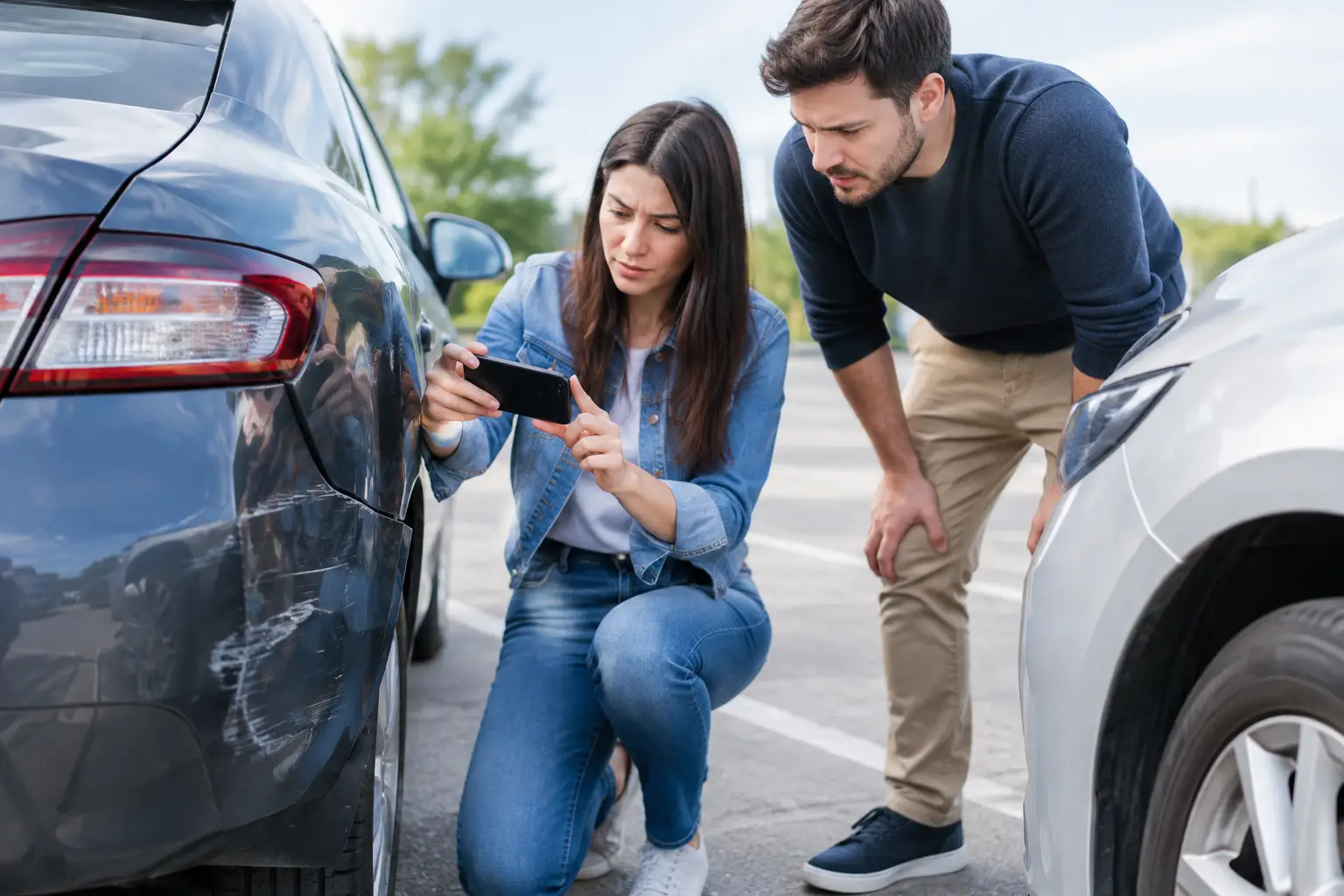
Learn best practices after parking accidents, from protecting people and documenting damage to handling reports, insurance, and a safe tow in Utah today.
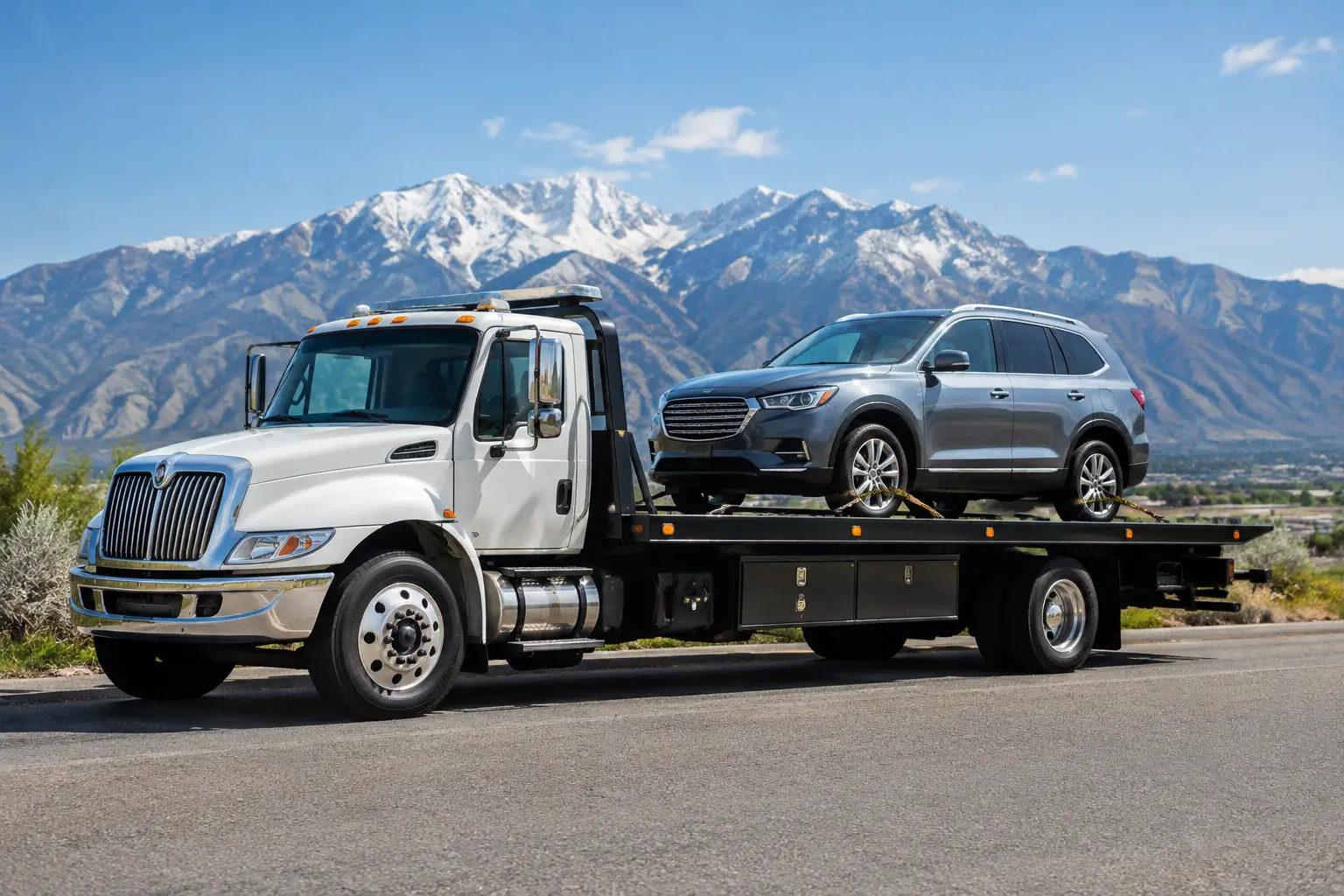
Need a tow in Salt Lake Valley? This flatbed towing comparison explains flatbeds, wheel-lift towing, costs, and the safest choice for your own vehicle.
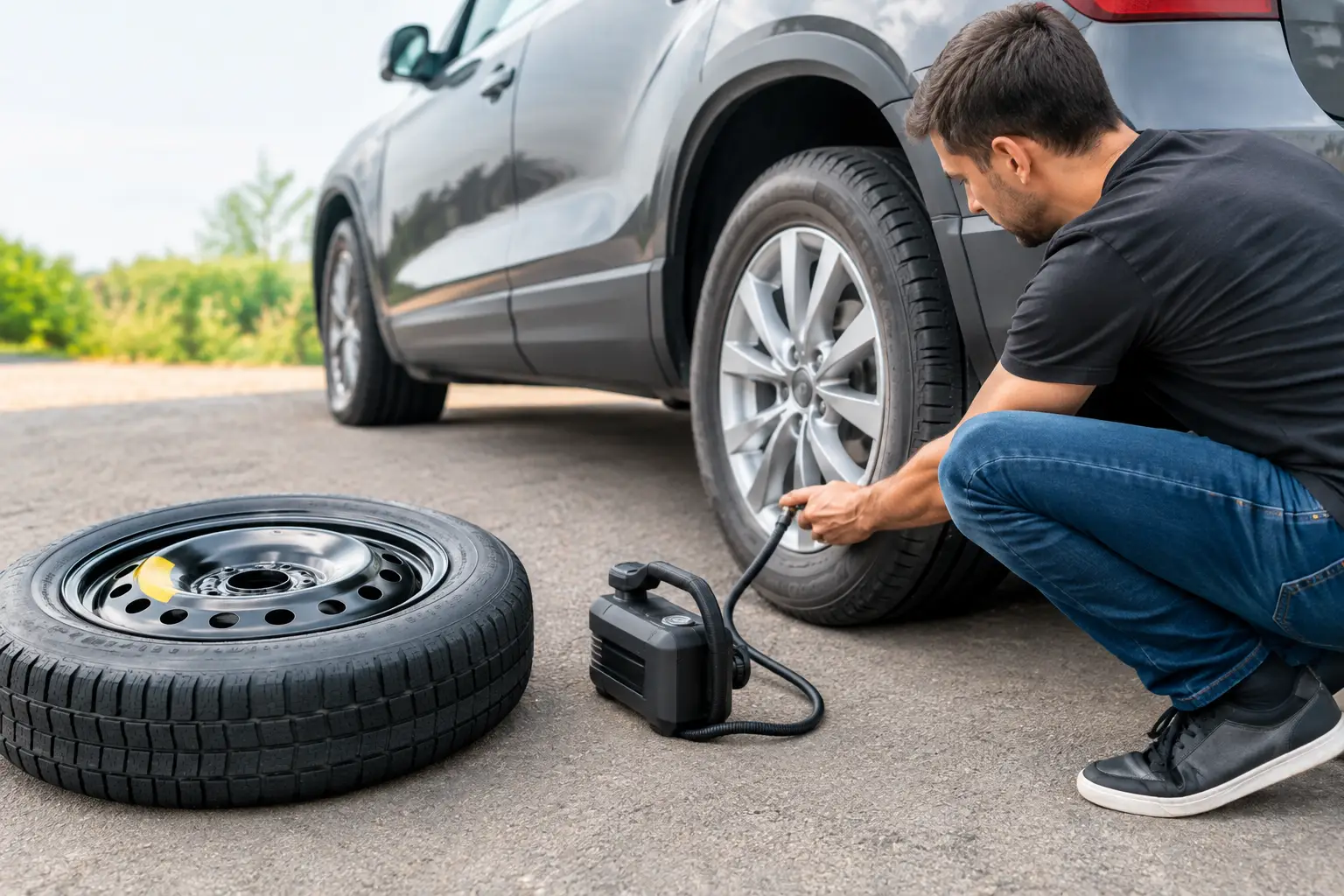
Learn how to inflate a spare tire safely, find the right PSI, and get fast roadside help in Salt Lake Valley when a low spare leaves you stuck on a busy road.