
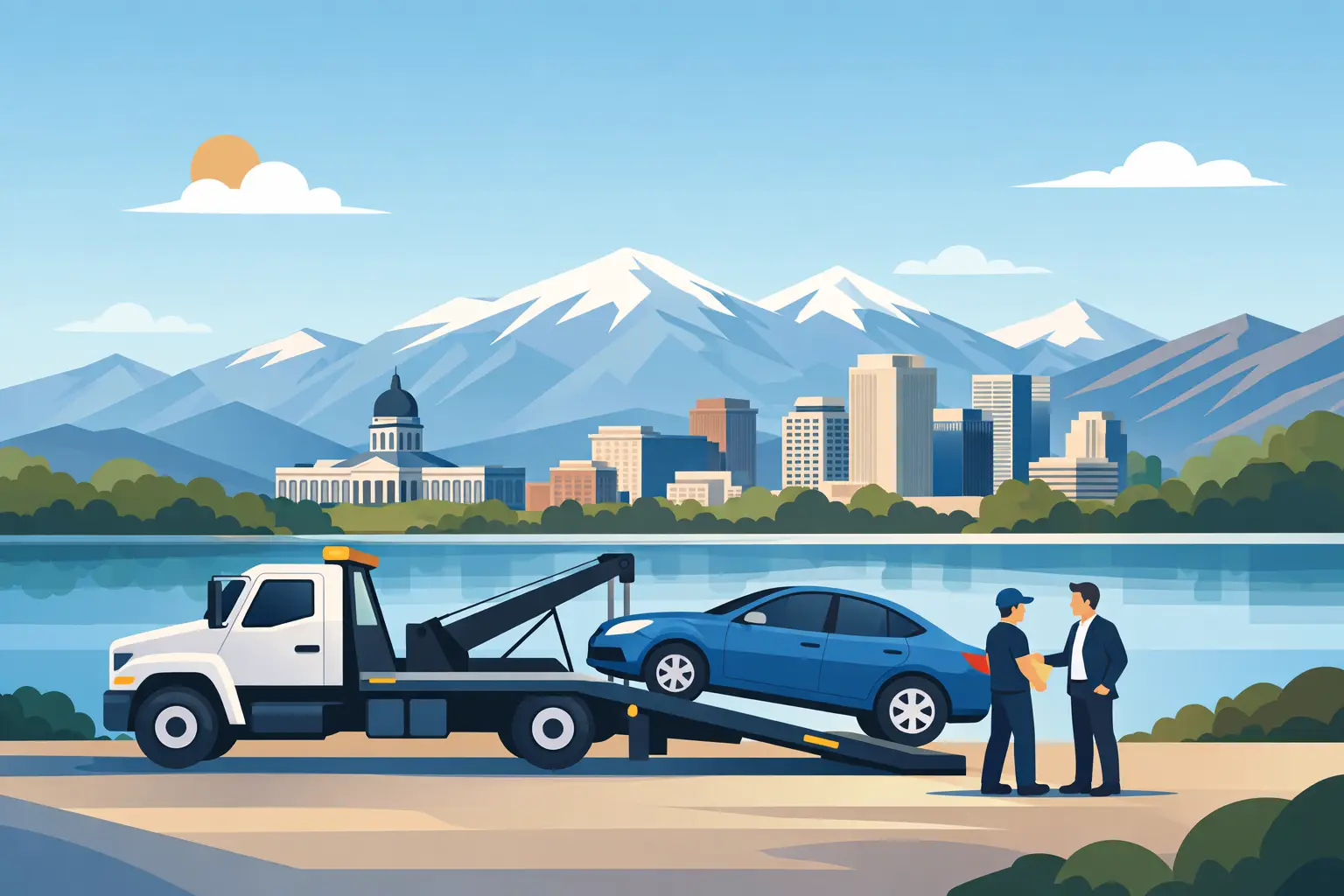
A breakdown is stressful enough without wondering whether the tow bill will be a surprise. Fair towing rates should be clear, based on the work your vehicle actually needs, and explained before the truck is dispatched whenever possible. Whether you are stuck on I-15, parked at work with a dead battery, or dealing with an accident after dark, knowing what affects the price helps you make a faster, smarter call.
What Towing Rates Usually Include
Most towing jobs begin with a base service or hookup charge. This covers sending a truck, loading your vehicle safely, and getting it ready to move. From there, the total often depends on mileage, vehicle type, location, and how complicated the recovery is.
For a standard passenger car that is easy to access, the bill is generally more straightforward. A short tow from a parking lot or neighborhood to a nearby repair shop takes less time, equipment, and fuel than moving a disabled SUV from the side of a busy freeway. That difference matters.
The best approach is simple: ask for the dispatch or hookup charge, the per-mile rate, and whether any additional fees could apply to your situation. A reputable local towing company should be able to explain the basics in plain language, not bury you in vague answers when you are already having a rough day.
The Main Factors That Change a Tow Price
Distance is one of the biggest drivers of towing cost. A tow across town is not priced the same as a vehicle that needs to go from Salt Lake City to a shop several cities away. Before calling, decide where you want the vehicle taken. If your preferred repair shop is farther away, compare that added mileage against using a closer trusted shop.
Vehicle size also affects the job. Compact cars and most sedans are typically easier to tow than full-size trucks, large vans, heavy SUVs, or vehicles carrying extra weight. Heavier vehicles may require more capable equipment and more careful loading, especially if they are all-wheel drive, lowered, or have damage that prevents normal movement.
The condition of the vehicle matters just as much. A car with four inflated tires that rolls freely is very different from a vehicle with a broken wheel, locked steering, flat tires, or severe collision damage. If the vehicle cannot roll, technicians may need dollies, winching, or specialized recovery steps to get it loaded without causing more damage.
Location can add complexity too. A vehicle sitting safely in a wide parking lot is a faster job than one stranded on a narrow shoulder during rush hour, down an embankment, stuck in snow, or wedged off-road. Recovery work is not just a tow with a longer cable. It requires planning, proper equipment, and extra attention to keep people and property safe.
Time of day may affect availability and pricing with some providers. Late-night, weekend, holiday, or severe-weather calls can involve higher demand. Still, 24/7 service should not mean you are left guessing. Ask what applies to your call before the truck heads your way.
A Fair Quote Starts With Clear Details
You can help get a more accurate estimate by giving the dispatcher a few useful facts. Share your exact location, the make and model of the vehicle, where it needs to go, and whether it is drivable or damaged. Mention anything unusual, such as a flat tire, a car stuck in a garage, keys locked inside, or a vehicle that slid into a ditch.
Do not guess if you are unsure. Say what you can see. For example, tell the dispatcher that the front wheel is bent, the car will not shift into neutral, or the vehicle is partially blocking traffic. Those details help send the right truck the first time. The right equipment can prevent delays, extra handling, and unnecessary cost.
A clear quote does not always mean one fixed number down to the dollar. Some situations cannot be fully assessed until a technician arrives, especially accident recovery or off-road calls. What you should expect is transparency: a clear explanation of the starting price, likely mileage charges, and the circumstances that could add to the total.
When You May Not Need a Tow at All
Not every vehicle problem needs a flatbed or tow truck. If the issue can be safely handled where you are, roadside assistance is often the faster and more affordable option.
A dead battery may only need a jumpstart. A flat tire may be solved with a tire change if you have a usable spare. Running out of gas calls for fuel delivery, and a lockout may be handled without damaging your door, window, or locks. Choosing the right service keeps the bill focused on the actual problem instead of paying for a tow you did not need.
That said, do not force a vehicle to keep moving just to avoid towing costs. If the engine is overheating, warning lights are flashing, a tire has come apart, the steering feels wrong, or the vehicle has been in a collision, pulling over and calling for help is usually the cheaper decision in the long run. Driving a damaged vehicle can turn a manageable repair into a major one.
How to Avoid Unpleasant Towing Charges
The easiest way to avoid confusion is to ask questions before service begins. Confirm the destination, make sure the address is correct, and ask whether the quoted rate includes the type of service you need. If a tow turns into a recovery because the vehicle is stuck or cannot be safely loaded, request an explanation before additional work starts when the situation allows.
It also helps to check your insurance policy, roadside membership, credit card benefits, or vehicle warranty before an emergency happens. Some plans reimburse towing or provide limited roadside coverage. Keep the information in your phone, along with the contact details for a local provider you trust. When you are stranded in bad weather or on a dark road, that preparation saves time.
Be cautious of prices that sound unrealistically low but come with no details. A rock-bottom advertised number may only cover a minimal hookup charge, not mileage, after-hours dispatch, equipment, or the actual service your vehicle requires. Affordable matters, but clear pricing matters more than a teaser rate that changes when the truck arrives.
Why the Cheapest Tow Is Not Always the Best Value
Price should be reasonable, but a tow is also about protecting your vehicle. Improper towing can damage bumpers, drivetrain components, tires, and suspension parts. This is especially true for all-wheel-drive vehicles, electric vehicles, luxury cars, lowered cars, and vehicles damaged in an accident.
A qualified operator evaluates how to load and secure the vehicle before moving it. That may take a few extra minutes, but careful work is worth it. The goal is not simply to get your car from point A to point B. The goal is to get it there without adding another repair to your list.
For drivers across Salt Lake Valley, Munnster Towing focuses on fast dispatch, practical roadside help, and affordable service without cutting corners on safe towing and recovery. If you need assistance, provide the details up front and ask for the clearest available estimate.
What to Do While You Wait for the Tow Truck
If you are on the roadside, get yourself to a safer spot if you can do so without risk. Turn on hazard lights, stay clear of traffic, and avoid standing between your vehicle and the roadway. At night or during poor weather, visibility is a major concern. If the vehicle is unsafe to remain in, move away from traffic and follow instructions from emergency responders.
Remove valuables, medications, work equipment, and anything you will need before the vehicle is loaded. If you are leaving the car at a repair shop after hours, confirm where it should be parked and where to leave the keys. A quick photo of the vehicle’s condition can also give you peace of mind after an accident or roadside breakdown.
When a tow is necessary, the right question is not just, “How cheap can this be?” Ask what service your vehicle needs, where it needs to go, and whether the price has been explained clearly. A fast answer, a fair rate, and careful handling can turn a bad roadside moment into a problem that is already on its way to being fixed.
continue reading
Related Posts
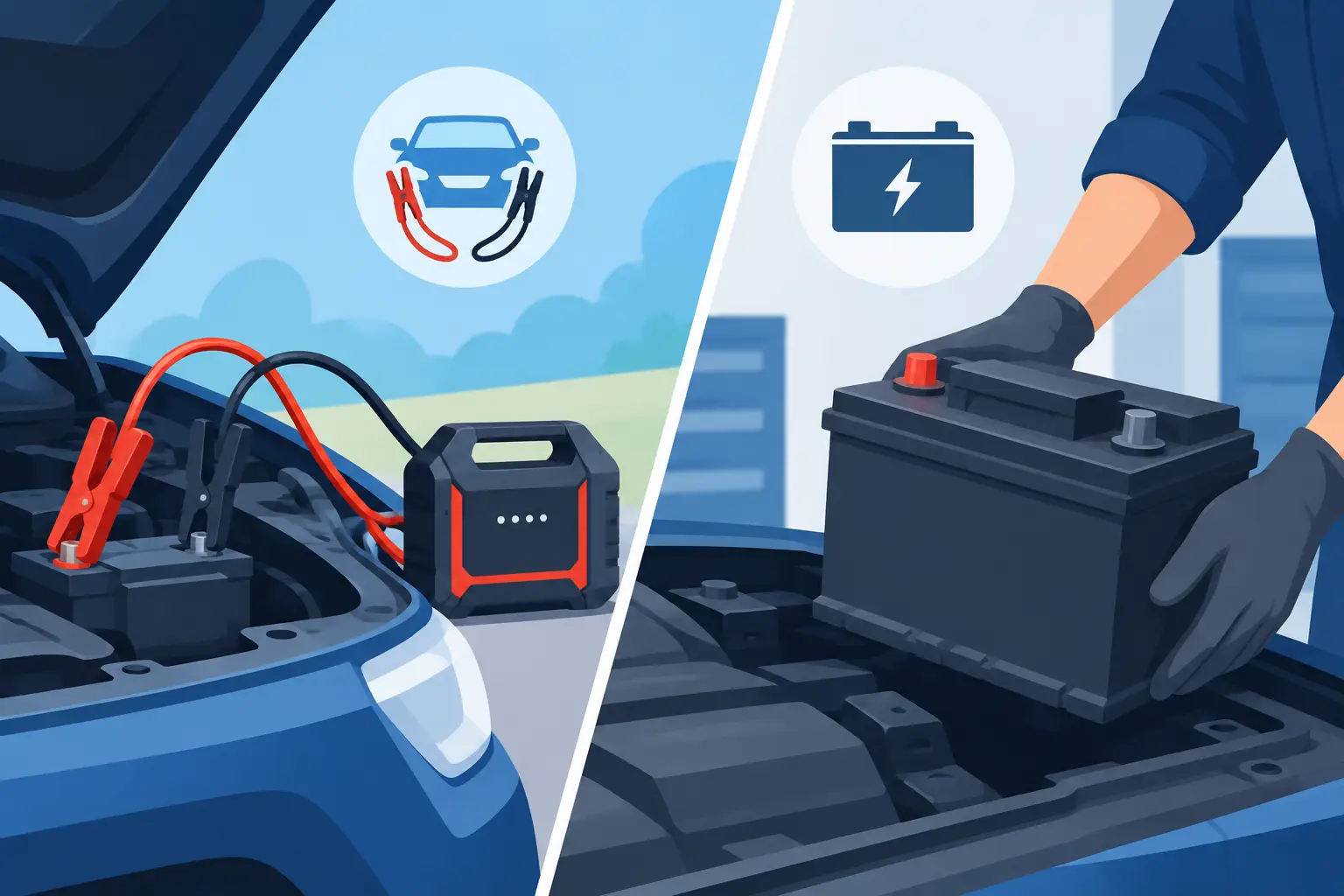
Dead battery? Compare jumpstart versus battery replacement, spot failure signs, and know when to call for quick, affordable roadside help in Utah today.
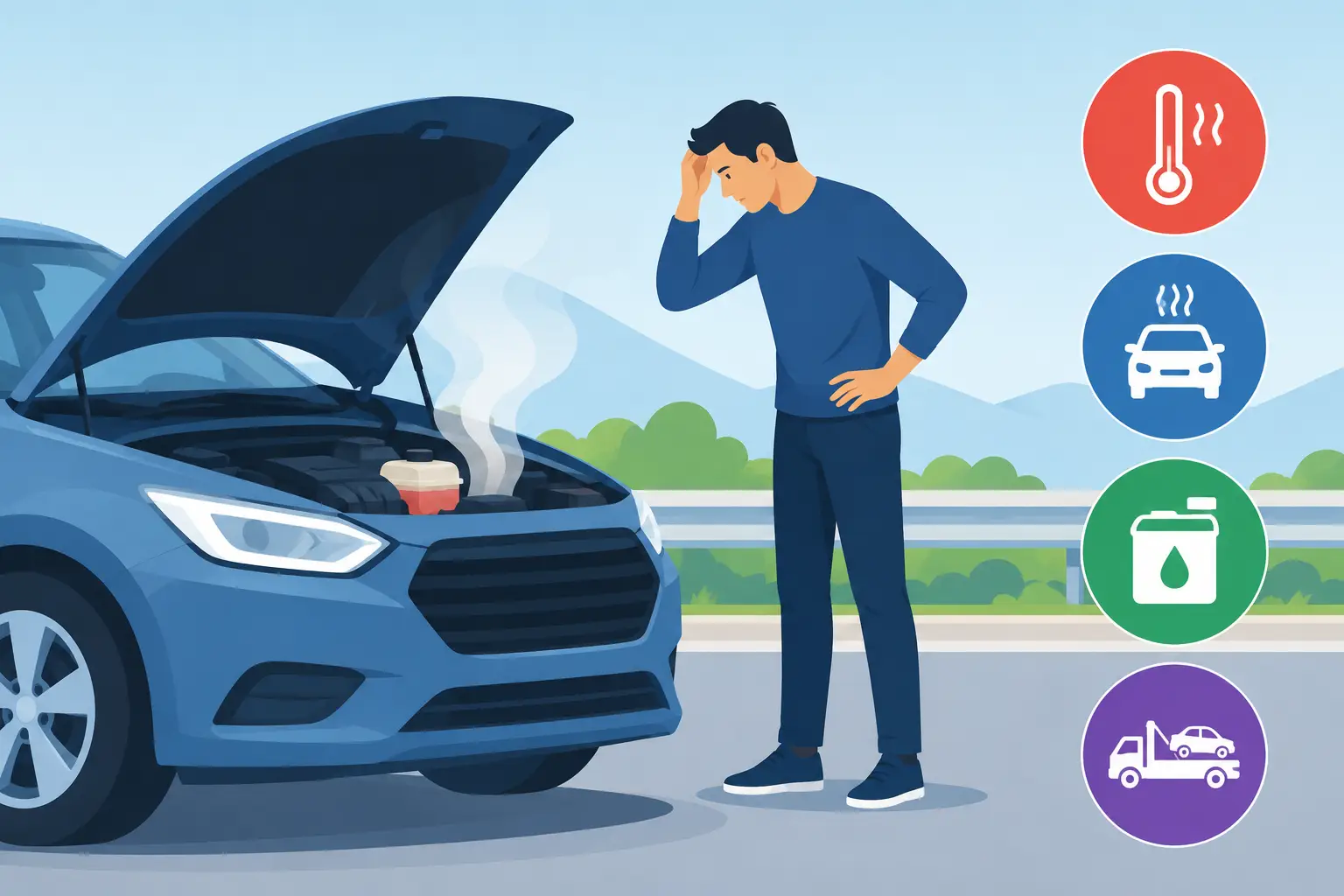
Car overheating can turn a normal drive into engine damage fast. Learn what to do safely, what not to do, and when to call for a tow in Salt Lake Valley.
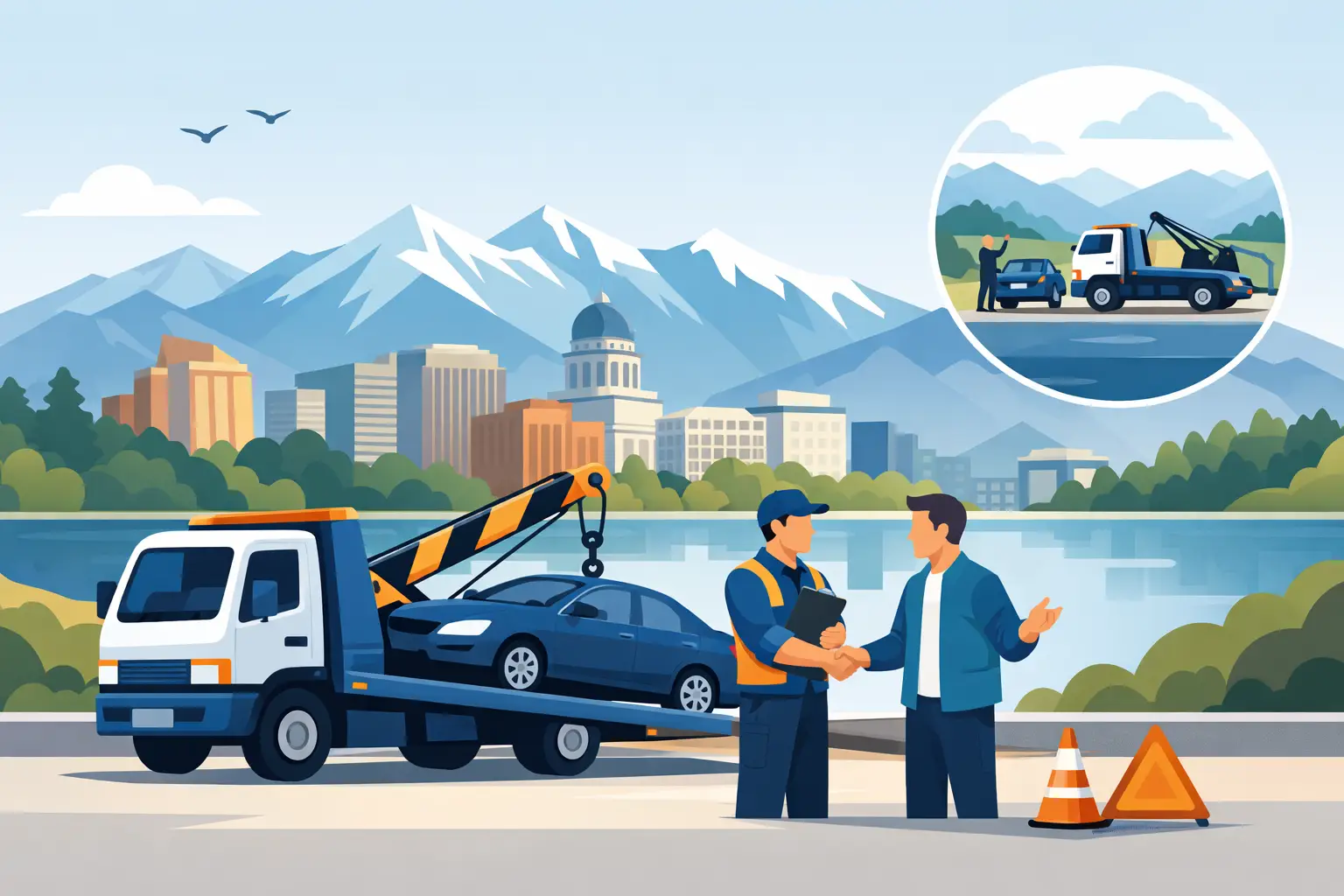
This Salt Lake towing case study shows how fast, affordable 24/7 roadside help gets a stranded commuter safely moving again without extra stress today.