
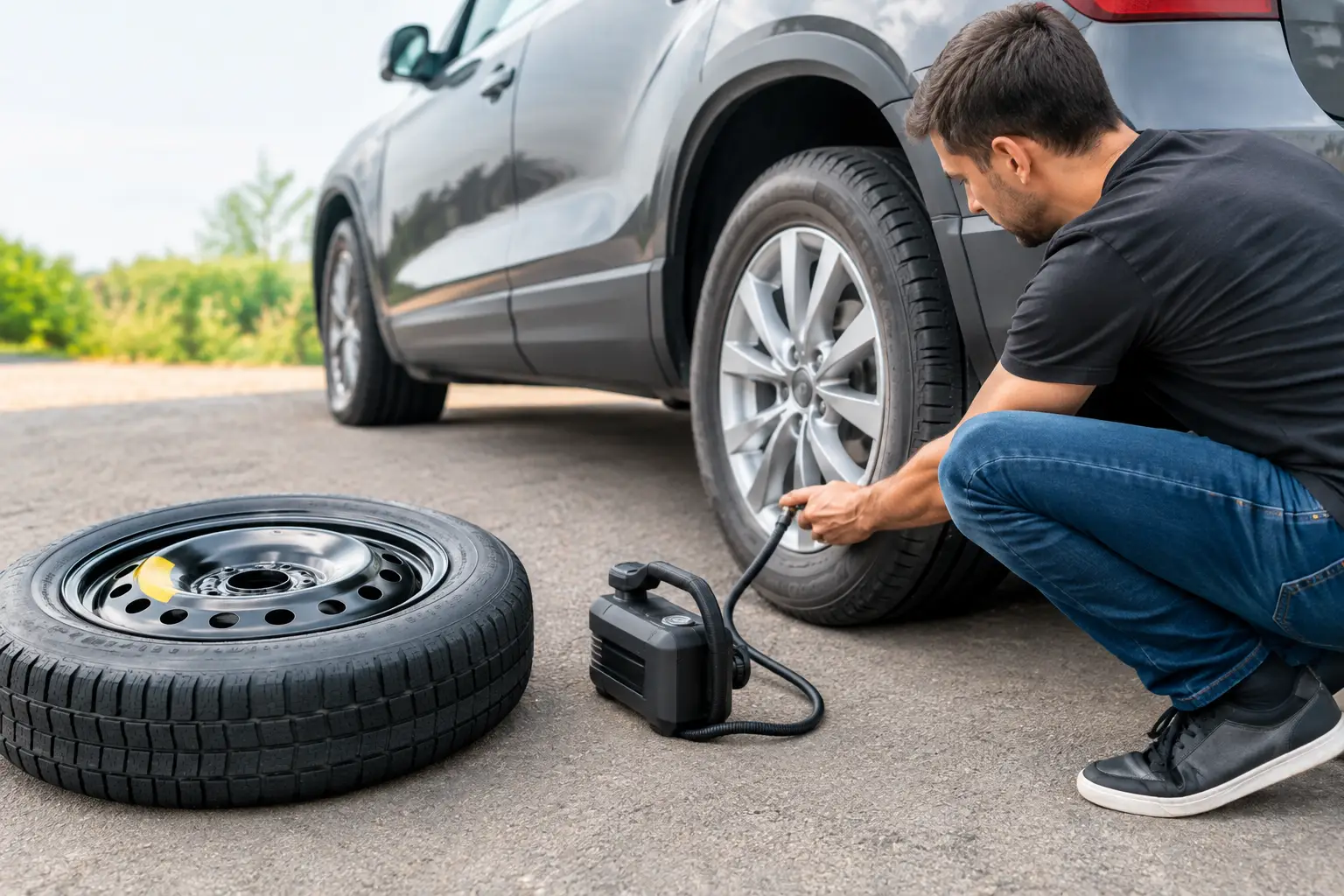
A spare tire only helps if it has air in it. That sounds obvious, but plenty of drivers find out their spare is flat right after getting a flat on I-15, a dark neighborhood street, or the grocery store parking lot. Knowing how to inflate spare tire before that moment can save you time, money, and a long wait on the shoulder.
The good news is that checking and filling a spare is usually simple. The catch is that spare tires often need much more air pressure than your regular tires, and not every spare is meant to be driven the same way. Take a few minutes to check yours now. It is a lot easier than wrestling with a tire iron during a Utah snowstorm.
Find the Correct PSI Before You Add Air
Do not guess at tire pressure. Your spare’s correct PSI is printed on the tire’s sidewall, usually near the rim. A compact temporary spare, often called a donut, commonly requires 60 PSI. That is much higher than the 30 to 40 PSI many passenger-car tires use.
A full-size spare may use the same pressure as the four tires currently on your vehicle, but confirm it on the tire itself or on the tire information label inside the driver’s door jamb. The door-jamb label is useful for your regular tires, but the spare’s sidewall is the final word when the numbers differ.
Check pressure when the tire is cool whenever possible. Pressure rises after driving, so a reading taken after a long trip can be misleading. If you are topping off a spare at a gas station after driving, add air carefully and check it again once the tire has cooled.
What You Need to Inflate a Spare Tire
You do not need a garage full of tools. A basic tire pressure gauge and an air source will handle most jobs. A pencil-style gauge works, though a digital gauge is generally easier to read. For air, you can use a home compressor, a portable inflator that plugs into your vehicle’s 12-volt outlet, or a gas-station air pump.
A portable inflator is a smart item to keep in the trunk, especially for drivers who commute across Salt Lake Valley. Gas-station pumps are convenient, but they can be out of service, require payment, or be unavailable when you need one most. If you use a public air pump, keep an eye on the gauge rather than trusting the machine to stop at the right pressure.
If your spare is stored under the vehicle, in a trunk compartment, or under the cargo floor, have the tools needed to access it nearby. On some SUVs and pickups, lowering the spare requires a crank tool that is stored with the jack. Make sure that tool is there before an emergency proves otherwise.
How to Inflate a Spare Tire Step by Step
Start by parking on level ground and setting the parking brake. You do not need to remove the spare from the vehicle to check it if the valve stem is easy to reach. If it is mounted underneath and the valve is inaccessible, lower the tire according to your owner’s manual.
Remove the small valve cap by turning it counterclockwise. Put it somewhere you will not lose it. The cap is not what holds the air in, but it helps keep dirt and moisture out of the valve stem.
Press your tire gauge firmly onto the valve stem. You may hear a quick hiss while you seat it. A steady hiss means the gauge is not sealed correctly, so reposition it and try again. Read the pressure, then compare it with the PSI printed on the spare.
Attach the air hose or inflator chuck squarely to the valve stem. Add air in short bursts, especially when using a powerful compressor. Stop every few seconds to check the pressure. A compact spare can take a while to reach 60 PSI if it is very low, so do not assume a few seconds of air is enough.
If you add too much air, press the small pin inside the valve stem briefly with the back of the gauge or the tip provided on many gauge tools. Release a little air, then test again. Once the pressure matches the specified PSI, remove the hose, recheck with your own gauge, and screw the valve cap back on.
Check for Leaks and Tire Damage
A spare that loses pressure quickly has a problem that air alone will not fix. Look for a nail, screw, deep sidewall crack, bulge, damaged valve stem, or dry rot. Dry rot can show up as cracking in the rubber, particularly on older tires that spend years untouched under a vehicle.
You can also listen for a hiss around the valve stem and tread. If you have soapy water available, apply a little to the valve and suspicious spots. Growing bubbles point to an air leak. Do not count on a leaking spare for an emergency, even if you can temporarily bring it up to pressure.
Age matters too. Check the tire’s date code on the sidewall. It is a four-digit number, with the first two digits showing the production week and the last two showing the year. A spare with good-looking tread can still be too old or deteriorated to trust. If you are unsure, have a tire professional inspect it and replace it if needed.
A Donut Spare Has Limits
Inflating the spare correctly does not turn it into a normal tire. Compact temporary spares are designed to get you off the road and to a tire shop, not to handle your regular commute for weeks. Most are limited to 50 mph, but always follow the speed and distance limits printed on the tire or listed in your vehicle manual.
Avoid hard braking, sharp cornering, heavy loads, and long highway runs on a donut. It has less tread, less traction, and different handling than a full-size tire. On all-wheel-drive vehicles, a temporary spare can also affect the drivetrain because of its different size. That does not automatically mean you cannot use it, but it does mean you should follow the vehicle manufacturer’s directions and get the damaged tire handled promptly.
Never drive on a tire that is completely flat just to reach an air pump. Driving even a short distance on a flat can destroy the tire and damage the wheel. If the flat is on the vehicle and you cannot safely change it, roadside assistance is the safer move.
When to Check Your Spare
Check the spare at least twice a year and before any road trip. A simple habit works best: inspect it when you check your regular tire pressures at the start of winter and again before summer travel. Utah temperature swings can change tire pressure, and a spare tucked out of sight is easy to forget.
Also inspect it after buying a used vehicle, after tire service, or after someone has used the spare. Many drivers put the spare back in its storage spot after a repair without reinflating it. That leaves the next flat-tire emergency waiting with no real backup.
Keep the spare, jack, lug wrench, wheel-lock key if your vehicle uses one, and inflator together. A fully inflated spare is not much help if the jack is missing or the locking lug nuts cannot be removed.
When It Is Better to Call for Roadside Help
Inflating a spare is straightforward in a safe driveway. It is different when traffic is flying by, visibility is poor, the ground is uneven, or you are not sure the spare is usable. Do not risk getting hit by traffic or fighting a stuck spare alone just to save a few dollars.
If you are stranded in Kearns, West Valley City, Salt Lake City, or nearby communities with a flat tire, Munnster Towing can provide fast, affordable roadside assistance or a tow when the situation calls for it. A trained technician can help with a flat, get the spare installed, or move your vehicle safely when the spare is damaged, missing, or unsafe to use.
Your spare tire is emergency equipment, not a mystery hiding under the trunk floor. Give it air, check its condition, and make sure the tools are ready now – so a flat tire does not get the final say over your day.
continue reading
Related Posts
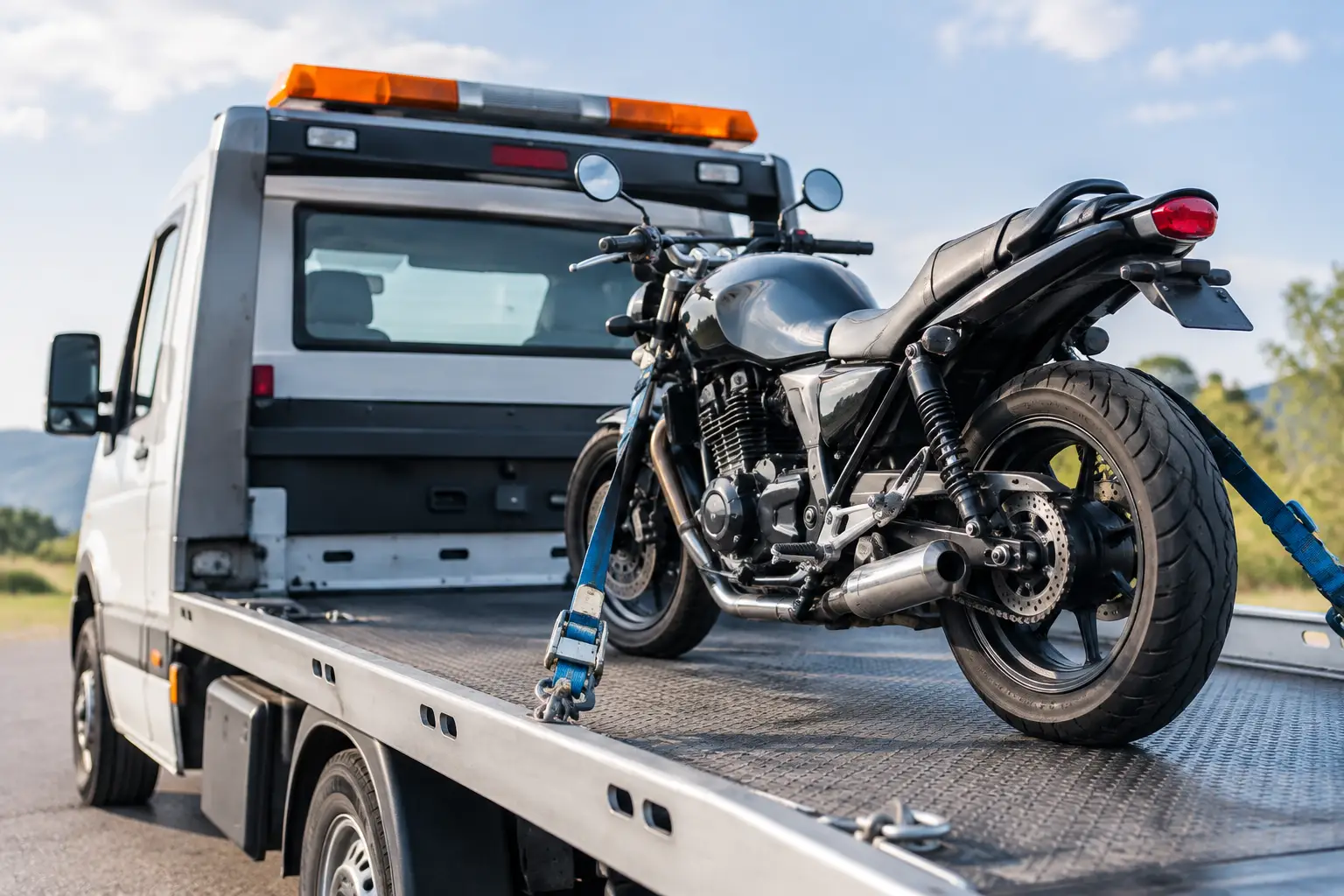
Can tow trucks move motorcycles safely? Learn when flatbed transport is best, how bikes are secured, and what to request when you need help fast nearby.

Learn best practices after parking accidents, from protecting people and documenting damage to handling reports, insurance, and a safe tow in Utah today.
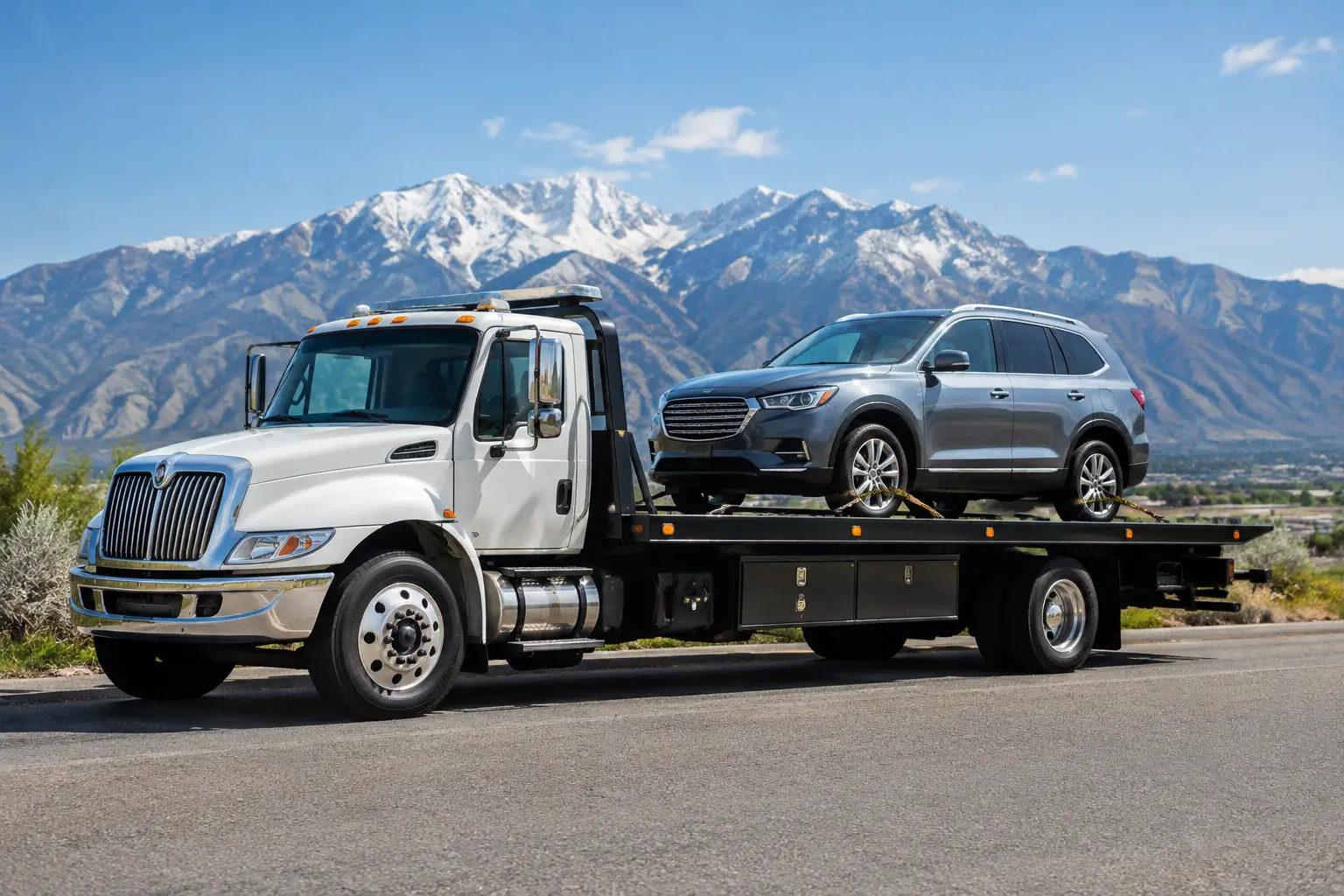
Need a tow in Salt Lake Valley? This flatbed towing comparison explains flatbeds, wheel-lift towing, costs, and the safest choice for your own vehicle.