
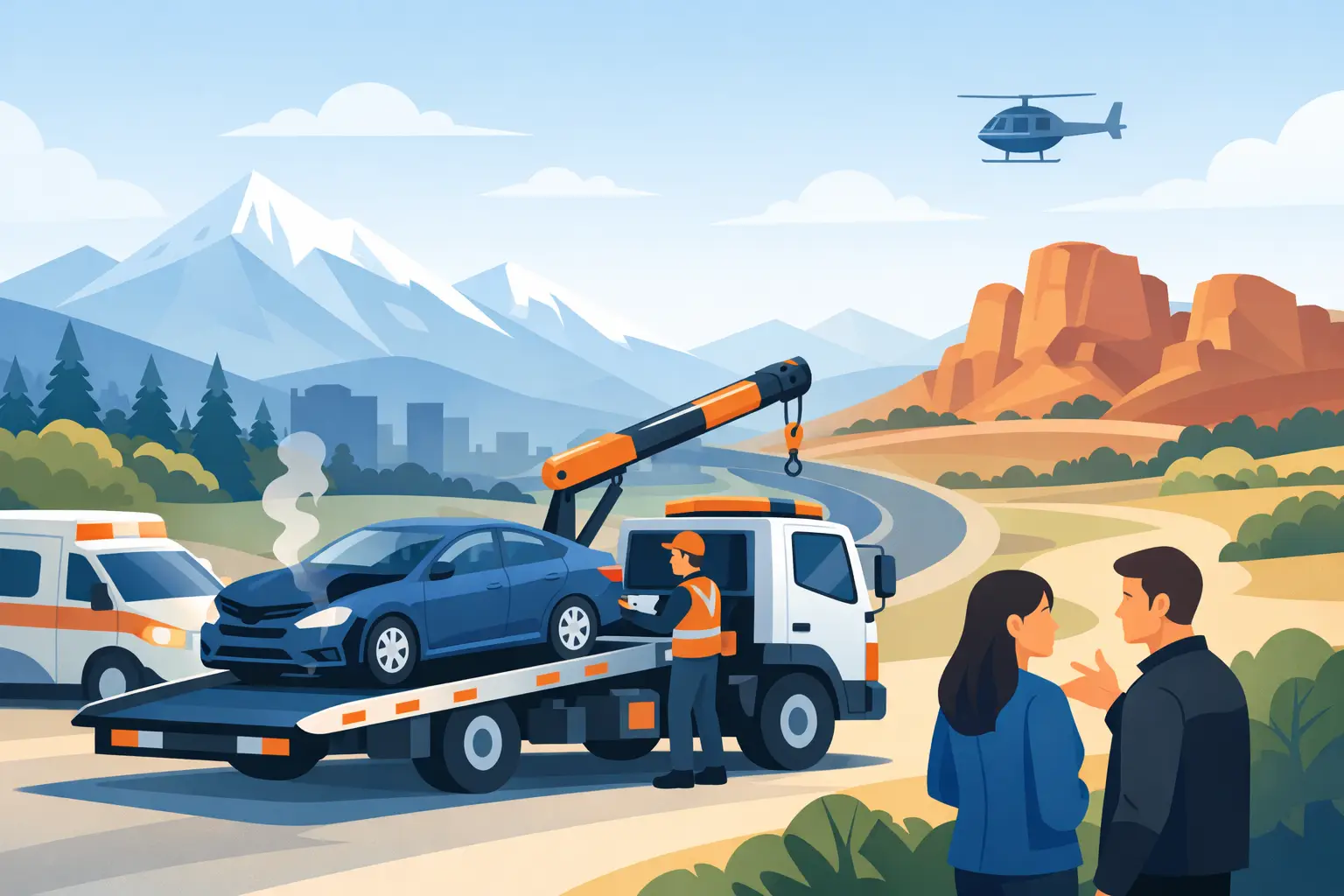
A crash can turn a normal commute into a blocked lane, a damaged vehicle, and a lot of unanswered questions fast. Accident recovery service explained simply means getting the vehicle safely out of the crash scene, protecting it from further damage, and moving it to the right destination without adding more stress to an already bad day.
For drivers across the Salt Lake Valley, recovery may be as simple as loading a car with bumper damage onto a flatbed. Or it may involve a vehicle in a ditch, a wheel knocked loose, leaking fluids, traffic control, or a tow requested by law enforcement. The right move depends on the scene, the condition of the vehicle, and whether it can be handled safely.
What Accident Recovery Actually Includes
Accident recovery is more than hooking up a vehicle and driving away. A trained operator first assesses where the vehicle is sitting, what is damaged, whether it can roll, and what equipment will move it without making the damage worse.
If your car is disabled in a travel lane, the priority is clearing the hazard safely. If it is off the road, on an embankment, against a barrier, or partially stuck, the job may require recovery straps, winching equipment, wheel lifts, dollies, or a flatbed. The goal is to stabilize the vehicle, recover it carefully, and transport it without dragging damaged parts across the pavement.
A proper recovery service can also help with practical details at the scene. That may include moving the vehicle to a body shop, a repair facility, your home, or an approved storage location. If police are managing the crash scene, their instructions and any active road closures come first.
First Things to Do After a Crash
Your safety matters more than the car. If anyone is injured, if there is a fire risk, or if the crash is blocking traffic in a dangerous way, call 911 first. Move yourself and passengers away from traffic when it is safe to do so. Do not stand between vehicles or try to inspect damage in an active lane.
Once the immediate danger is under control, take a breath and document what you can. Photos of the vehicles, road conditions, plates, and visible damage can help with an insurance claim. Exchange information with the other driver and follow directions from responding officers.
Then decide whether the vehicle is truly safe to drive. A car can look mostly fine but still have hidden trouble: a bent wheel, loose bumper, damaged steering, leaking fluid, deployed airbags, or a tire rubbing against the body. If there is any doubt, do not gamble on driving it. A fast tow is usually cheaper than turning a repairable vehicle into a much larger repair.
Accident Recovery Service Explained: Towing vs. Recovery
People often use “tow” and “recovery” as if they mean exactly the same thing. Sometimes they do. If a vehicle is sitting normally on level ground and cannot be driven, towing it to a shop is straightforward.
Recovery becomes necessary when the vehicle needs to be safely freed, repositioned, stabilized, or lifted before it can be towed. For example, a car that slid into a snowy ditch in Draper, ended up over a curb in a parking lot, or came to rest with suspension damage may need recovery work before transport begins.
This distinction matters because the equipment, time, and risk can change. A standard tow may be quick. A difficult recovery can take longer and may require extra rigging or a larger truck. That is not about making the job complicated. It is about getting your vehicle out without causing unnecessary additional damage.
Why Flatbed Towing Is Often the Best Choice
After a collision, flatbed towing is commonly the safest option because all four wheels can be loaded off the road. This reduces the chance of putting pressure on damaged tires, wheels, axles, drivetrain components, or steering parts.
A wheel-lift tow can be appropriate in certain situations, especially when access is tight or the vehicle needs to be moved a short distance to a safer loading area. But a good operator will assess the damage before choosing the method. The cheapest-looking option is not always the best value if it risks harming the vehicle further.
Where Should Your Vehicle Go?
You usually have options, unless law enforcement or the property owner requires the vehicle to be moved to a specific location. You may choose a collision repair shop, your trusted mechanic, your home, or a storage yard if the vehicle cannot be accepted elsewhere right away.
Before the truck arrives, think about where the vehicle needs to be next. If you are filing an insurance claim, your insurer may recommend a repair network, but you can still ask questions before authorizing repairs. If you have a preferred body shop, tell the towing company clearly and confirm the address.
If the crash happens after business hours, a storage lot may be necessary until a shop opens. Ask where the vehicle will be stored, how to retrieve personal belongings, and what documents you will need. Keep your keys, registration, insurance information, and claim number available if you have one.
What Can Affect the Cost of Recovery?
No two crash scenes are identical, so pricing depends on the work involved. A vehicle that can be loaded quickly from a safe shoulder will usually cost less than one that must be winched out of a ditch or carefully recovered from a complicated position.
The final price can be affected by the towing distance, vehicle size, extent of damage, time required at the scene, specialized equipment, after-hours service, and storage needs. Police-directed tows and impound situations can also have separate rules or fees.
Ask for clear information before the work begins whenever the scene allows it. In a dangerous roadside situation, getting out of harm’s way should come first, but you still deserve straightforward answers about the destination, expected charges, and any storage arrangement. Affordable service should not mean vague service.
What Not to Do at the Crash Scene
It is tempting to solve the problem yourself, especially if the damage seems minor. That can make things worse. Do not crawl under a damaged vehicle, tie a rope from one car to another, force a wheel that will not turn, or try to drive with fluids leaking underneath.
Avoid accepting help from an unverified operator who appears at the scene and pressures you to choose a certain repair shop or sign paperwork you do not understand. In some cases, law enforcement may call the tow, but when you can choose, use a local company that will tell you where your vehicle is going and what the next step looks like.
If you need to remove belongings, take only what you can safely access. Prescription medication, wallets, work equipment, child seats, and personal documents are obvious priorities. Do not put yourself at risk trying to unload a damaged vehicle on the roadside.
When to Call for Immediate Recovery Help
Call for accident recovery when the vehicle is not safe to drive, is blocking traffic, has wheel or suspension damage, is leaking fluids, has deployed airbags, or is stuck off the roadway. You should also call when the car starts but feels wrong after impact. A warning light, rubbing tire, crooked steering wheel, or strange vibration is enough reason to stop and get it checked.
When you call, give the dispatcher your exact location, the type of vehicle, whether it is drivable, and any hazards you can see. Mention if the car is in a ditch, garage, parking structure, median, or busy lane. That helps send the right truck the first time and keeps your wait shorter.
Munnster Towing provides 24/7 accident recovery and towing for drivers who need practical help without the runaround. After a crash, the best next step is simple: get yourself somewhere safe, let the right people handle the scene, and get your vehicle moved carefully before a bad situation gets more expensive.
continue reading
Related Posts
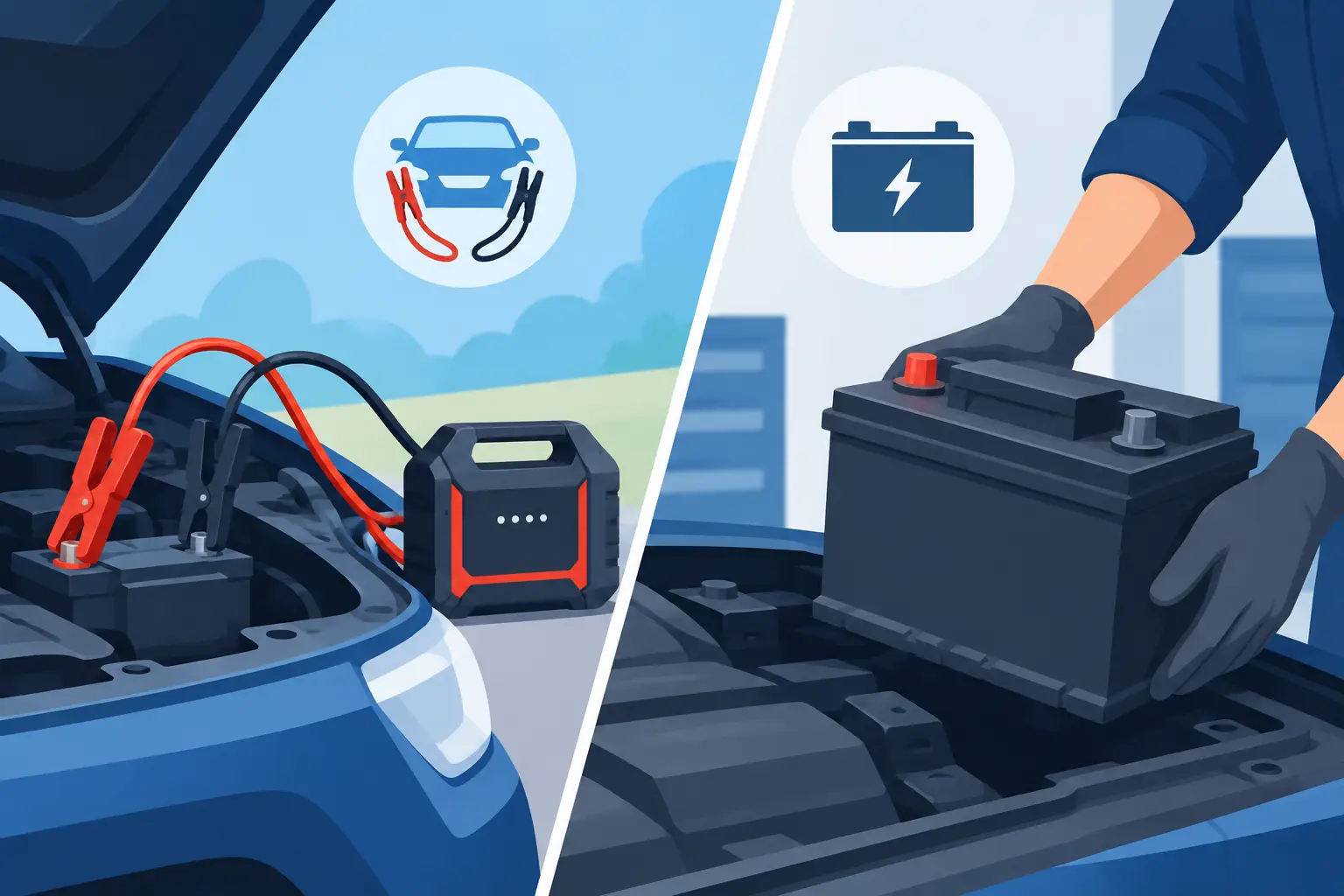
Dead battery? Compare jumpstart versus battery replacement, spot failure signs, and know when to call for quick, affordable roadside help in Utah today.
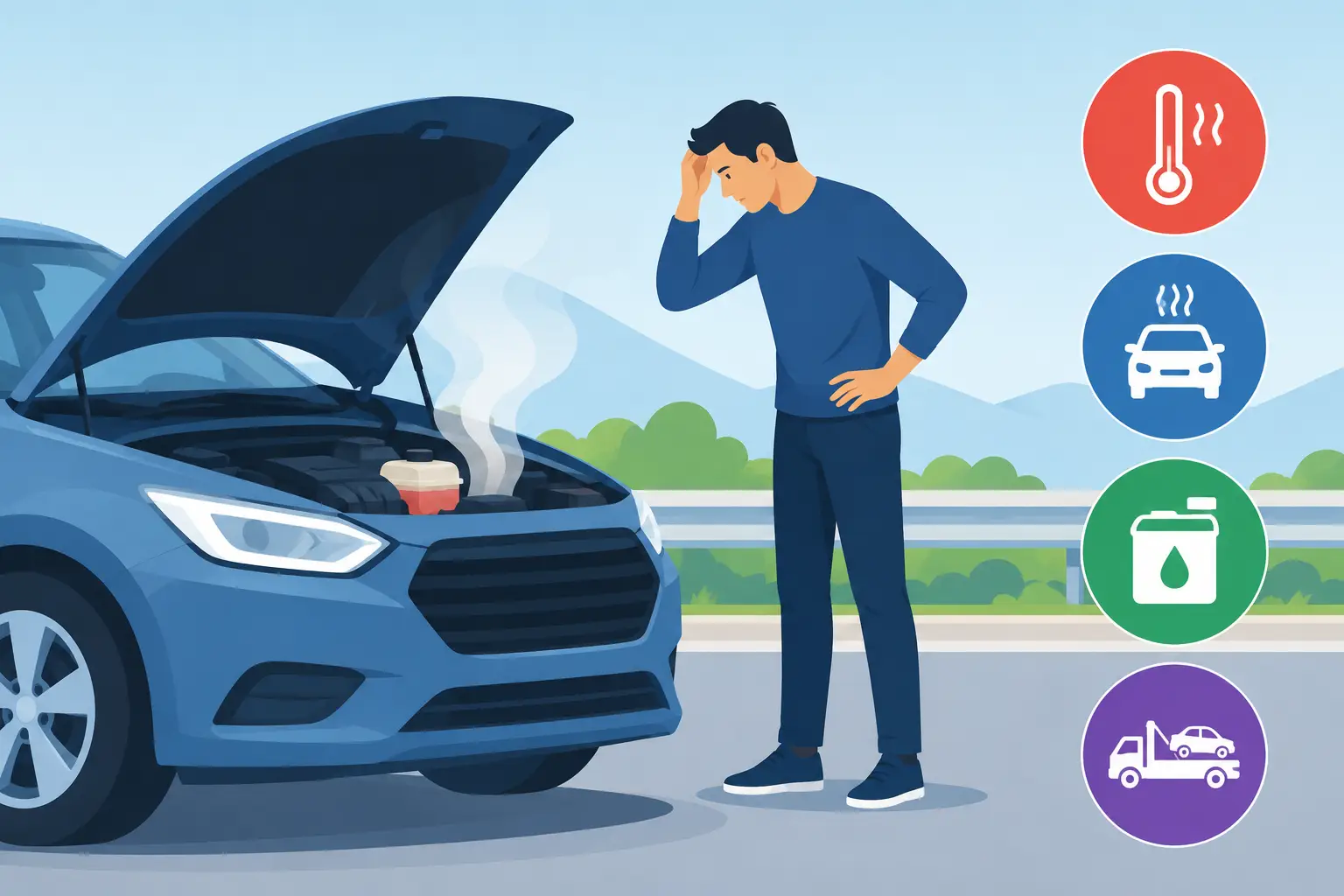
Car overheating can turn a normal drive into engine damage fast. Learn what to do safely, what not to do, and when to call for a tow in Salt Lake Valley.
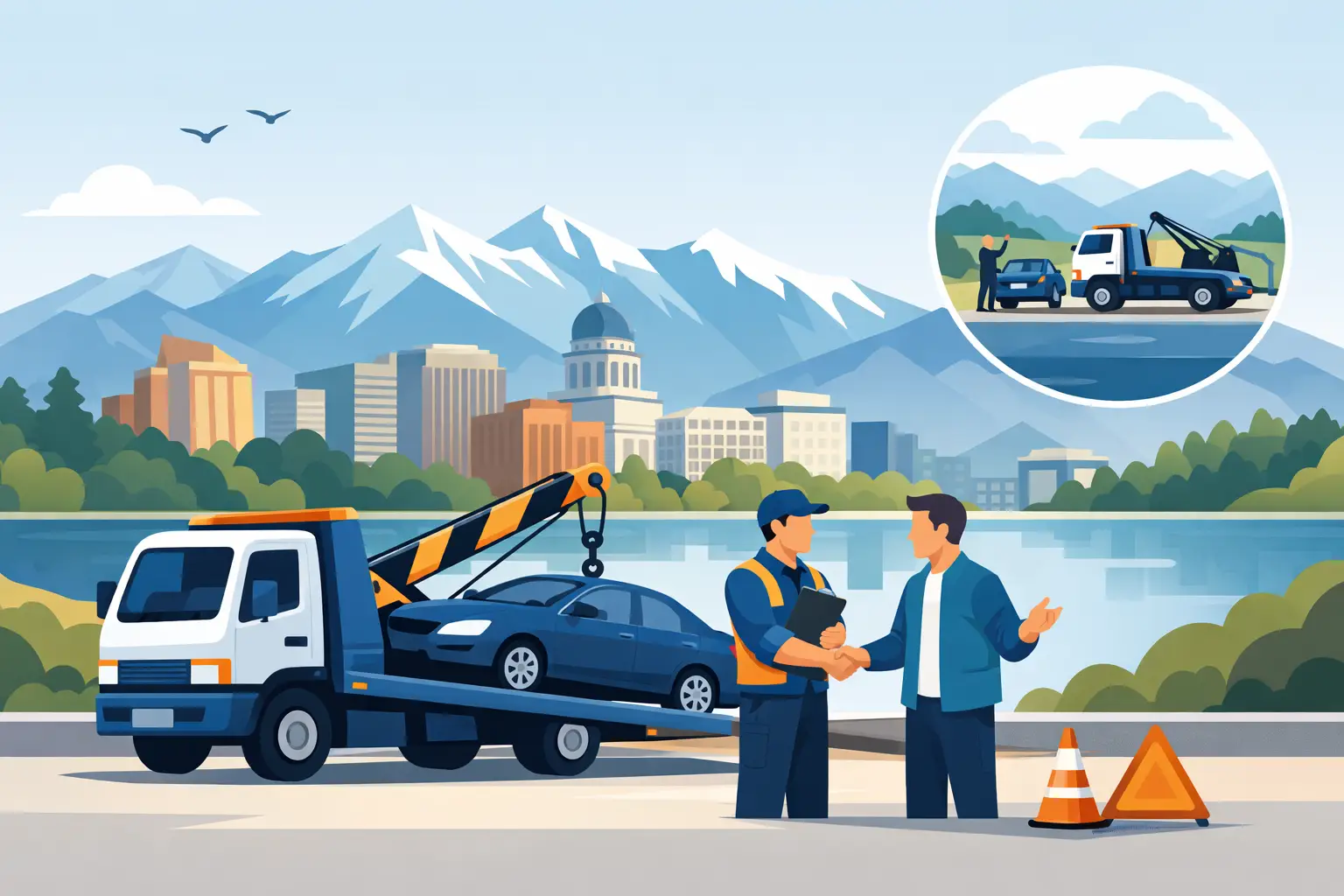
This Salt Lake towing case study shows how fast, affordable 24/7 roadside help gets a stranded commuter safely moving again without extra stress today.