
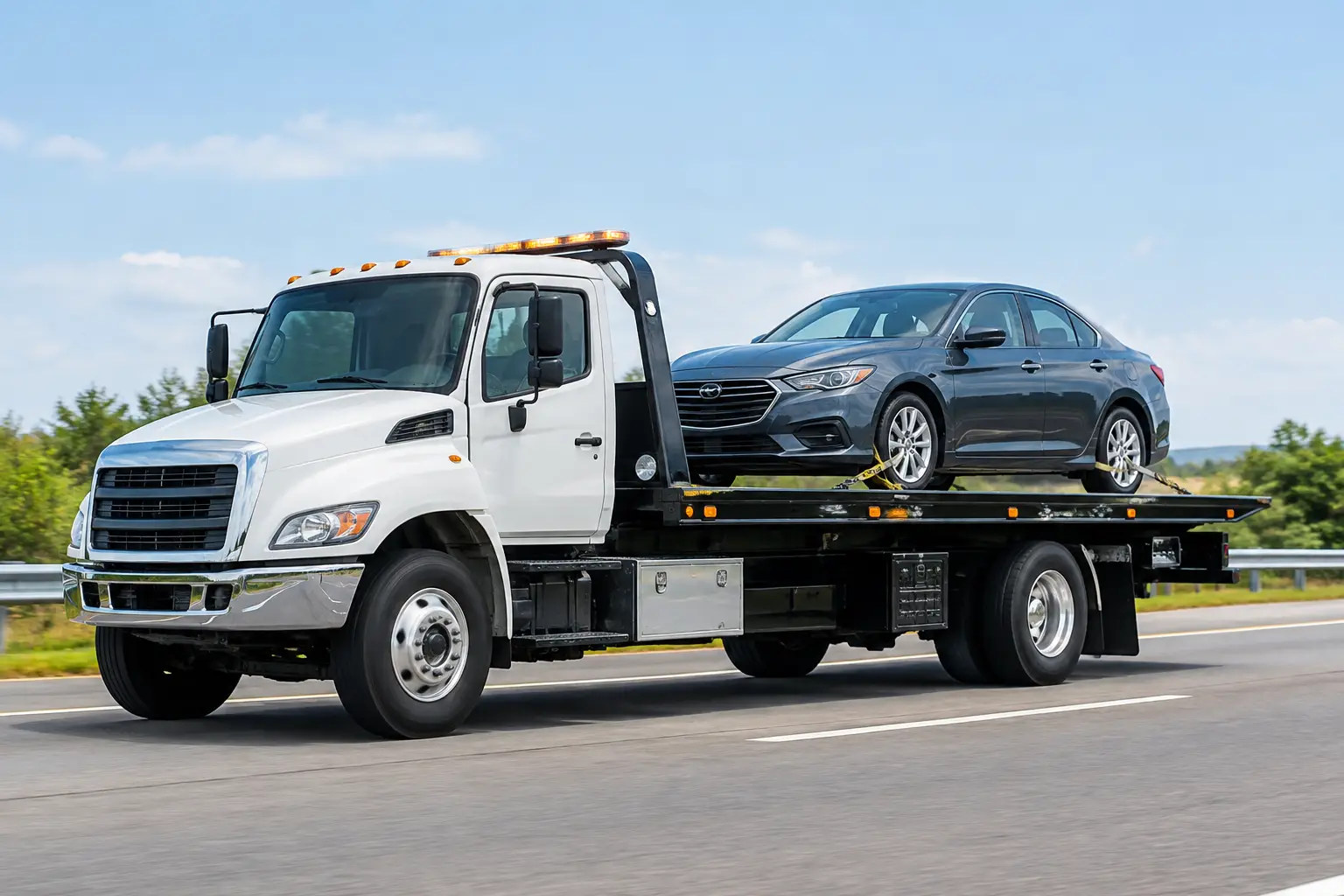
A tow truck is pulling up after a crash, a breakdown, or a car that simply will not start. You want one thing: your vehicle moved without adding new damage to a bad day. So, are flatbeds safe vehicles for towing? In most situations, yes. A properly operated flatbed is one of the safest ways to transport a disabled vehicle because all four tires ride on the truck instead of rolling down the road.
That said, the word “flatbed” is not a magic safety guarantee. The condition of the truck, the way the vehicle is loaded, the tie-down method, road conditions, and the operator behind the wheel all matter. A careful tow team makes flatbed transport a smart choice. A rushed or poorly trained one can turn any tow into a problem.
Are Flatbeds Safe Vehicles? Why They Usually Are
A flatbed tow truck, also called a rollback, has a hydraulic bed that tilts and slides down to the ground. Your car is driven or winched onto the deck, then secured and carried fully off the pavement. Unlike a wheel-lift tow, there are no driven wheels turning for miles behind the truck.
That difference matters. When a vehicle stays off the road, it avoids additional mileage, tire wear, transmission strain, and exposure to potholes, debris, and uneven pavement. It is especially helpful after an accident, when damage may not be obvious from the outside.
Flatbeds are commonly the better fit for all-wheel-drive vehicles, four-wheel-drive vehicles, low-clearance cars, electric vehicles, luxury vehicles, and cars with serious mechanical damage. They are also a strong choice when a vehicle cannot safely roll, steer, or start. If your sedan is sitting dead in a grocery store lot or your SUV has been hit on I-215, getting it completely onto a truck can give you real peace of mind.
A flatbed also gives the operator more control during transport. The vehicle is centered on the deck, secured at multiple points, and less likely to sway than a car being pulled with two wheels on the road. That is safer for your vehicle, the tow operator, and nearby drivers.
The Safety Difference Comes Down to Loading and Securement
The most delicate part of a flatbed tow is usually not the drive to the repair shop. It is getting the vehicle onto the bed correctly. A good operator checks the vehicle’s condition, identifies safe attachment points, considers the angle of the bed, and chooses a loading method that will not make existing damage worse.
For a running car with good tires and steering, loading may be straightforward. For a car with a locked wheel, broken suspension, flat tires, or crash damage, it takes more planning. The operator may need to use skates, dollies, soft straps, or a controlled winch pull to prevent scraping, dragging, or stressing damaged parts.
Proper securement is just as important. A vehicle should be held by approved wheel straps or other appropriate tie-down equipment, not casually hooked wherever there is an open piece of metal. The goal is to prevent movement without damaging brake lines, suspension components, body panels, or the undercarriage.
Before leaving, a professional operator checks that the vehicle is stable, the straps are tight, loose parts are accounted for, and the bed is properly positioned. During a longer transport, they may recheck securement along the route. This is the kind of basic care that separates a safe tow from a cheap-looking tow that becomes expensive later.
When a Flatbed Is the Best Choice
There are times when a wheel-lift tow can be safe and practical, particularly for short local moves involving a vehicle with no major damage. But flatbed towing is often the safer option when the vehicle has special drivetrain needs or cannot travel on its own wheels.
All-wheel-drive and four-wheel-drive vehicles are a major example. Towing them with wheels on the ground can create drivetrain damage if it is not done according to the manufacturer’s procedures. Many electric vehicles also have specific transport requirements, and a flatbed helps avoid unwanted wheel rotation or contact with sensitive underbody components.
A flatbed is also the right call when your car has been in an accident. Even if it looks drivable, the steering, suspension, tires, or fluid systems may be compromised. Driving it can be risky. Pulling it with a wheel-lift may not be suitable either. A full-deck tow keeps the vehicle contained while it goes to a repair facility, body shop, or your preferred destination.
Low cars deserve special attention. A lowered vehicle, sports car, or car with a damaged bumper may scrape during loading if the bed angle is too steep. Experienced operators use the right approach, equipment, and patience to reduce that risk. No tow method can promise zero risk for every severely damaged or extremely low vehicle, but careful loading makes a major difference.
Flatbeds Have Limits Too
Flatbed trucks are safe when used within their rated capacity. They are not meant to carry every vehicle, machine, or load. A heavy-duty pickup, loaded work van, oversized SUV, or piece of equipment may require a larger truck or a different transport setup.
Weight distribution matters as much as total weight. A vehicle must sit in the correct position on the bed so the tow truck handles predictably under braking and turns. An improperly loaded vehicle can affect steering, stopping distance, and stability. That is why a reputable towing company asks what kind of vehicle you have instead of sending the first available truck with no questions.
Weather changes the equation too. Snow, black ice, rain, wind, and Salt Lake Valley traffic all demand slower driving and more room to stop. A flatbed does not erase those hazards. It gives the operator a stable way to carry your car, but safe transport still depends on sound equipment and defensive driving.
There is also the issue of cargo. If you have bikes, tools, loose items, or a roof box on the vehicle, tell the tow operator before loading. Loose property can shift or create a hazard. If your car is full of belongings after a move, secure what you can and remove valuables when it is safe to do so.
What You Can Do Before the Tow Truck Arrives
You do not need to know towing equipment to help protect your vehicle. Start by giving accurate information when you call. Mention the make and model, whether the vehicle is all-wheel drive or electric, the nature of the problem, and whether it can roll, steer, and shift into neutral. If it was in a collision, say so clearly.
If you are on a busy road, get yourself to a safe location away from traffic if possible. Turn on hazard lights. Do not stand between your vehicle and approaching traffic, and do not try to push a disabled car through active lanes unless emergency personnel direct you to do it.
When the operator arrives, point out existing damage, flat tires, leaks, or anything unusual about the vehicle. Ask where it is being taken and confirm the destination before loading begins. If you have a preferred mechanic, body shop, or home address, say it upfront. Clear information prevents detours and confusion when you are already dealing with enough.
Choosing a Flatbed Tow You Can Trust
The safest flatbed tow starts with a company that treats your car like it is worth protecting. Look for clear communication, an operator who asks the right questions, maintained equipment, and a willingness to explain the plan when your vehicle has unusual damage or towing requirements.
Price matters, especially when a breakdown hits at the worst possible time. But the lowest quote is not a bargain if careless handling leads to damaged wheels, scraped bumpers, or drivetrain trouble. Fair pricing and careful service should go together.
If you are stuck in Kearns, West Valley City, Taylorsville, West Jordan, or nearby Salt Lake Valley communities, Munnster Towing can provide a fast, affordable flatbed tow when your vehicle needs to ride instead of roll. Tell the dispatcher what happened, stay somewhere safe, and let the right truck handle the hard part.
A breakdown does not have to become a bigger repair bill. When your car needs to move, choose a tow method that keeps it off the road, secured correctly, and headed where you need it to go.
continue reading
Related Posts
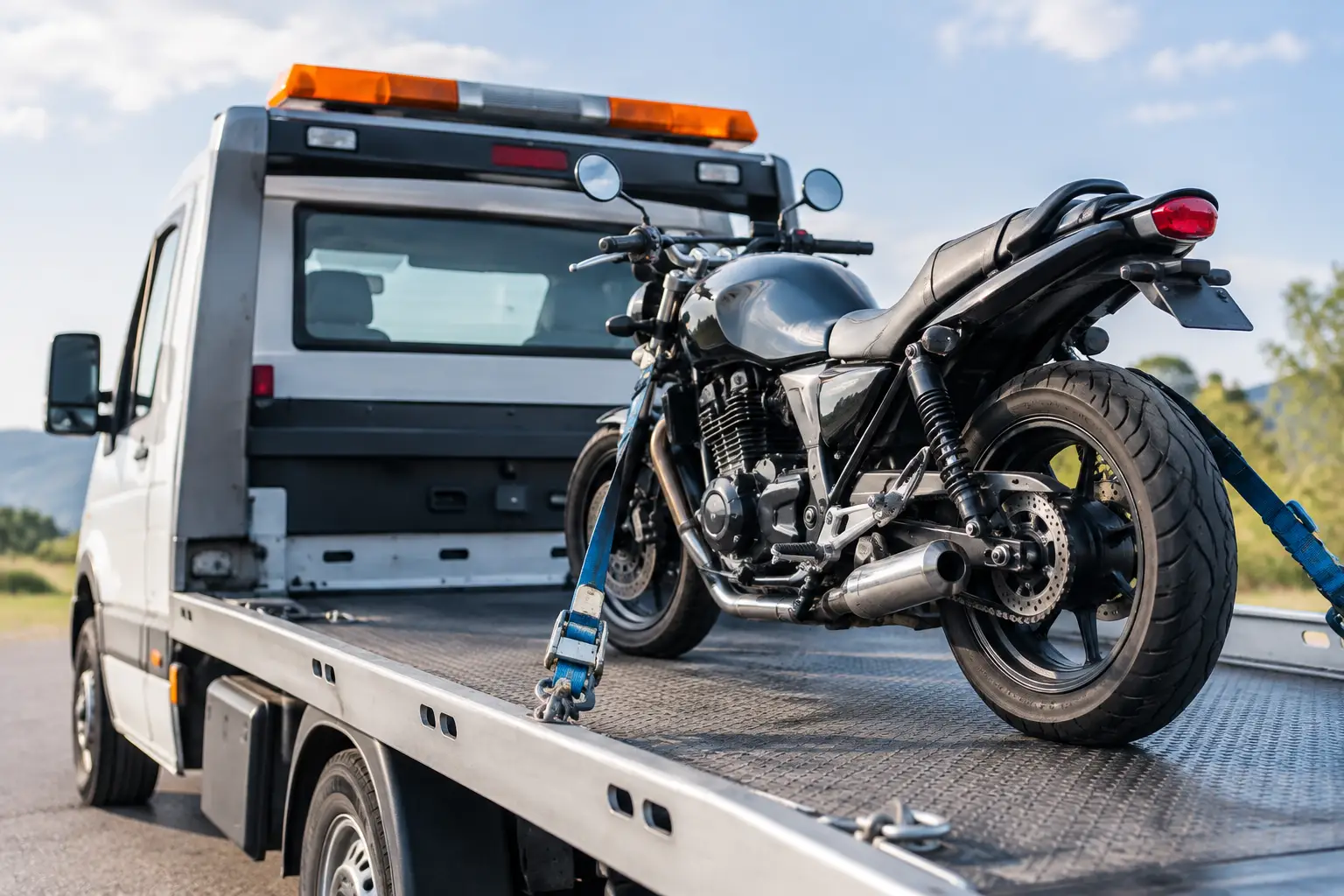
Can tow trucks move motorcycles safely? Learn when flatbed transport is best, how bikes are secured, and what to request when you need help fast nearby.
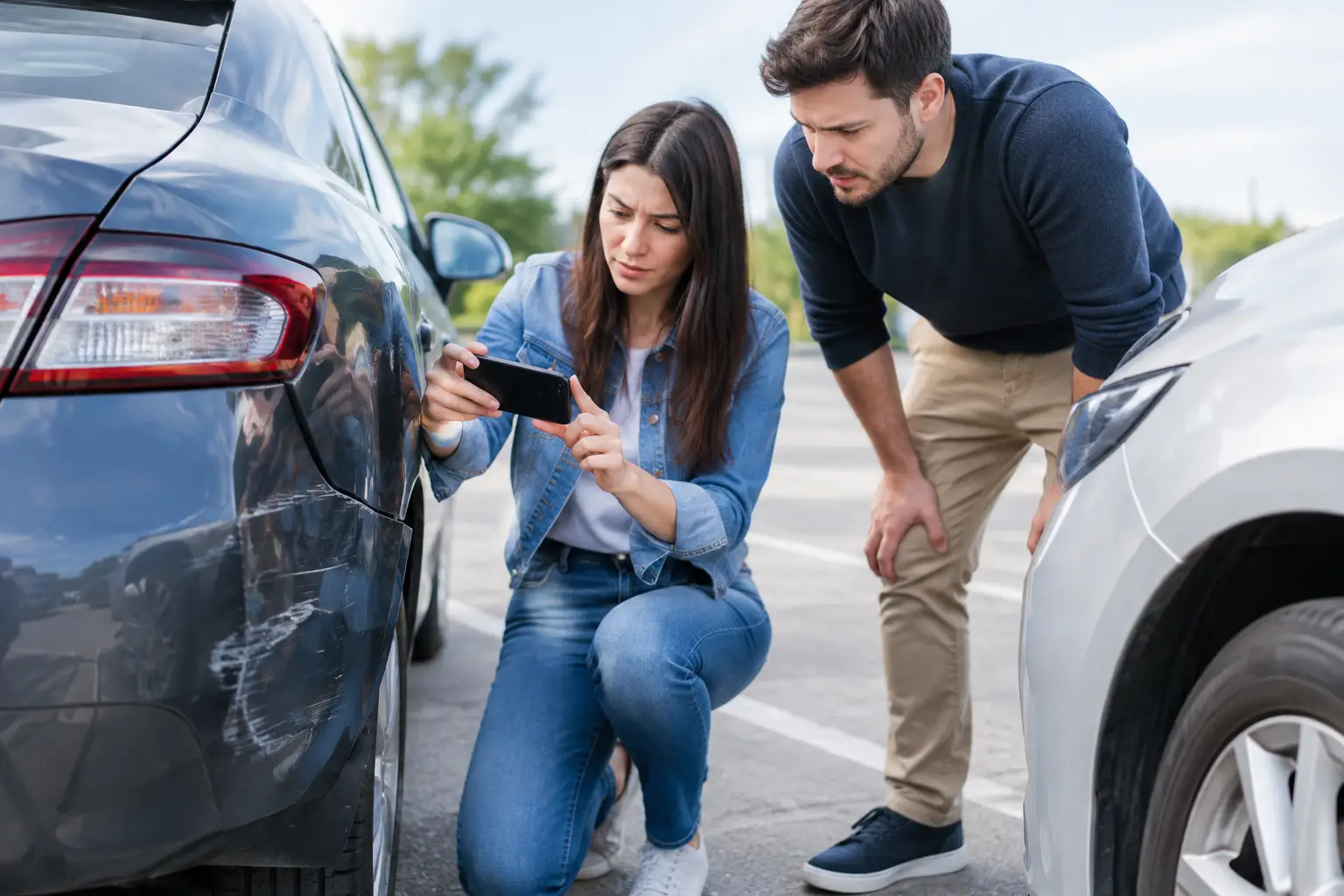
Learn best practices after parking accidents, from protecting people and documenting damage to handling reports, insurance, and a safe tow in Utah today.
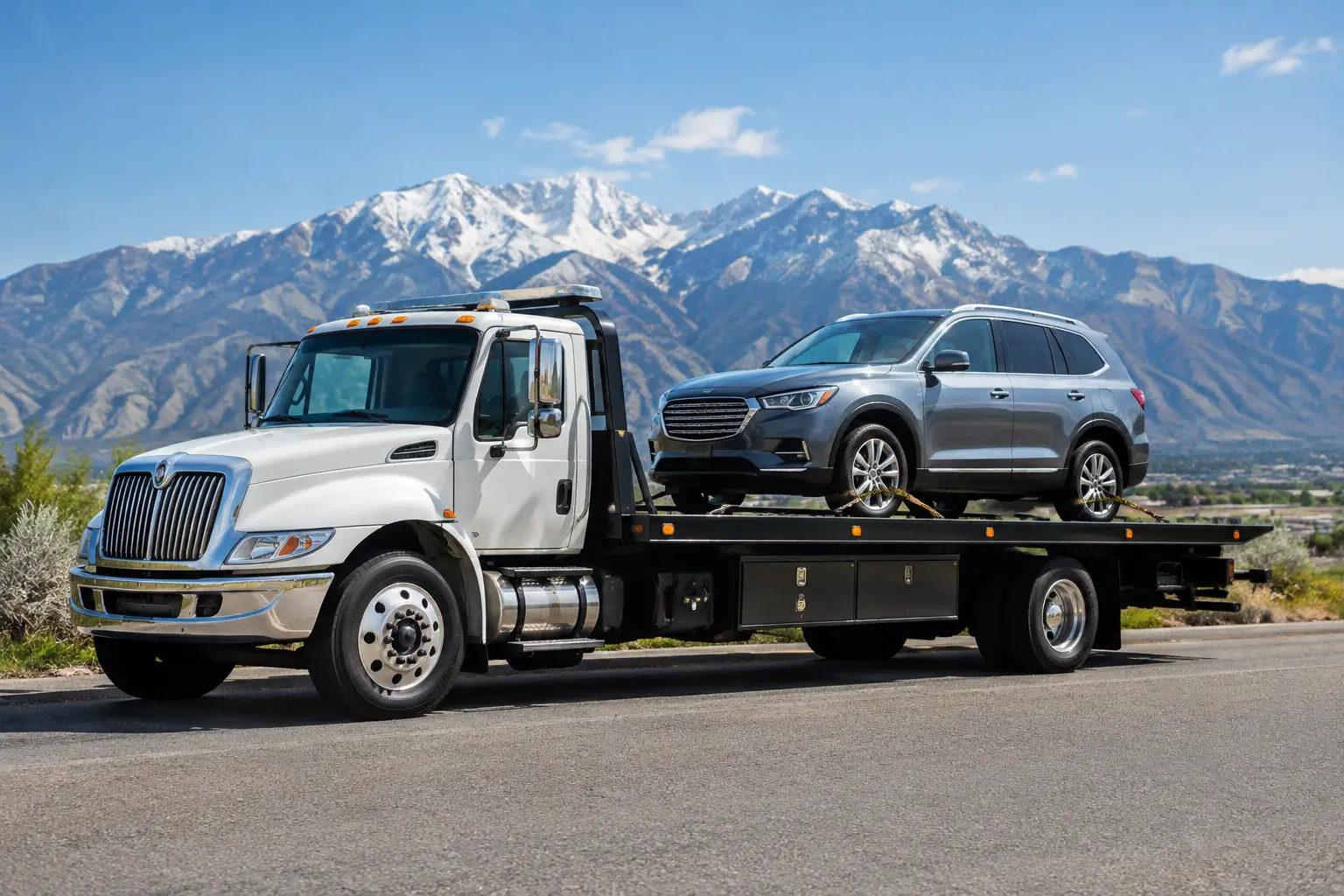
Need a tow in Salt Lake Valley? This flatbed towing comparison explains flatbeds, wheel-lift towing, costs, and the safest choice for your own vehicle.