
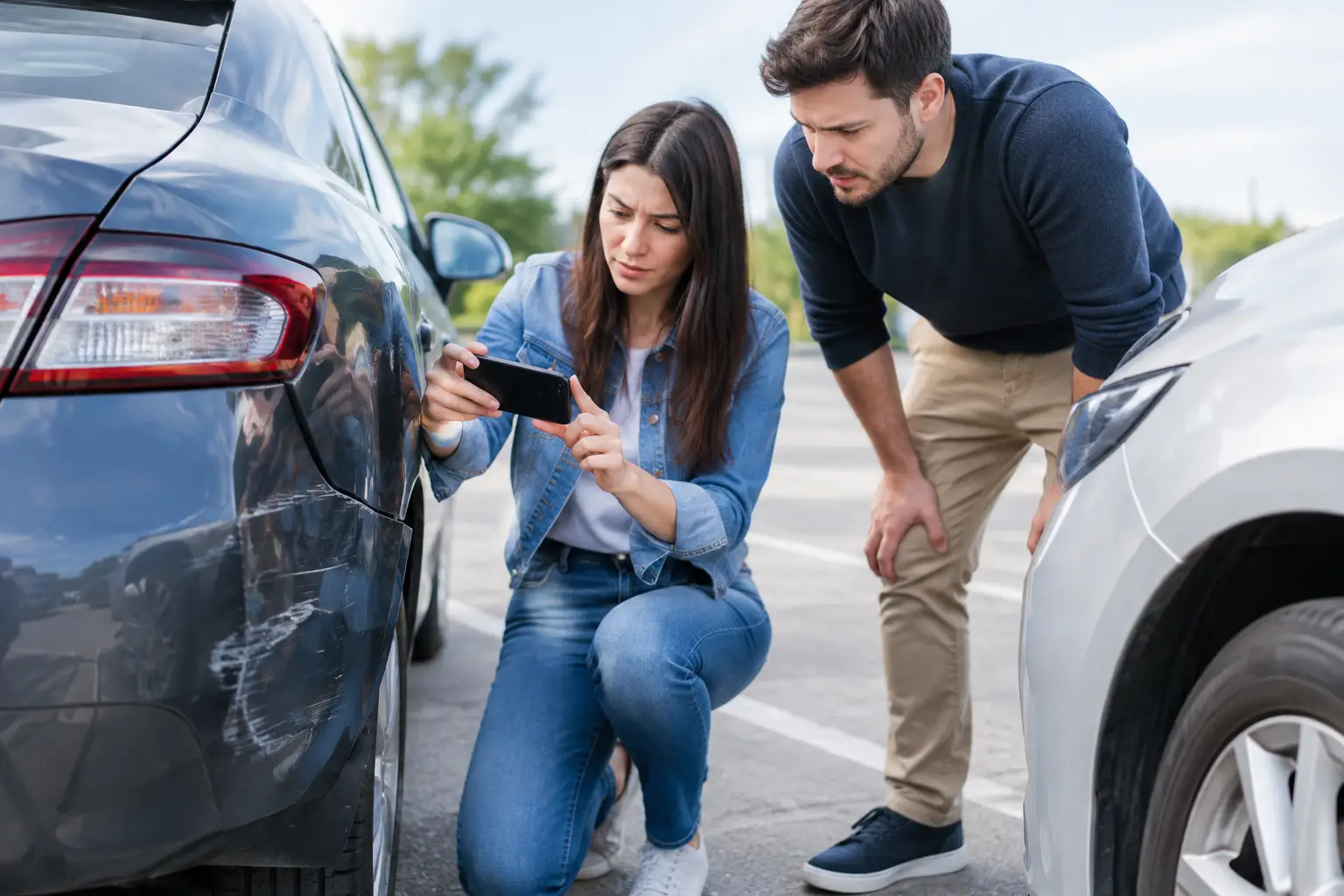
A parking lot fender bender can happen in the time it takes to back out of a grocery store spot, squeeze through a crowded garage, or open a door too close to the car beside you. The best practices after parking accidents are simple, but they matter: protect people first, document what happened, exchange the right information, and do not make a stressful situation worse by driving a damaged vehicle.
Start With Safety, Not the Damage
Before you inspect the bumper, take a breath and look around. Is anyone hurt? Is a child, pedestrian, cyclist, or another driver involved? If there is an injury, a possible injury, or immediate danger from traffic, call 911 right away. Even a low-speed impact can cause pain that is not obvious in the first few minutes.
If everyone is safe and the vehicles can be moved without creating more risk, pull out of the travel lane. In a busy Salt Lake Valley shopping center or parking garage, blocking an aisle can create a second accident fast. Turn on your hazard lights, watch for pedestrians, and move to a well-lit area nearby.
Do not move a vehicle if it is leaking fluid, has a damaged wheel, has deployed airbags, is smoking, or will not steer or brake normally. A cracked bumper may be cosmetic. A bent suspension component or damaged tire is a different story. When in doubt, leave it parked and arrange a tow rather than gambling with a short drive home.
Best Practices After Parking Accidents: Document Everything
Parking accidents often turn into a disagreement about who was moving, who had the right of way, and where each vehicle was positioned. Good documentation protects you from relying on memory later.
Take clear photos before either vehicle is moved, if it is safe to do so. Get wide shots showing the vehicles, parking lines, aisle direction, signs, and nearby landmarks. Then take close-ups of every damaged area, including paint transfer, dents, broken lights, and license plates. A quick walk-around video can also show the full condition of both vehicles.
Write down the basics while they are fresh: the time, date, exact location, weather, lighting, and a plain description of what happened. Keep it factual. “I was backing from space 42 when the vehicles contacted” is useful. “You came out of nowhere” is not.
If anyone saw the collision, ask for their name and phone number. A neutral witness can be especially helpful when both drivers have different versions of events. In a store lot, apartment complex, or garage, ask management whether security cameras cover the area. Camera footage may be overwritten quickly, so make that request as soon as possible.
Exchange Information Without Arguing
Trade your name, phone number, address, driver’s license information, license plate number, insurance company, and policy details with the other driver. Photographing insurance cards and driver’s licenses can reduce transcription mistakes, but make sure the images are clear and limited to the information you need.
Keep the conversation calm and short. Do not accuse the other driver, accept blame on the spot, or make promises about paying for repairs before the damage is properly assessed. Being polite is not the same as admitting fault. You can say you are glad no one was hurt, exchange information, and let the insurance companies review the evidence.
If the other driver refuses to share information, appears impaired, becomes aggressive, or tries to leave, do not block them in or put yourself at risk. Take photos of the vehicle and license plate if you can do it safely, then contact law enforcement.
If You Hit an Unattended Car
Do not drive away because the damage looks minor. A tiny crease, scrape, or broken mirror can still lead to a claim. Leave a written note with your name, phone number, license plate, and insurance information in a visible, protected spot. Take photos of the note, the other vehicle, your vehicle, and the parking location for your records.
It is also smart to notify the property owner or manager, especially in a garage, apartment lot, or business parking area. Depending on the circumstances, law enforcement may need to be notified as well. Requirements can vary, so treat a report as protection, not a hassle.
Decide Whether to Call Police
A police report is often a good idea when there are injuries, significant damage, a hit-and-run, suspected impairment, threats, or a dispute over what happened. It can create a neutral record of the scene and may be useful when filing an insurance claim.
For a minor, cooperative parking-lot scrape, an officer may not come to the scene. That does not mean you should skip documentation. Take your own notes, exchange information, and ask your insurer what it needs. If you file a report later, be accurate and stick to the facts you observed.
Remember that a report does not automatically decide fault. Insurance adjusters typically consider vehicle damage, photos, statements, witness accounts, available video, and applicable traffic rules. Your job is to preserve useful information, not to win an argument in the parking lot.
Contact Your Insurance Company Promptly
Notify your insurer soon after the accident, even if you are unsure whether you will file a claim. Waiting can make it harder to gather evidence or explain the timeline. Have your photos, notes, the other driver’s information, and any report number ready.
There is a real trade-off with small damage. Paying out of pocket can sometimes make sense if the repair cost is low and both parties agree in writing, but hidden damage is common. A bumper that looks lightly scuffed may have damaged mounting points, sensors, a camera, or components behind the cover. Get an estimate before deciding that it is “just paint.”
Avoid cash-only deals made under pressure. If the other driver wants to handle it privately, document the agreement carefully and consider whether it truly covers the full repair. Once a claim is closed informally, it can be difficult to revisit when a body shop finds additional damage.
Know When Your Car Needs a Tow
After a parking accident, the cheapest choice is not always the safest one. Do not drive if a tire is rubbing, a wheel is bent, fluid is leaking, the steering wheel sits crooked, warning lights appear, or a door, hood, or trunk will not latch. If the impact involved the front or rear bumper, parking sensors and safety systems may also need inspection.
A flatbed tow is often the smart move for a vehicle with wheel, suspension, drivetrain, or major body damage. It keeps the car off its wheels and avoids adding damage while it is being transported. Tell the tow dispatcher where you are, what kind of vehicle you drive, whether it rolls, and what damage you can see. Clear details help send the right truck without wasting time.
If you are stuck in Kearns, West Valley City, Taylorsville, West Jordan, Salt Lake City, or nearby communities, Munnster Towing can provide 24/7 accident towing and careful vehicle transport. You can choose a repair shop, dealership, home, or another safe destination. The goal is simple: get your vehicle out of the lot safely and stop a minor parking accident from becoming a bigger repair bill.
Protect Yourself After You Leave the Lot
Back up your photos and notes somewhere other than your phone. Save claim numbers, repair estimates, towing receipts, and messages with the other driver. If pain develops later, seek medical care and keep records. Adrenaline can hide soreness after even a low-speed impact.
Finally, pay attention to what caused the crash without beating yourself up. Tight stalls, poor lighting, blind spots, icy pavement, distractions, and rushed backing are common problems. Slow down in crowded lots, use your camera as a tool rather than your only view, and check over both shoulders before moving.
A parking accident is frustrating, but it does not have to ruin your day. Stay calm, collect the facts, and call for professional help when the vehicle is not safe to drive.
continue reading
Related Posts
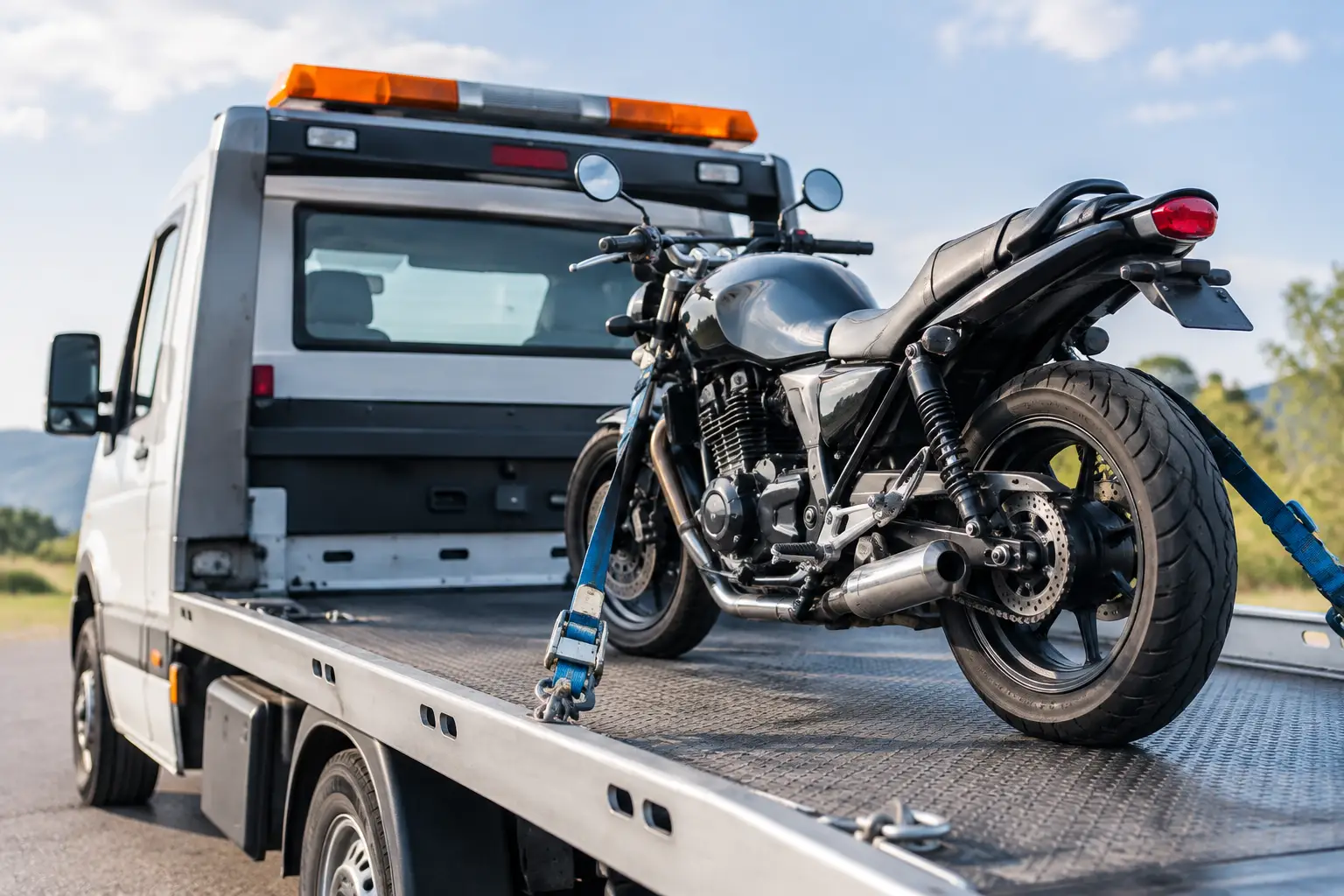
Can tow trucks move motorcycles safely? Learn when flatbed transport is best, how bikes are secured, and what to request when you need help fast nearby.
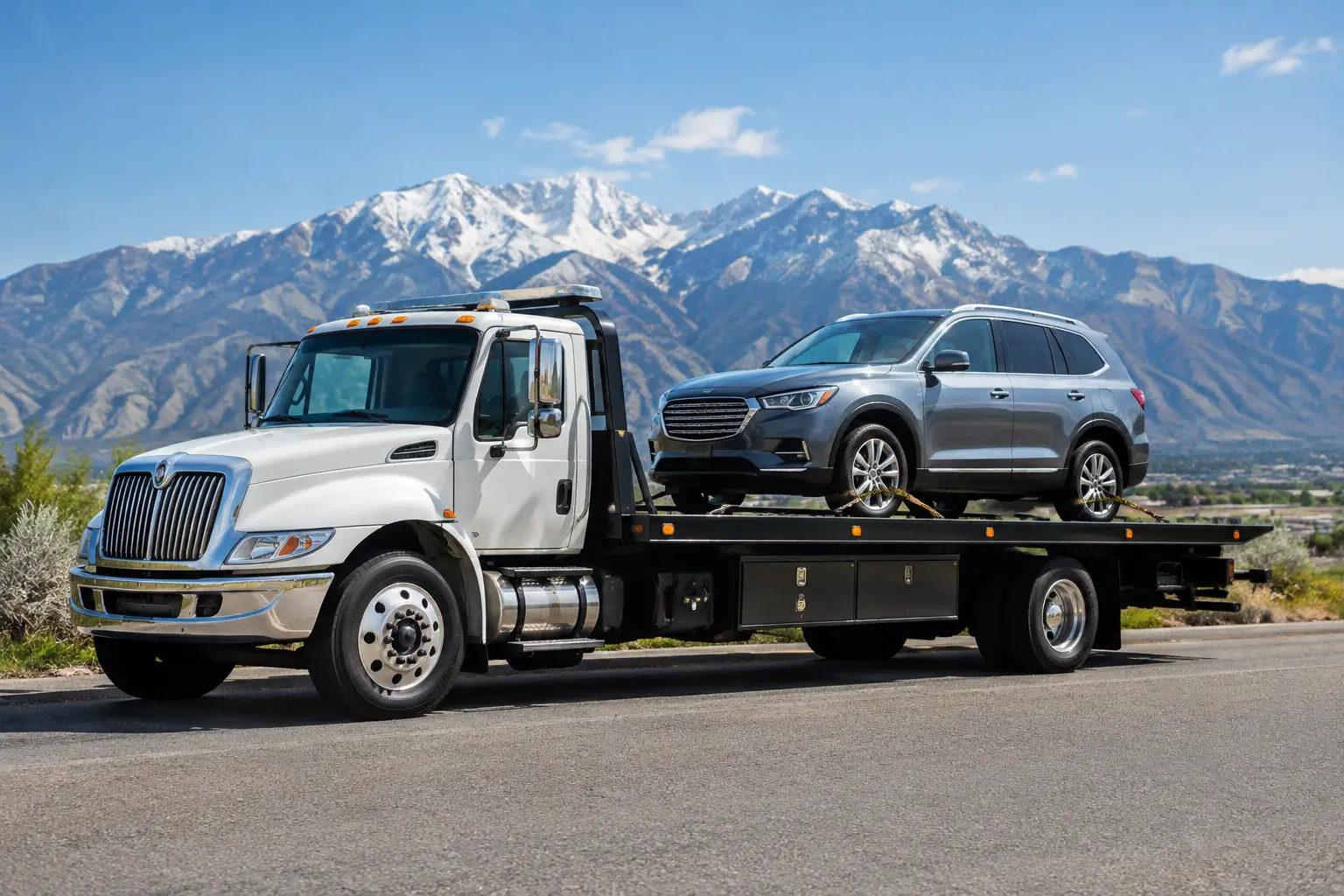
Need a tow in Salt Lake Valley? This flatbed towing comparison explains flatbeds, wheel-lift towing, costs, and the safest choice for your own vehicle.
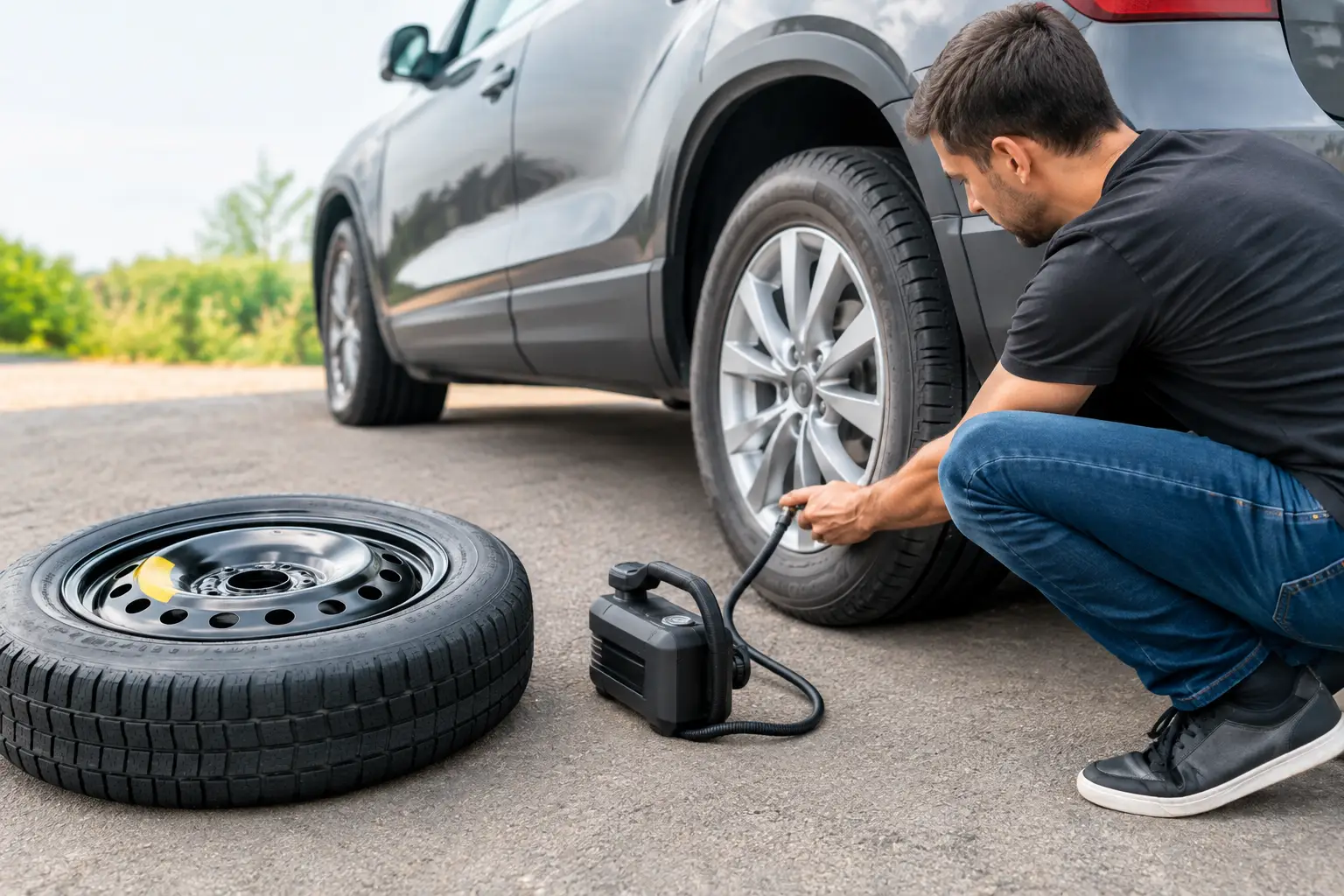
Learn how to inflate a spare tire safely, find the right PSI, and get fast roadside help in Salt Lake Valley when a low spare leaves you stuck on a busy road.