
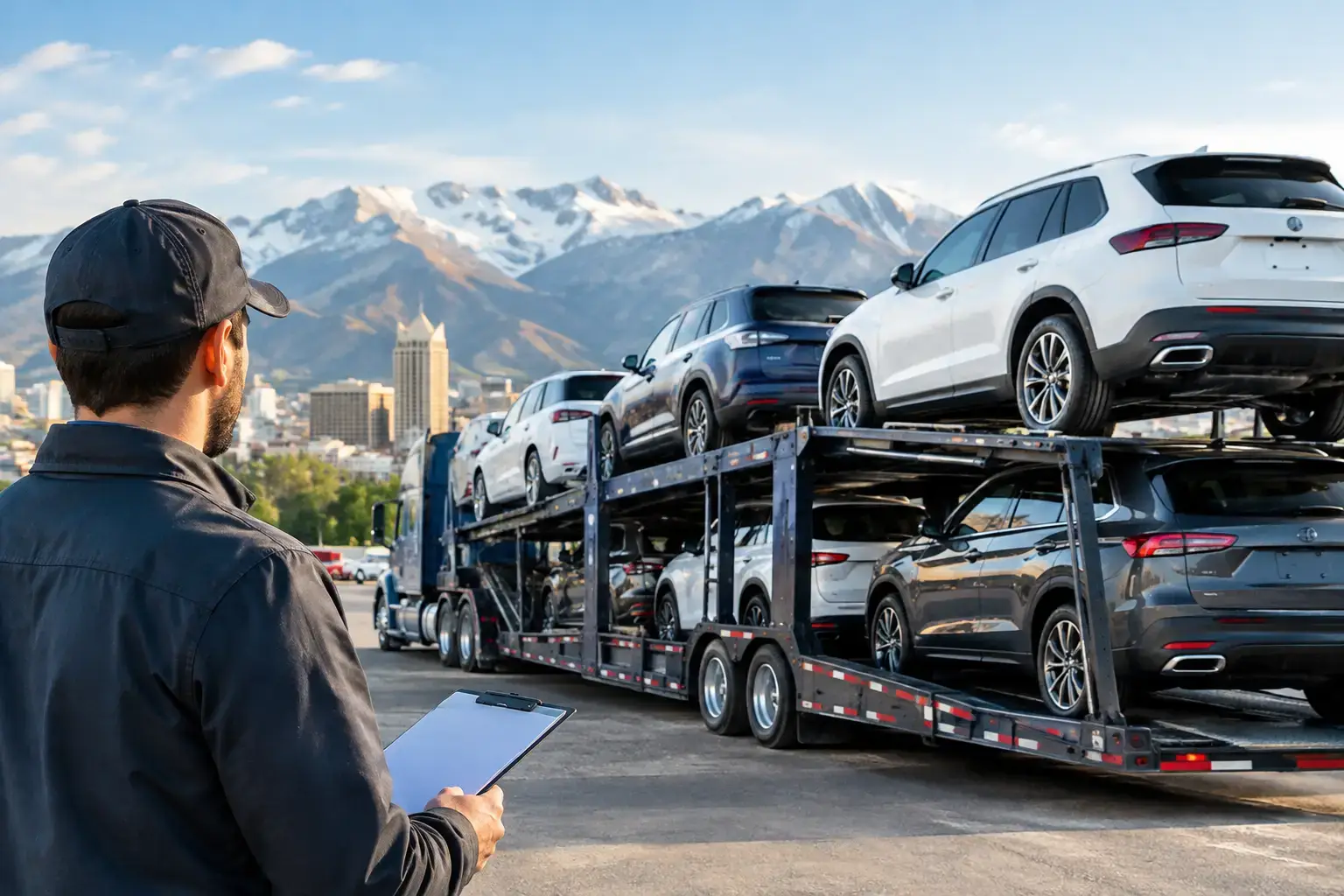
A vehicle transport guide matters most when your car will not move and you need an answer now. Maybe the engine died outside work, you slid into a ditch after a storm, or your vehicle is fine but cannot legally or safely be driven. The right move is not always the cheapest-looking tow. It is the service that gets your vehicle where it needs to go safely, without turning one bad day into expensive damage.
For drivers across Salt Lake Valley, transport needs can range from a quick tow to a nearby repair shop to moving a disabled SUV, pickup, motorcycle, or piece of equipment. Here is how to make a smart call when you need help.
Vehicle Transport Guide: Start With the Vehicle Condition
The first question is simple: can the vehicle be driven safely? If the answer is no, do not try to limp it home just to save a tow bill. A warning light by itself may not require transport, but overheating, severe fluid leaks, brake trouble, steering problems, collision damage, a flat tire with no safe spare, or a vehicle that will not start are different situations.
After an accident, look beyond whether the car still rolls. A damaged bumper can hide loose components, a bent wheel can cause a blowout, and a leaking fluid could create a fire risk. If airbags deployed, the wheel is rubbing, the windshield visibility is poor, or the vehicle is dragging something underneath, transport is the safer call.
Tell the dispatcher exactly what happened. Mention if the car is in a garage, parked on a steep driveway, stuck in mud or snow, blocked by another vehicle, or sitting in a busy lane. Those details help send the right truck and equipment the first time. Nobody wants a second wait because the first truck was not set up for the job.
Choose the Right Type of Transport
Not every tow is the same. The vehicle, its condition, and its location determine what makes sense.
Standard towing for local breakdowns
For many breakdowns, a conventional tow can get a passenger vehicle from the roadside to a trusted shop, home, or dealership. This is often a practical option for short local moves when the vehicle can roll and has no special clearance concerns.
The important part is proper loading and securement. A rushed or careless hookup can damage a bumper, suspension component, or drivetrain. The goal is not merely to move the vehicle. It is to deliver it in the same condition it was in when the truck arrived.
Flatbed towing for extra protection
Flatbed towing carries the entire vehicle off the ground. It is often the best choice for all-wheel-drive and four-wheel-drive vehicles, low-clearance cars, luxury vehicles, vehicles with major collision damage, and cars that cannot be safely rolled on their own wheels.
Flatbeds are also a strong choice when you want the most controlled transport possible. They may cost more than a basic tow in some situations, but the added protection can be worth it. Saving a few dollars is not a win if improper towing causes transmission or body damage later.
Recovery is different from a tow
If your vehicle is stuck off the road, buried in snow, hung up on a curb, or sitting in a ditch, it may need recovery before it can be transported. Recovery requires careful positioning, winching, and an assessment of the ground around the vehicle. Trying to yank a stuck vehicle out with another car, a random strap, or a pickup can cause injuries and serious damage.
For off-road or roadside recovery, stay clear of cables and straps while the work is underway. Let the operator control the scene. Recovery jobs have moving parts, and giving the truck room makes the process safer and faster.
What to Do Before the Tow Truck Arrives
Once help is on the way, focus on safety and information. If you are in traffic, move yourself and passengers to a safe location if you can do so without crossing danger. Turn on hazard lights, especially at night or during poor weather. If the vehicle is unsafe to remain in, wait well away from traffic barriers, blind curves, and active lanes.
Have your destination ready. Decide whether you want the vehicle taken to a repair shop, dealership, body shop, home, or another approved location. If it is going to a shop after hours, confirm that the property accepts after-hours drop-offs and ask where the vehicle should be placed. This avoids having your car delivered to a locked lot or an inconvenient location.
Remove valuables and gather what you need from the vehicle before loading begins. That includes your wallet, house keys, work equipment, medication, garage opener, and child seats if they are needed right away. You do not need to empty the car completely, but do not leave items you cannot afford to lose.
Also let the driver know about special issues. Tell them if the keys are missing, the steering wheel is locked, a tire is flat, the battery is dead, the parking brake is stuck, or the vehicle has aftermarket modifications. Clear details prevent delays and help protect the vehicle during loading.
How Towing Prices Usually Work
A fair transport quote depends on more than mileage. The type of truck, distance, vehicle size, time of day, accessibility, and recovery work all affect the price. A sedan on a clear parking lot is different from a full-size pickup stuck in snow on a narrow road.
Ask what the estimate includes before service begins. A straightforward conversation should cover the dispatch or hookup charge, mileage if applicable, and any extra work such as winching, difficult loading, storage, or after-hours access. Honest towing companies explain the job instead of burying customers in vague language.
Do not make price your only filter. An unusually low quote may not include the actual work needed, and it can become more expensive once the truck arrives. Look for a local operator who communicates clearly, has the right equipment, and treats your vehicle like it belongs to someone who worked hard to buy it.
Picking a Safe Destination
The closest repair shop is not always the best destination. If you already have a mechanic you trust, transporting the vehicle there may save time and prevent duplicate inspections. If the car is under warranty, a dealership may be the better choice. After a collision, your insurance process and the extent of damage can influence whether a body shop is appropriate.
If you are unsure, getting the car home can be the right short-term move when it is legal and safe to do so. You can compare repair options when you are not standing on the shoulder in the cold. That said, if a vehicle has severe damage, leaks, or cannot be safely stored at home, a professional shop is usually the smarter destination.
For business vehicles, think about downtime. A rideshare driver, delivery driver, contractor, or small business owner may need a repair facility that can diagnose the problem quickly and has room for a larger vehicle. Giving the tow operator the right destination up front keeps the job moving.
Avoid These Common Transport Mistakes
The biggest mistake is waiting too long to call for help. Continuing to drive an overheating engine, ignoring a dragging part, or running on a damaged tire can turn a manageable repair into a major one. Another common mistake is accepting a tow from someone who cannot clearly identify the company, explain the destination, or provide a basic price breakdown.
Avoid attempting homemade towing with chains, ropes, or straps unless you have the equipment, knowledge, and safe conditions to do it correctly. On busy Salt Lake County roads, that gamble is rarely worth it. A failed strap or sudden stop can damage both vehicles and put people in harm’s way.
Finally, do not forget to confirm the drop-off location before the truck leaves. Ask where the vehicle will be parked, whether keys should stay with the vehicle or go into a drop box, and how you can retrieve it later. Two minutes of confirmation can save hours of frustration.
Fast Local Help When Your Vehicle Cannot Move
When you are stranded in Kearns, West Valley City, Taylorsville, West Jordan, Salt Lake City, or nearby communities, speed matters. So does having a towing team that can assess the situation instead of forcing every job into the same solution. Munnster Towing provides 24/7 local towing, flatbed transport, accident recovery, off-road recovery, and roadside assistance for drivers who need real help without a runaround.
If your car is disabled, get yourself to a safe spot, note your location and vehicle condition, and call for the transport you actually need. A quick, clear request helps get the right truck headed your way and gets one less problem sitting in your day.
continue reading
Related Posts

Read local towing reviews the smart way. Learn what signals fast, fair, careful roadside help when your car quits in Salt Lake Valley without wasting money.
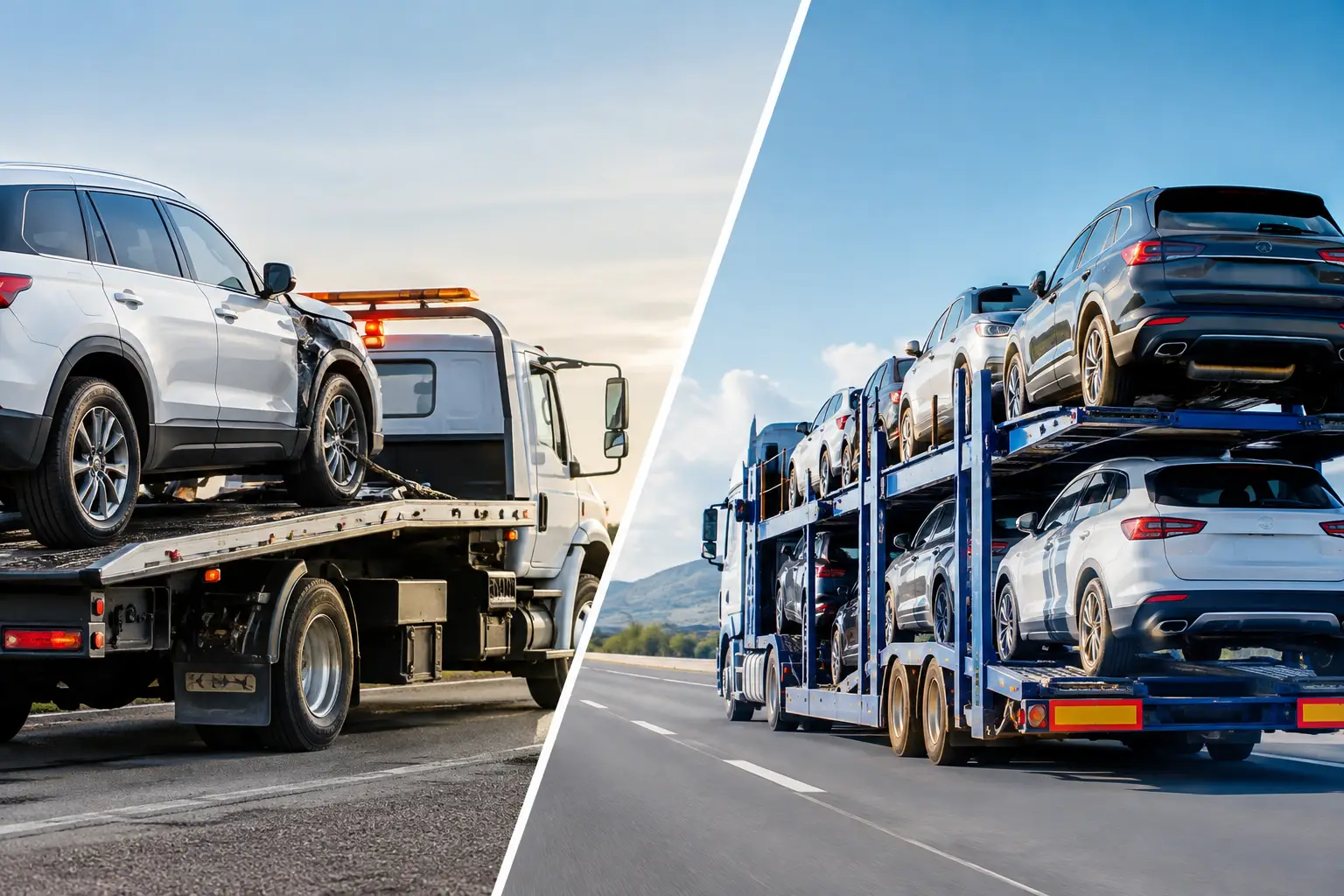
Towing versus transport comes down to your vehicle, distance, and urgency. See which option protects your car and gets it where it needs to go safely.
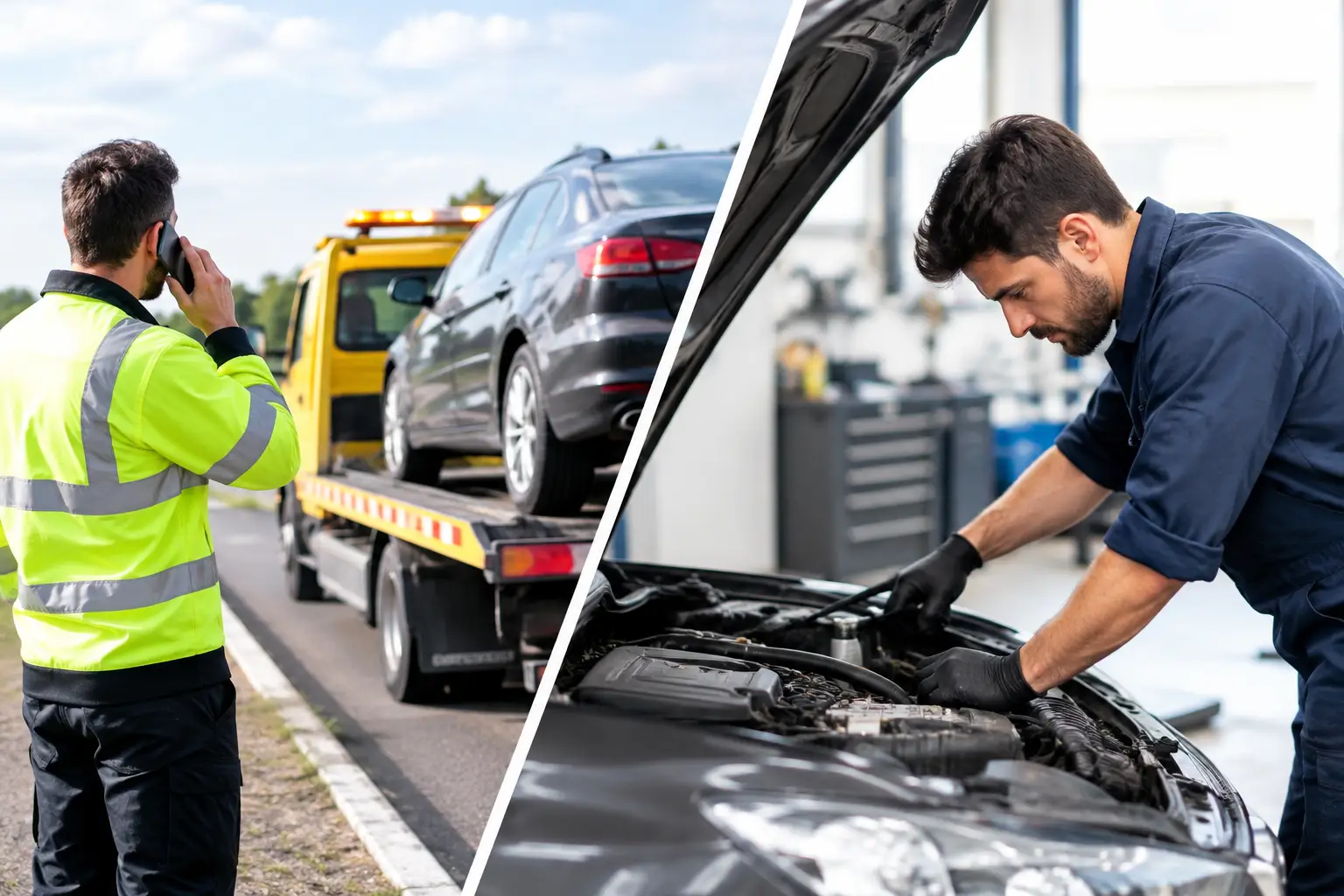
Roadside assistance versus mechanic: learn who to call for a flat tire, dead battery, lockout, warning light, or breakdown in Salt Lake Valley fast.