
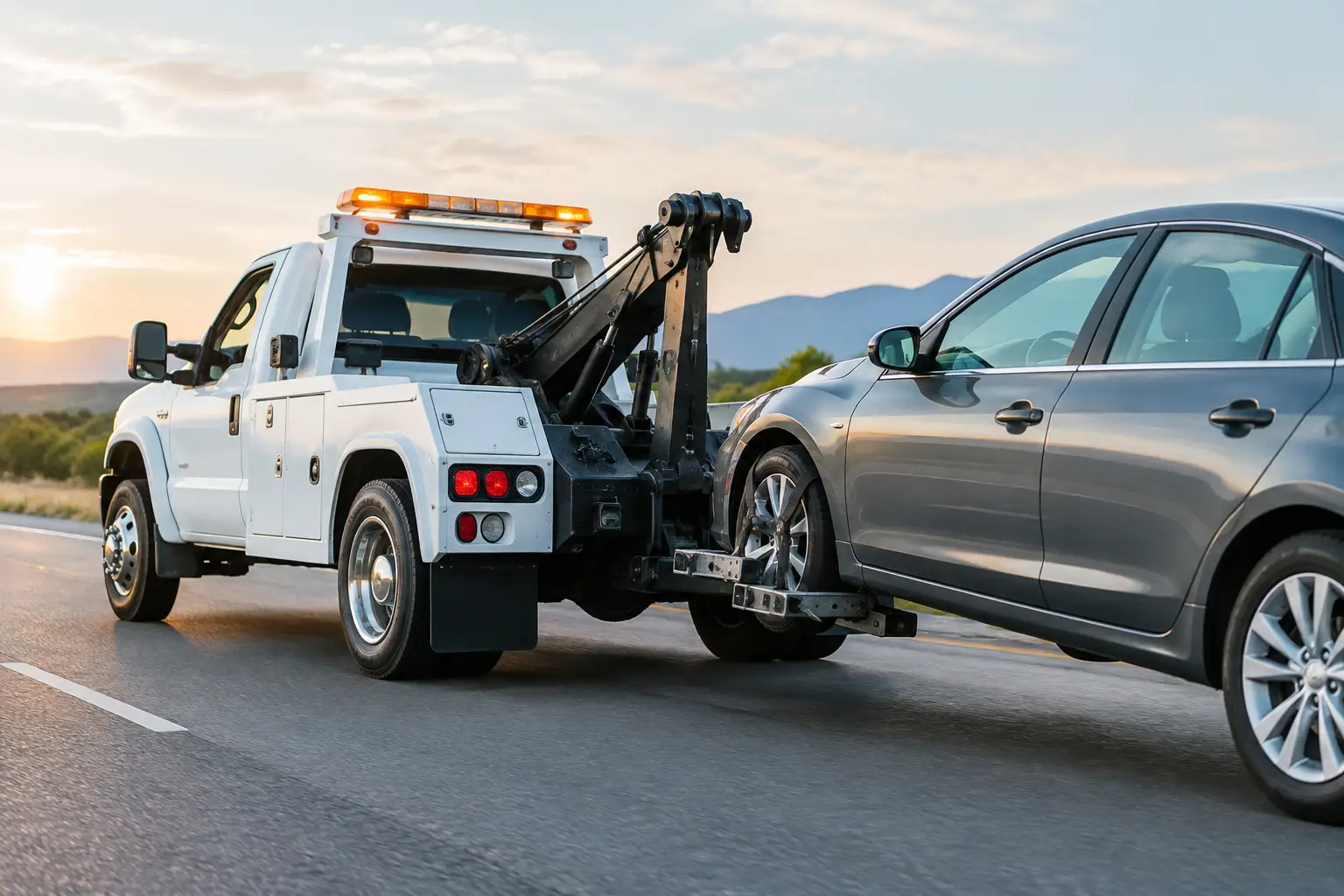
A breakdown on a busy Salt Lake Valley road can make one question hit fast: is towing safe? It can be, but safe towing is never just about hooking up a vehicle and driving away. The truck, the equipment, the vehicle’s condition, traffic, weather, and the operator’s experience all matter. Done correctly, a tow gets your vehicle out of danger without creating a bigger problem. Done carelessly, it can damage the vehicle or put people at risk.
For most drivers, the safest move is simple: get yourself to a safe place, call a qualified towing company, and let the crew handle the loading, securing, and transport. This is not the moment to let a friend improvise with a chain, a pickup, and good intentions.
Is Towing Safe for Your Vehicle?
Yes, professional towing is safe for most cars, SUVs, trucks, and many specialty vehicles when the method matches the vehicle. The key word is matches. A tow operator should account for whether your vehicle is front-wheel drive, rear-wheel drive, all-wheel drive, four-wheel drive, electric, lowered, damaged, or unable to roll.
Flatbed towing is often the safest choice because all four wheels ride on the truck bed. That keeps the vehicle off the pavement and avoids drivetrain problems that can happen when the wrong wheels are rolling. It is a strong option for all-wheel-drive vehicles, electric vehicles, vehicles with major accident damage, and cars that need careful local transport.
A wheel-lift tow can also be safe when it is used correctly. It lifts one end of the vehicle while the other end rolls, making it useful for certain vehicles and tight roadside situations. The operator has to know which end to lift and whether the drivetrain allows the vehicle to be towed that way. A quick hookup without that knowledge can turn a mechanical issue into a costly transmission, differential, or bumper repair.
The condition of the vehicle changes the plan too. A car with a locked wheel, broken suspension, deployed airbags, or severe collision damage may need additional equipment or a flatbed. Safe towing is not one-size-fits-all. A good operator looks at the problem before deciding how to move the vehicle.
What Safe Towing Looks Like
You do not need to be a mechanic to spot the basics of a safe tow. The tow truck should be sized for the job, and the vehicle should be secured with proper straps, wheel restraints, or chains placed at approved recovery points. The operator should check that the vehicle is stable before moving and should not rush into traffic with a loose or poorly positioned load.
Careful operators also think beyond the hookup. They use warning lights, position the truck to create as much protection as possible, watch for passing traffic, and choose a route that makes sense for the load. In winter, heavy rain, canyon winds, or rush-hour traffic, safe transport may mean slower speeds and a little more patience. That is not wasted time. That is the job being done right.
The Biggest Risks During a Tow
The tow itself is usually not the biggest risk. The roadside scene is. Drivers are often stranded on a narrow shoulder, near a blind curve, in an intersection, or beside fast-moving traffic. A disabled vehicle can also be unpredictable after an accident, especially if it is leaking fluid, has damaged wheels, or will not shift into neutral.
Traffic is why staying inside your car is not always automatically the safest answer. If your vehicle is stopped in a travel lane and can move, get it to a safer location immediately. If you are on a shoulder with room to exit away from traffic, move well away from the roadway when it is safe to do so. If conditions are unclear, use your best judgment and follow instructions from emergency responders or the tow operator.
Do not stand between your vehicle and the tow truck. Do not crawl under the vehicle to point out damage. Do not try to help push, pull, or guide the vehicle while cars are flying past. A professional crew may need information from you, but they do not need you in the danger zone.
What You Can Do While You Wait
A few smart moves make the scene safer before help arrives:
- Turn on your hazard lights and, if possible, move the vehicle out of active traffic.
- Keep children, pets, and passengers away from the roadway.
- Tell the dispatcher your exact location, direction of travel, vehicle type, and whether the vehicle can roll.
- Remove valuables and gather anything you need before the vehicle is loaded, if it is safe to do so.
If you have been in a collision, take photos only from a safe position. No photo is worth stepping into a traffic lane. If the vehicle is smoking, leaking heavily, or sitting in an unsafe position, create distance and call for emergency assistance right away.
Is It Safe to Tow a Car With Another Car?
Usually, no. Towing one passenger vehicle with another using a rope, strap, or chain is risky and often a bad idea on public roads. The towing vehicle may not have enough braking power, weight, traction, or control to handle the disabled vehicle. The tow strap can snap, the disabled vehicle can drift, and one hard stop can turn a short trip into a crash.
Even when a pickup truck has the power to pull a car, power is only part of the equation. You need the right hitch setup, rated equipment, working lights and brakes where required, and a vehicle that can be towed in that configuration. Modern cars also have low bumpers, sensitive sensors, electronic parking brakes, and drivetrain limits that make improvised towing a poor gamble.
If your friend is offering to pull you “just a few blocks,” ask what happens at the first stoplight, steep grade, or sharp turn. For a local tow, calling a professional is often cheaper than paying for the damage from a shortcut.
Towing Safety Starts Before the Truck Arrives
When you call for service, give clear details. Say whether you are in a parking lot, on a freeway shoulder, stuck in snow, locked out, or dealing with an accident. Mention if your car is all-wheel drive, electric, lowered, loaded with equipment, or unable to move. These details help send the right truck the first time, which means less waiting and less roadside stress.
It also helps to know where you want the vehicle taken. A repair shop, your home, a dealership, or another safe destination can all work depending on the problem. If it is after hours, ask whether the shop accepts after-hours drop-offs. A little planning prevents your vehicle from ending up somewhere that creates another headache in the morning.
Munnster Towing handles local towing and roadside calls across the Salt Lake Valley with the equipment and practical judgment needed for real-world breakdowns. Whether you are stuck after a dead battery, dealing with a flat, or facing a vehicle that will not safely drive another mile, the goal is the same: get you out of the unsafe spot and get the vehicle where it needs to go.
When You Should Call for a Tow Instead of Driving
Some drivers hesitate because the car still starts or seems to move. That can be a mistake. Call for a tow if you have warning lights paired with poor performance, overheating, a flat tire without a safe spare, steering or brake trouble, a grinding noise, fluid leaking under the vehicle, collision damage, or a wheel that looks damaged. Driving a compromised vehicle can cause more damage quickly, especially at highway speed.
Trust your gut as well. If the vehicle does not feel right, do not try to nurse it through traffic to save a tow bill. A fast, affordable tow is a much better outcome than a crash, a ruined engine, or being stranded somewhere worse. Get to a safe place if you can, make the call, and let trained hands take it from there.
continue reading
Related Posts
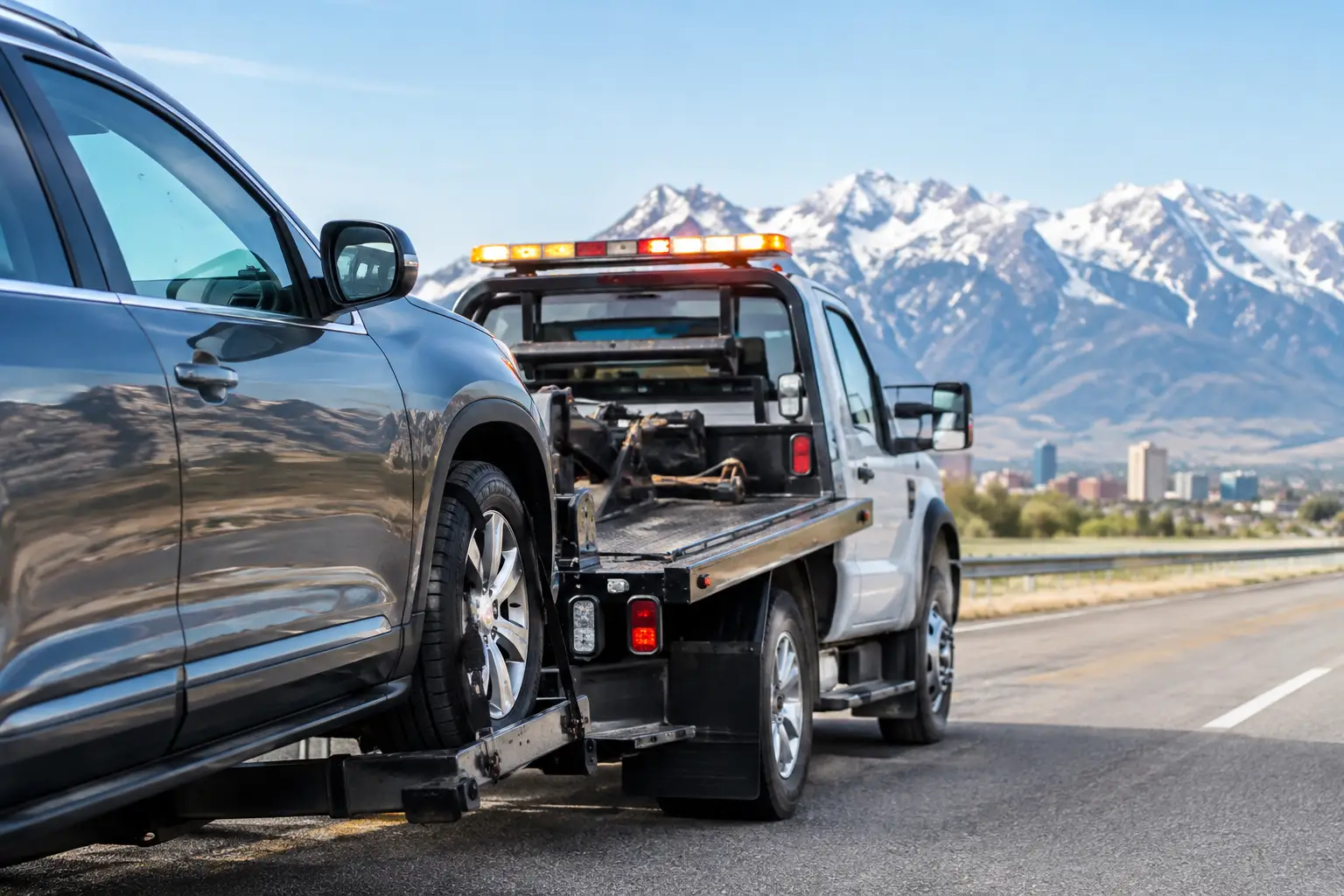
Towing wait times can change fast. See what affects arrival time in Salt Lake Valley and what to do while a local tow truck is on the way when stranded.
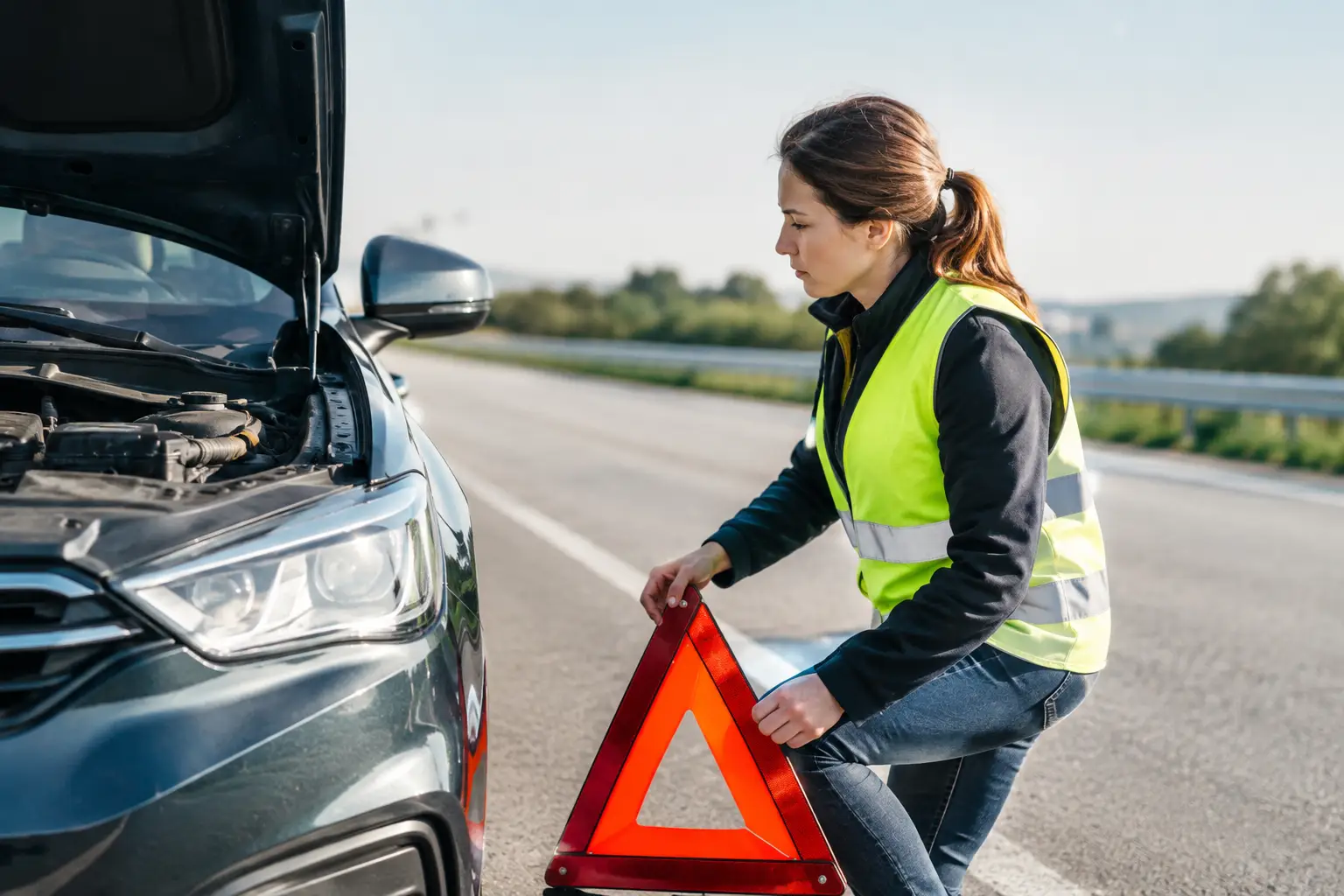
Learn how to secure a vehicle after a breakdown, stay visible, protect yourself from traffic, and get fast roadside help in Salt Lake Valley right now.
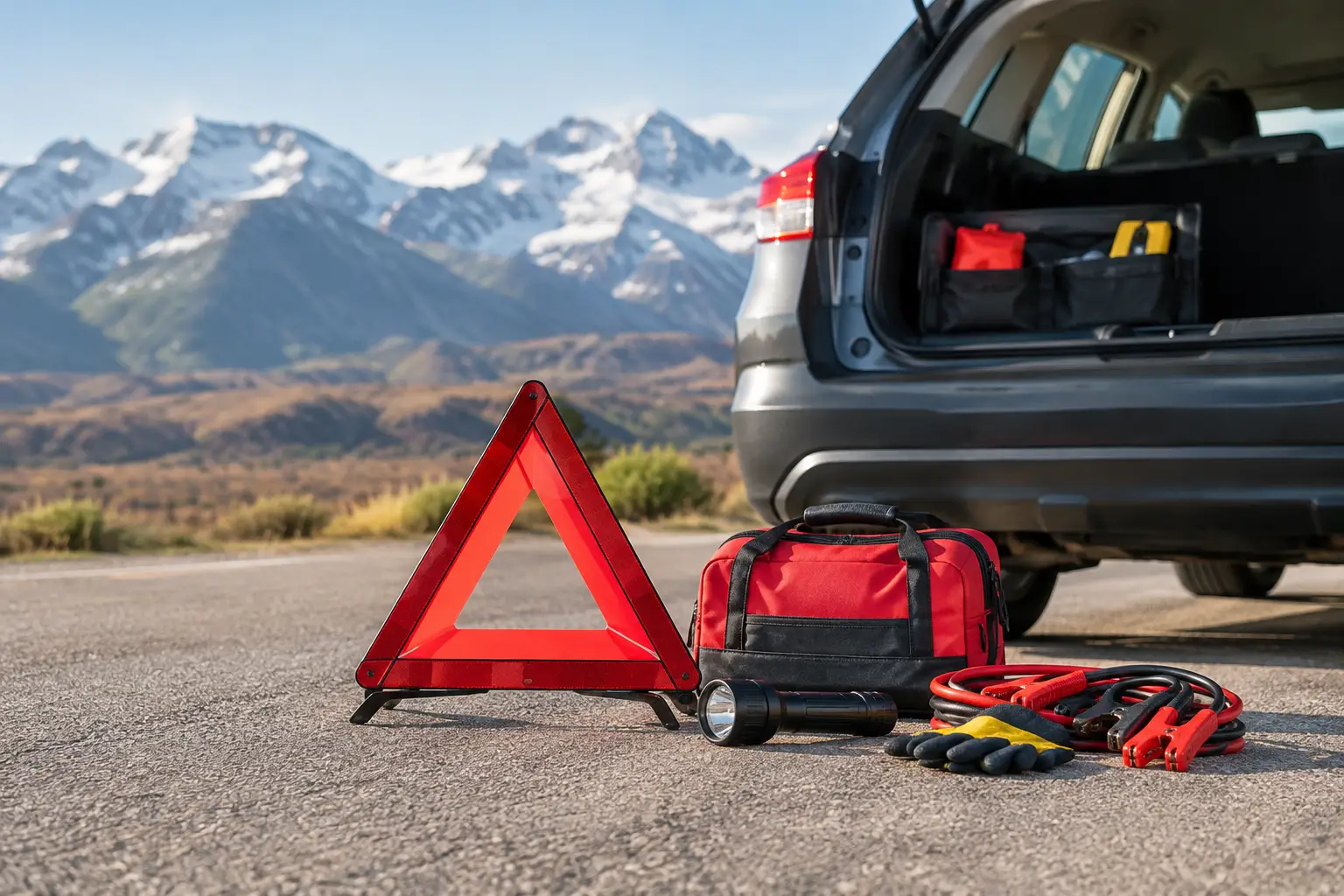
Find the best roadside safety kit for Utah driving, with practical gear for snow, heat, flats, dead batteries, and unexpected highway trouble after dark.