
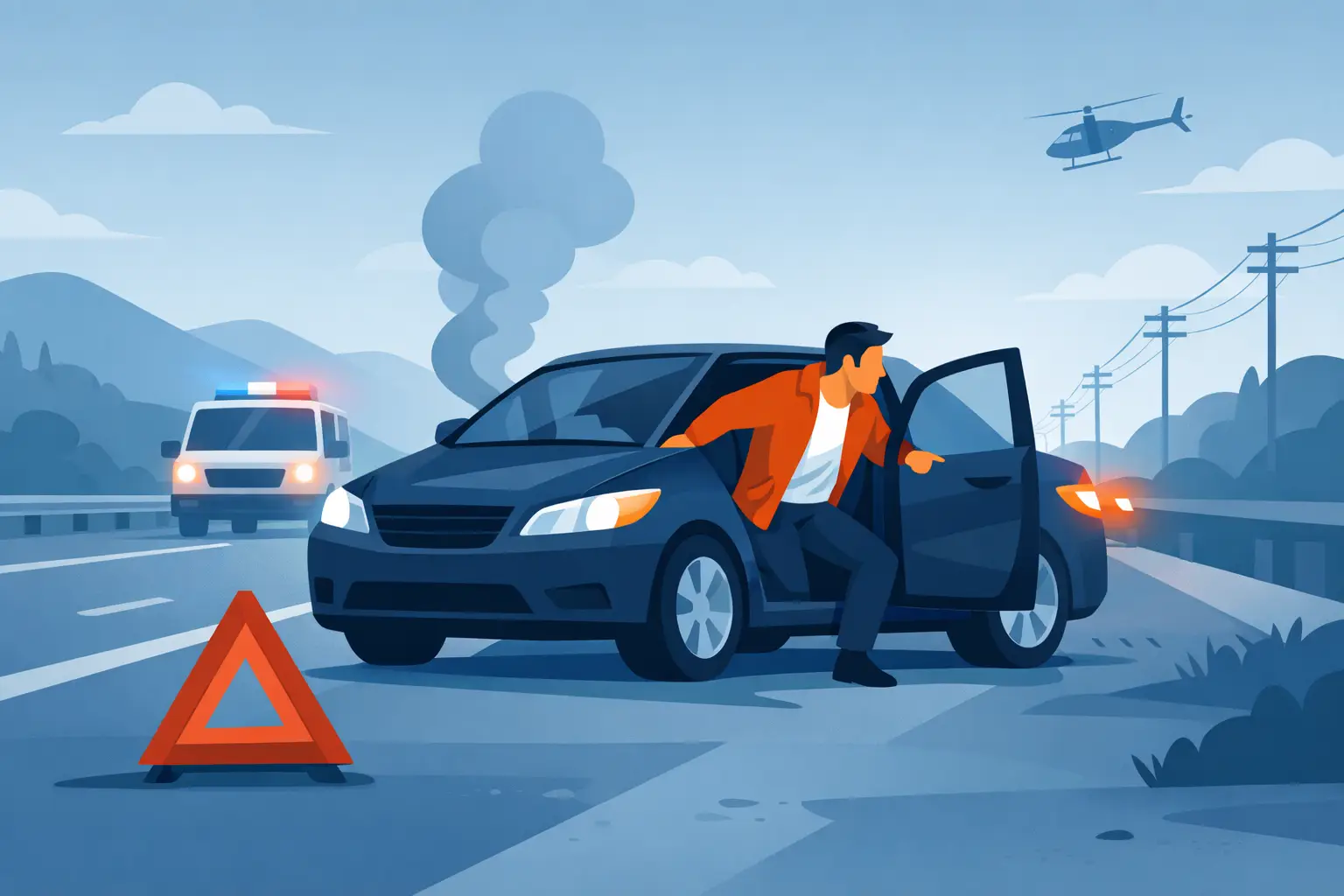
A stalled car on a busy Salt Lake Valley road creates two problems at once: the vehicle will not move, and traffic still is. Knowing how to exit a disabled vehicle safely starts with one rule: do not rush out just because the engine quit. Look around, identify the immediate danger, and choose the move that puts you farthest from traffic, fire, water, or other hazards.
If there is smoke, flames, rising water, a train approaching, or a serious collision risk, get out immediately and move to a safe location. If your vehicle is simply disabled on the shoulder of a freeway, staying inside with your seat belt fastened may be safer than stepping into fast-moving traffic. The right answer depends on where you stopped and what is happening around you.
How to Exit a Disabled Vehicle Without Making Things Worse
Before opening a door, take a few seconds to assess the scene. Turn on your hazard lights if you can do so safely. Put the vehicle in park, set the parking brake, and keep your foot on the brake until you are sure the vehicle is not rolling. If it is dark, turn on the interior light only if it helps you see without distracting other drivers.
Check every mirror and look over your shoulder for approaching cars, motorcycles, bicycles, and large trucks. On a road with traffic, exit from the side away from vehicles whenever possible. If your car is on the right shoulder, that generally means using the passenger-side door. Do not swing a door open into an active lane. A door hit by traffic can injure you and create a much larger emergency.
Once you are out, do not stand beside the disabled vehicle. Move well away from the travel lanes, ideally behind a guardrail or up an embankment if one is available. Stay visible, but do not put yourself in the path of traffic to wave down help. If you have passengers, help them leave from the safer side and keep everyone together in a protected location.
On a quiet neighborhood street or empty parking lot, exiting is usually straightforward. On I-15, I-215, Bangerter Highway, or another high-speed road, the shoulder can be dangerous enough that remaining buckled inside may be the better choice until emergency responders arrive. Use your best judgment based on traffic speed, shoulder width, weather, and the condition of your vehicle.
When You Should Get Out Right Away
Some situations do not leave room to wait for roadside help. If you smell fuel, see smoke, notice flames, or hear crackling from the engine area, get everyone out immediately. Move at least 100 feet away from the vehicle and avoid standing downhill from it if fuel may be leaking. Call 911. Do not return for bags, phones, or other belongings.
If your vehicle is stopped on railroad tracks, get out right away and move away from the tracks at a 45-degree angle in the direction the train is coming from. That direction matters because a collision can throw debris forward along the tracks. Call 911 and provide the railroad crossing location if you can see it.
A vehicle taking on water is another urgent situation. Unbuckle your seat belt, unlock or open a window, and get children out first if you can do so safely. Do not wait for the car to fill before acting. If a door will not open because of water pressure, use a window escape route. Once outside, move toward higher ground and call emergency services.
After a crash, check yourself and your passengers for injuries before moving. If anyone may have a neck, back, or serious head injury, avoid moving them unless fire, water, or another immediate threat makes staying impossible. If the vehicle has come to rest in a travel lane and can still be driven safely, pull it out of traffic. If it cannot move, turn on hazards, call 911, and follow dispatcher instructions.
When Staying Inside Is the Safer Call
Drivers often assume they must get out to inspect a flat tire, pop the hood, or place warning devices. That is not always smart. On a narrow freeway shoulder, a blind curve, a bridge, or a road with heavy traffic, the area outside your car may be more dangerous than the vehicle itself.
If there is no smoke, fire, water, or crash damage that makes the car unsafe, remain inside with your seat belt on. Keep the doors locked, call for help, and explain exactly where you are. Share nearby cross streets, mile markers, exit numbers, landmarks, and the direction you are traveling. A clear location helps dispatch the right assistance faster.
Do not attempt roadside repairs where passing traffic is only a few feet away. Changing a tire, checking under the hood, or trying repeated jump-start attempts on a crowded roadway can turn a manageable breakdown into an injury. A fast tow or roadside technician is cheaper than taking a chance with traffic.
If you are stranded in extreme heat or cold, the decision can be less obvious. Stay in the vehicle if it is safe from traffic and use heat or air conditioning only as conditions allow. In winter, make sure the exhaust pipe is clear of snow before running the engine. If you cannot safely remain warm or cool, tell emergency dispatchers and your roadside provider that weather is a concern.
What to Do Once You Are Safely Out
Get to a protected spot first. Then make calls. If the situation involves injuries, fire, aggressive traffic danger, a crash blocking lanes, or any immediate threat, call 911. For a mechanical breakdown, flat tire, dead battery, empty tank, or lockout in a safe location, call a qualified roadside assistance provider.
Give the dispatcher useful details: your vehicle make, model, color, location, the problem you noticed, and whether the vehicle is blocking traffic. Let them know if you have children, pets, medical concerns, or are stuck in an unsafe position. These details help the responding team prepare before they arrive.
Keep your phone charged if possible, but do not walk along a freeway to find a charger, gas station, or better signal. If your phone battery is low, send your location to a trusted contact and make the essential call first. Use your phone flashlight rather than wandering around your vehicle in the dark.
If you must wait outside the vehicle, stand behind a barrier or well off the roadway. Never stand between your car and another vehicle, especially on a hill. A passing driver, a shifting vehicle, or a second collision can pin someone with almost no warning.
Avoid These Common Breakdown Mistakes
Do not let embarrassment push you into bad decisions. Running out of gas, getting a flat, or having a battery die happens to every kind of driver. The dangerous mistakes are trying to flag down traffic, accepting help from someone who makes you uncomfortable, or working on a car too close to moving vehicles.
Avoid opening the hood on a high-speed road unless emergency responders ask you to do so. An open hood does not make your car safer, and it can pull you into an exposed spot. Skip flares if there is leaking fuel, dry brush, or any fire risk. If you have reflective triangles, use them only when you can place them without entering traffic.
Do not leave pets loose near the road. Put them on a leash or keep them secured in the vehicle if that is safer. A frightened pet can bolt into traffic and pull you after it.
Fast Help for Salt Lake Valley Drivers
A disabled vehicle does not always need a tow, but it always needs a safe plan. If you are in a safe place, help may mean a jump-start, tire change, fuel delivery, lockout service, or a tow to a repair shop. If you are in an unsafe place, tell the dispatcher immediately so the response matches the risk.
Munnster Towing provides 24/7 roadside assistance and towing for drivers across Salt Lake City, West Valley, West Jordan, South Jordan, Midvale, Draper, and nearby areas. Whether your battery died before work or your car stopped on the way home, the goal is simple: get you out of danger and get your day moving again without a long, expensive hassle.
Your vehicle can be repaired, towed, or replaced. Your first job is protecting yourself and your passengers. Take the safer exit when one is available, stay put when traffic makes exiting too risky, and call for help before a small breakdown becomes a roadside emergency.
continue reading
Related Posts
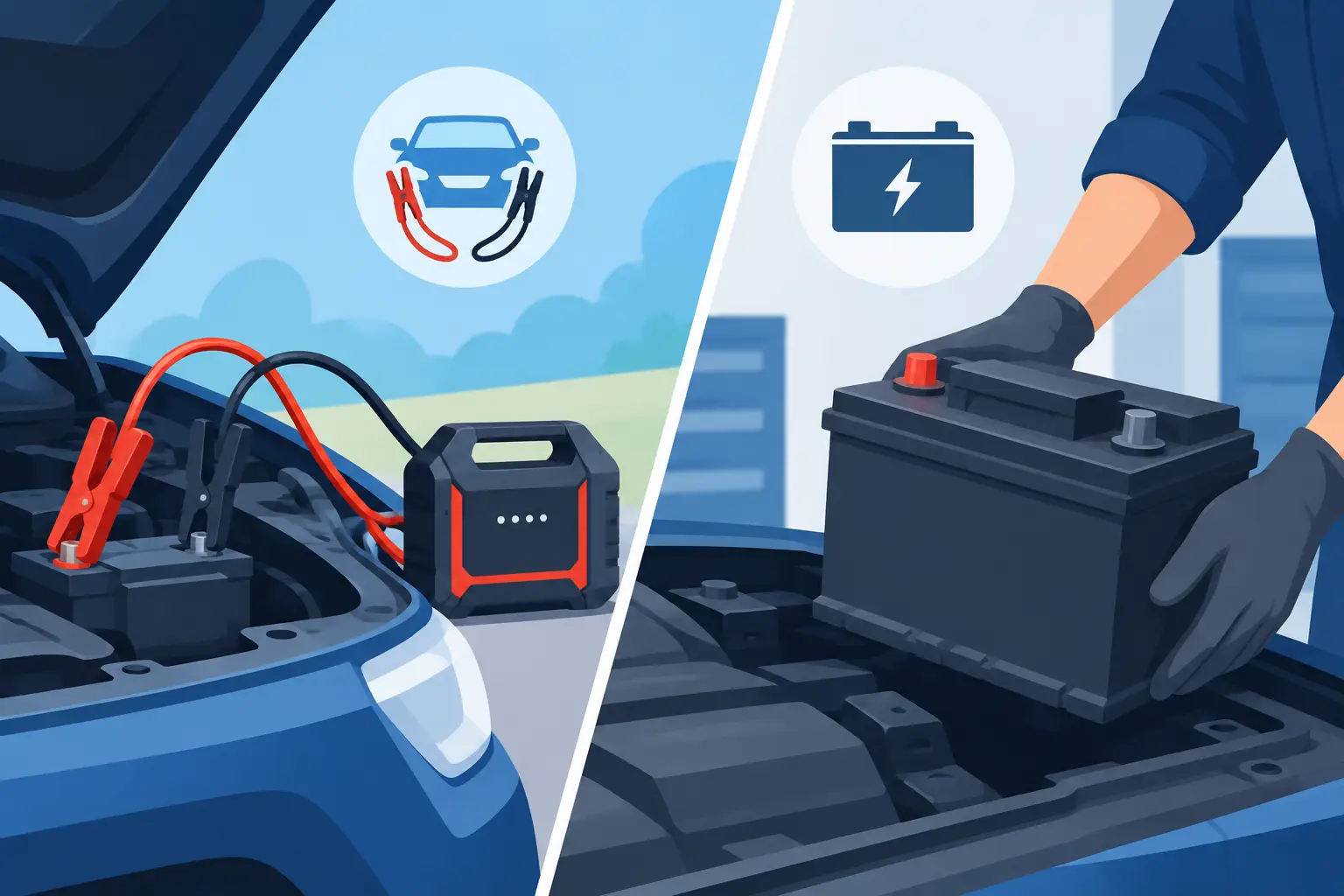
Dead battery? Compare jumpstart versus battery replacement, spot failure signs, and know when to call for quick, affordable roadside help in Utah today.
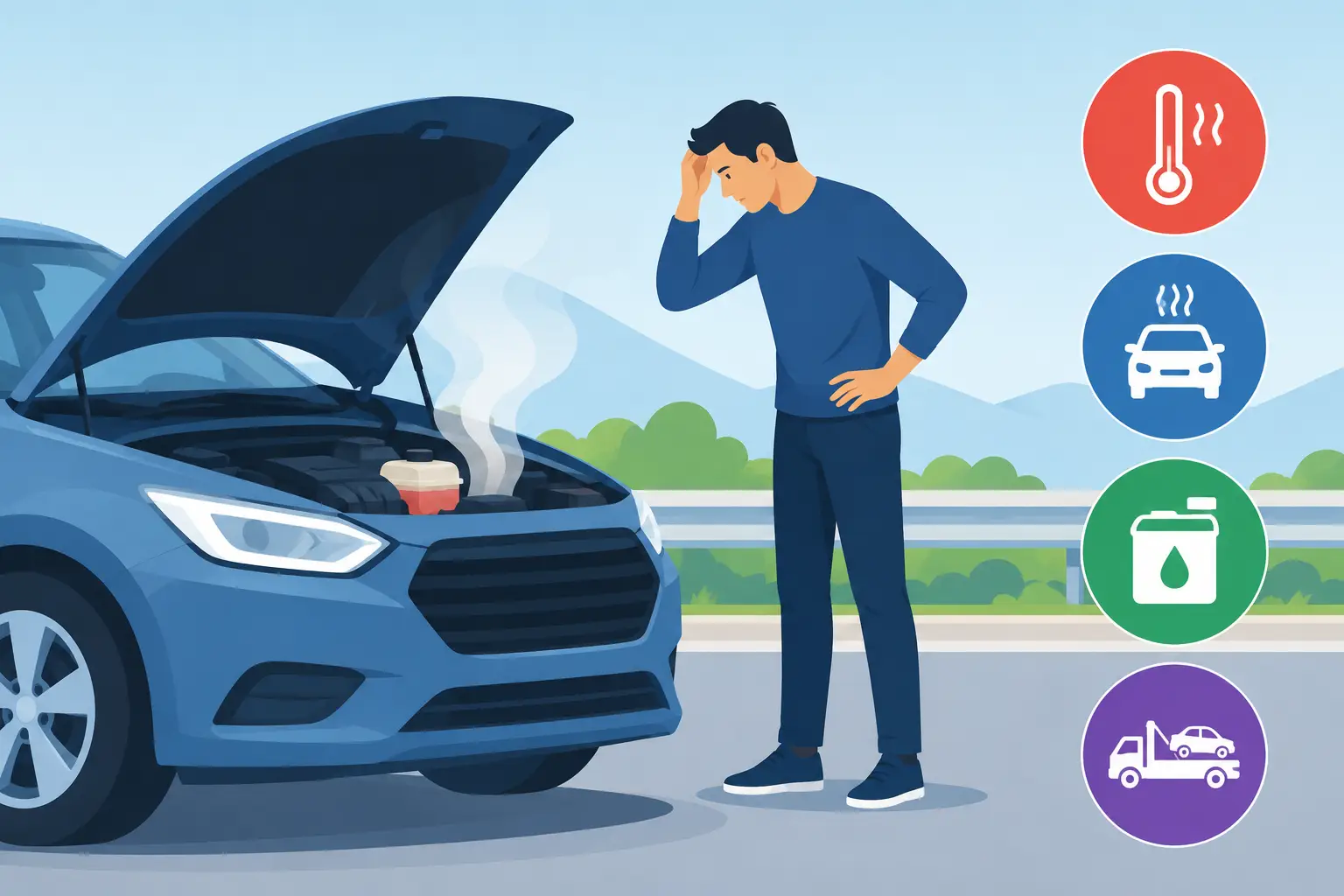
Car overheating can turn a normal drive into engine damage fast. Learn what to do safely, what not to do, and when to call for a tow in Salt Lake Valley.
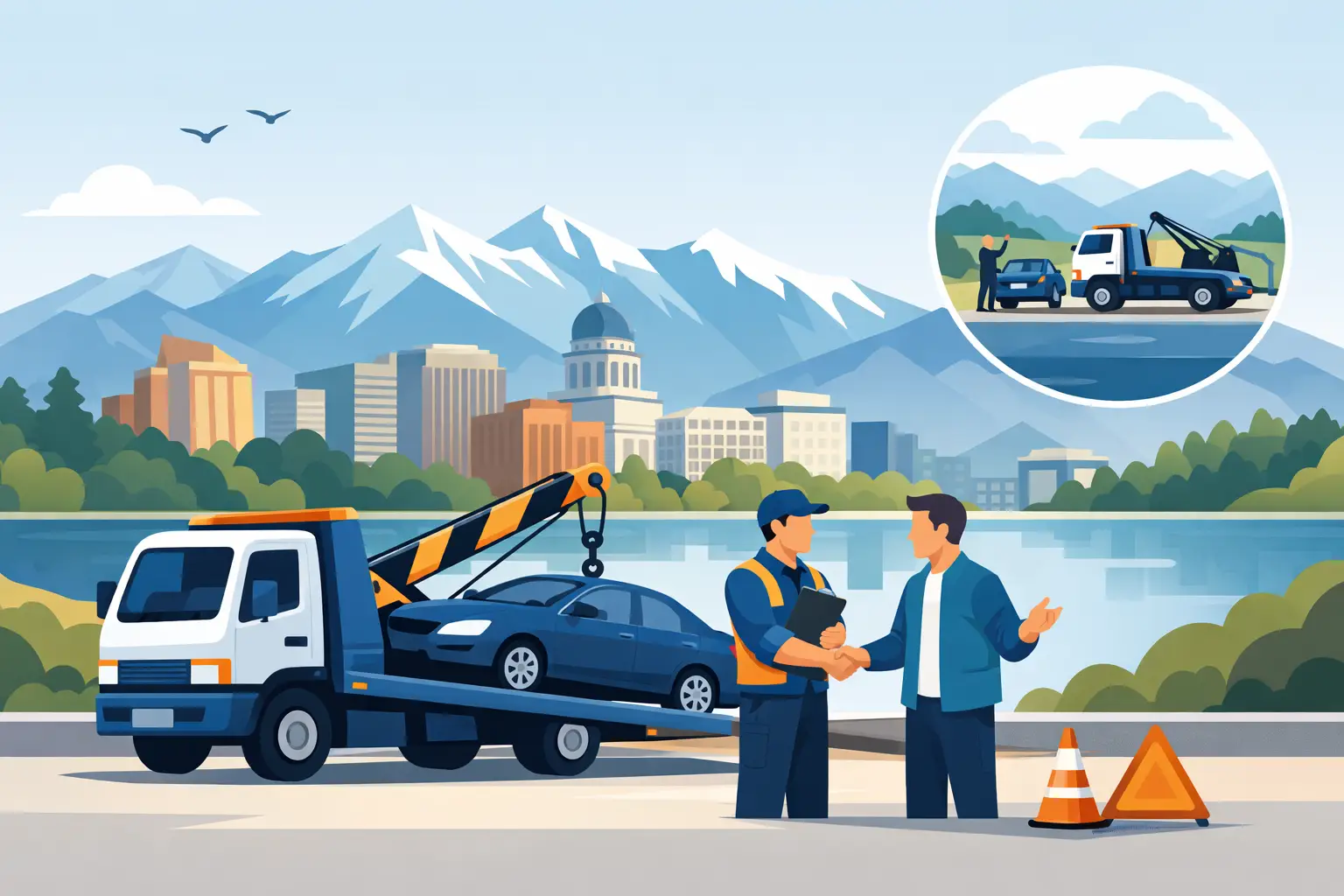
This Salt Lake towing case study shows how fast, affordable 24/7 roadside help gets a stranded commuter safely moving again without extra stress today.