
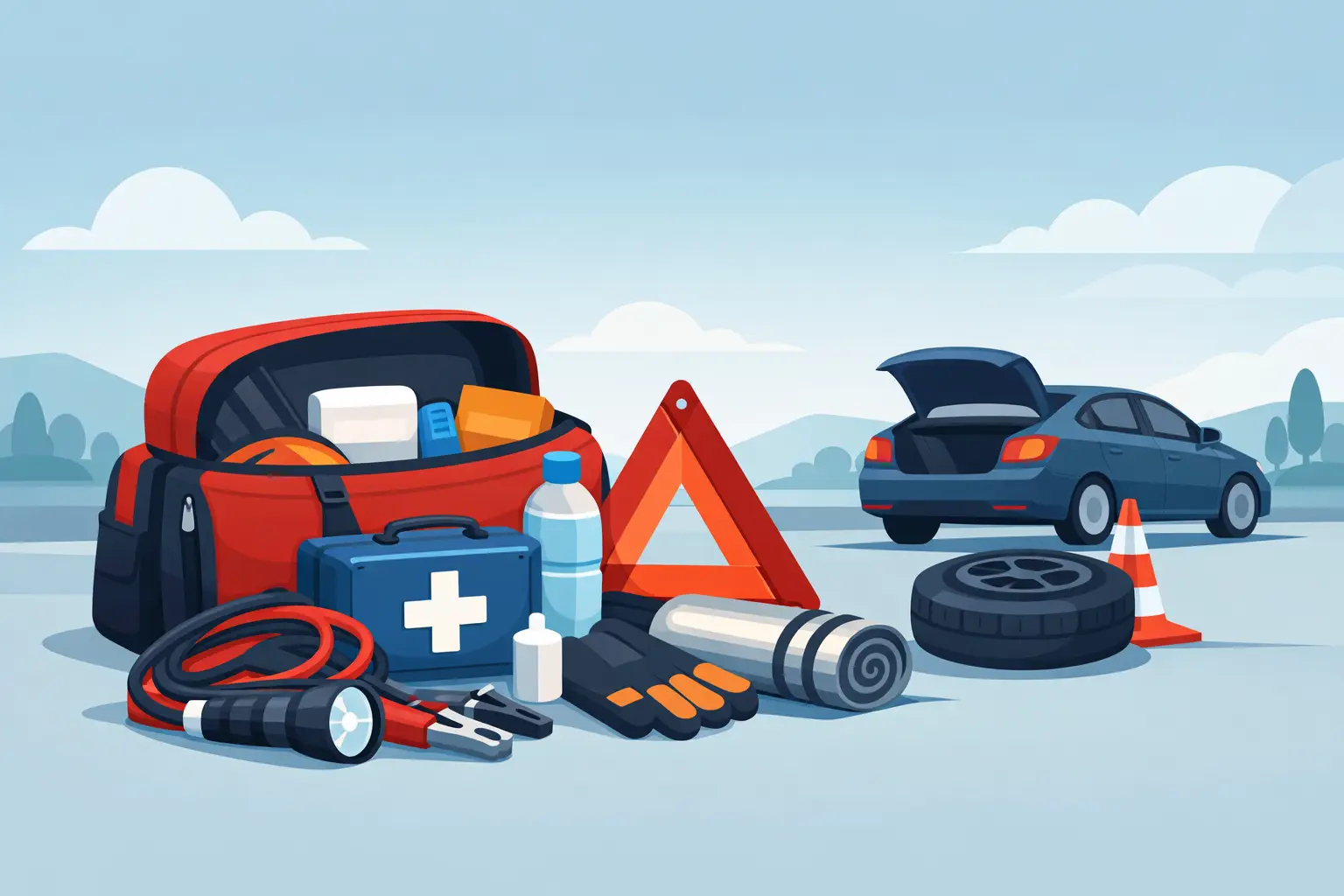
A dead battery in a grocery store lot is annoying. A dead battery on a cold Utah night, with low phone charge and kids in the back seat, is a different problem. The best emergency kit for drivers is not a giant box packed with gadgets you will never touch. It is a compact set of tools that keeps a bad roadside situation from becoming a long, expensive, and stressful wait.
For drivers around Salt Lake City and the Valley, a good kit needs to handle real problems: flat tires, ice, summer heat, dead batteries, getting stuck, and waiting safely for help. Start with the basics, then build around your vehicle, your usual routes, and the season.
What Makes the Best Emergency Kit for Drivers?
The right kit does two jobs. First, it helps you solve small problems safely, such as a weak tire or a drained phone battery. Second, it keeps you visible, warm, hydrated, and prepared while professional roadside help is on the way.
Do not buy an oversized prepacked kit just because it has 80 pieces. Some are heavy on cheap bandages and light on items that actually matter when your car will not start. A practical kit should be easy to find in the trunk, simple enough to use under pressure, and checked a few times a year.
A sturdy tote or soft-sided bag works well. Keep the items together instead of scattering them through the glove box, center console, and trunk. When you are stuck on the shoulder, this is not the time to hunt for a flashlight under old receipts.
The Gear That Belongs in Every Car
A few items earn their spot in nearly every emergency kit, whether you drive across town for work or regularly take I-15 through changing weather.
Light, visibility, and communication
Start with a dependable LED flashlight and spare batteries. A headlamp is even better because it keeps both hands free while you look at a tire, connect jumper cables, or search for something under the hood. Do not rely on your phone flashlight alone. Your phone battery may be low, and you may need it to call for help.
Add reflective warning triangles or LED road flares, plus a high-visibility vest. These are especially useful if you are stopped after dark, in snow, or beside fast traffic. Put the vest somewhere you can reach before stepping out of the vehicle. Visibility is not a nice extra when cars are flying past you.
A charged power bank and charging cable are also must-haves. Keep a vehicle charger in the car, but bring a separate power bank in case the vehicle has no power. Save local roadside assistance numbers in your phone before you need them.
Tire trouble essentials
A flat tire is one of the most common roadside calls, and it can happen anywhere. Your vehicle should already have a spare tire, jack, and lug wrench, but check that they are actually there. More than a few drivers discover a missing jack only after getting a flat.
Include a tire pressure gauge and a portable air compressor that plugs into the vehicle’s 12-volt outlet. A slow leak may be manageable long enough to get safely off the road or reach a tire shop. Tire sealant can help in limited situations, but it is not a cure-all. It may not work on sidewall damage, larger punctures, or a shredded tire, and some tire shops prefer that it not be used.
If the tire is unsafe to drive on or you do not have a safe place to change it, do not gamble. Move as far from traffic as possible, turn on your hazards, and call for a flat-tire service.
Battery and basic recovery items
Quality jumper cables are worth carrying, but a portable jump starter is often the better choice. It lets you start a battery without depending on another driver to stop, position their vehicle correctly, and wait around. Choose one with clear instructions, enough power for your engine size, and a battery level you check regularly.
Keep a pair of work gloves and a basic multitool or small tool set. Gloves protect your hands from cold metal, sharp edges, and grime. A multitool can handle minor tasks, but do not turn a serious mechanical problem into a parking-lot repair project.
Tow straps are more complicated. A recovery-rated strap can be useful if you understand proper attachment points and the situation is safe. A cheap strap tied to the wrong part of a vehicle can cause major damage or serious injury. For a vehicle in a ditch, snowbank, mud, or an awkward off-road position, professional recovery is the smart call.
Add Supplies for Utah Weather
Weather can change fast across the Wasatch Front. Your emergency kit should change with it.
Winter kit priorities
From late fall through early spring, pack a warm blanket or insulated emergency bivy, a knit hat, gloves, and extra warm layers. A small folding shovel, ice scraper, snow brush, and traction aid can make a huge difference when parking lots and side roads get slick.
Keep nonperishable snacks such as protein bars, along with bottled water. Check them often. Water can freeze in deep cold, and food left through a hot summer can become unpleasant or expire. A small supply of sand, traction mats, or non-clumping cat litter may help a lightly stuck vehicle gain grip. It will not pull a vehicle out of deep snow, but it can help on a slick patch.
Do not run your engine in a blocked garage, snowbank, or any situation where the exhaust pipe may be obstructed. Carbon monoxide is odorless and dangerous. If you are waiting in winter conditions, keep the exhaust area clear and use the heater in short intervals only when conditions allow.
Summer and year-round comfort
Utah summer heat creates its own roadside risks. Carry extra drinking water, sunscreen, and a sunshade if your vehicle may be stopped for a while. A small first-aid kit is sensible year-round for cuts, blisters, headaches, and minor injuries.
Include paper towels, wet wipes, hand sanitizer, and a trash bag. These will not get your vehicle moving, but they are useful after a spill, a messy tire change, or a long wait with children. If you take medication that cannot be left in extreme heat or cold, do not store it permanently in the car.
Know What Your Kit Cannot Fix
Prepared drivers still need to know when to stop trying. If your vehicle is smoking, leaking fuel, overheating, making loud mechanical noises, or sitting in a dangerous traffic position, get yourself to a safe location and call for help. The same goes for an accident, a locked vehicle with a child or pet inside, or a vehicle that is stuck where recovery could damage it.
Your first priority is staying out of traffic. Turn on hazard lights, move away from moving vehicles when it is safe, and avoid standing directly behind or in front of your car. On a busy highway, remaining inside with your seat belt on can be safer than walking along the shoulder. It depends on the location, traffic speed, weather, and whether the vehicle is in immediate danger.
For drivers in Salt Lake City, West Valley, West Jordan, South Jordan, Midvale, or Draper, fast local roadside help can be the missing piece of any kit. Munnster Towing provides 24/7 assistance for jumpstarts, flat tires, lockouts, fuel delivery, towing, and vehicle recovery when the problem is bigger than what roadside supplies can handle.
Check Your Kit Before It Fails You
Set a reminder to inspect your kit at the start of summer and winter. Test the flashlight, recharge the jump starter and power bank, replace expired snacks and first-aid supplies, and make sure your spare tire has air. Check the condition of jumper cables, gloves, warning triangles, and the vehicle’s jack.
Also consider the people who normally ride with you. A family vehicle may need more water, blankets, and snacks. A rideshare driver may prioritize phone charging, a bright safety vest, and a compact tire inflator. A commuter who travels mountain roads may need stronger winter supplies than someone who mostly drives city streets.
Pack the tools, keep your phone charged, and do not wait until you are stranded to learn where your spare tire and jump points are. A well-stocked car gives you options, and when the situation is not safe or simple, calling for fast help is the right move.
continue reading
Related Posts
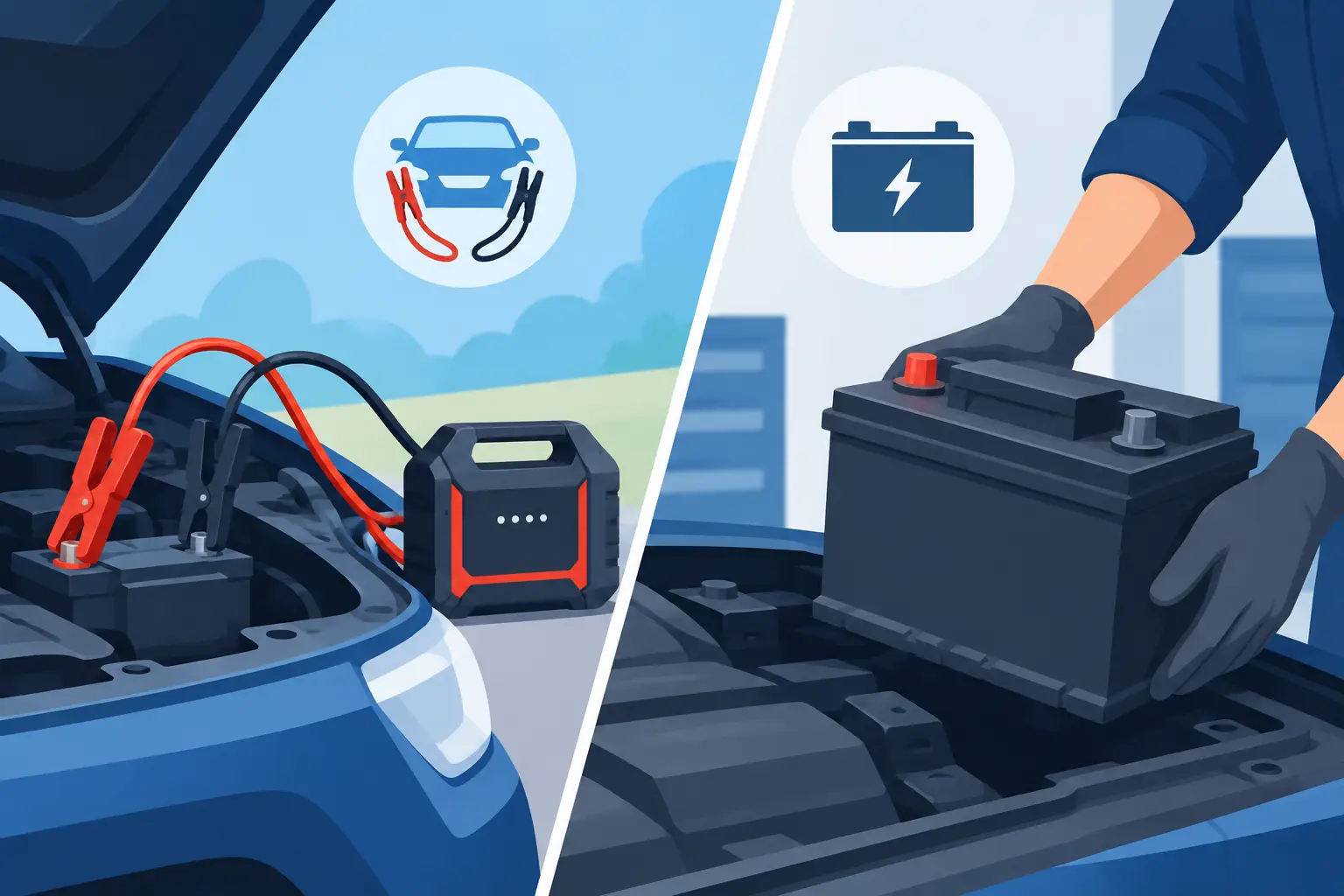
Dead battery? Compare jumpstart versus battery replacement, spot failure signs, and know when to call for quick, affordable roadside help in Utah today.
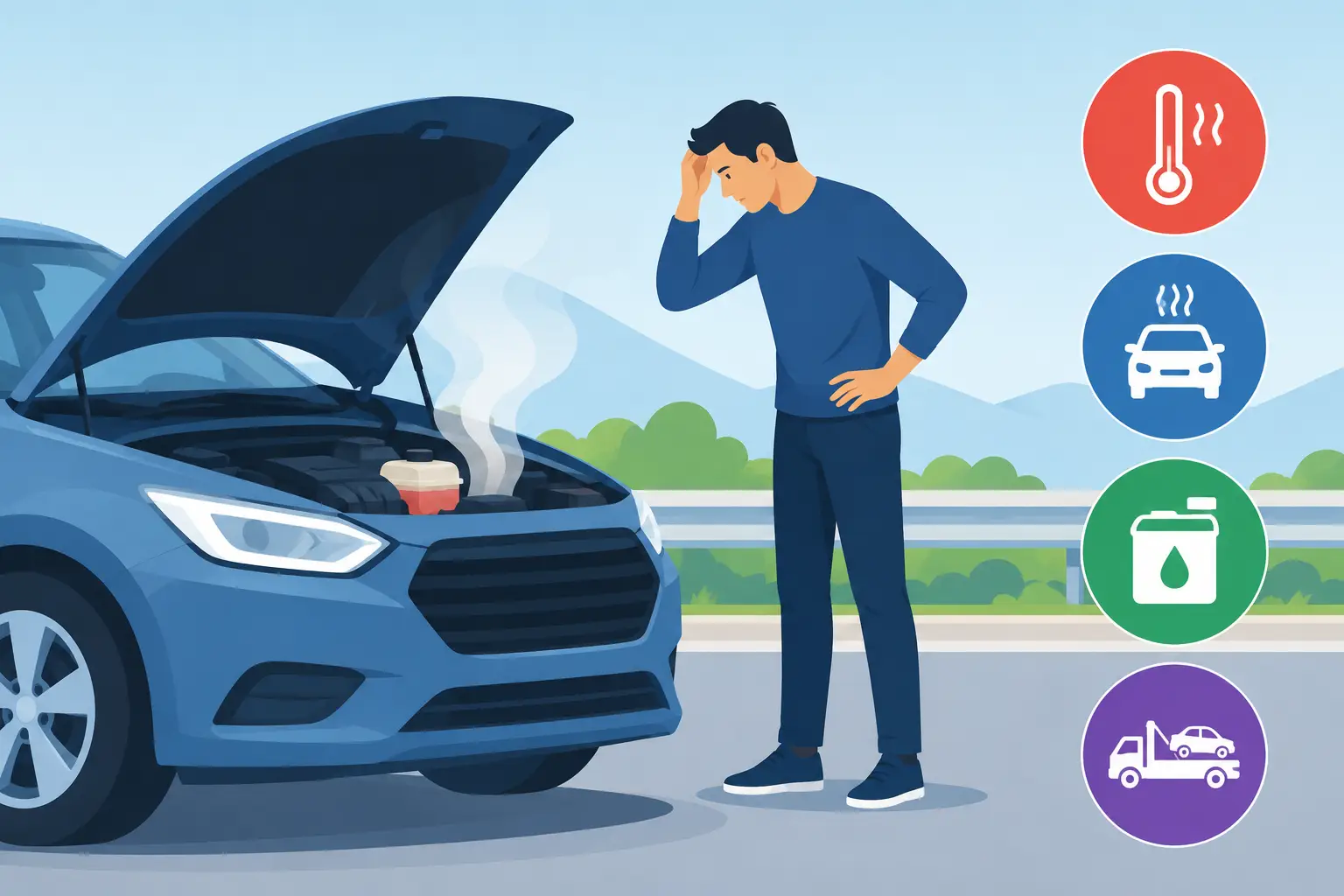
Car overheating can turn a normal drive into engine damage fast. Learn what to do safely, what not to do, and when to call for a tow in Salt Lake Valley.
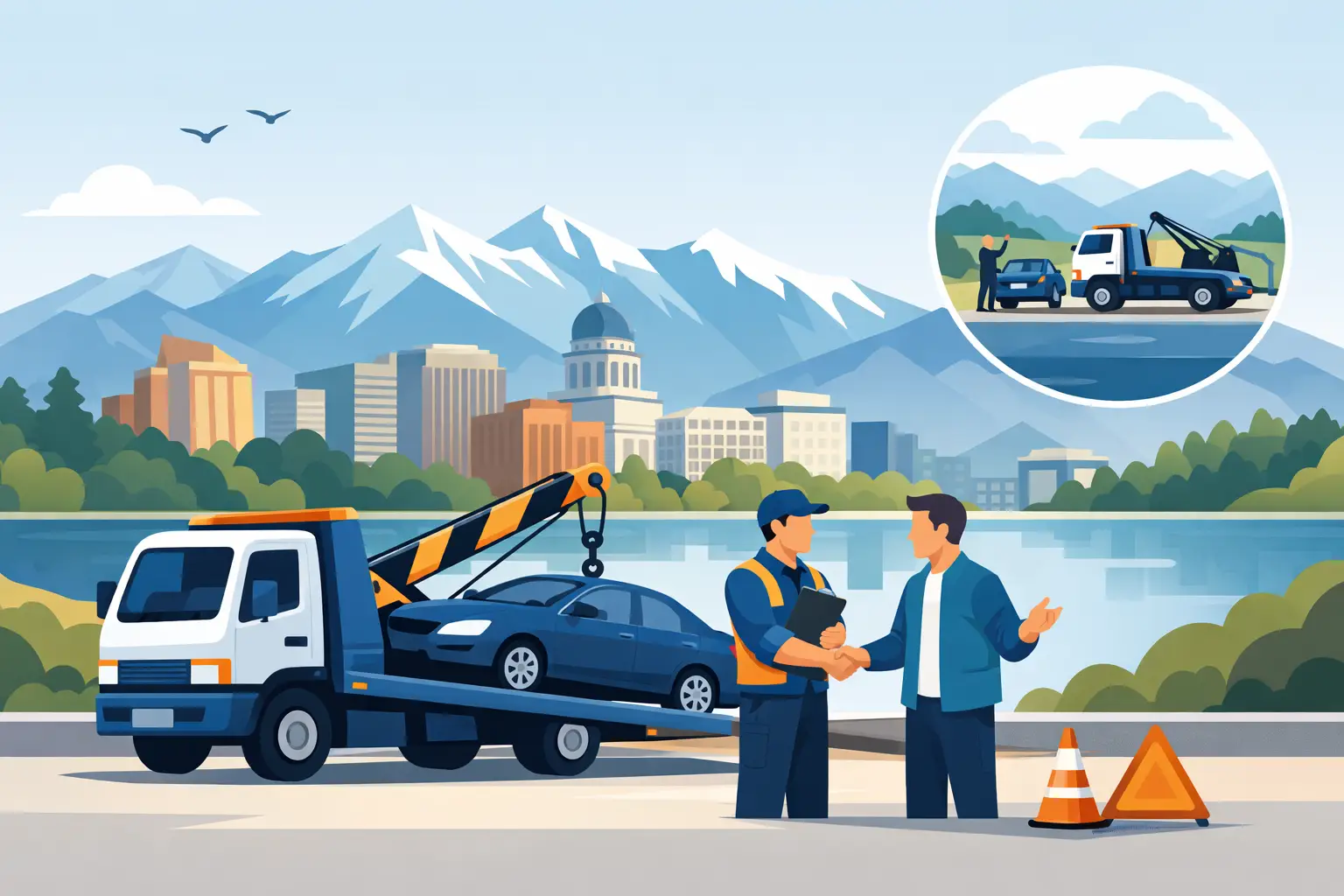
This Salt Lake towing case study shows how fast, affordable 24/7 roadside help gets a stranded commuter safely moving again without extra stress today.