
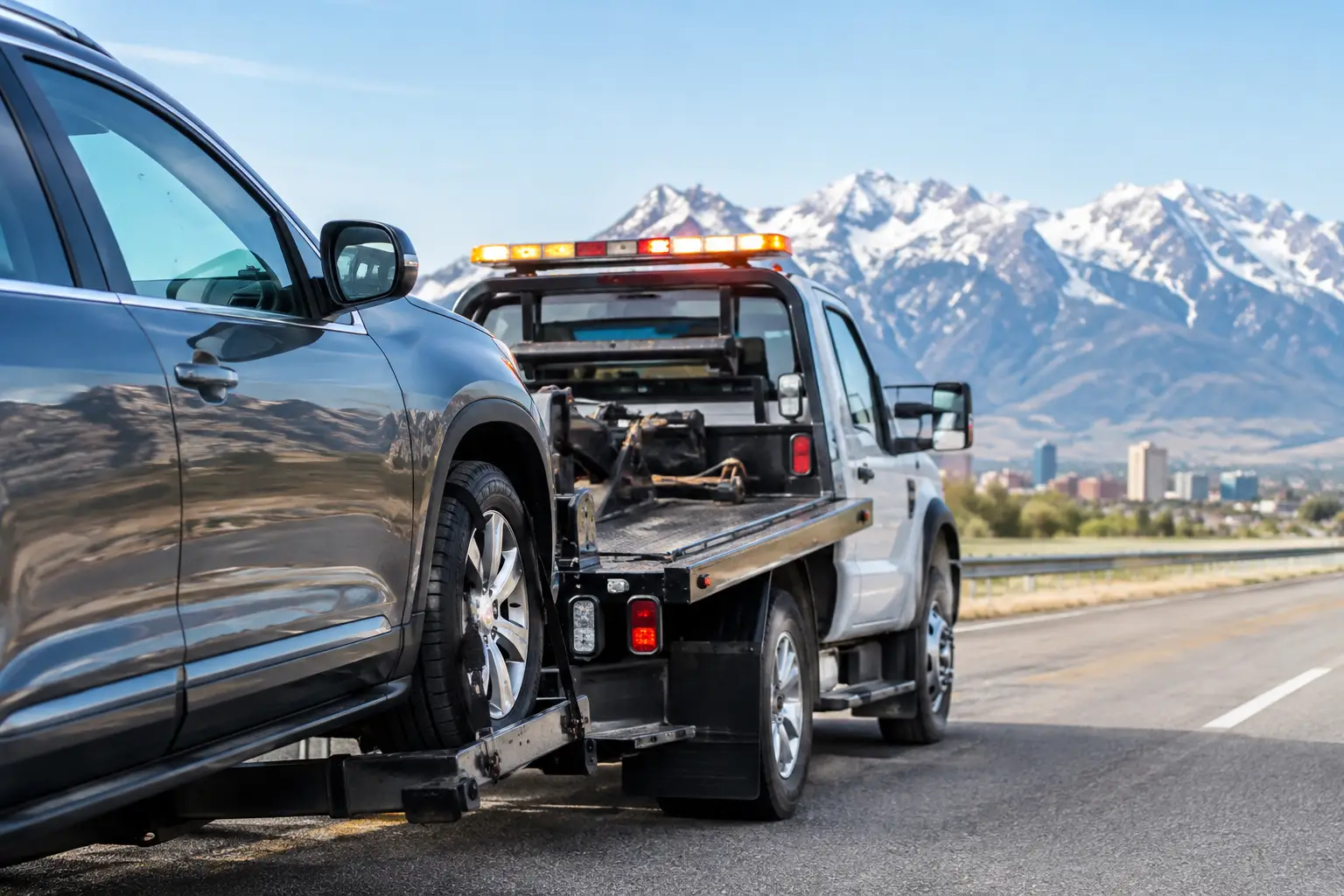
A dead battery in a grocery-store lot is annoying. A flat tire on I-215 after dark is a whole different problem. When you need help, towing wait times are not just a minor inconvenience – they affect your safety, your schedule, and whether you can get home, get to work, or pick up your kids.
The honest answer is that tow truck arrival times can vary. A good local towing company should give you a realistic estimate, keep you informed if conditions change, and dispatch the right truck for the job. Here is what can affect the wait and what you can do to get help moving your way faster.
Why towing wait times change
No two roadside calls are exactly alike. A truck that can handle a quick lockout may not be the right unit for an accident recovery, a low-clearance vehicle, or a pickup that needs a flatbed. Dispatch has to match the right driver and equipment to your situation, then get that truck safely through traffic to your location.
Location matters first. If a tow truck is already finishing a call near West Valley City, Kearns, or Taylorsville, it may be able to reach you quickly. If the nearest available truck is across the valley, the trip will take longer. A busy freeway, a tucked-away apartment complex, a canyon road, or an unmarked parking lot can also add time if the driver has trouble finding you.
Call volume is another major factor. Severe heat can bring battery trouble. Snow and icy roads can turn a normal afternoon into a flood of slide-offs, collisions, and disabled vehicles. After a major accident or during a storm, tow operators may be handling calls that require police coordination, winching, traffic control, or extra recovery equipment. Those jobs take longer than a standard tow.
The type of service you need also changes the timeline. A roadside technician may be able to jump-start a vehicle, change a tire, bring fuel, or unlock a car without loading it onto a truck. A vehicle with collision damage, missing wheels, a broken steering system, or a parking-garage clearance issue often needs more planning and specialized equipment.
How to get a more accurate arrival estimate
The fastest way to slow down a dispatch is to provide incomplete information. You do not need to know automotive terms. You do need to describe what happened clearly and give a location a driver can actually find.
When you call for service, have your exact location ready. A street address is great, but highway direction, closest exit, cross streets, landmarks, parking-lot entrance, or a dropped map pin can be just as helpful. Saying you are “near the mall” leaves too much room for guessing. Saying you are on the east side of the lot near the loading area gives the driver a real target.
Tell dispatch the year, make, model, and color of the vehicle. Mention whether it is a car, SUV, pickup, motorcycle, or work vehicle. If the vehicle is in a garage, stuck in mud or snow, damaged after a crash, blocked in, or unable to roll, say so upfront. These details determine what equipment needs to be sent.
Be clear about the problem and the destination. If you want a tow to a repair shop, have the shop name and address ready. If your vehicle is all-wheel drive, electric, lowered, or has unusual damage, mention that too. A few extra seconds on the phone can prevent a truck change or return trip later.
Most importantly, answer your phone after requesting help. Dispatch or the driver may need to confirm your exact position, ask about access, or let you know they are nearby. A missed call can turn a short wait into a much longer one.
Towing wait times in Salt Lake Valley
Salt Lake Valley has its own traffic patterns, weather swings, and roadside challenges. Morning and evening commutes can slow travel on I-15, I-215, Bangerter Highway, and major surface streets. A truck may be only a few miles away but still need time to move safely through backed-up traffic.
Winter is when wait times can be especially unpredictable. A light snowstorm can create a rush of spin-outs, dead batteries, and vehicles stuck in parking lots or side streets. During those periods, the best towing companies focus on urgent safety situations first, then work through the remaining calls as efficiently as possible. That can be frustrating if you are warm and safe at home, but it is the right priority when someone is stranded in an active traffic lane.
Summer brings different problems. Overheating, tire blowouts, and battery failures can rise during high temperatures, especially for commuters and drivers making longer trips. Weekend events, construction zones, and airport-area traffic can also affect how quickly a truck can travel.
That does not mean you should expect a vague answer. You deserve a straight estimate based on current conditions. If the situation changes, you deserve an update. Fast service is the goal, but safe driving, correct equipment, and honest communication matter more than a promise that sounds good but cannot be kept.
What to do while you wait for a tow truck
Your first job is keeping yourself out of danger. If your vehicle is in a traffic lane or on a narrow shoulder, move to a safer location if the car can be moved without creating more risk. If it cannot, turn on your hazard lights and get away from passing traffic when it is safe to do so. Do not stand between your vehicle and the road.
At night, stay visible. Keep your phone charged if possible, and avoid wandering away from the vehicle unless the area feels unsafe. If you are in a well-lit business lot, it may make sense to wait inside the business or close to an entrance, as long as the driver can still locate the vehicle.
If you are locked out, do not try to pry open a door or force a window. That can turn a simple lockout into expensive damage. If you have a flat tire, do not attempt a roadside change in fast traffic unless you have a truly safe place to work. Saving a few minutes is not worth getting hurt.
For an accident, call emergency services first if anyone is injured, traffic is blocked, fuel is leaking, or the vehicle is unsafe to drive. Take photos when it is safe, exchange required information, and wait for instructions. Recovery work often takes longer because it must be done carefully and without creating a second hazard.
A roadside fix may beat a tow
Sometimes the fastest solution is not towing at all. If the issue is a drained battery, an empty gas tank, a lockout, or a flat tire with a usable spare, roadside assistance may get you going sooner and at a lower cost than transporting the vehicle.
It depends on the cause of the problem. A jump-start is useful if you left a light on, but a battery that keeps dying may still need testing or replacement. Fuel delivery can get you off the shoulder, but it will not fix a vehicle that stalled for another reason. A professional dispatcher can help determine whether a quick roadside service makes sense or whether your vehicle needs a tow.
If your wait is longer than expected
Conditions can change quickly. A crash can close a road. A previous recovery can become more involved than expected. Weather can slow every truck in the area. If your estimated arrival window passes, call for an update rather than assuming you have been forgotten.
Let dispatch know if your location changes, if police have asked you to move, if the vehicle has become unsafe to drive, or if someone is now waiting with you. These details can affect how the call is prioritized and how the driver approaches the scene.
Avoid arranging a second tow without canceling the first one. Two trucks showing up for the same vehicle creates confusion, may cause unnecessary charges, and wastes time that could have gone to another stranded driver.
Fast help starts with the right call
A good towing company will not pretend every call has the same arrival time. What it can do is answer quickly, dispatch the proper truck, communicate clearly, and treat your situation like it matters. That is what drivers need when a normal day suddenly turns into a roadside problem.
Munnster Towing provides 24/7 towing and roadside assistance across the Salt Lake Valley for drivers dealing with breakdowns, lockouts, flat tires, dead batteries, accident recovery, and more. Give your exact location, explain what is going on, and get a straight answer about the help headed your way. When you are stranded, the right move is simple: get to a safe place, keep your phone close, and call for dependable local help.
continue reading
Related Posts
Use this vehicle transport guide to choose the right tow, prepare your car, avoid surprise costs, and get fast local help across Salt Lake Valley today.
Towing versus transport comes down to your vehicle, distance, and urgency. See which option protects your car and gets it where it needs to go safely.
Roadside assistance versus mechanic: learn who to call for a flat tire, dead battery, lockout, warning light, or breakdown in Salt Lake Valley fast.