
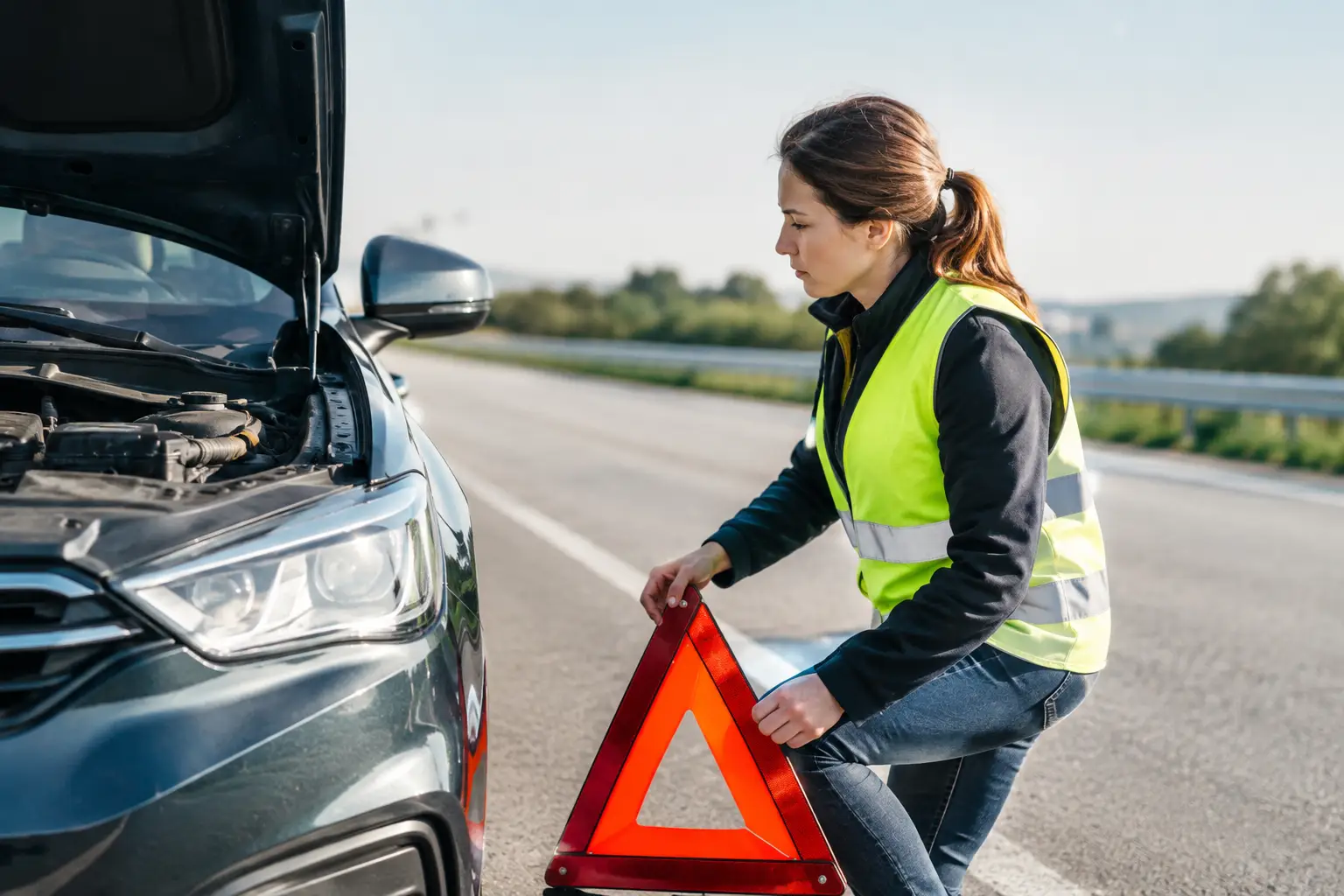
A breakdown can turn an ordinary drive home from work, school pickup, or a late shift into a stressful roadside problem fast. Knowing how to secure a vehicle after a breakdown protects you from traffic, makes it easier for help to find you, and reduces the chances of turning a mechanical issue into an accident or theft situation.
The first few minutes matter most. Do not focus on diagnosing the car while vehicles are flying past. Focus on getting out of immediate danger, making your vehicle visible, and putting yourself in the safest available spot.
Secure Your Vehicle After a Breakdown Before Anything Else
If the vehicle is still moving, steer it as far away from active traffic as you safely can. A parking lot, wide shoulder, side street, rest area, or driveway is far better than stopping in a travel lane. On busy Salt Lake Valley roads, the safest choice is not always the closest shoulder. If you can coast to an exit or a safer off-road location without creating more risk, do that.
Turn on your hazard lights right away. They tell approaching drivers that something is wrong and give them more time to slow down or move over. If it is dark, snowing, raining, or visibility is poor, hazards are even more critical.
Once stopped, place the vehicle in park and set the parking brake. Turn your wheels away from traffic if you are on a slope or near a curb. This small step helps prevent the vehicle from rolling if it gets bumped or if the parking brake does not hold as well as it should.
Do not leave the keys in the ignition if you need to step away from the vehicle. Lock the doors, take your phone, wallet, and any essential medication with you. A disabled vehicle can still be a target for theft, especially if it is left unattended on the roadside.
Decide Whether to Stay Inside or Get Out
There is no single answer for every breakdown. Your best move depends on traffic speed, your exact location, weather, and whether the vehicle is in a dangerous position.
If you are safely off the roadway with room between your vehicle and moving traffic, staying inside with the doors locked and seat belts on is often the smart choice. You are protected from weather, you are easier for a tow truck driver to spot, and you avoid standing near passing cars.
If your vehicle is stopped in a travel lane, partially blocking traffic, smoking, leaking fuel, or sitting in a spot where another driver may not see it, get out only if you can do so safely. Exit from the side away from traffic. Move well away from the roadway, preferably behind a guardrail or up an embankment when one is available. Never stand directly in front of or behind the vehicle. A rear-end collision can push a disabled car forward without warning.
If you have children, older passengers, or pets with you, keep the group together. Do not let anyone wander around the roadside or cross lanes to reach a gas station or business. Call for help first, then follow the safest instructions for your location.
Do Not Attempt Roadside Repairs in Traffic
Changing a tire on a quiet, level street is one thing. Changing it beside fast traffic, in the dark, during a storm, or on uneven ground is another. The same goes for looking under the hood near an active road.
A flat tire, dead battery, empty fuel tank, or overheating engine can usually wait for roadside assistance. The trade-off is simple: waiting may be inconvenient, but being exposed to traffic is far more dangerous. If the car is in an unsafe place, request a tow rather than trying to fix it yourself.
Make Your Disabled Vehicle Easy to See
Hazard lights are the starting point, not always the whole plan. If it is safe to do so and you have them, use reflective triangles, flares, or LED roadside beacons. Put them behind the vehicle in the direction traffic is coming from, but only if you can place them without walking in or near active lanes.
At night, leave your interior dome light off if you are waiting inside. It can make it harder to see outside your windows. Keep hazards on, and use your phone flashlight only when needed to avoid draining your battery.
If you have a hood latch issue, engine trouble, or a dead battery, do not automatically raise the hood. An open hood can signal that you need help, but it can also block your view or create confusion for a tow operator trying to assess the vehicle from a distance. Hazards and a clear description of your location are more useful than relying on a signal someone may not notice.
Call for Help With the Right Details Ready
When you call for towing or roadside assistance, give the dispatcher the information that speeds up the response. Start with your exact location. A street address is great, but highway markers, exit numbers, cross streets, nearby businesses, travel direction, and vehicle color are helpful when an address is unavailable.
Explain what happened in plain language. Say whether the vehicle has a flat tire, will not start, was in an accident, is stuck off-road, is overheating, or has warning lights on. Mention if you are in a parking garage, on a narrow street, towing a trailer, or parked in a spot with limited access. Those details help send the right truck and equipment the first time.
Also tell the dispatcher whether you and the vehicle are in a safe location. A car stranded in a West Valley City parking lot and a car stopped near fast traffic in Salt Lake City require different levels of urgency. If you feel unsafe, say so clearly.
Munnster Towing provides 24/7 towing and roadside assistance for drivers who need a fast, affordable response across the Salt Lake Valley. Whether you need a jump-start, lockout service, fuel delivery, tire help, or a tow to your preferred repair shop, calling early prevents a bad situation from dragging on.
Protect Yourself While You Wait
Keep your phone charged if possible. If your battery is low, close unnecessary apps, lower screen brightness, and avoid long calls after you have arranged service. Save enough power to communicate with the tow driver or call 911 if conditions change.
Do not accept help from a stranger who makes you uncomfortable. A good rule is to keep doors locked and speak through a slightly opened window, if needed. You can thank someone for stopping while letting them know help is already on the way. If someone claims to be your roadside provider, ask for identification and confirm the company and vehicle details before unlocking your car or handing over keys.
Be cautious with personal information too. A tow company needs your location, vehicle details, and destination. It does not need your banking password, social security number, or other sensitive information. If something feels off, trust that instinct and contact the company directly.
What to Do After an Accident
If the breakdown followed a crash, check for injuries first and call 911 when anyone is hurt, traffic is blocked, or the vehicles cannot be moved safely. Take photos only after you are out of danger. Exchange required information, but avoid arguing about fault at the roadside.
A damaged car may not be safe to drive even if it starts. Loose body panels, leaking fluids, steering damage, tire damage, and overheating can all get worse quickly. A tow is often the lower-cost decision compared with causing more damage by trying to limp the vehicle home.
Prepare for the Next Breakdown Before It Happens
A basic roadside kit gives you better options when trouble hits. Keep a phone charger, flashlight, reflective gear, drinking water, blanket, jumper cables or jump pack, first-aid supplies, and tire pressure gauge in the vehicle. In winter, add warm layers, gloves, an ice scraper, and a little extra water.
Still, gear does not replace judgment. The safest drivers know when to use a tool and when to call a professional. If traffic is heavy, weather is rough, or your vehicle is positioned dangerously, secure the area as best you can and get help moving.
A breakdown is frustrating enough. Get yourself to a safe spot, make the vehicle visible, lock it down, and let trained roadside help handle the hard part so you can get back to your day.
continue reading
Related Posts
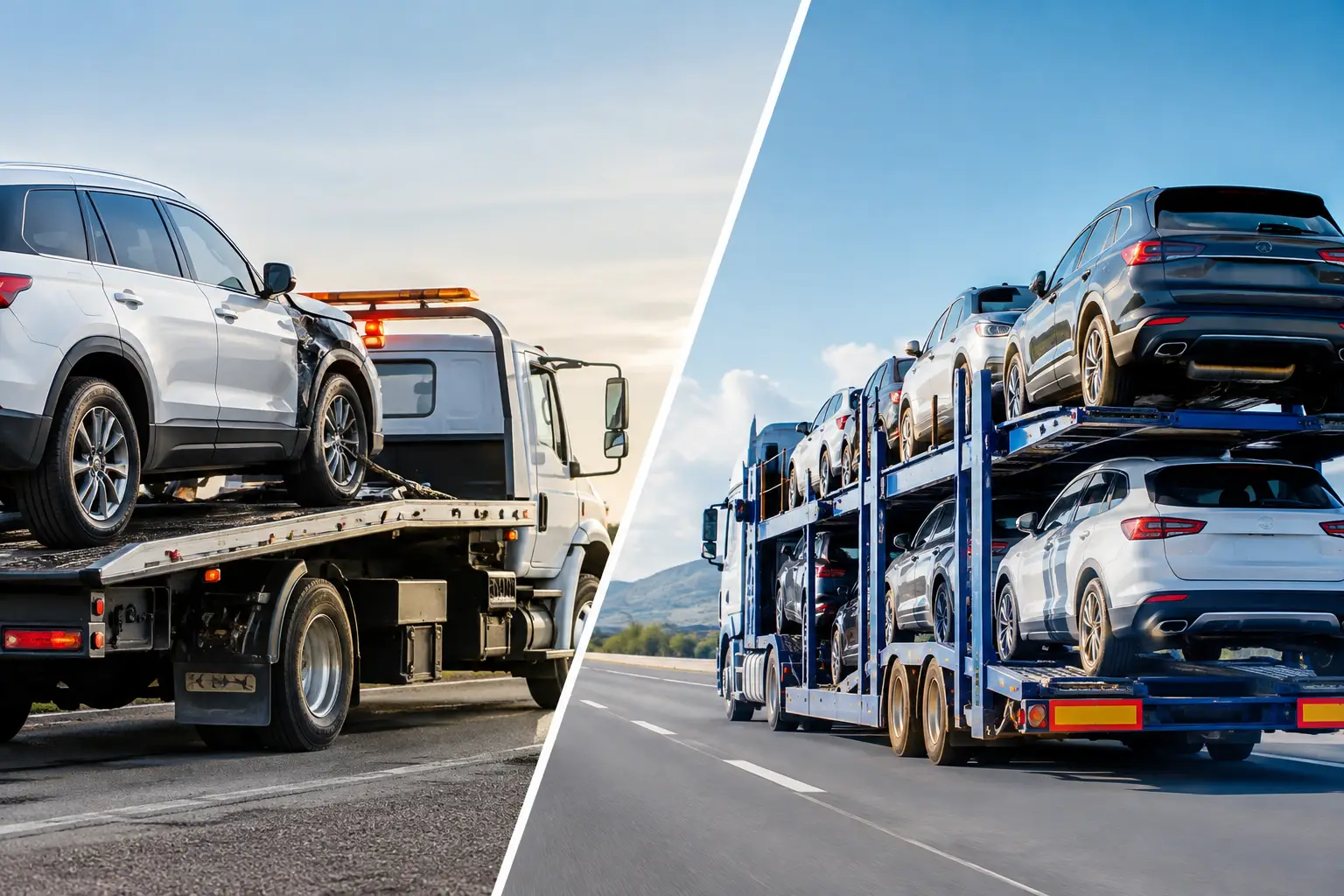
Towing versus transport comes down to your vehicle, distance, and urgency. See which option protects your car and gets it where it needs to go safely.
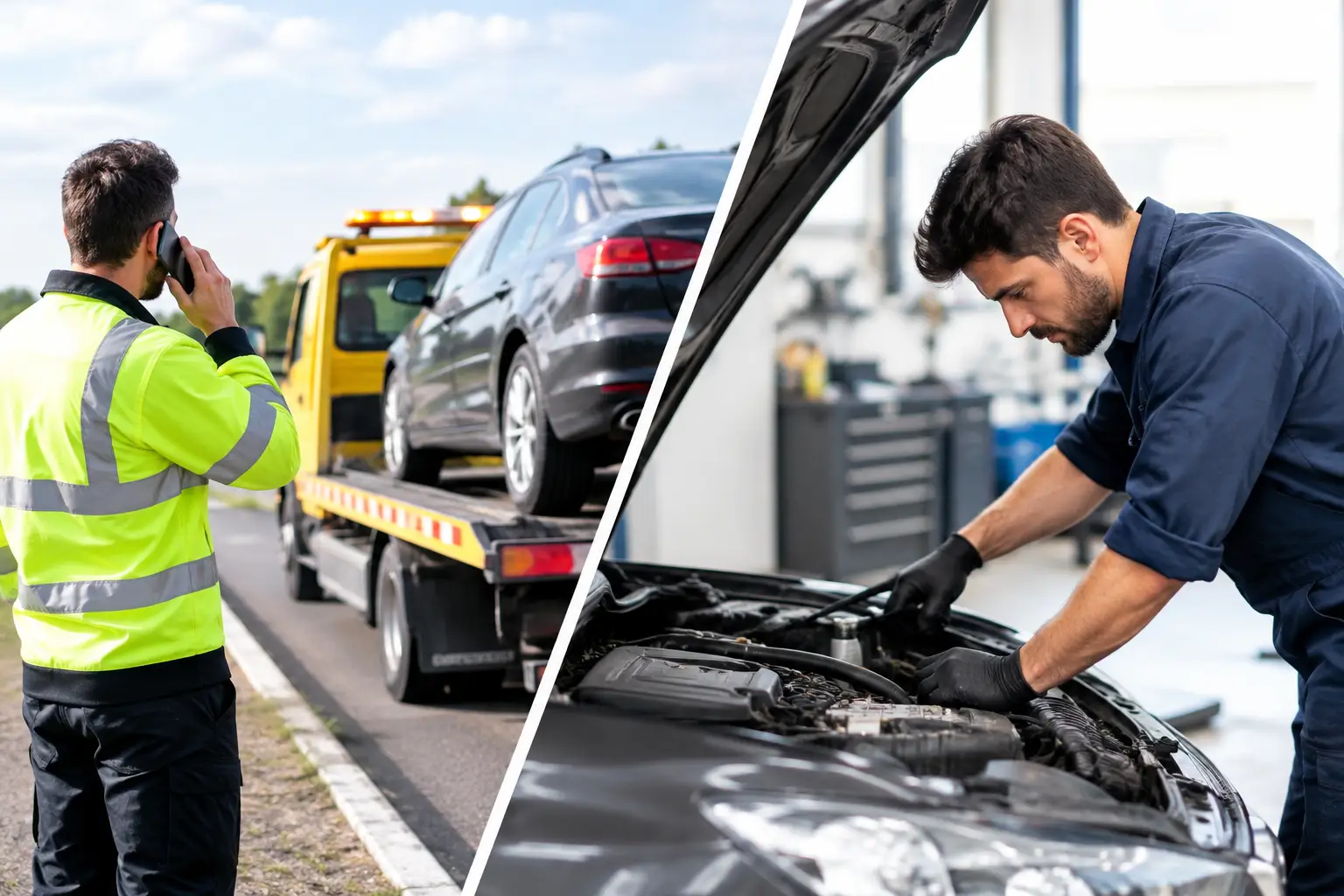
Roadside assistance versus mechanic: learn who to call for a flat tire, dead battery, lockout, warning light, or breakdown in Salt Lake Valley fast.
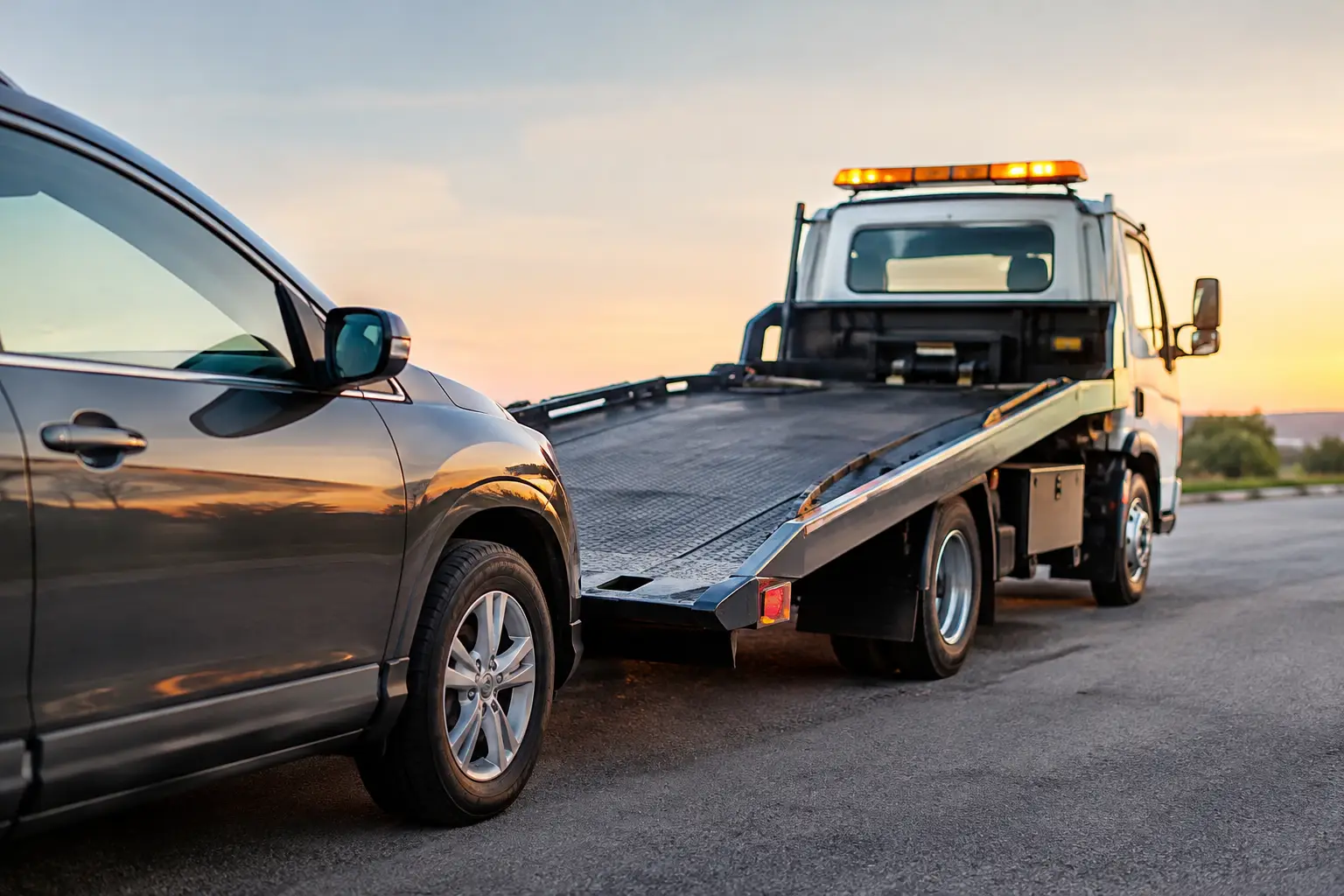
How long does towing take? Learn what affects tow truck arrival and transport time in Salt Lake Valley, plus steps that help get help moving fast today.