
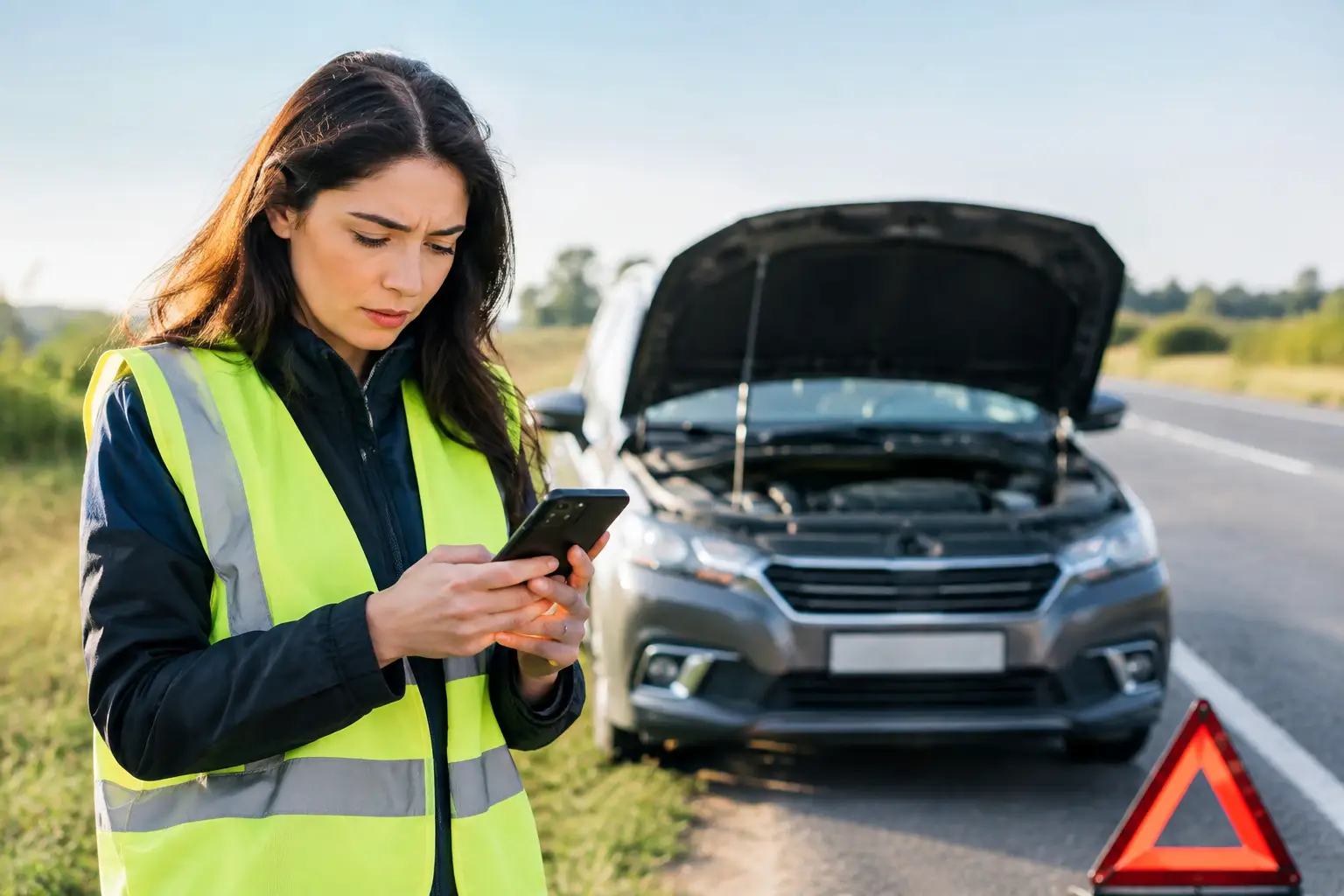
A dead battery in a grocery store lot is frustrating. A breakdown on I-215, a busy stretch of 3500 South, or a dark road after a late shift is a different kind of problem. If you need to report a roadside breakdown, your first job is not diagnosing the vehicle. It is getting yourself out of harm’s way and giving the right details to the people coming to help.
A clear report can mean a faster dispatch, the right truck, and less time standing beside traffic wondering when help will arrive. Keep it simple, stay calm, and focus on the information that changes the response.
How to report a roadside breakdown without losing time
Start with your exact location. “Near Salt Lake City” is not enough for a tow truck driver trying to find you during rush hour. Give the road name, the direction you are traveling, the closest cross street, mile marker, exit number, landmark, or business name. If your phone map is working, use the location pin or read the address shown on the screen.
Then explain where the vehicle is sitting. A car safely parked in a store parking lot requires a different approach than a pickup stopped in the right lane, on a freeway shoulder, or stuck off-road. Mention whether you are blocking traffic, parked in a garage, facing the wrong direction, or in a spot with limited access.
Be ready to provide these details:
- Your vehicle’s year, make, model, and color
- The issue you can see or hear, such as a flat tire, no-start, lockout, overheating, or collision damage
- Whether the vehicle can roll, steer, shift into neutral, or be driven at all
- Your destination if you need a tow, such as home, a repair shop, or a dealership
- A callback number and any location detail that makes you easier to spot
You do not need to sound like a mechanic. “The dash lights come on, but it will not start” is useful. “There is smoke from under the hood” is urgent. “I hit a curb and the wheel is bent” tells dispatch that a tow may be needed instead of a quick roadside fix.
Get safe before you make the call
If the vehicle still moves, pull as far from traffic as you safely can. On city streets, aim for a parking lot, wide shoulder, or side street. On the freeway, move onto the right shoulder if possible, stop well away from moving lanes, and turn on your hazard lights.
Once stopped, put the vehicle in park, set the parking brake, and stay aware of traffic. At night or in bad weather, visibility is a real issue. Keep your interior light off if it makes you harder to see outside, but leave your hazard lights on if the vehicle has power.
Whether you should get out depends on where you are. If you are safely away from traffic in a parking lot, stepping outside may be fine. If you are on a narrow freeway shoulder with cars flying past, staying belted inside the vehicle is often safer. Do not stand between your car and traffic, and do not try to inspect a tire or look under the hood beside an active lane.
If there is smoke, flames, a fuel smell, a crash with injuries, or an immediate traffic danger, move away from the vehicle if it is safe to do so and call 911 first. Towing can wait a few minutes. Your safety cannot.
Tell dispatch what kind of help you actually need
Roadside trouble does not always mean a tow. Being specific helps avoid sending the wrong solution and keeps costs reasonable.
A flat tire may be handled with a spare tire change if you have a usable spare, the wheel is not damaged, and the vehicle is in a safe place to work. If the tire shredded, a wheel is bent, or your vehicle does not have a spare, a tow may be the smarter call.
For a dead battery, tell dispatch whether the battery is simply drained or whether you suspect a larger issue. Headlights left on overnight are different from a vehicle that has needed several jumps this month. A jump-start can get you moving, but it cannot repair a failing battery, alternator, or loose battery connection.
Locked out? Let the provider know if a child, pet, or vulnerable passenger is inside. That changes the urgency. Also mention if you have a key fob, traditional key, or any special vehicle access issue. Trying to force a door open yourself can turn a simple lockout into damaged weather stripping, broken glass, or an expensive repair.
If you ran out of gas, share the fuel type if you know it. Gasoline and diesel are not interchangeable, and guessing is a costly mistake. For overheating, do not remove the radiator cap or pour cold water into a hot engine. Shut the engine off and let it cool while you arrange help.
When a tow is the right answer
A tow is usually the safest choice after an accident, when warning lights are flashing, when steering or braking feels wrong, or when the vehicle will not start after a jump. It is also the right call if driving even a short distance could cause more damage.
Do not let the pressure of being late push you into driving a vehicle that is unsafe. A small cooling-system leak can become an overheated engine. A loose wheel can become a serious road hazard. A transmission problem can leave you stranded again, only farther from home.
Ask where the vehicle can be taken and make the destination clear before the truck arrives. If you have a preferred repair shop, provide the name and address. If the shop is closed, you may choose home, a secure location, or another destination that makes sense for your situation. The best option depends on the problem, the time of day, and whether the vehicle is safe to leave overnight.
What to do while you wait for roadside assistance
After you report the breakdown, keep your phone charged and listen for calls or texts from dispatch. If you are in a hard-to-find location, watch for the tow truck and be ready to confirm your position. Do not wander far from the vehicle unless safety requires it.
Gather what you will need: your driver’s license, registration, insurance information, and keys. Remove valuables if the vehicle will be towed to a shop or left somewhere temporarily. If you are traveling with children, pets, or passengers, make sure everyone has a safe place to wait.
It also helps to take a few photos after a collision or if there is visible vehicle damage. Photograph the vehicle’s position only if you can do so safely. Those images can be useful later for insurance or repair conversations, but never step into traffic to get a better angle.
Avoid the mistakes that make a bad day worse
The biggest mistake is accepting help from an unverified person who happens to stop. A good Samaritan may mean well, but roadside situations can be unpredictable. If you requested professional assistance, ask the arriving driver to identify the company before handing over keys or personal information.
Another common mistake is giving vague directions, then silencing your phone. A few missed calls can add unnecessary delay. Keep your ringer on and update dispatch if you move the vehicle, change locations, or discover that the problem is more serious than you first thought.
Finally, do not agree to a tow destination you do not understand. Confirm where your vehicle is going and make sure the driver has the correct address. Clear communication protects your time, your vehicle, and your wallet.
Fast local help when your vehicle quits
Breakdowns do not care whether you are headed to work, picking up kids, finishing a rideshare shift, or trying to get home after a long day. Munnster Towing provides 24/7 roadside assistance and affordable towing for drivers across the Salt Lake Valley, including Kearns, West Valley City, Taylorsville, West Jordan, Magna, Murray, and Salt Lake City.
When you call, lead with your location and the problem. From there, let the professionals handle the hard part. A clear report, a safe waiting spot, and the right help on the way can turn a roadside mess into a short delay instead of an all-night headache.
continue reading
Related Posts
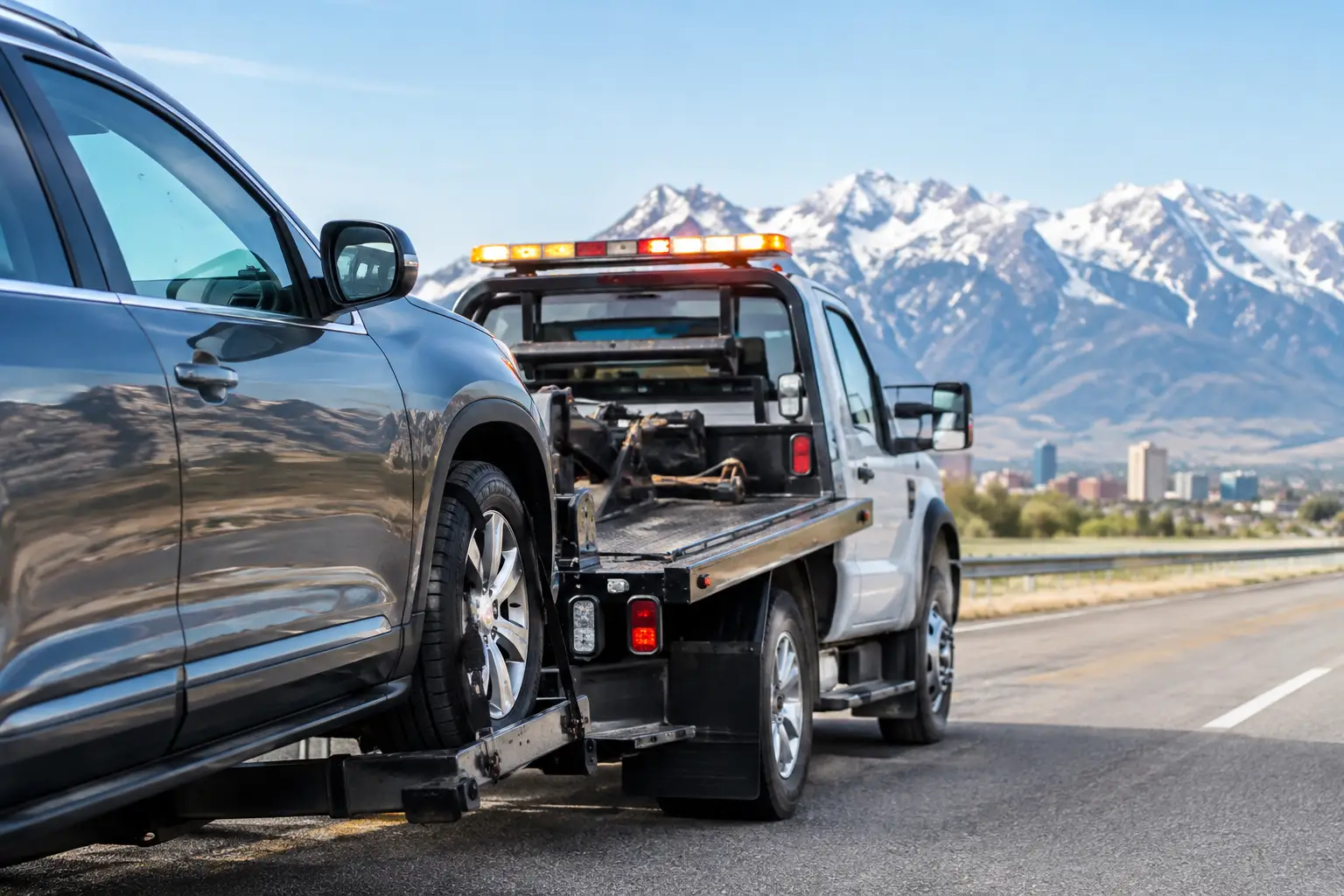
Towing wait times can change fast. See what affects arrival time in Salt Lake Valley and what to do while a local tow truck is on the way when stranded.
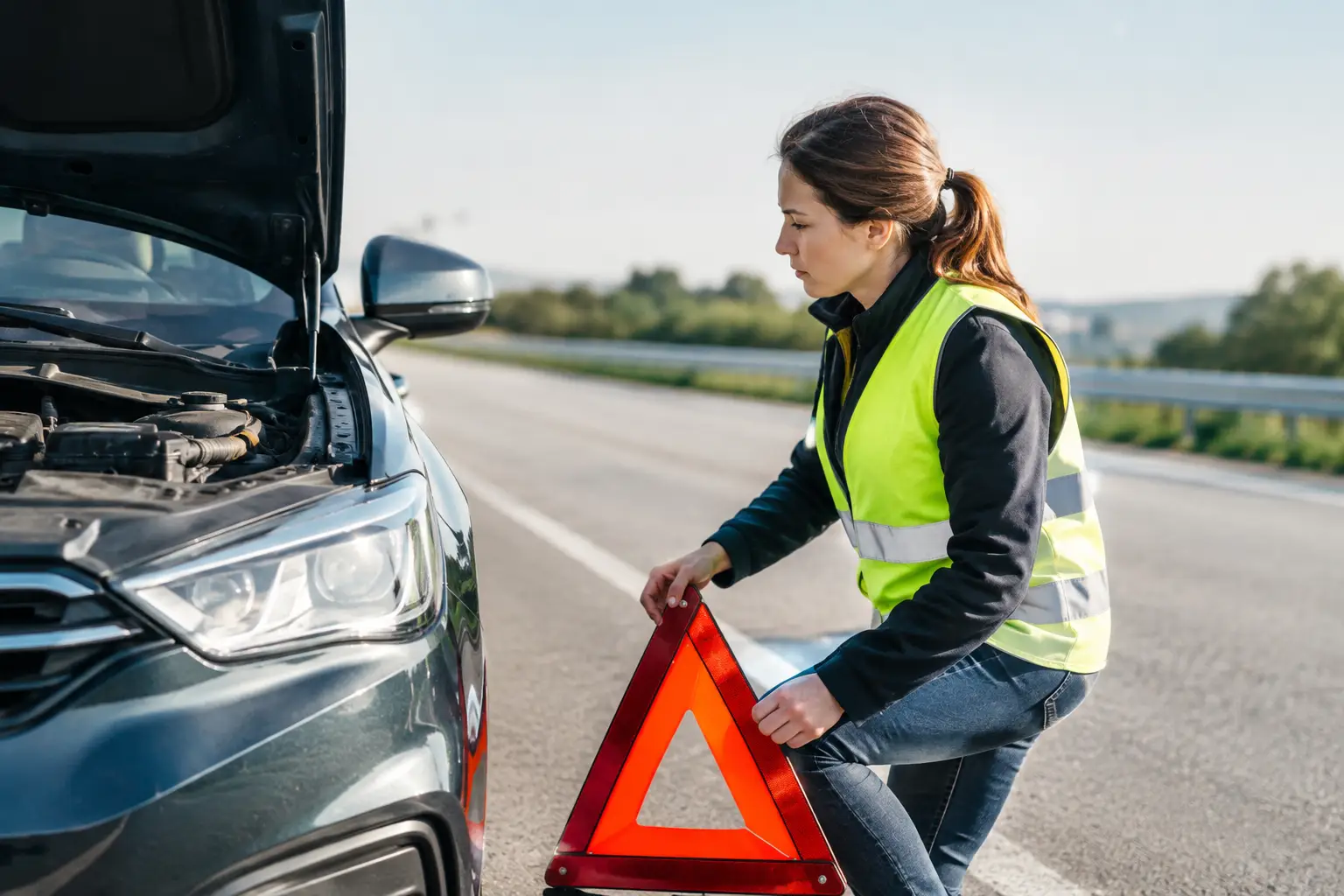
Learn how to secure a vehicle after a breakdown, stay visible, protect yourself from traffic, and get fast roadside help in Salt Lake Valley right now.
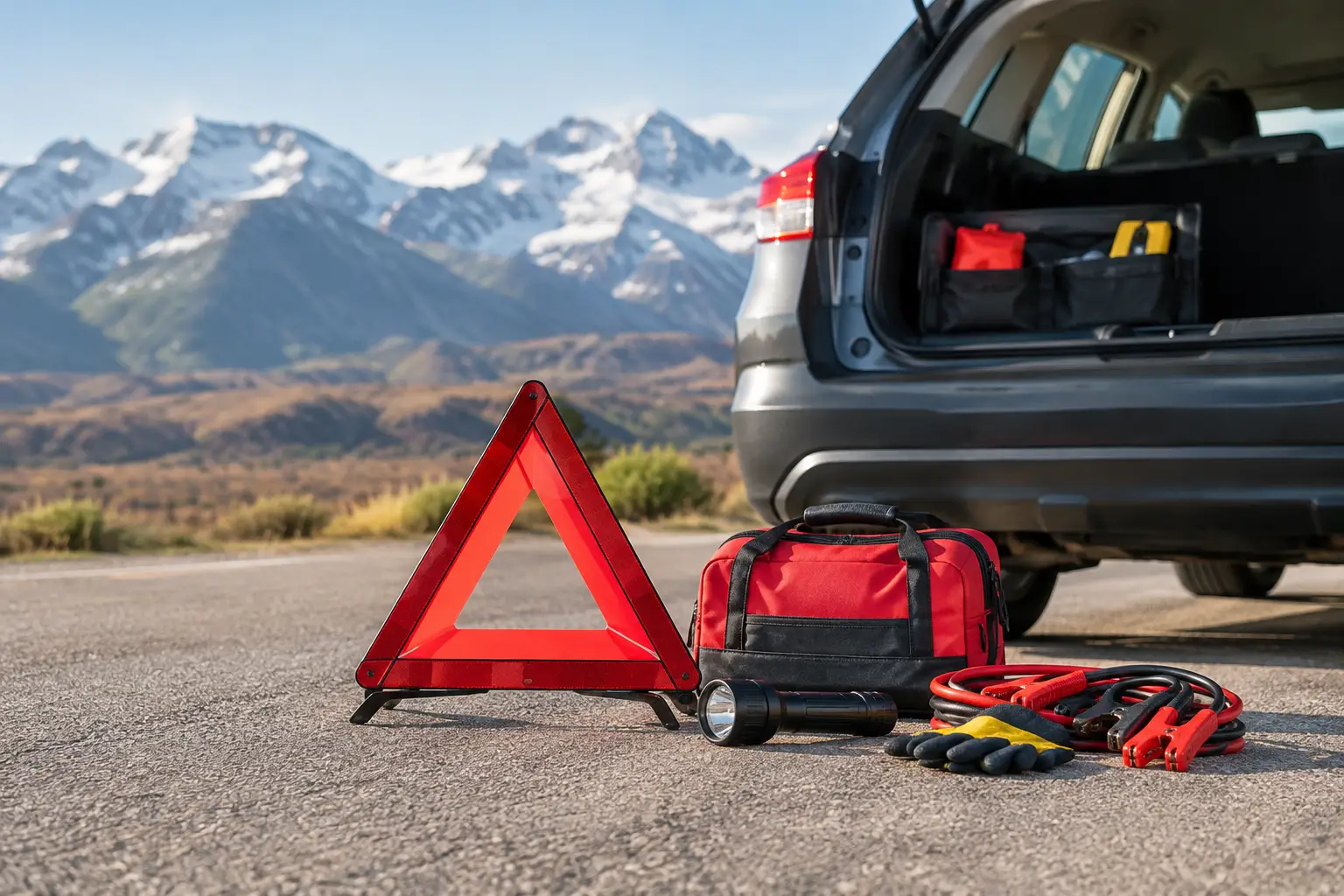
Find the best roadside safety kit for Utah driving, with practical gear for snow, heat, flats, dead batteries, and unexpected highway trouble after dark.