
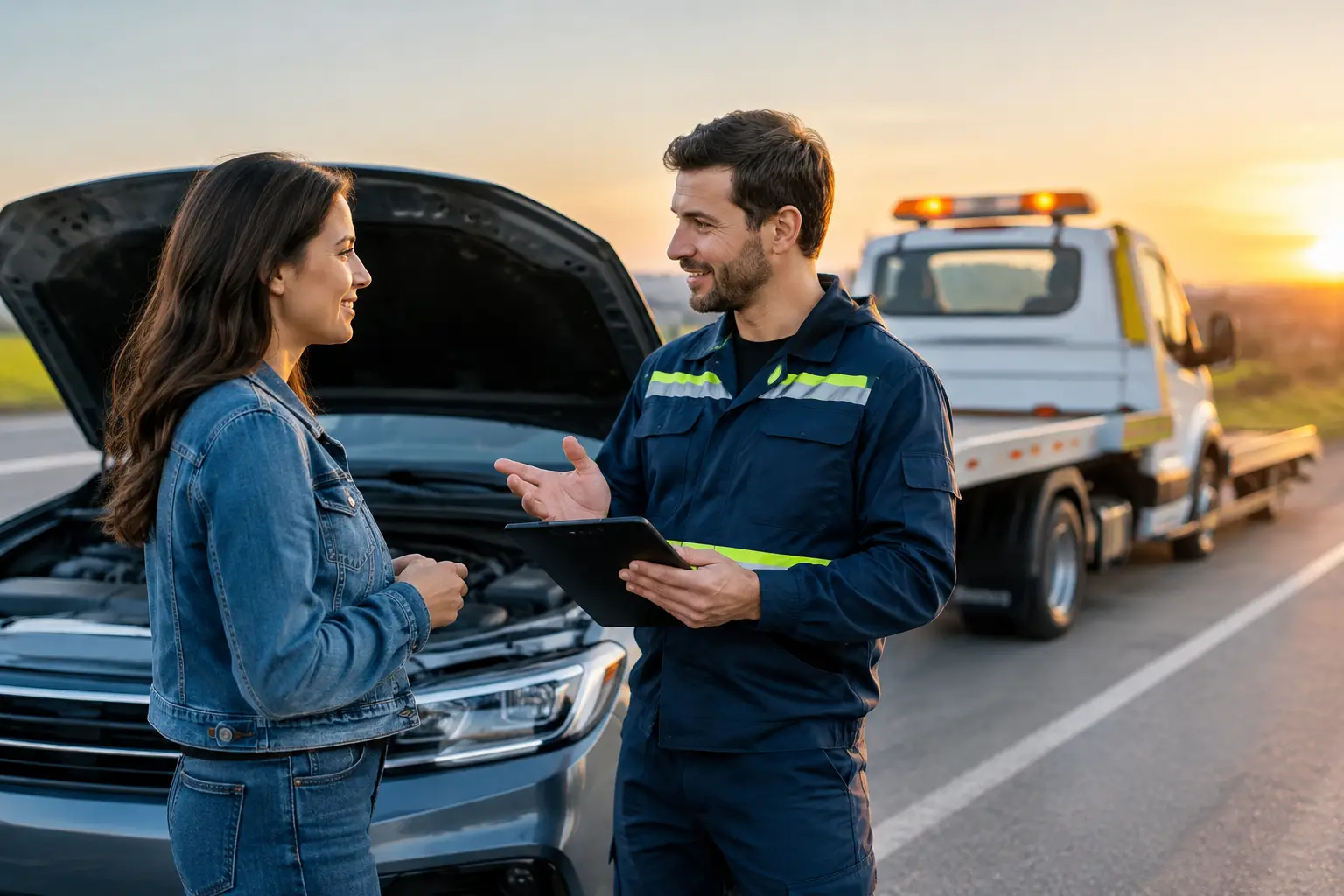
A dead battery outside work, a flat tire on I-15, or keys locked in the car can turn a normal day into a long one fast. The real question in roadside assistance versus auto insurance is not which one is better. It is which one gets you moving again without a surprise bill, a confusing claim, or hours spent waiting on the shoulder.
For most Utah drivers, auto insurance protects against expensive damage and liability. Roadside assistance handles the immediate problem: the vehicle will not move, you cannot get in, or you need a safe tow now. They can overlap, but they are not the same service.
Roadside Assistance Versus Auto Insurance: The Quick Difference
Auto insurance is financial protection. Depending on your policy, it may pay for damage after a collision, theft, vandalism, weather damage, injuries, or damage you cause to another person or vehicle. It is built for larger risks and unexpected costs that could be tough to pay out of pocket.
Roadside assistance is hands-on help at the scene. A dispatcher sends a technician to jump a dead battery, change a flat, bring fuel, unlock your vehicle, or tow it when a quick fix will not do the job. The goal is simple: solve the breakdown problem or get the vehicle to a safe repair location.
Some insurance companies sell roadside coverage as an add-on. Others may reimburse eligible towing or service costs after you pay a provider yourself. That can be useful, but it does not always mean your insurer is the fastest option when you are stranded in Salt Lake City, West Jordan, or Draper at night. Coverage rules, dispatch networks, distance limits, and reimbursement requirements vary by policy.
What Roadside Assistance Usually Covers
Roadside service is designed for everyday trouble that does not necessarily involve an accident. Coverage through a membership plan or insurance add-on often includes a limited number of service calls and may place limits on towing distance, fuel delivery, or labor. A direct local roadside provider can also help when you do not have a plan, have used your allowed calls, or need help outside the fine print.
Common roadside calls include:
- Jumpstarts for dead or weak batteries
- Flat-tire changes when you have a usable spare
- Lockout service when keys are inside the vehicle
- Fuel delivery when the tank hits empty
- Towing for mechanical breakdowns or vehicles that will not safely drive
A good technician also knows when not to force a quick roadside fix. A tire with major damage, an overheating engine, a transmission problem, or a vehicle that was in a crash may need a tow instead. Trying to limp it home can turn a manageable repair into something much more expensive.
What Auto Insurance May Cover Instead
Your insurance policy may cover towing and labor if you purchased that endorsement. It may also cover a tow after a covered collision under collision coverage, subject to your deductible and policy terms. But a standard policy does not automatically mean every breakdown, tow, lockout, or flat tire is paid for.
Mechanical failure is the big dividing line. If your alternator quits, your starter fails, or your car will not start because of a worn-out battery, insurance generally does not pay to repair the failed part. Roadside coverage may pay for a jump or tow, but the repair shop bill is still yours.
After an accident, insurance becomes more central. You may need to document the scene, exchange information, file a claim, and follow your insurer’s process for repairs. Even then, getting the vehicle out of traffic safely is the first priority. A careful tow can prevent additional damage and put you in a better position to deal with the insurance details afterward.
When Calling a Local Tow Company Makes More Sense
Insurance-based roadside assistance can be a good value when you have time, your plan has a nearby available provider, and the service falls within your limits. But it is not always the right call when the situation is urgent.
Call a local towing company directly when your vehicle is blocking traffic, you are stuck in an unsafe location, your insurance dispatch has a long estimated arrival time, or your plan does not cover the distance you need. Direct service can also make sense if you need vehicle recovery after sliding off the road or getting stuck off pavement. Those jobs often require the right equipment and experienced handling, not a basic roadside call.
The same goes for a lockout with a child, pet, medication, or work equipment inside the vehicle. You do not want to spend an hour navigating an automated menu while the situation gets worse. Fast, professional help matters more than squeezing every call through a membership benefit.
Munnster Towing provides 24/7 towing, jumpstarts, lockout help, tire service, fuel delivery, and recovery for drivers who need a real response, not a runaround. If you are stranded in the Salt Lake Valley, call for the service you need and ask for clear pricing before dispatch.
The Cost Question: Premiums, Fees, and Out-of-Pocket Service
Roadside assistance through your insurer is often inexpensive as an annual add-on, which makes it appealing for drivers who want backup for smaller emergencies. The trade-off is that the coverage may be limited. Many plans cap the number of calls, towing miles, or amount they will pay per event. A tow beyond the included radius can leave you paying the difference.
Direct roadside service costs more at the moment you need it, but it can be the more practical choice when speed and flexibility matter. You know you are paying for the specific service, rather than hoping your plan’s limits match the problem. For drivers without roadside coverage, it is still far cheaper than leaving a vehicle in a dangerous spot, risking more damage, or missing an entire shift trying to find help.
Do not use an insurance claim for a simple breakdown unless your policy specifically directs you to do so. A tow-and-labor benefit is different from filing a collision or comprehensive claim. If you are unsure, ask your insurer whether roadside use is recorded as a claim and whether any limits apply. A quick question can prevent confusion later.
Before You Need Help, Check These Four Things
A roadside emergency is the worst time to discover that your policy has a 10-mile towing limit. Take five minutes when things are calm and check four details: whether you have roadside coverage, how many service calls are allowed, the included towing distance, and whether you must use the insurer’s dispatch line to receive payment or reimbursement.
Keep your insurer’s information in your phone, but also save a trusted local towing number. These are two different tools. Your insurance company helps protect your finances after larger losses. A nearby towing and roadside team helps when your car is dead in a grocery store lot, on the freeway shoulder, or in your own driveway before an early shift.
It also pays to carry a properly inflated spare tire, basic jack equipment, jumper cables or a jump pack, and a phone charger. Those items will not solve every problem, but they give the technician a better chance of getting you back on the road quickly.
Choose the Help That Fits the Emergency
If you are safely parked and your insurance roadside plan can send help soon, using it may be the easy choice. If you are in traffic, stuck after hours, dealing with an accident, or facing a long dispatch estimate, direct local service is often worth it. Your safety, your time, and the condition of your vehicle matter more than forcing every situation into the same coverage box.
When the car will not start or will not move safely, get off the road if you can, turn on your hazard lights, and call for help right away. The best roadside plan is the one that gets a qualified professional to your location before a bad situation becomes a bigger one.
continue reading
Related Posts
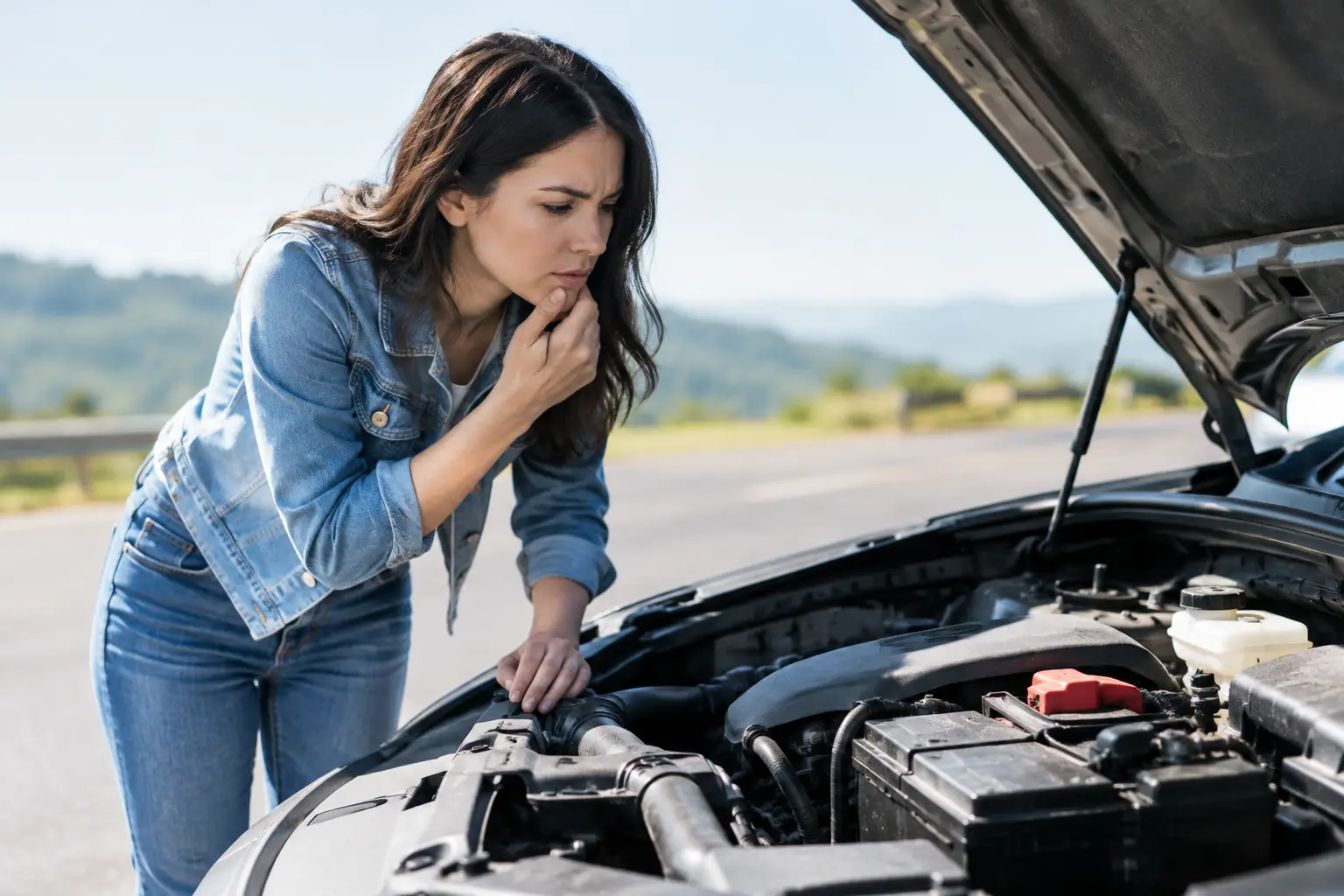
Learn how to identify battery failure before a no-start turns into a roadside problem. Spot warning signs, test safely, and know when to call for help.
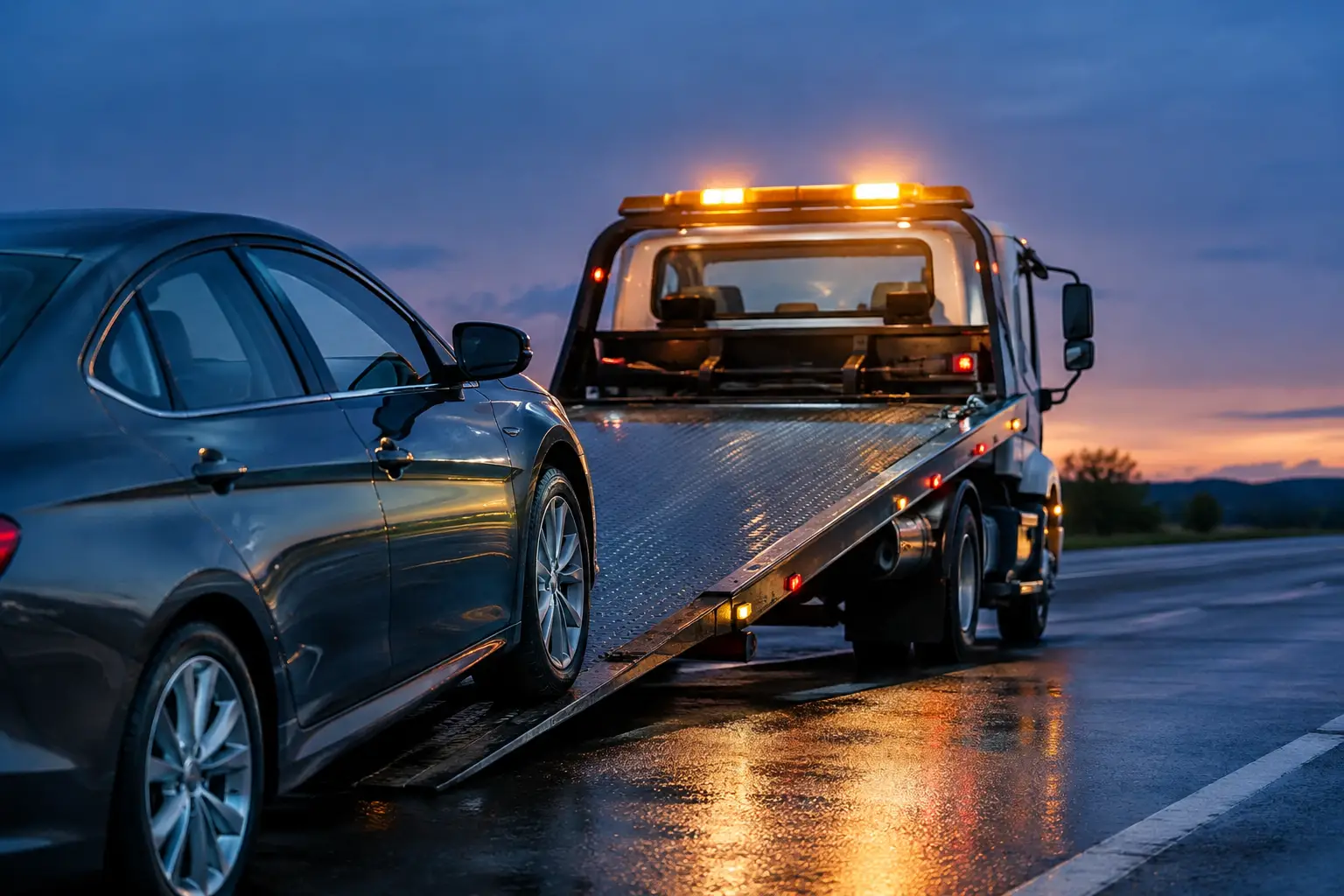
Need overnight tow truck availability in Salt Lake Valley? Get fast, affordable help for breakdowns, lockouts, dead batteries, accidents, and more tonight.
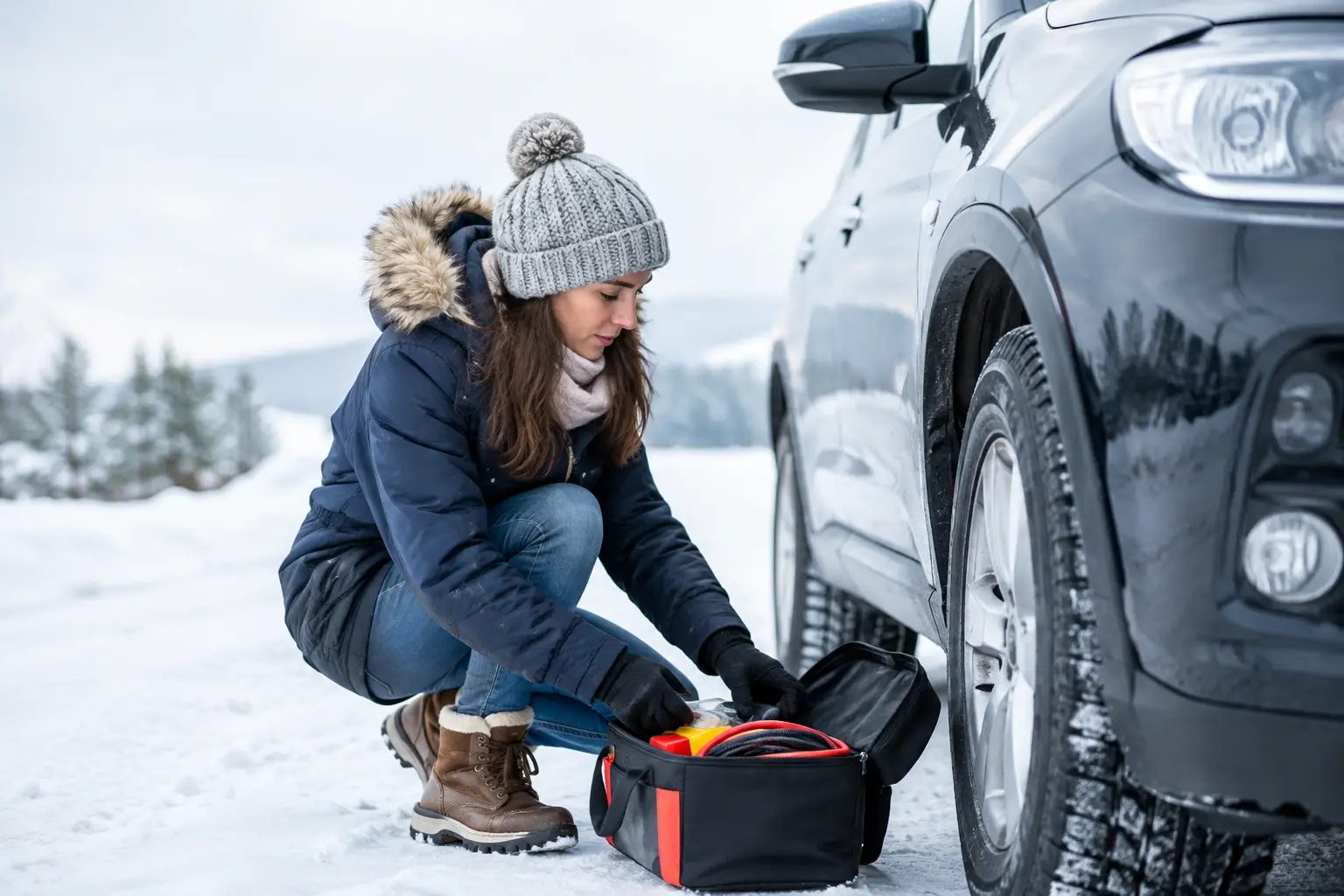
Learn how to prepare for a winter breakdown in Salt Lake Valley: check your car, pack supplies, and stay safe while roadside help is on the way all winter.