
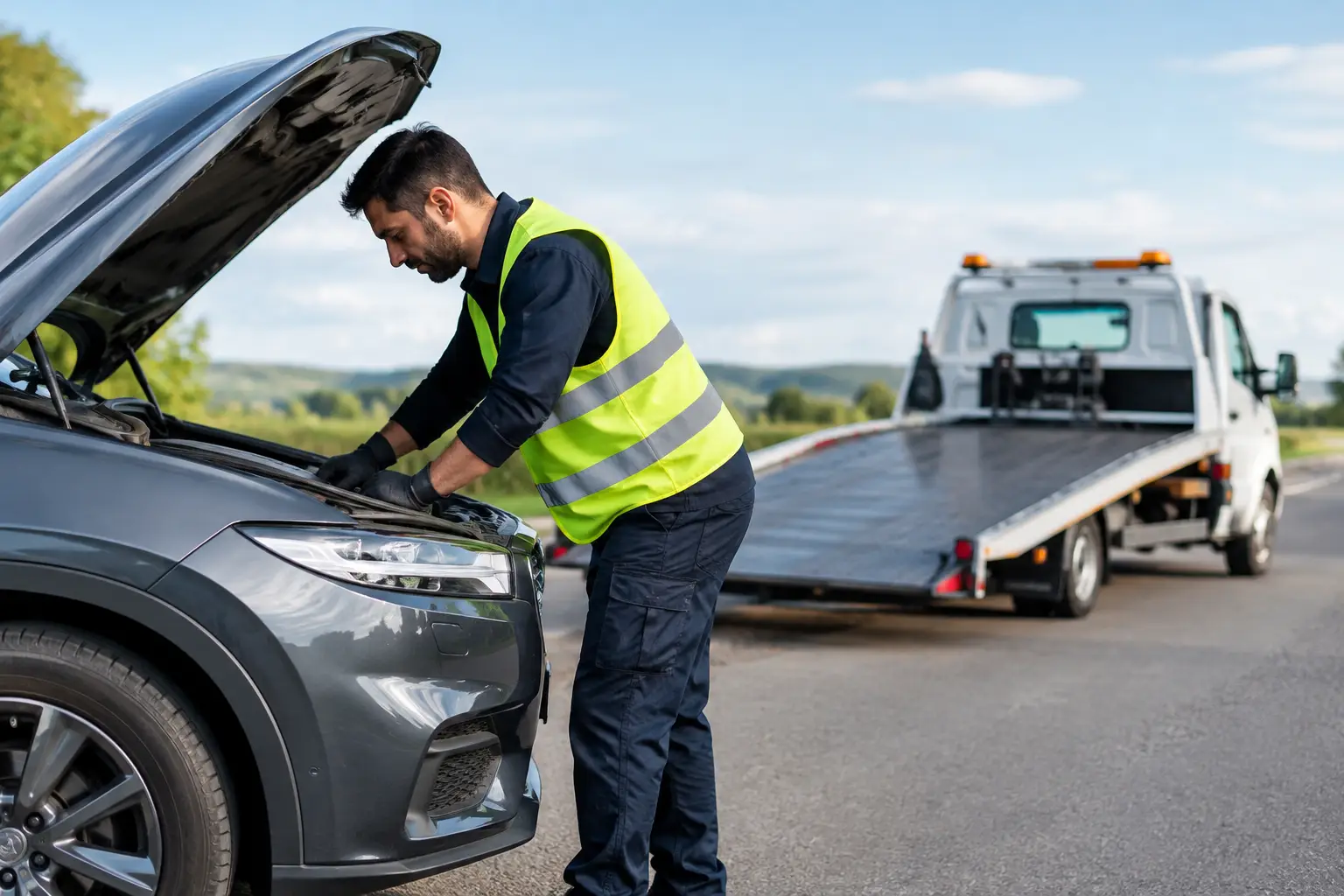
A dead battery outside work is frustrating. Steam rolling from under the hood on I-15 is a different kind of problem. Roadside repair versus towing is not really about choosing the cheapest option in the moment. It is about getting the right help before a small breakdown turns into more vehicle damage, a long delay, or an unsafe situation.
For many Salt Lake Valley drivers, the answer is simple once someone asks the right questions: Is the vehicle safe where it sits? Can the issue be fixed without taking anything apart? And would driving it afterward put you, your passengers, or other drivers at risk?
Roadside Repair Versus Towing: Start With Safety
Before worrying about whether you need a jump-start or a tow truck, get yourself out of harm’s way. Pull as far off the road as possible, turn on hazard lights, and stay away from moving traffic. If your vehicle is stopped in an active lane, on a blind curve, near freeway traffic, or in a spot where another car could hit you, towing is usually the safer call.
Do not try to diagnose a vehicle while standing next to traffic. Utah winter weather, late-night darkness, and fast freeway traffic can turn a manageable issue into a dangerous one fast. A quick roadside repair only makes sense when a technician can safely reach the vehicle and complete the work without creating a new problem.
Call for a tow immediately if you see smoke, flames, leaking fuel, severe fluid loss, or damage after a collision. The same goes for a vehicle with steering trouble, weak brakes, a hanging bumper, a badly damaged wheel, or warning lights paired with strange noises. Those are not “drive it and see” situations.
When Roadside Assistance Can Get You Moving
Roadside service is the right solution when the vehicle is mechanically sound and one straightforward issue is keeping it from starting or moving. The goal is to solve the problem where you are, get you back behind the wheel, and save you the time and cost of a tow.
Dead Battery
A jump-start is often the fastest fix for a battery that has run down because of cold weather, an interior light, or a door left slightly open. Once the vehicle starts, it should be checked for a charging problem if the battery has been acting up repeatedly. A jump can get you moving, but it cannot repair a failing alternator or a battery that will not hold a charge.
If the vehicle starts and immediately dies, the lights dim while driving, or the battery warning light is on, a tow may protect you from being stranded again a few blocks later. It is cheaper to make the smart call once than pay for two service visits in the same day.
Flat Tire
A technician may be able to install your usable spare tire and get you on the road. This works well when the spare is properly inflated, the wheel is not damaged, and the vehicle is parked somewhere safe to work.
Towing is the better choice when you have no spare, multiple flat tires, stripped lug nuts, wheel damage, or a tire failure that has damaged the suspension. Driving on a compact spare also has limits. It is meant to get you to a tire shop, not carry you across the valley at freeway speeds.
Lockout or Empty Fuel Tank
A lockout is one of the clearest examples of a roadside repair. If the keys are sitting on the driver’s seat while the engine is running, fast help beats breaking a window or trying a coat hanger trick that can damage the door seal or lock mechanism.
The same goes for emergency fuel delivery. A small amount of fuel can get you to a nearby gas station if the vehicle otherwise runs normally. If it still will not start after fuel is added, there may be another issue at work, such as a failed fuel pump, and towing becomes the sensible next step.
When Towing Protects Your Vehicle
A tow is not a defeat. It is often the move that prevents a repair bill from getting much bigger. Continuing to drive an overheating engine, a car with transmission trouble, or a vehicle that pulls hard to one side can cause expensive damage and put you in a risky position.
Overheating is a common example. If the temperature gauge is high, steam is coming from the engine bay, or a coolant warning appears, pull over and shut the engine off when it is safe. Do not remove the radiator cap while the engine is hot. Adding coolant or water to the wrong problem can leave you stranded again, while driving an overheated vehicle can damage the engine quickly.
Towing is also the right call after an accident, even if the car appears drivable. Damage is not always obvious from the driver’s seat. A bent wheel, leaking fluid, damaged alignment components, or a loose underbody panel can make a short drive to a shop a bad gamble.
For all-wheel-drive vehicles, electric vehicles, low-clearance cars, and vehicles with serious wheel or drivetrain damage, the towing method matters too. A flatbed can keep all four wheels off the ground and reduce the chance of additional damage during transport. Tell the dispatcher your vehicle type, what happened, and whether it can roll or steer so the right equipment arrives the first time.
The Cost Question: Cheap Now or Cheaper Overall?
Roadside assistance usually costs less than a tow because the technician is performing a quick service and leaving the vehicle with you. When a jump, tire change, fuel delivery, or lockout service solves the problem safely, it is the efficient option.
But the lowest upfront price is not always the lowest total cost. Trying to drive a vehicle with an engine warning, a transmission issue, or a damaged tire can turn a manageable repair into a major one. It can also leave you stranded farther from home, a shop, or a safe parking area.
Ask for the service that fits the actual condition of the vehicle. A dependable towing company should not push a tow when a safe roadside repair will do. Just as importantly, it should not encourage you to drive when the vehicle clearly needs transport.
What to Tell Dispatch for Faster Help
A clear call helps get the right truck or roadside technician to you without delay. Share your exact location, the nearest cross street or landmark, and whether you are on a freeway, parking lot, residential street, or canyon road. Describe the vehicle’s make, model, color, and whether it is blocked in, drivable, or damaged.
Explain the symptoms in plain language. “The car clicks but will not start,” “I have a spare tire,” or “the temperature gauge is in the red” gives dispatch useful information. Mention children, pets, medical concerns, or an unsafe roadside location so your situation can be prioritized appropriately.
Do not guess that a problem is minor just because the car started once. If warning lights, grinding noises, smoke, fluid leaks, or handling changes are part of the story, say so. The right details can be the difference between a quick fix and a second call for a tow.
A Better Call When You Are Stranded
If you are parked safely with a simple battery, tire, fuel, or lockout problem, roadside assistance can get your day back on track fast. If the vehicle is damaged, overheating, unsafe to drive, or stranded in a dangerous location, towing is the smarter option every time.
Munnster Towing provides 24/7 roadside help and affordable towing across Salt Lake Valley, so you do not have to play mechanic on the shoulder or gamble on a vehicle that is telling you to stop. When something feels wrong, choose the service that gets you safely off the road and headed where you need to be.
continue reading
Related Posts
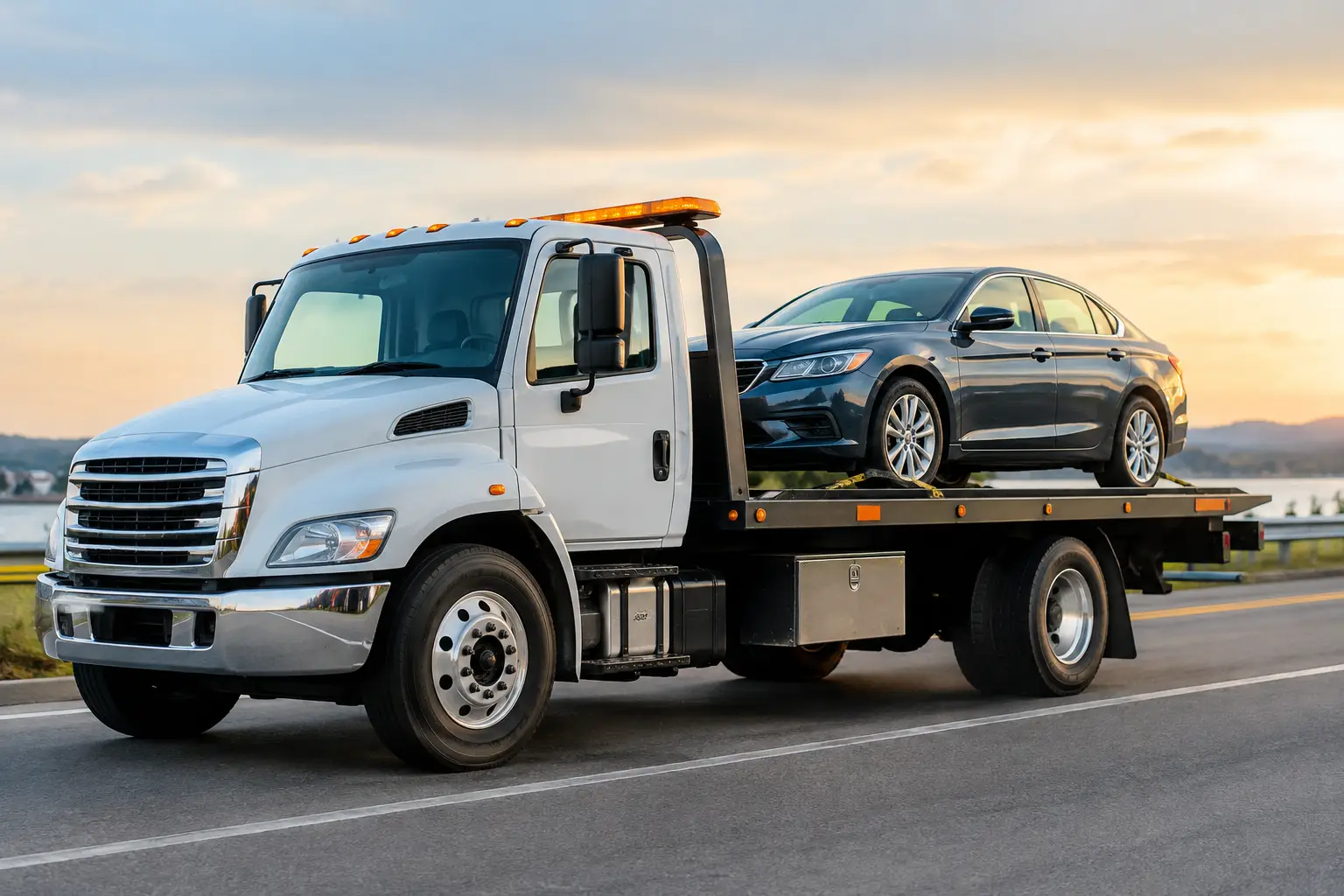
Read flatbed tow service reviews the smart way. Learn what fast response, clear pricing, careful handling, and local reliability really look on the road.
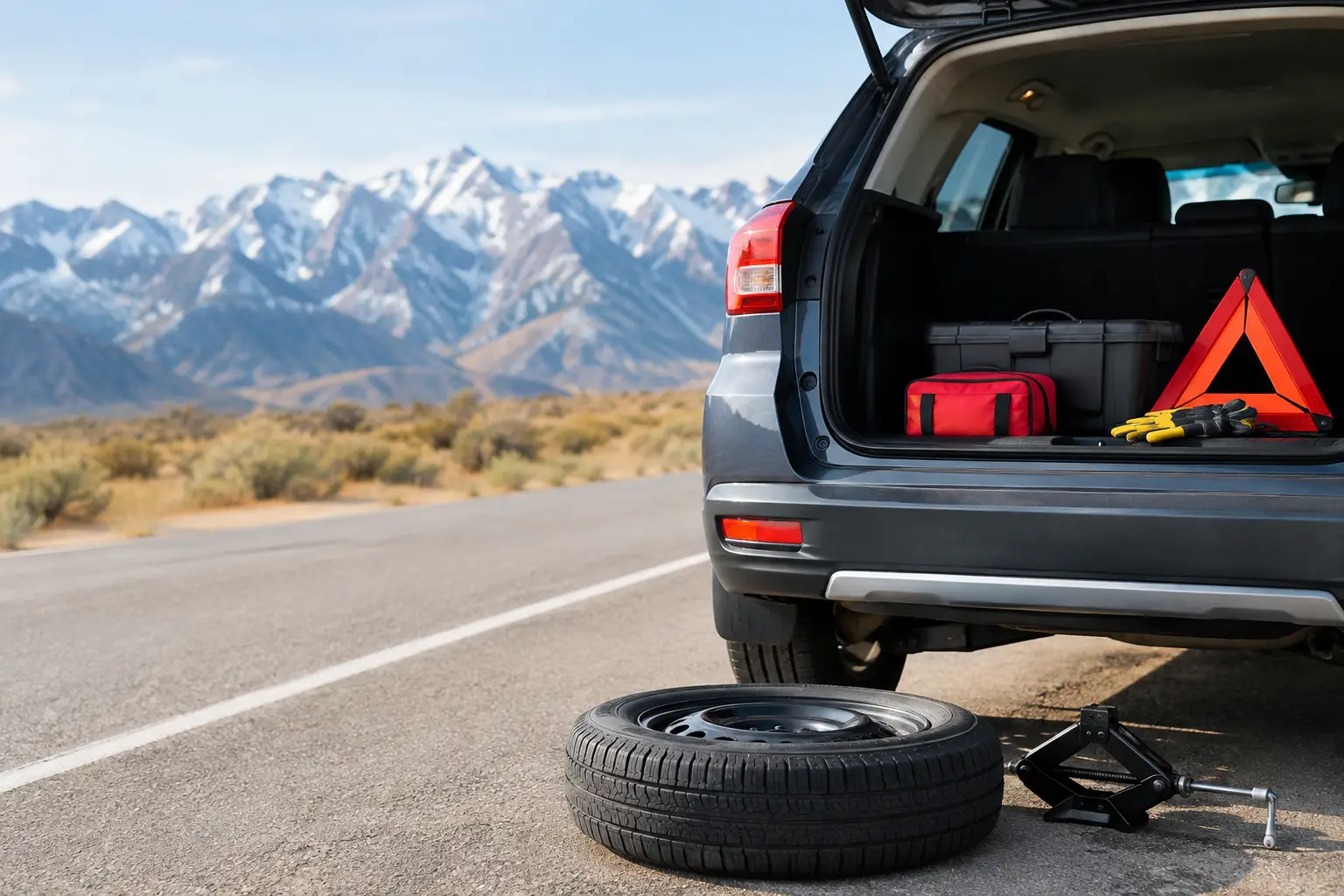
Roadside emergency essentials help Utah drivers stay safer during breakdowns, flat tires, lockouts, and winter trouble. Build a car kit that works well.
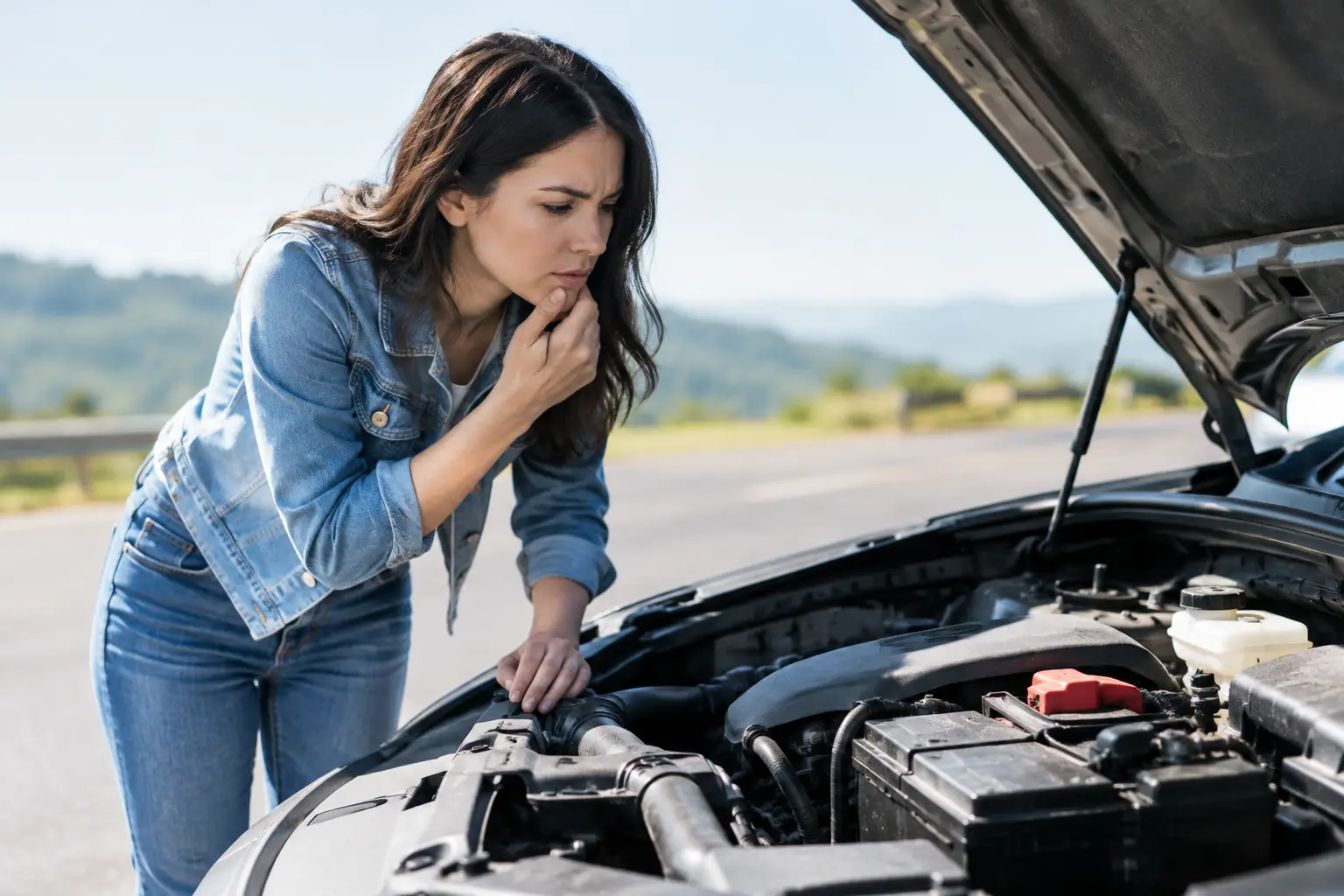
Learn how to identify battery failure before a no-start turns into a roadside problem. Spot warning signs, test safely, and know when to call for help.