
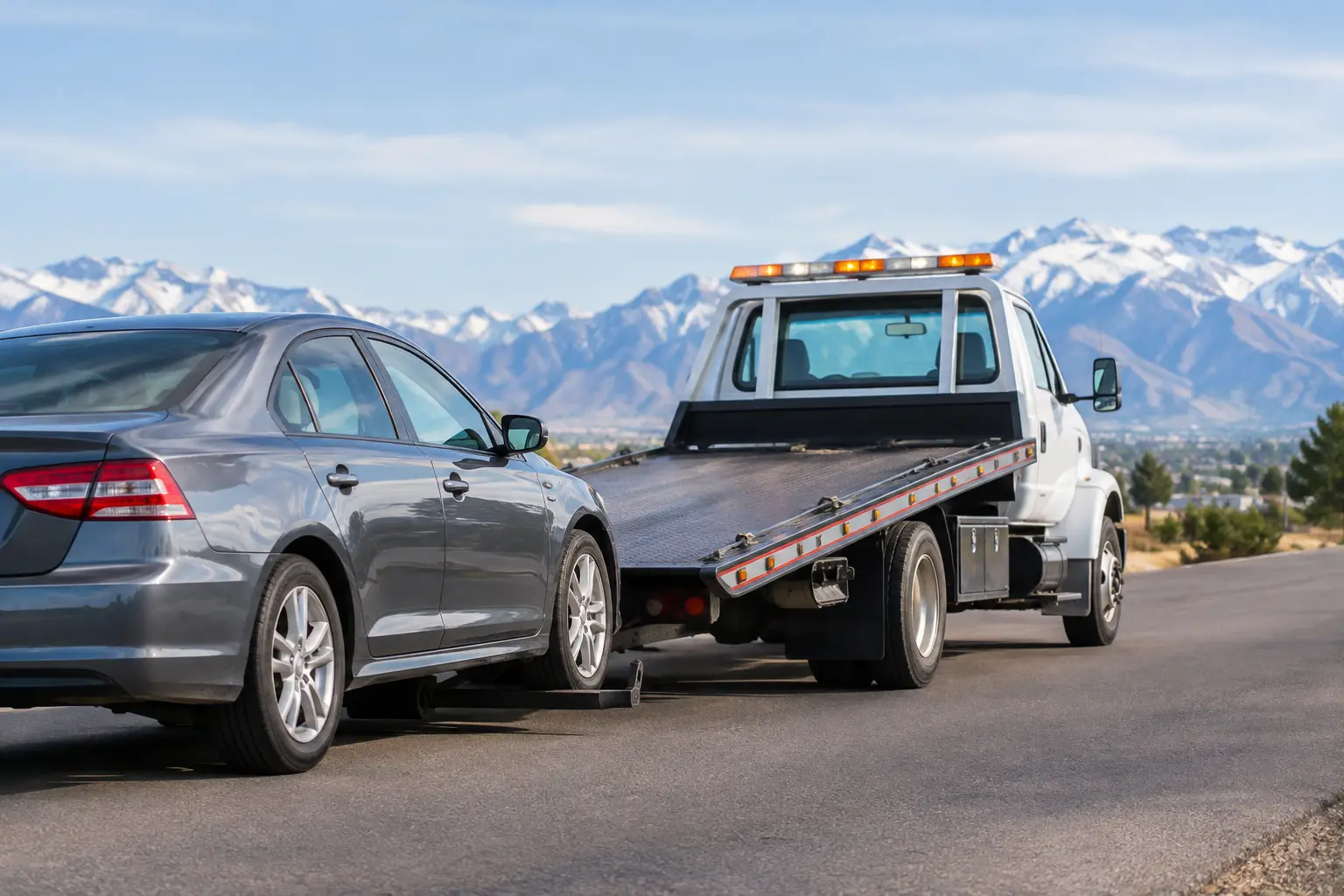
A dead battery in a grocery store lot. A flat on I-15 when traffic is flying by. A locked car outside work at the end of a long shift. When you need Salt Lake City towing, the problem is not just your vehicle. Your whole day has stopped, and you need a real person with the right truck to get there fast.
That is why the best tow is not always the biggest truck or the cheapest number you see online. It is the service that answers, gives you a clear plan, handles your vehicle carefully, and gets you out of a stressful situation without adding more headaches.
Salt Lake City Towing for the Problems That Cannot Wait
Breakdowns do not check the clock. They happen before school drop-off, after a late shift, during a storm, or halfway through an errand list that was already too long. A dependable towing company should be ready 24/7 because waiting until morning is rarely a safe or practical option.
Emergency towing is the right call when your car cannot be driven safely. That includes overheating, major mechanical failure, collision damage, a blown tire without a usable spare, steering trouble, or a vehicle that will not start after roadside troubleshooting. Trying to limp the car home can turn a repairable issue into a much more expensive one.
If you are stopped on a busy road, your first job is simple: get yourself to a safer place if you can. Turn on your hazard lights, move away from traffic, and avoid standing between your vehicle and the roadway. Then call for help and share the clearest location details possible, such as the cross streets, exit number, nearby business, vehicle color, and make and model.
Not Every Call Needs a Tow Truck Hookup
Sometimes the fastest fix happens right where you are parked. Roadside assistance can save time when the problem is minor and your vehicle is otherwise safe to drive.
A jump-start may get you moving after a dead battery. Fuel delivery can rescue a commute that ended a few miles too soon. A lockout service can get you back into your vehicle without the damage that comes from improvised tools or broken glass. If you have a flat tire and a good spare, tire-change service can be a better answer than towing.
There is one catch: roadside assistance is only helpful when the vehicle can safely continue afterward. A battery that dies again immediately, a tire with sidewall damage, or an engine that keeps overheating needs more than a quick fix. In those cases, towing to your preferred repair shop, home, or dealership is the smart move.
Choosing the Right Tow for Your Vehicle
Towing is not one-size-fits-all. The right equipment matters, especially for all-wheel-drive vehicles, low-clearance cars, luxury vehicles, trucks, and vehicles with accident damage.
Flatbed towing is often the safest choice for vehicles that should not have wheels rolling on the road. It keeps the entire vehicle off the pavement and can be a strong option for all-wheel-drive models, cars with transmission issues, damaged suspension components, or vehicles that need extra care. It is also useful when transporting a vehicle locally without adding mileage.
A standard tow can be appropriate for many vehicles and situations, but the operator needs accurate details before dispatch. Let the towing company know whether the vehicle is in a garage, parked underground, stuck in mud or snow, blocked by another car, or unable to roll or steer. Those details help send the right truck the first time instead of wasting your time with a truck that cannot safely complete the job.
Off-road recovery is a different kind of call. Utah weather, unpaved roads, soft shoulders, ditches, and winter snow can put even capable trucks and SUVs in a bad spot. Do not keep spinning the tires or let multiple people push from unsafe angles. Recovery needs the right approach, the right equipment, and a technician who can assess the situation before making it worse.
What to Ask Before You Approve a Tow
When you are stranded, it is easy to say yes to the first company that answers. Speed matters, but a few direct questions can prevent surprises. Ask for the estimated arrival time, the destination options, and how the rate is structured. A clear quote should account for the type of service, towing distance, vehicle condition, and any special recovery needs.
Be honest about the situation. A vehicle in a clear parking lot is different from a car buried in snow, pinned against a curb, or damaged after an accident. Special conditions can affect the equipment and labor required. The goal is not to make the call complicated. It is to make sure the dispatcher sends help prepared to do the job safely.
You should also decide where the vehicle needs to go. If your regular mechanic is open and nearby, that may be the best destination. If it is late at night, towing home can make more sense. After an accident, you may need to follow police direction or contact your insurance provider before choosing a repair location. There is no single right answer, but having a destination in mind makes the process faster.
After an Accident, Focus on Safety First
A collision can leave anyone rattled, even when damage looks minor. If you can do so safely, move out of active traffic, turn on hazard lights, check for injuries, and call 911 when needed. Do not attempt to drive a vehicle with leaking fluids, wheel damage, a dragging bumper, deployed airbags, or steering problems.
Once the scene is secure, accident recovery can remove the vehicle from the roadway and transport it where it needs to go. Take photos when it is safe, gather the other driver’s information, and remove valuables, paperwork, medications, and personal items from the vehicle before it is towed. If the car needs to be released to a body shop later, keeping your essentials with you makes a difficult day a little easier.
Local Help Means Less Waiting and Less Guesswork
A local towing team understands that the Salt Lake Valley is not one simple driving environment. Downtown traffic, freeway congestion, steep winter conditions, crowded apartment lots, suburban parking areas, and industrial roads all create different access challenges. A driver who knows the area can make better decisions about routes, arrival expectations, and the equipment needed.
Munnster Towing provides 24/7 towing and roadside assistance for drivers across Salt Lake County, including Salt Lake City, Kearns, West Valley City, West Jordan, Taylorsville, Murray, Magna, and nearby communities. Whether you drive a commuter car, family SUV, pickup, rideshare vehicle, or work equipment, the goal stays the same: affordable help, careful handling, and no unnecessary runaround.
Make the Call Easier Before Trouble Starts
You do not need to become a car expert to be prepared. Keep your phone charged when possible, save a dependable towing number, and know where your insurance and registration are stored. If you have a spare tire, check it occasionally. A spare with no air is not much help on a cold night.
When you call, start with your location and a quick description of what happened. Then share your vehicle type, whether it can roll and steer, and where you want it taken. That simple information helps dispatch get the right help moving right away.
Vehicle trouble is frustrating enough. When it happens, do not gamble on driving an unsafe car or waiting around for someone who may not show. Call for fast, affordable local help, get yourself somewhere safe, and let a professional handle the heavy part.
continue reading
Related Posts
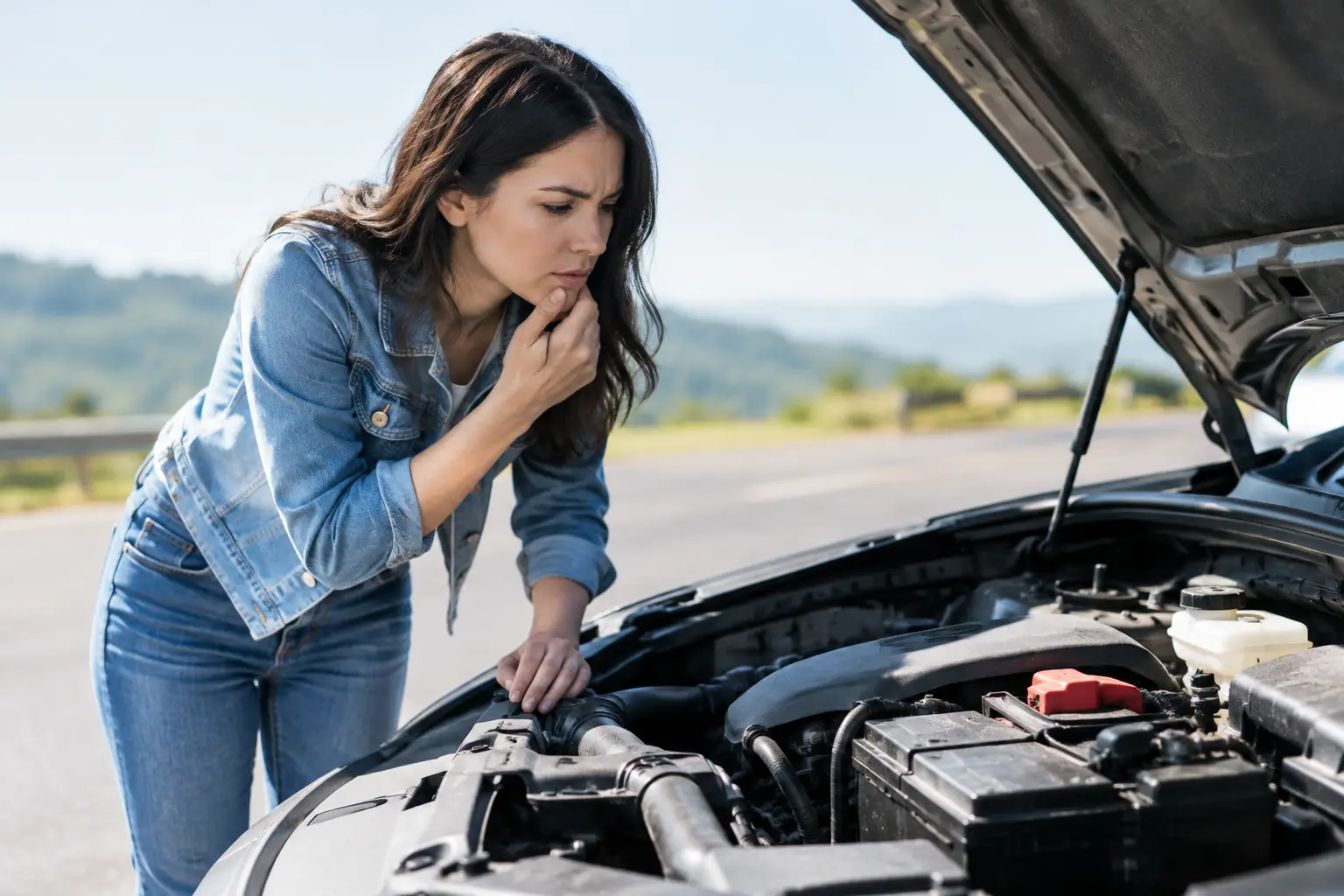
Learn how to identify battery failure before a no-start turns into a roadside problem. Spot warning signs, test safely, and know when to call for help.
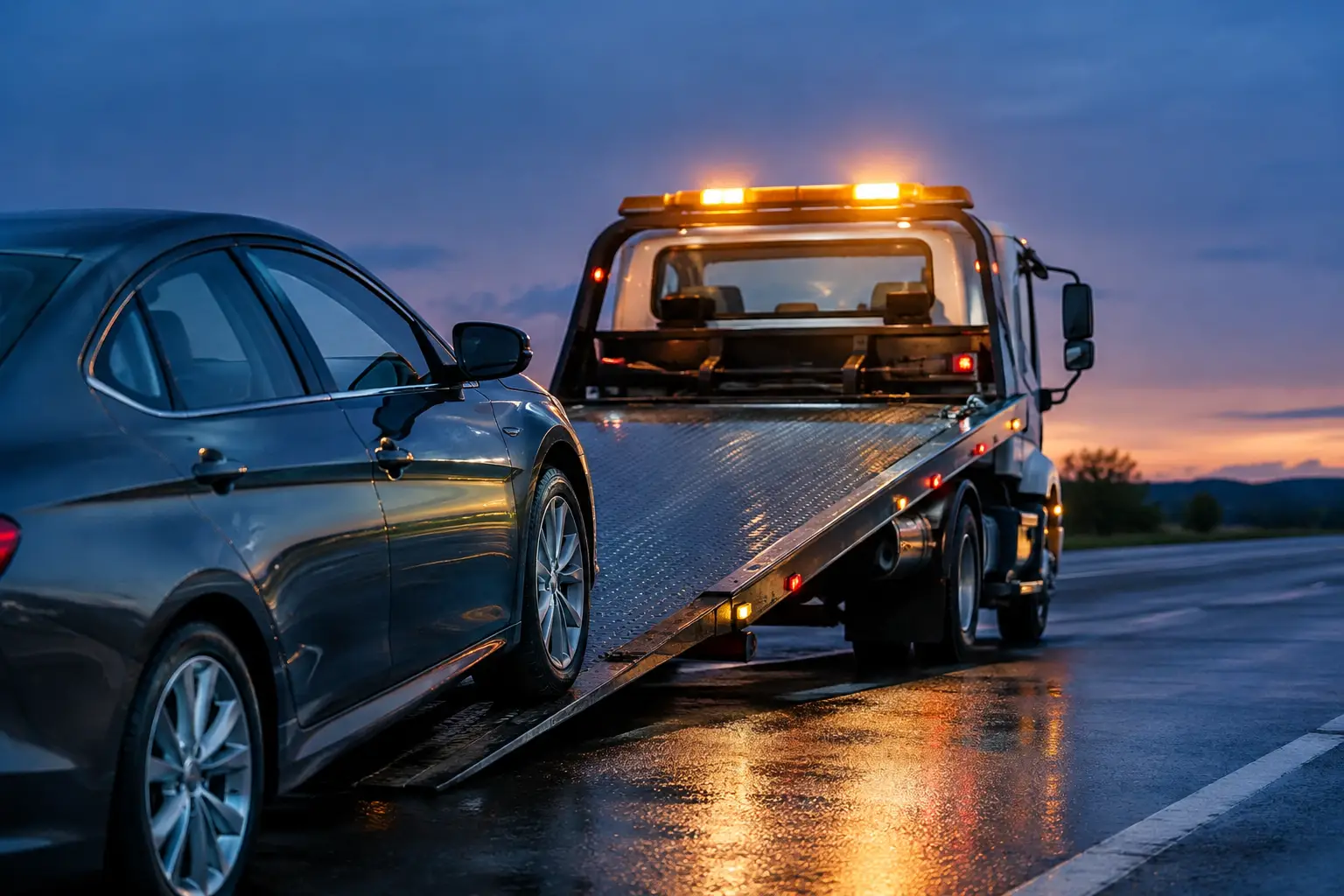
Need overnight tow truck availability in Salt Lake Valley? Get fast, affordable help for breakdowns, lockouts, dead batteries, accidents, and more tonight.
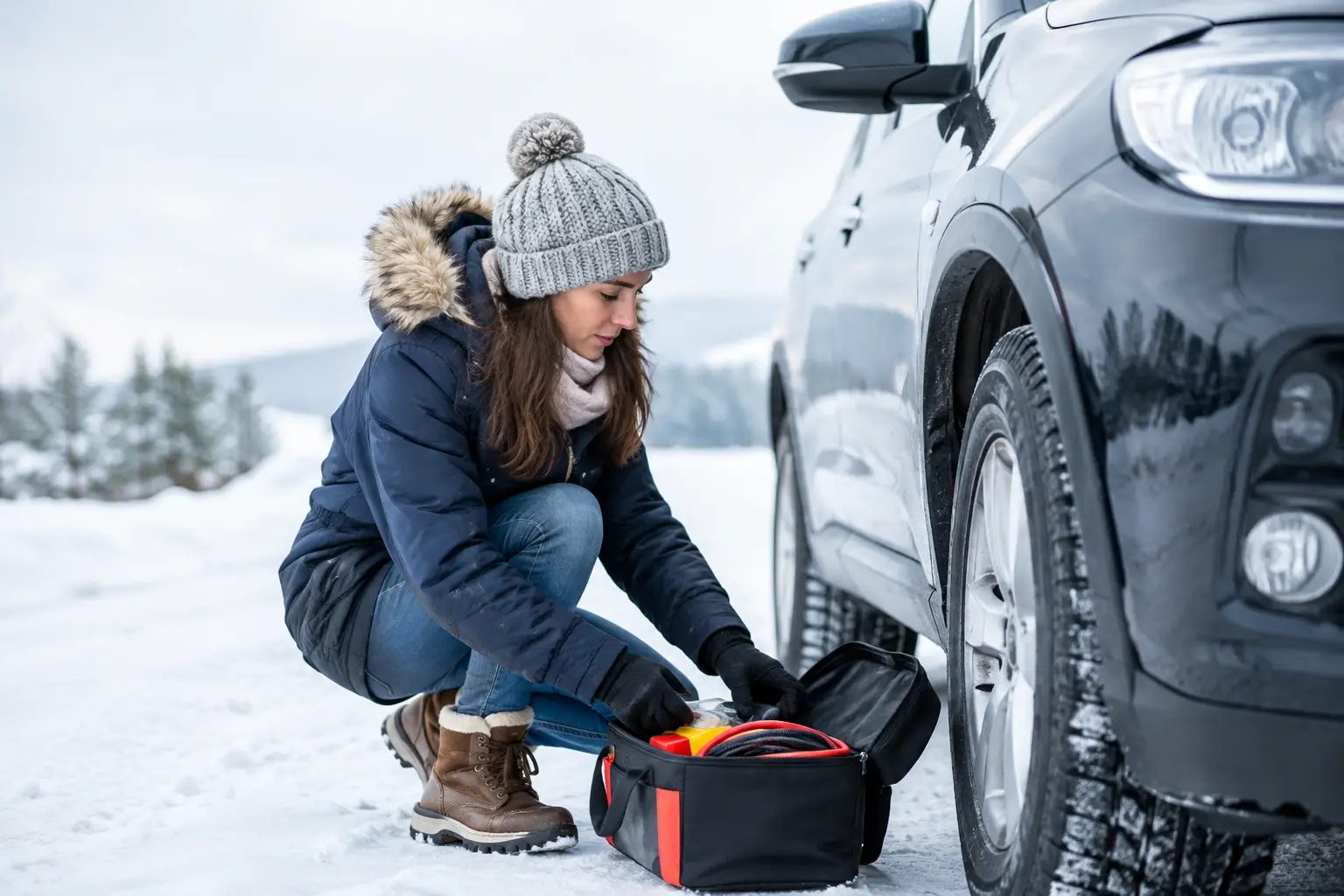
Learn how to prepare for a winter breakdown in Salt Lake Valley: check your car, pack supplies, and stay safe while roadside help is on the way all winter.