
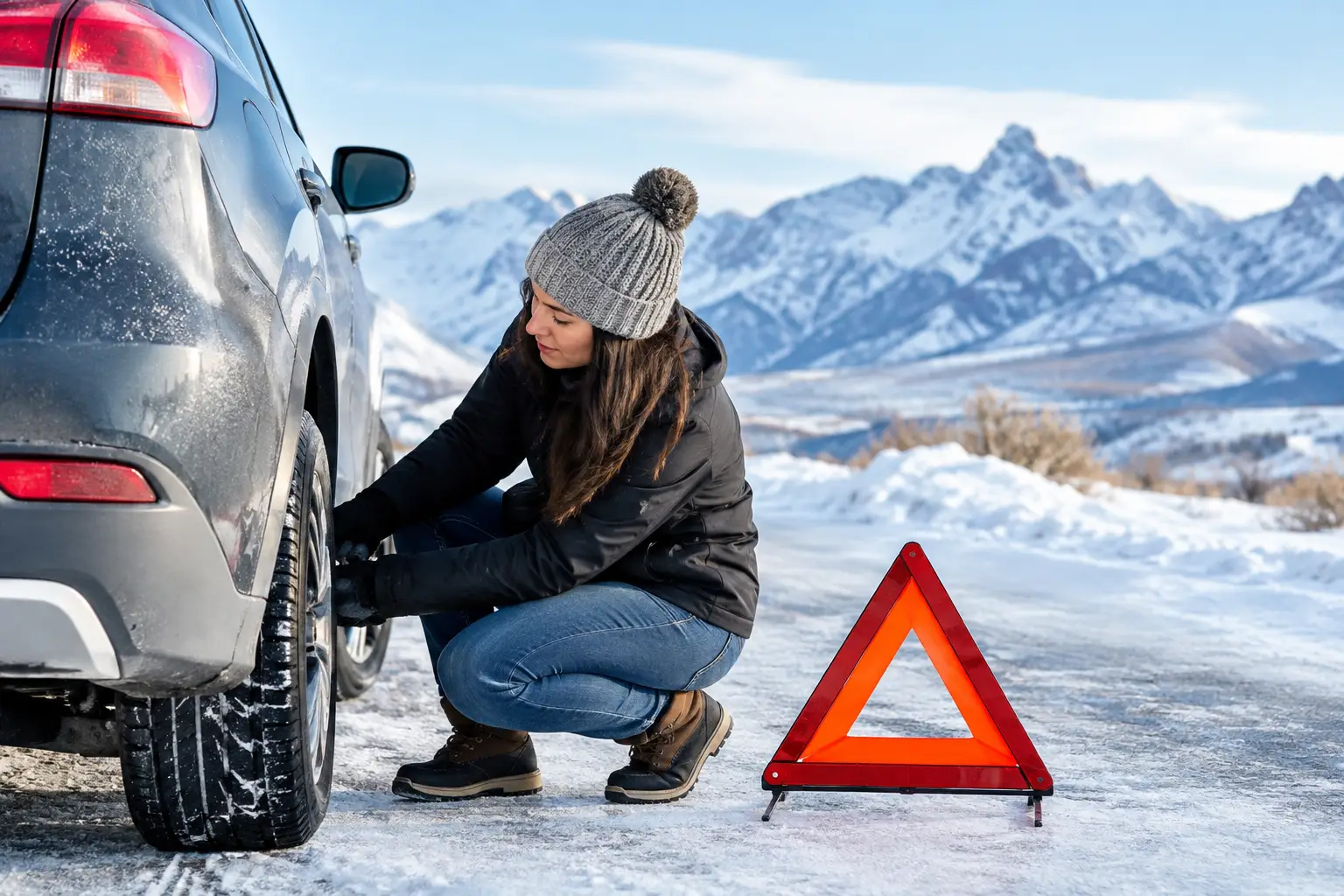
A Utah winter commute can turn ugly fast. One minute you are heading through Kearns, West Valley City, or Salt Lake City on a normal morning; the next, visibility drops, traffic stalls, and your battery decides it has had enough. The best winter roadside safety tips are not about pretending you can control the weather. They are about giving yourself better options when snow, ice, cold, or another driver changes the plan.
Best Winter Roadside Safety Tips Start Before the Drive
The safest place to handle a winter roadside problem is usually your driveway, before the problem happens. Cold weather exposes weak batteries, worn tires, low fluids, and little maintenance issues that were easy to ignore in warmer months.
Check your tire tread and tire pressure regularly. Tires lose pressure as temperatures fall, and low pressure can hurt traction, braking, and steering. If your tread is thin, do not wait for the first major storm to find out how little grip you have. Winter-rated tires can make a meaningful difference for frequent canyon travel or early-morning commutes, but even good tires need proper inflation and enough tread.
Your battery deserves the same attention. A battery that starts the vehicle slowly on a mild day may fail outright during a cold snap. Have it tested if it is older, unreliable, or showing warning signs. Also check that your windshield wipers clear the glass cleanly and that washer fluid is rated for freezing temperatures. A dirty, salt-streaked windshield is not just annoying. It can hide brake lights, lane markings, and ice patches when you need to see them most.
Keep your gas tank above half when winter weather is expected. That gives you a buffer if traffic stops, a detour adds miles, or you need to run the heater while waiting for help. It also reduces the chance of moisture causing problems in the fuel system.
Pack for a Delay, Not Just a Breakdown
A winter car kit does not need to take over your trunk. It needs to help you stay visible, warm, and mobile while you wait. Put it together before the forecast gets serious, then replace supplies as you use them.
Keep these items in your vehicle:
- A warm blanket, hat, gloves, and extra layers
- An ice scraper, snow brush, small shovel, and traction aid such as sand or kitty litter
- Jumper cables or a properly charged jump pack
- A flashlight with fresh batteries, reflective triangles, and a bright safety vest
- Water, shelf-stable snacks, basic first-aid supplies, and any essential medications
- A phone charging cable and a portable battery pack
The trade-off is simple: a little trunk space buys a lot of comfort when you are stuck on the shoulder in below-freezing weather. Families should add extra water, snacks, diapers, or anything a child may need during a long wait. If you drive for work, rideshare, or deliveries, consider carrying more than the bare minimum. Your vehicle is your office, and winter does not care about your schedule.
Slow Down Before Conditions Force You To
Four-wheel drive and all-wheel drive can help you get moving, but they do not make ice disappear. They also do not shorten stopping distance the way many drivers expect. The right speed depends on visibility, road treatment, traffic, tire condition, and whether the pavement is wet, slushy, packed with snow, or glazed with ice.
Leave more following distance than usual. On a clear, dry road, a few seconds may be enough. In snow or ice, give yourself a much bigger cushion. Brake early and gently. Make turns slowly. Avoid sharp steering movements, sudden lane changes, and aggressive acceleration. If your vehicle starts to slide, ease off the gas, look where you want to go, and steer smoothly rather than jerking the wheel.
Black ice deserves special respect. It often forms on bridges, overpasses, shaded roads, and ramps before it appears elsewhere. It can look like wet pavement, especially at night. If the road looks shiny and temperatures are near or below freezing, assume traction may be limited.
If You Slide Off the Road, Protect Yourself First
Getting stuck in snow is frustrating. Trying to muscle your way out can turn a manageable situation into a damaged bumper, a buried vehicle, or an accident. First, check whether your vehicle is blocking traffic or sitting in a dangerous spot. If you can move safely to a safer location, do so carefully. If not, turn on your hazard lights and focus on visibility.
Do not stand behind or downhill from a stuck vehicle while someone tries to free it. Tires can spin, vehicles can lurch, and packed snow can give way without warning. Avoid excessive wheel spin, which digs tires deeper and can overheat components. Clear snow away from the tires and exhaust area before trying gentle forward-and-back movement.
If your vehicle is high-centered, badly stuck, damaged, or near traffic, call for professional recovery instead of gambling on a stranger’s truck and a random tow strap. Improper recovery can damage suspension parts, bumpers, tow points, and underbody components. Affordable help is cheaper than a bigger repair bill.
What To Do During a Winter Roadside Breakdown
A flat tire, dead battery, overheating issue, or mechanical failure feels worse when snow is falling. The response should stay calm and basic: get out of moving traffic if you safely can, make your vehicle visible, and call for help.
Pull as far to the right as possible onto a stable shoulder, parking lot, or side street. Turn on your hazard lights. At night or in low visibility, use reflective triangles if you can place them without stepping into traffic. If you are on a busy highway, narrow shoulder, blind curve, or icy road, staying inside with seat belts fastened is often safer than standing outside near passing vehicles.
Call 911 first if anyone is hurt, there is a crash, your vehicle is in a travel lane, or you feel unsafe. For a non-emergency tow or roadside issue, tell the dispatcher your exact location, vehicle type, problem, and whether you are in a safe spot. Mile markers, cross streets, nearby businesses, and your phone’s map location all help a driver find you faster.
If you need heat while waiting, make sure the exhaust pipe is completely clear of snow and check it again if snow continues to fall. Carbon monoxide can build up quickly when an exhaust is blocked. Crack a window slightly and run the engine only as needed for warmth. Never sit in a vehicle with the engine running inside a garage or enclosed area.
Do Not Let a Dead Battery Create a Bigger Problem
Winter battery calls are common because cold temperatures reduce battery performance while heaters, lights, defrosters, and chargers increase demand. A jump-start may get you moving, but it does not always mean the problem is solved. The battery could be weak, the terminals could be corroded, or the alternator may not be charging properly.
If you use jumper cables, follow the vehicle manufacturer’s instructions and make sure both vehicles are parked safely with engines off before connecting anything. Never attempt a jump if the battery is cracked, leaking, swollen, or frozen. That is a job for a professional. Once the vehicle starts, avoid assuming you are good for the week. Get the battery and charging system checked soon.
Know When To Stop Driving
There is no prize for pushing through a storm when the roads are beyond your comfort level. If visibility is poor, roads are icing over, your wipers cannot keep up, or you are exhausted, pull into a safe, well-lit place and wait. A delayed appointment is easier to fix than a collision.
This matters even more if you are driving unfamiliar roads, traveling with kids, or operating a vehicle with known tire, battery, or mechanical concerns. Check weather and road conditions before you leave, tell someone your route on longer trips, and give yourself extra time. Rushing is where ordinary winter trouble becomes expensive.
When a breakdown, lockout, flat tire, or slide-off leaves you stranded in Salt Lake Valley, Munnster Towing provides 24/7 roadside assistance and towing with fast, practical local help. Keep your phone charged, keep your vehicle stocked, and make the safe call early instead of waiting for a bad situation to get worse.
continue reading
Related Posts
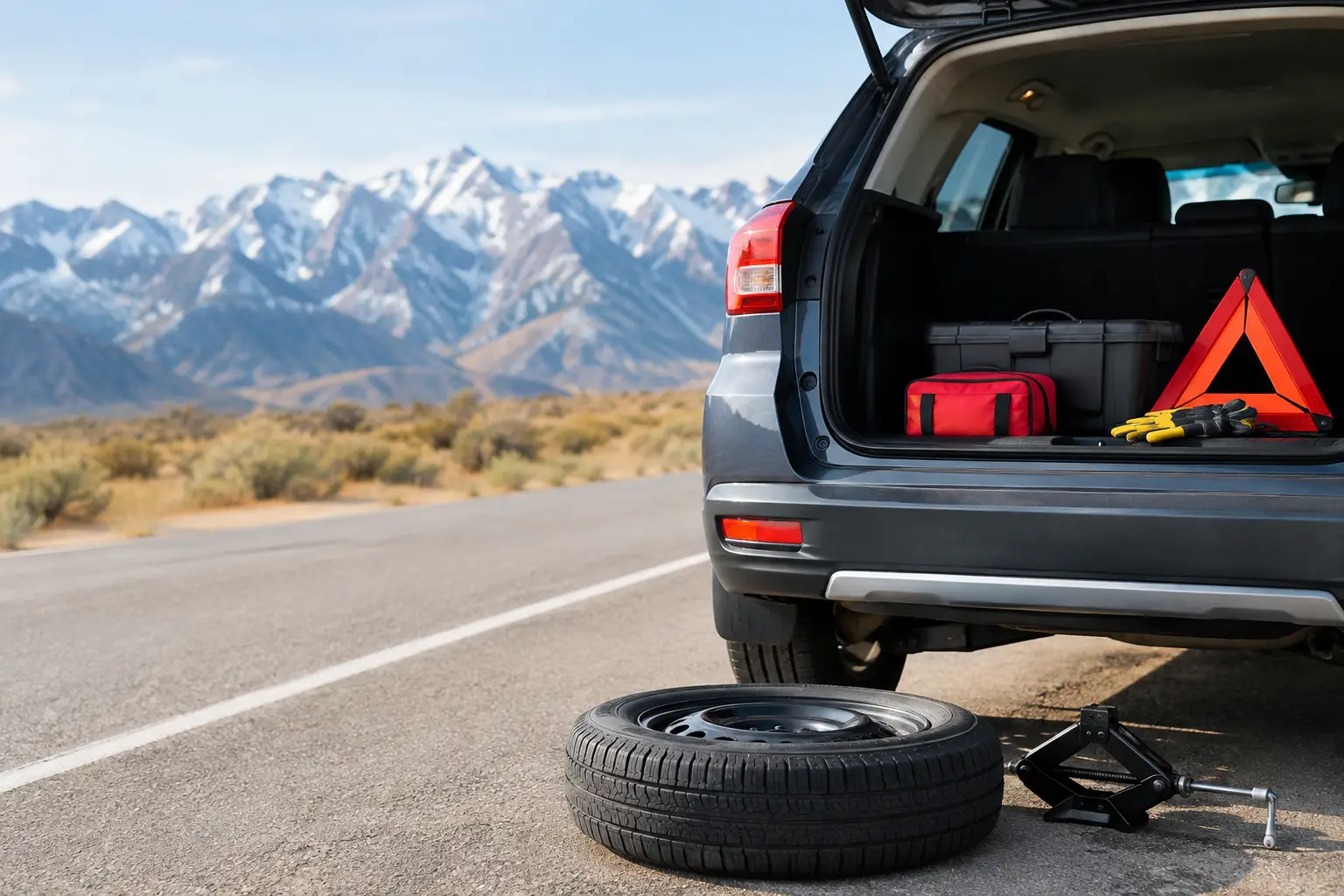
Roadside emergency essentials help Utah drivers stay safer during breakdowns, flat tires, lockouts, and winter trouble. Build a car kit that works well.
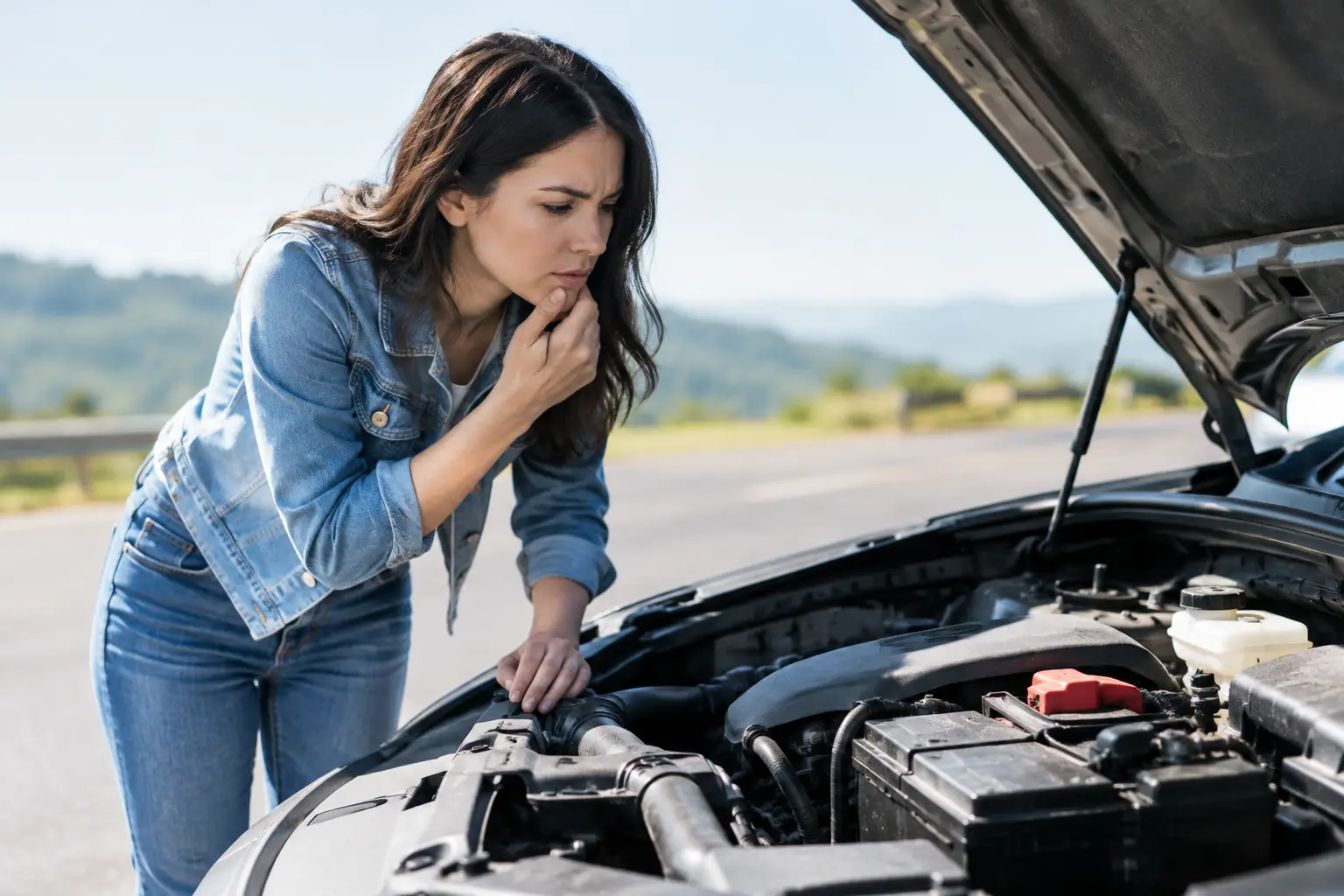
Learn how to identify battery failure before a no-start turns into a roadside problem. Spot warning signs, test safely, and know when to call for help.
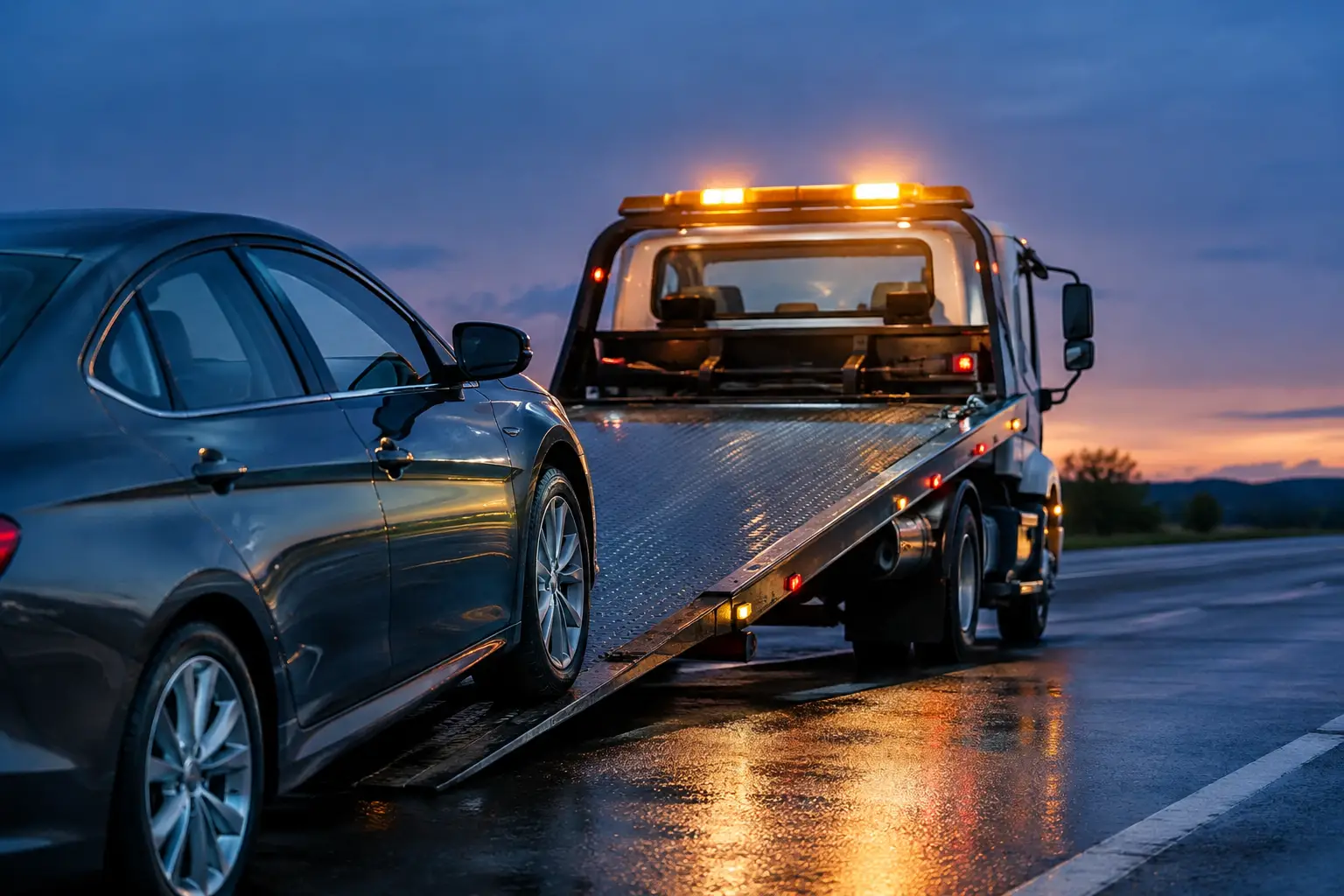
Need overnight tow truck availability in Salt Lake Valley? Get fast, affordable help for breakdowns, lockouts, dead batteries, accidents, and more tonight.