
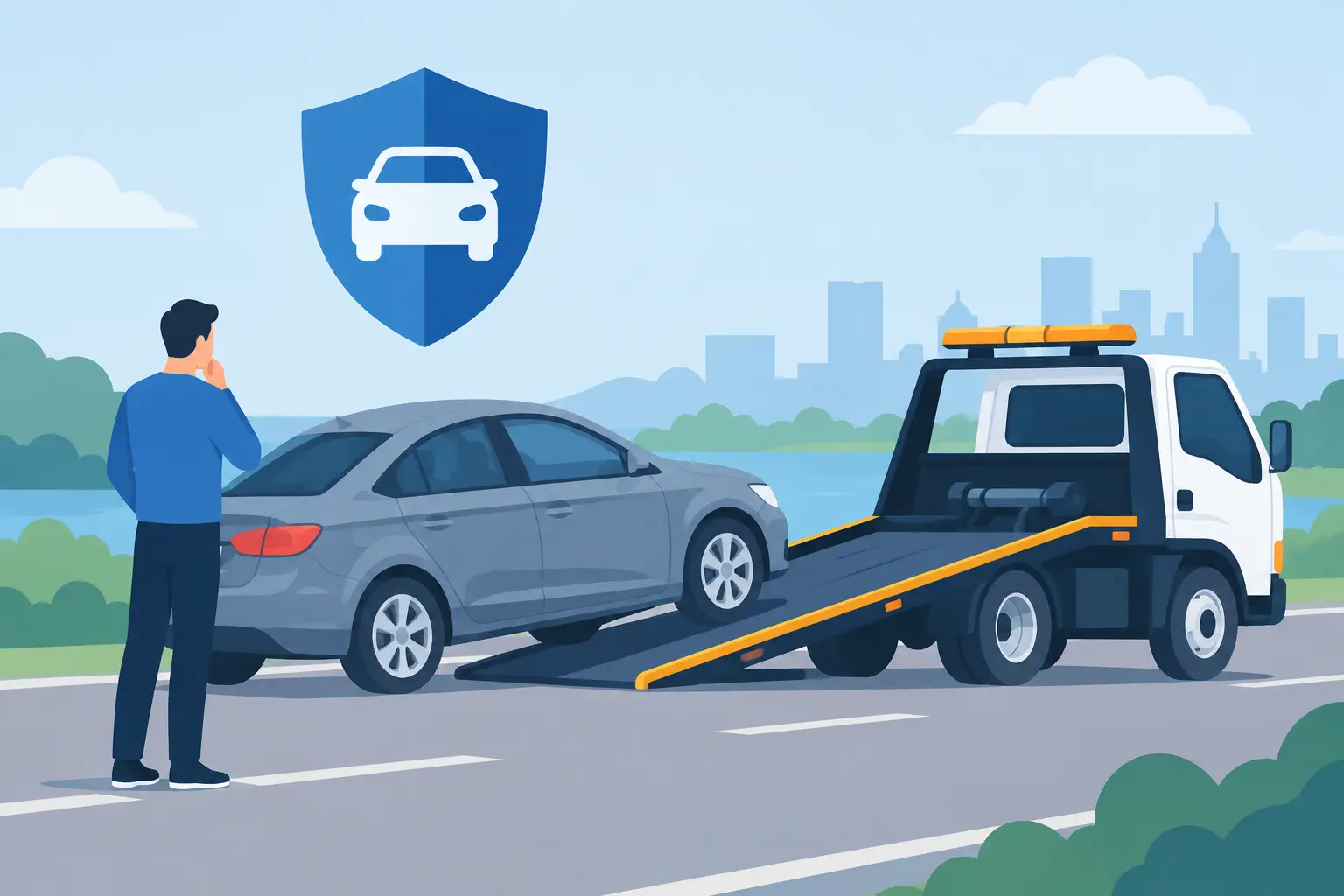
A dead battery in a grocery store lot is frustrating enough. Finding out your insurance will not reimburse the tow makes it worse. So, does insurance cover towing? Sometimes, but coverage depends on the policy you bought, why your vehicle needs help, and the dollar or mileage limits attached to the benefit.
The fast answer is this: towing is usually covered only when you have roadside assistance or towing-and-labor coverage added to your auto policy. Collision or comprehensive coverage may pay for a tow after a covered accident or vehicle damage claim, but that is a different situation. Before you assume the bill is handled, take two minutes to check your policy or call your insurer.
Does Insurance Cover Towing Under Your Policy?
Most standard auto insurance policies do not automatically include roadside towing. Liability coverage pays for injuries or property damage you cause to someone else. It does not generally pay to tow your own disabled car home, to a repair shop, or off the side of I-15.
Towing coverage usually comes from an optional roadside assistance endorsement. Insurers call it different names: emergency road service, towing and labor, roadside assistance, or breakdown assistance. The label changes, but the idea is similar. You pay a small additional premium in exchange for help when your vehicle cannot safely continue.
This coverage commonly applies to a mechanical breakdown, flat tire, dead battery, lockout, or empty fuel tank. It may cover the cost of dispatching a tow truck and moving the vehicle to a nearby repair facility. Some policies also cover the labor for a jumpstart, tire change, or fuel delivery, although you may still pay for the fuel itself.
There is a catch: roadside coverage is not unlimited. One policy might pay up to a certain dollar amount per disablement. Another may include towing only to the nearest qualified repair shop. A third may offer a set number of service calls each year. If your vehicle needs a long-distance tow from Draper to a preferred shop across the valley, the extra miles can become your responsibility.
When Collision or Comprehensive May Pay for a Tow
If your vehicle is damaged in a covered accident, collision coverage may include reasonable towing costs as part of the claim. For example, if another car hits you at an intersection and your vehicle cannot be driven, the insurer may pay to tow it from the scene to a repair facility or storage location.
Comprehensive coverage can work similarly when a non-collision event causes the problem. Think storm damage, vandalism, fire, theft recovery, or an animal strike. If the event is covered and the vehicle needs to be moved, towing may be considered a related expense.
That does not mean every tow after every incident is paid. Your insurer still decides whether the loss is covered, whether the tow was necessary, and whether storage or transportation costs are reasonable. If your deductible applies to the larger claim, you may not receive a separate payment for a modest tow bill. Filing a claim for a small amount can also be more trouble than paying the tow directly.
If you are in an accident, safety comes first. Move out of traffic if you can do so safely, call emergency services when there are injuries or hazards, document the scene, and contact your insurer once everyone is safe. Do not leave a damaged vehicle blocking traffic while you spend 30 minutes comparing policy language.
What Roadside Towing Coverage Usually Includes
Roadside coverage is designed for the everyday problems that leave drivers stuck, not for every repair need. Depending on your plan, it may help with:
- Towing after a breakdown, subject to distance or dollar limits
- Jumpstarts for a dead or weak battery
- Flat-tire service when you have a usable spare
- Lockout assistance when keys are inside the vehicle
- Limited fuel delivery when you run out of gas
Read that last part carefully. A towing company can often solve the immediate roadside problem, but insurance may only reimburse the portion your plan allows. A technician may be able to change your tire, but they cannot provide a safe replacement if your spare is flat, damaged, or missing. Fuel delivery can get you moving, but it does not turn an empty tank into a covered repair.
Also, roadside assistance is not the same as mechanical breakdown insurance. It generally pays for help getting your vehicle moving or transporting it to a shop. It does not usually pay to replace a failed alternator, repair an overheated engine, install a new tire, or fix the issue that caused the breakdown.
The Limits That Catch Drivers Off Guard
The fine print matters most when the tow is longer, more complicated, or outside regular service conditions. Before you need help, look for the coverage limit in your declarations page or insurer app. Ask whether the limit is per service call, per year, per mile, or per occurrence.
Distance is a frequent surprise. Your insurer may authorize a tow to the closest repair facility, while you may prefer a dealership, specialty mechanic, or your home. You can usually choose the destination, but you may owe the difference if it exceeds the covered mileage.
Recovery work can be different from a standard tow. If a car slides off a snowy road, gets stuck in mud, or needs winching from a ditch, the service may cost more than simply hooking up a disabled vehicle in a parking lot. Some roadside plans exclude recovery, off-road extraction, special equipment, or vehicles that are inaccessible or unsafe to reach.
Storage charges are another concern after an accident or police-initiated tow. A tow may be covered while daily storage fees pile up quickly. Contact your insurer promptly, find out where the vehicle is being held, and ask what they need from you to move it or start the claim.
How to Check Coverage Before You Need a Tow
Do not wait until you are stranded in the dark with a low phone battery. Open your insurance app or pull out your declarations page and look for roadside assistance, towing and labor, or emergency road service. If it is listed, check the limit and the instructions for requesting service or reimbursement.
Some insurers require you to use their dispatch line or approved provider for direct billing. Others let you choose a local towing company, pay at the time of service, and submit the receipt afterward. If you call your own provider without checking, reimbursement may still be possible, but it is not guaranteed.
When you call your insurer, ask three direct questions: Is towing covered for this reason? What is the mileage or dollar limit? Do I need to use your dispatch service, or can I submit a receipt? Those answers can prevent a stressful surprise after the truck arrives.
You may also have towing benefits outside your auto policy. New vehicles sometimes include roadside assistance for a limited period. Certain vehicle warranties, membership plans, credit card benefits, or employer programs may provide help as well. Coverage rules vary, so confirm the details rather than assuming a logo in your wallet means a free tow.
What to Do If You Need a Tow Right Now
If your vehicle is disabled, get yourself and passengers somewhere safe first. Turn on hazard lights, move out of active traffic if the vehicle will safely move, and avoid standing near the roadway. On busy Salt Lake Valley roads, a quick response matters, but so does staying visible and out of danger.
Then contact your insurer if you want them to dispatch service or verify benefits. If you need help immediately, a local 24/7 towing company can get your vehicle off the road and to a safe destination. Be ready to share your exact location, vehicle type, the problem, and where you want the vehicle taken. If there is damage, a flat tire without a spare, or the vehicle is off the road, say so upfront. That helps send the right truck and equipment.
Keep the itemized receipt, including the tow distance, service type, date, and vehicle information. Take a few photos if an accident, road hazard, or recovery situation is involved. If your policy allows reimbursement, complete the claim as soon as possible and save any confirmation numbers from the insurer.
Munnster Towing provides 24/7 towing and roadside help for drivers who need fast, practical assistance across the Salt Lake Valley. Whether insurance reimburses the bill or not, the immediate goal is the same: get you, your passengers, and your vehicle out of a bad spot without wasting time.
If you are stuck now, do not let insurance questions keep you on the shoulder longer than necessary. Get to a safe location, arrange the tow, save your paperwork, and sort out the coverage details once the urgent part is handled.
continue reading
Related Posts
Use this Salt Lake Valley towing guide to handle breakdowns, lockouts, accidents, and recovery calls with clear steps for getting help fast and fairly now.
Compare the best towing options Salt Lake drivers need for breakdowns, crashes, lockouts, and more - with fast 24/7 help when a vehicle will not move.
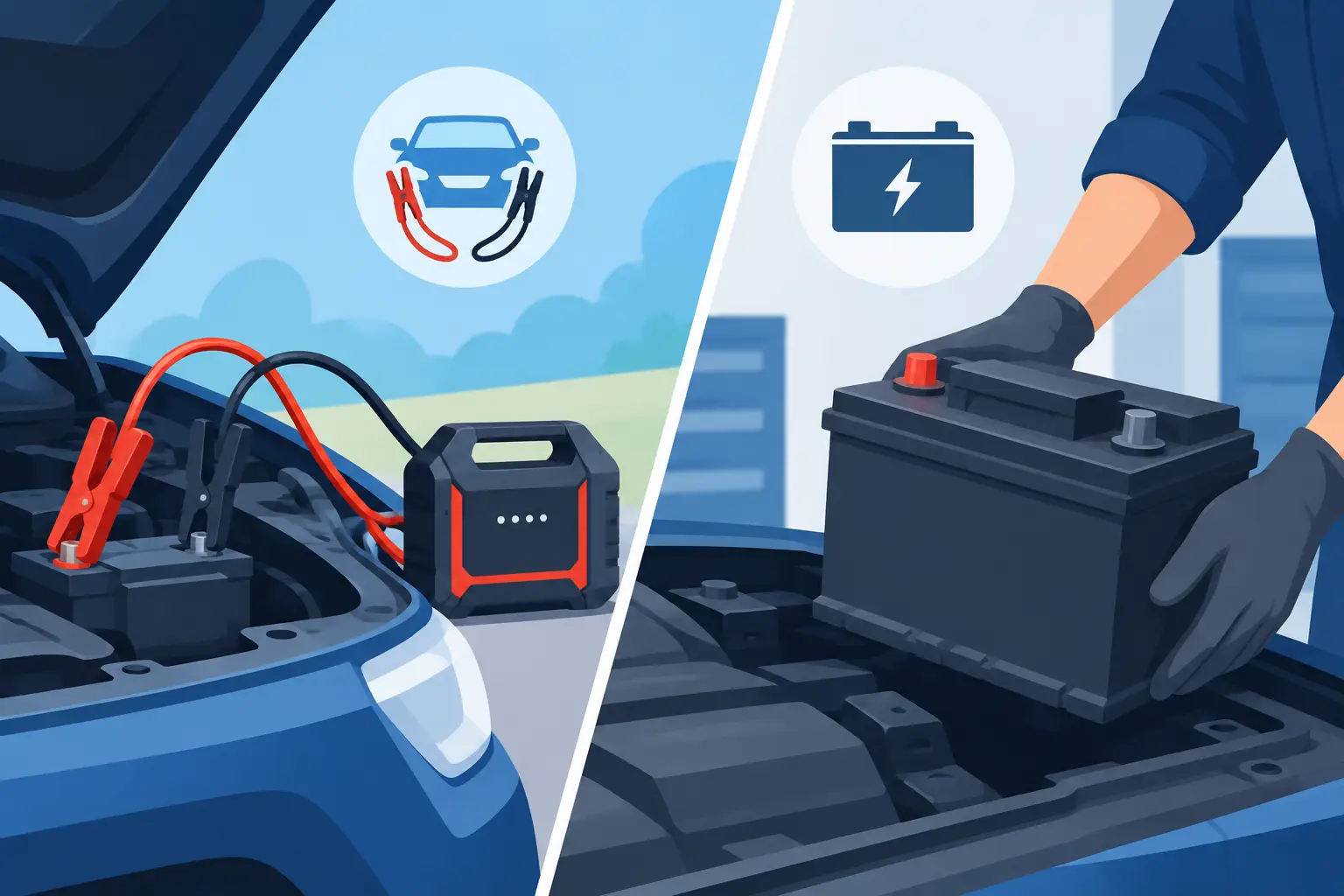
Dead battery? Compare jumpstart versus battery replacement, spot failure signs, and know when to call for quick, affordable roadside help in Utah today.