
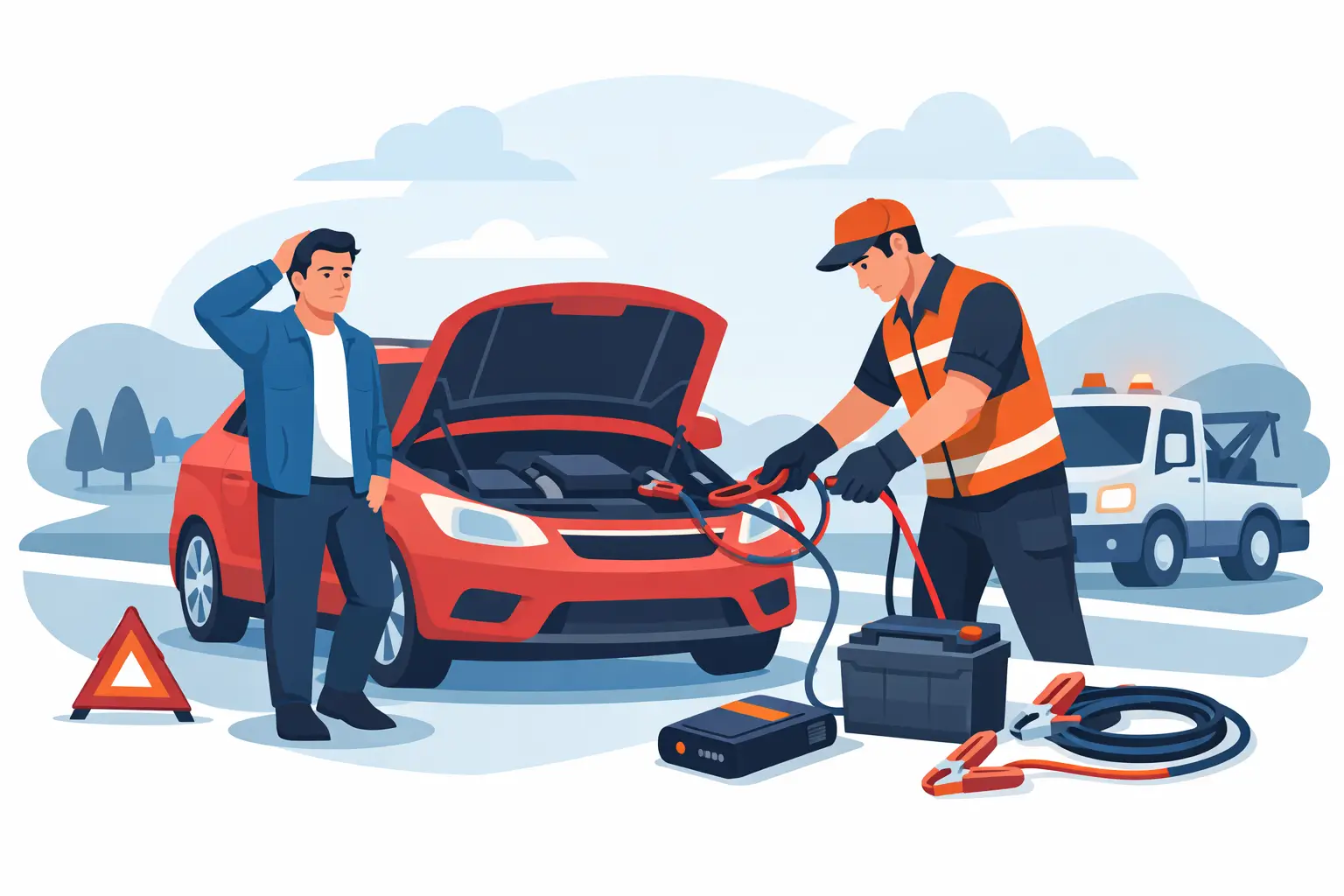
That click-click-click when you turn the key is a bad sound at 6 a.m., after a late shift, or in a crowded parking lot with kids in the back seat. The best help for dead batteries is not guessing, waiting around for a stranger with cables, or repeatedly trying to start a vehicle that is clearly not ready to go. It is getting safe, fast roadside help that can determine whether your battery needs a jump, a connection check, or a tow.
A dead battery can stop any driver cold, whether you are headed to work in Salt Lake City, picking someone up in West Jordan, or parked outside your home in Draper. The good news is that many battery problems can be handled right where your vehicle sits. The key is knowing what to do first and when to call for professional help.
Best Help for Dead Batteries Starts With Safety
Before trying anything, put safety ahead of speed. If your car is stopped in a traffic lane, on a narrow shoulder, or in an unsafe area, do not stand next to it attempting a jumpstart. Turn on your hazard lights if the vehicle has enough power. Move yourself and your passengers to a safer location when possible, then request roadside assistance.
If you are safely parked, look for the usual signs of a weak or dead battery. Your dashboard may light up but the engine will not crank. The headlights may be dim. You may hear a rapid clicking noise, one hard click, or nothing at all. In some cases, the interior lights and radio are completely dead.
Those symptoms point to a battery issue, but they do not always prove it. A failing alternator, loose battery terminal, corroded cable, starter problem, or electrical issue can feel exactly like a dead battery when you are stuck in a parking lot. That is why a quick professional check is often smarter than treating every no-start situation the same way.
When a Jumpstart Is the Right Move
A jumpstart is usually the fastest solution when a battery was drained by something simple. Maybe a dome light stayed on, a door was not closed all the way, or cold Utah weather weakened an aging battery overnight. A properly performed jump can get the engine running and help you get to a safe destination.
Once the vehicle starts, do not assume the job is finished. Letting the car idle for a few minutes may not recharge a deeply drained battery. Driving it for a while can help, but it will not fix a battery that is old, damaged, or unable to hold a charge. If the car starts after a jump and then dies again shortly afterward, the problem may be more than a low battery.
A roadside technician can jumpstart your vehicle without turning a stressful situation into a bigger one. The process matters. Connecting jumper cables in the wrong order, using damaged cables, or trying to jump a battery that is leaking, swollen, or frozen can create real hazards. Modern vehicles also have sensitive electronics, so random trial and error is not the budget-friendly move people think it is.
Signs You May Need More Than a Jump
Sometimes a jumpstart gets you moving. Sometimes it only delays the next breakdown. Watch for warning signs that tell you the battery or charging system needs attention soon.
If your vehicle needs repeated jumps, the battery is probably near the end of its life or something is draining it while the engine is off. If the battery warning light comes on while you are driving, the alternator may not be charging correctly. If you notice corrosion around the terminals, slow cranking, flickering lights, or electrical features working inconsistently, arrange for a battery and charging-system inspection.
A jumpstart is also not the right answer when the battery case looks cracked, bloated, or wet. Stay clear of a damaged battery and get help. Do not touch leaking material, and do not lean over the battery trying to inspect it closely. The safest next step may be a tow to a trusted repair shop rather than another attempt to start the vehicle.
Why Calling Roadside Assistance Beats Waiting for a Favor
Calling a friend with jumper cables can work, but it comes with trade-offs. They may be across town, their vehicle may not be positioned safely for a jump, or they may not have experience with your vehicle’s battery setup. Some vehicles have batteries in less obvious locations or designated jump points under the hood. Guessing can waste time when you need to be somewhere.
Professional roadside service brings the right equipment and a practical plan. A technician can assess the situation, attempt a safe jumpstart, inspect obvious connection problems, and help you decide whether the vehicle can be driven or should be towed. That saves you from getting a quick jump in one parking lot only to stall again on the road ten minutes later.
It can also be the affordable choice. Waiting hours for someone to arrive, missing work, or risking damage to your own vehicle can cost more than getting prompt help in the first place. When you are stranded, the goal is not to prove you can solve every problem yourself. The goal is to get back on the road safely with as little disruption as possible.
What to Do While You Wait for Dead Battery Help
After requesting service, make the wait easier and safer. Keep your location details handy, including the parking lot name, cross streets, nearby business, apartment building number, or mile marker. If you are in a garage, mention the clearance level and whether a tow truck can access your vehicle.
Turn off unnecessary accessories to preserve whatever charge remains. That includes the radio, climate controls, chargers, and lights that are not needed for safety. If it is cold outside, stay warm without putting yourself at risk. Sit in the vehicle with the doors locked if the area feels unsafe, or wait inside a nearby business when that is a better option.
Avoid repeatedly turning the key or pressing the start button. It rarely brings a dead battery back to life and can make it harder to tell what the vehicle is doing. If you have already tried one reasonable start attempt and the engine will not crank, stop there and let the technician handle the next step.
Prevent the Next Battery Surprise
No battery lasts forever. Most car batteries gradually lose capacity over time, and extreme heat or winter cold can expose the weakness fast. If your battery is several years old, it is worth having it tested before the season changes or before a long trip.
Keep battery terminals clean and securely connected. Make sure lights are off when you leave the vehicle, and be careful with accessories that run while the engine is not on. If you do not drive often, take the car for a regular drive or use an appropriate battery maintainer. Short trips alone may not give the alternator enough time to fully recharge the battery.
Pay attention after a jumpstart. A vehicle that starts normally for days afterward may have had a one-time drain. A vehicle that struggles again the next morning is telling you something. Acting early can keep a minor battery problem from becoming an inconvenient tow or a missed day.
When you need immediate help in Salt Lake City, West Valley, South Jordan, Midvale, Holladay, or nearby areas, Munnster Towing provides 24/7 jumpstart and roadside assistance for drivers who do not have time to be stranded. Request help as soon as you know the vehicle will not start, share your exact location, and let an experienced technician get you moving or get your vehicle where it needs to go.
continue reading
Related Posts
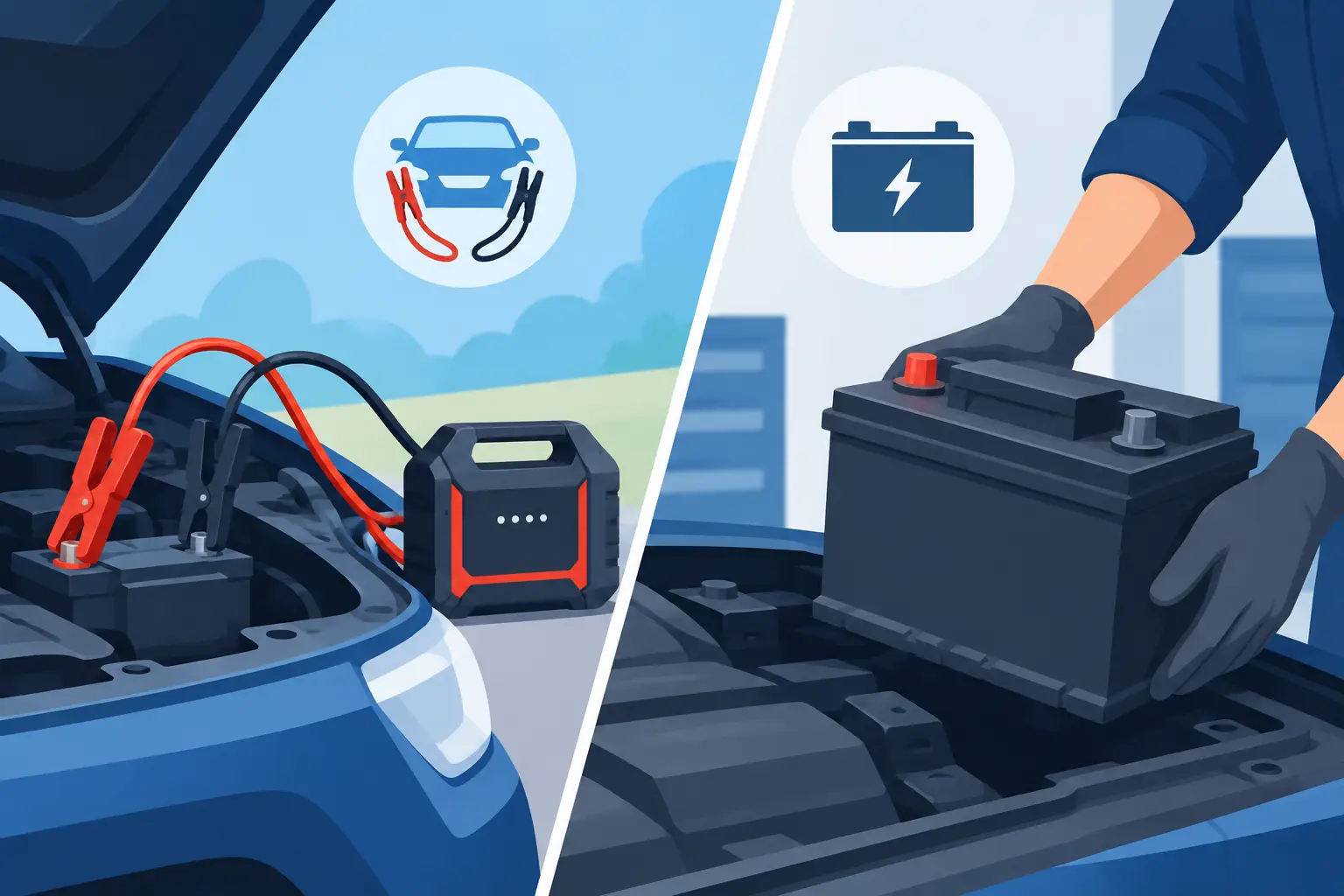
Dead battery? Compare jumpstart versus battery replacement, spot failure signs, and know when to call for quick, affordable roadside help in Utah today.
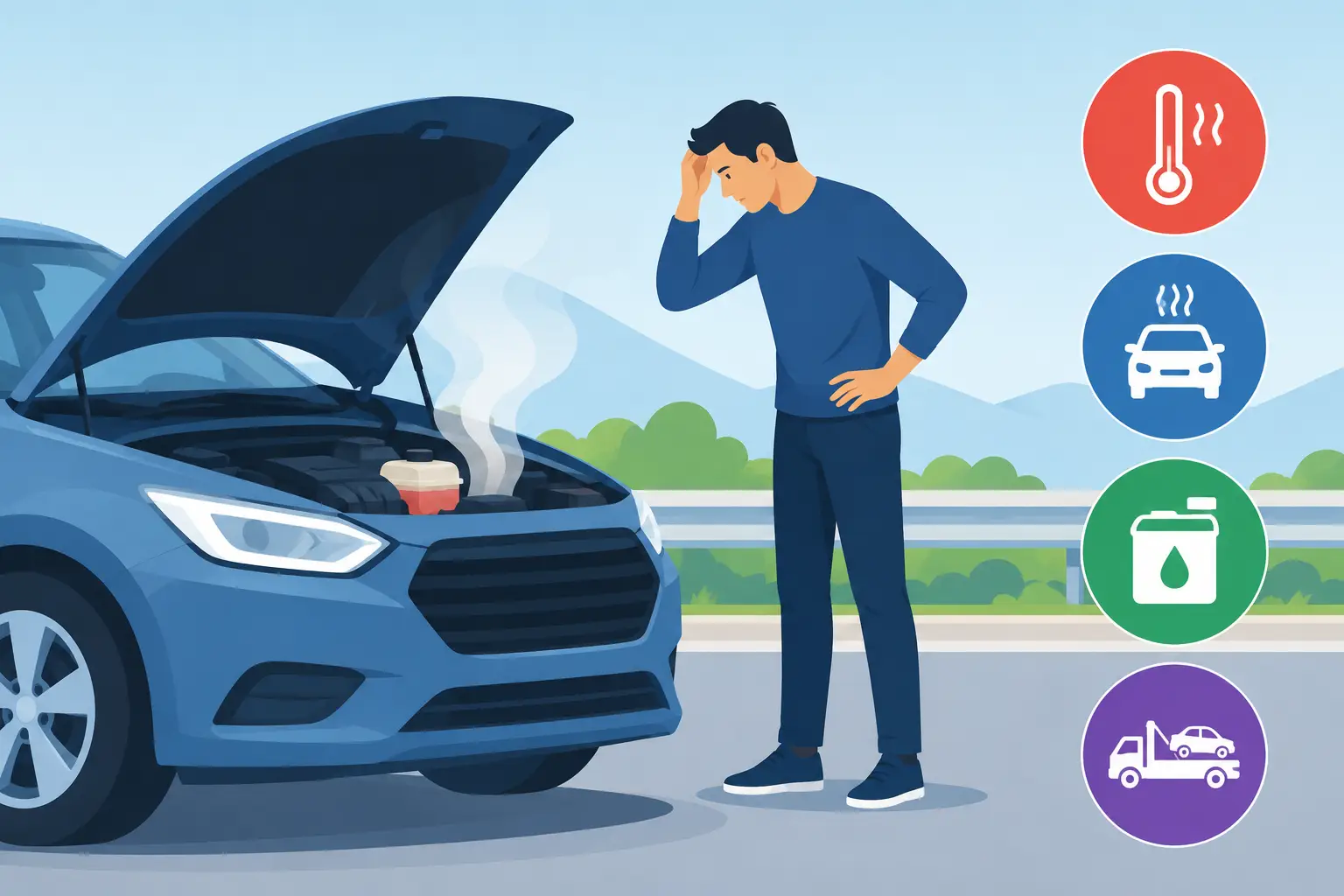
Car overheating can turn a normal drive into engine damage fast. Learn what to do safely, what not to do, and when to call for a tow in Salt Lake Valley.
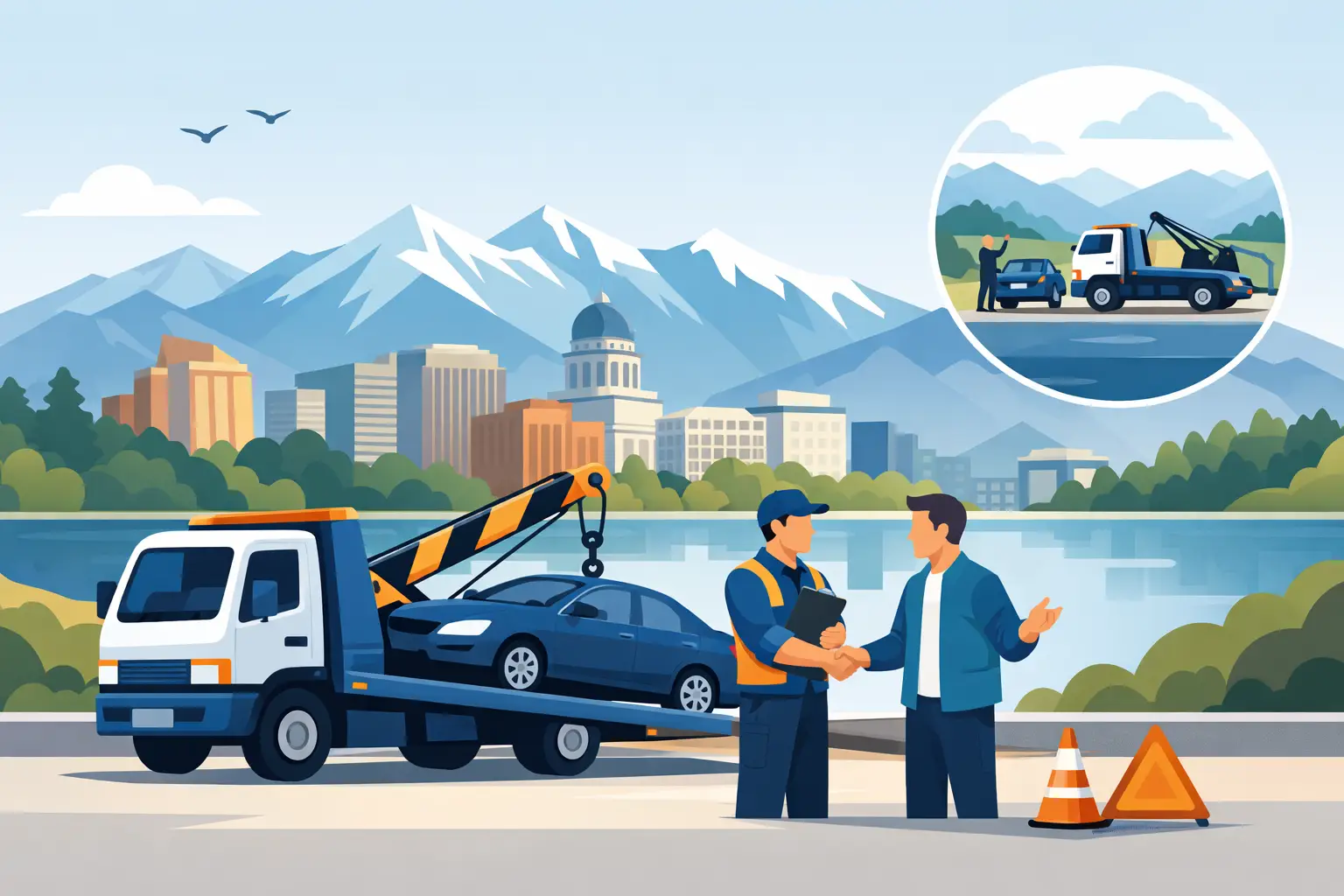
This Salt Lake towing case study shows how fast, affordable 24/7 roadside help gets a stranded commuter safely moving again without extra stress today.