
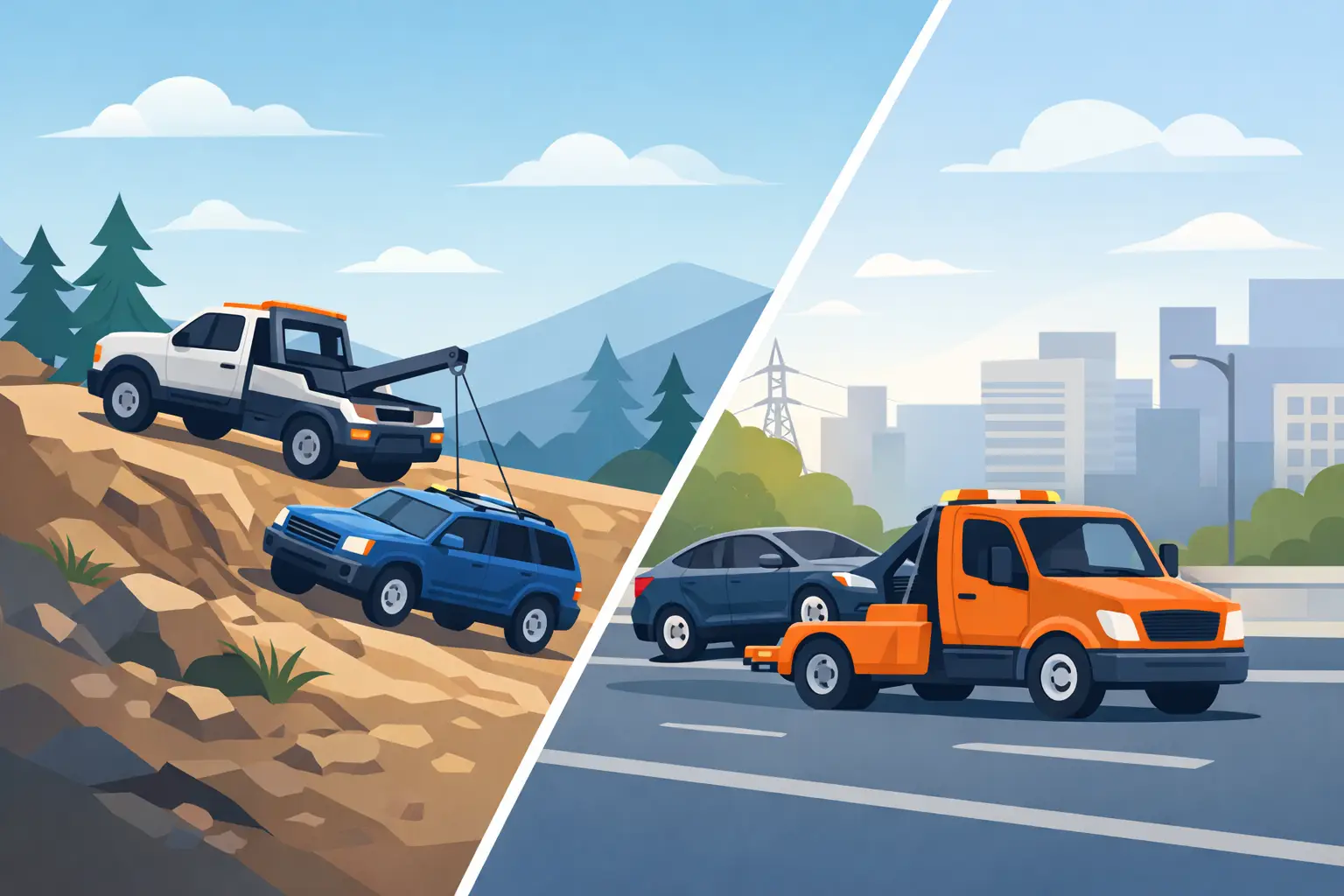
A vehicle stuck in a ditch, snowbank, mud, or off the side of a steep road needs a different kind of help than a car that simply will not start. That is the real difference in winch out vs standard towing. One service pulls a vehicle back to stable ground. The other transports a vehicle from one location to another. Calling for the right service helps the dispatcher send the right truck, equipment, and experienced operator without wasting time when you are already stranded.
If you are on the shoulder, in a parking lot, or stuck on one of Salt Lake Valley’s snowy side streets, give clear details about where your vehicle is sitting. A few seconds of accurate information can make a stressful roadside call go much faster.
What Is Standard Towing?
Standard towing is what most drivers picture when they need a tow truck. Your vehicle is accessible from the road or parking area, on reasonably level ground, and can be loaded safely onto a tow truck. A flatbed may carry all four tires off the ground, while another truck setup may lift and tow the vehicle based on its condition, drivetrain, and location.
This is usually the right call when your car has a mechanical issue, a flat tire without a usable spare, a dead battery that will not jump, collision damage, overheating, or a transmission problem. The vehicle is not necessarily stuck. It just cannot be driven safely or legally.
For example, if your SUV quits in a West Jordan grocery store parking lot, standard towing can take it to your home, a repair shop, or another requested destination. If a commuter’s sedan breaks down on a clear shoulder in Salt Lake City, a tow truck can usually load it directly and get it off the road quickly.
Standard towing is often more straightforward because the truck can position close to the vehicle and load it without additional recovery work. That does not mean every tow is simple. Heavy traffic, low-clearance cars, damaged wheels, locked steering, and tight parking garages can all affect the approach. Still, the main job is transport.
What Is a Winch Out?
A winch out is a vehicle recovery service. The operator uses a powered cable and secure recovery points to carefully pull a stuck vehicle back onto stable, accessible ground. It is not about taking your car miles down the road. It is about getting it out of the place where it cannot move on its own.
Common winch-out situations include sliding into a snowy curb or ditch, getting buried in mud, dropping wheels off a narrow road, becoming high-centered on a rock or deep rut, or ending up in an embankment after a crash. Utah weather and mountain-adjacent roads can turn a small driving mistake into a recovery job fast.
The cable is not simply hooked to any convenient part of the car. An experienced operator evaluates the angle of the pull, vehicle weight, terrain, traction, clearance, and safe attachment points before starting. A bad pull can damage a bumper, suspension component, undercarriage, or frame. A careful recovery is worth more than rushing a vehicle out and creating an expensive repair problem.
Once the vehicle is back on firm ground, you may still need a standard tow. If the car is damaged, has no traction, is leaking fluids, or does not feel safe to drive, the best next step is often recovery first and towing second.
Winch Out vs Standard Towing: The Quick Difference
The easiest way to think about it is this: standard towing moves a vehicle that is accessible but unable to drive. A winch out frees a vehicle that is inaccessible because it is stuck, off-road, or in an unsafe position.
Sometimes the two services happen during the same call. Picture a car that slides backward into a snow-filled drainage area in Draper. The truck may need to winch it up to the pavement first. If the driver can safely continue after that, the job may end there. If the tires are damaged or the car suffered a collision, it may then be loaded and towed to a repair facility.
Do not worry about using the perfect industry term when you call. Just explain what happened. Say whether the vehicle is on pavement, how far it is from the road, whether any wheels are in a ditch, and whether there is visible damage. The towing company can determine whether the situation calls for a standard tow, a winch out, or both.
Why Recovery Jobs Can Cost More
Drivers sometimes expect every tow to cost the same. Recovery work can require more time, specialized equipment, extra setup, and a higher level of risk than loading a vehicle from a flat parking lot. The truck may need to be positioned carefully to avoid traffic, soft ground, utility poles, fences, or a steep slope.
A winch out can also take longer when the vehicle is deep in snow or mud, sitting at an awkward angle, or difficult to reach. In some cases, an operator may need to adjust the pull several times to protect the vehicle and keep the recovery controlled. Those details affect the final price.
That said, a professional recovery is often cheaper than trying to force your way out. Spinning tires can dig a vehicle deeper. Aggressive rocking can damage the transmission. Letting an untrained friend pull your car with a strap can crack bumpers, bend parts, or snap the strap under tension. The affordable option is not always the lowest number at the start of the call. It is the option that gets the vehicle out without adding a bigger repair bill.
What to Do While You Wait
Your first job is staying safe, not trying to become your own recovery crew. If the vehicle is in traffic or near a busy road, turn on hazard lights and move to a safe location when possible. Keep clear of moving vehicles, especially at night or during snow and rain.
If you are stuck off the road, avoid standing downhill from the vehicle or near the path it could travel during a pull. Never stand close to a taut winch cable, tow strap, or chain. Recovery equipment handles serious force, and the operator needs a clear work area to do the job safely.
When you call, be ready to share your exact location, vehicle type, what caused the problem, and whether passengers are safe. A photo can also be useful if the dispatcher requests one, particularly when the vehicle is off pavement or below road level. The more accurate the picture, the better the equipment match.
When You Should Call Right Away
Call for professional help immediately if your vehicle is blocking traffic, angled on a slope, partly in a ditch, damaged after a collision, or stuck where spinning the tires could make the situation worse. The same applies if you smell fuel, see smoke, notice leaking fluids, or cannot safely exit the vehicle.
Munnster Towing provides 24/7 towing and recovery help for drivers across Salt Lake City, West Valley, West Jordan, South Jordan, Midvale, Holladay, Draper, and nearby areas. Whether you need a fast tow from a breakdown or a careful winch out after a slide-off, the goal is simple: get you and your vehicle out of a bad spot without unnecessary delay or damage.
A stuck car can make a normal commute feel like a very long night. Stay clear of the recovery area, share the facts about your location, and let the right equipment do the hard part.
continue reading
Related Posts
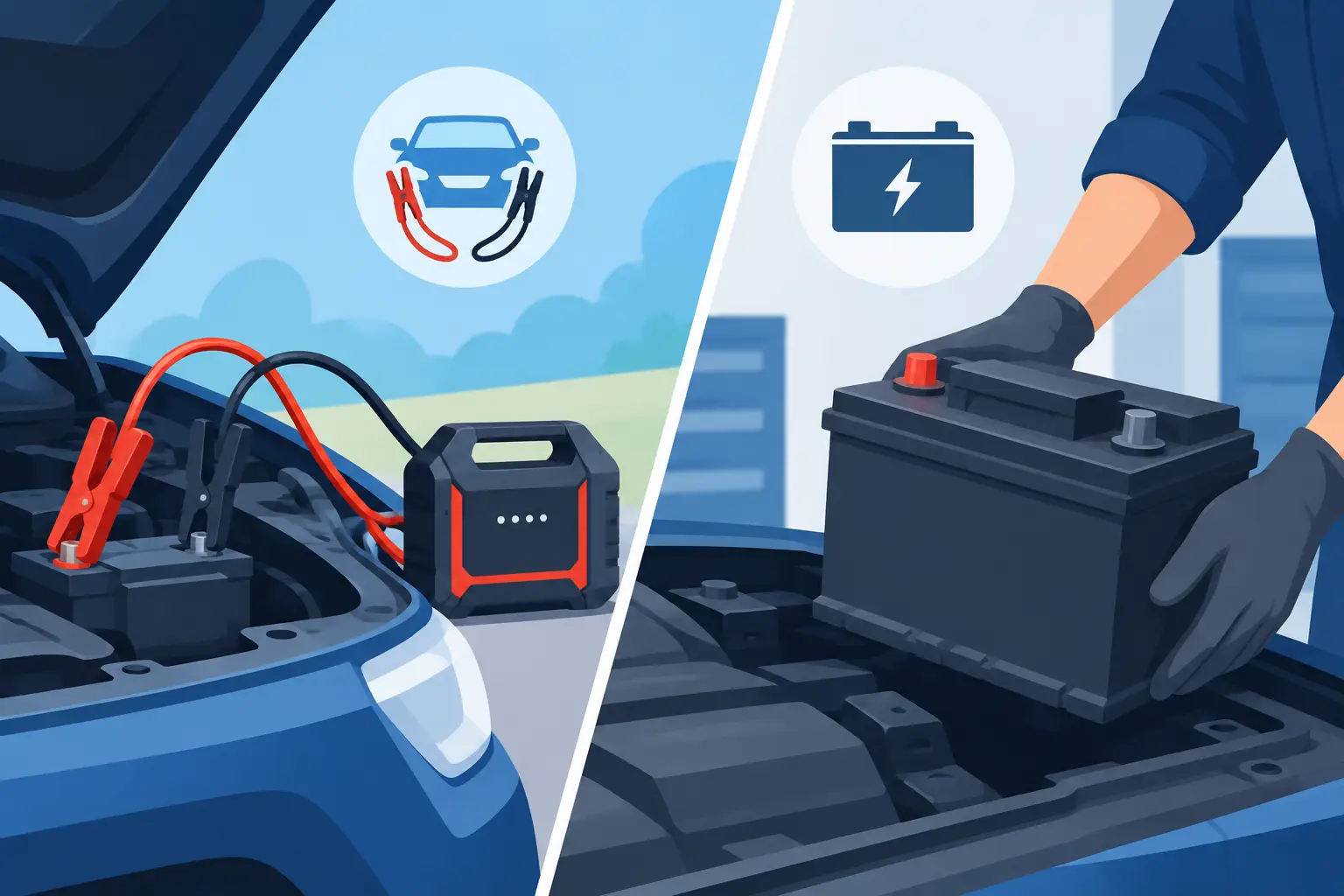
Dead battery? Compare jumpstart versus battery replacement, spot failure signs, and know when to call for quick, affordable roadside help in Utah today.
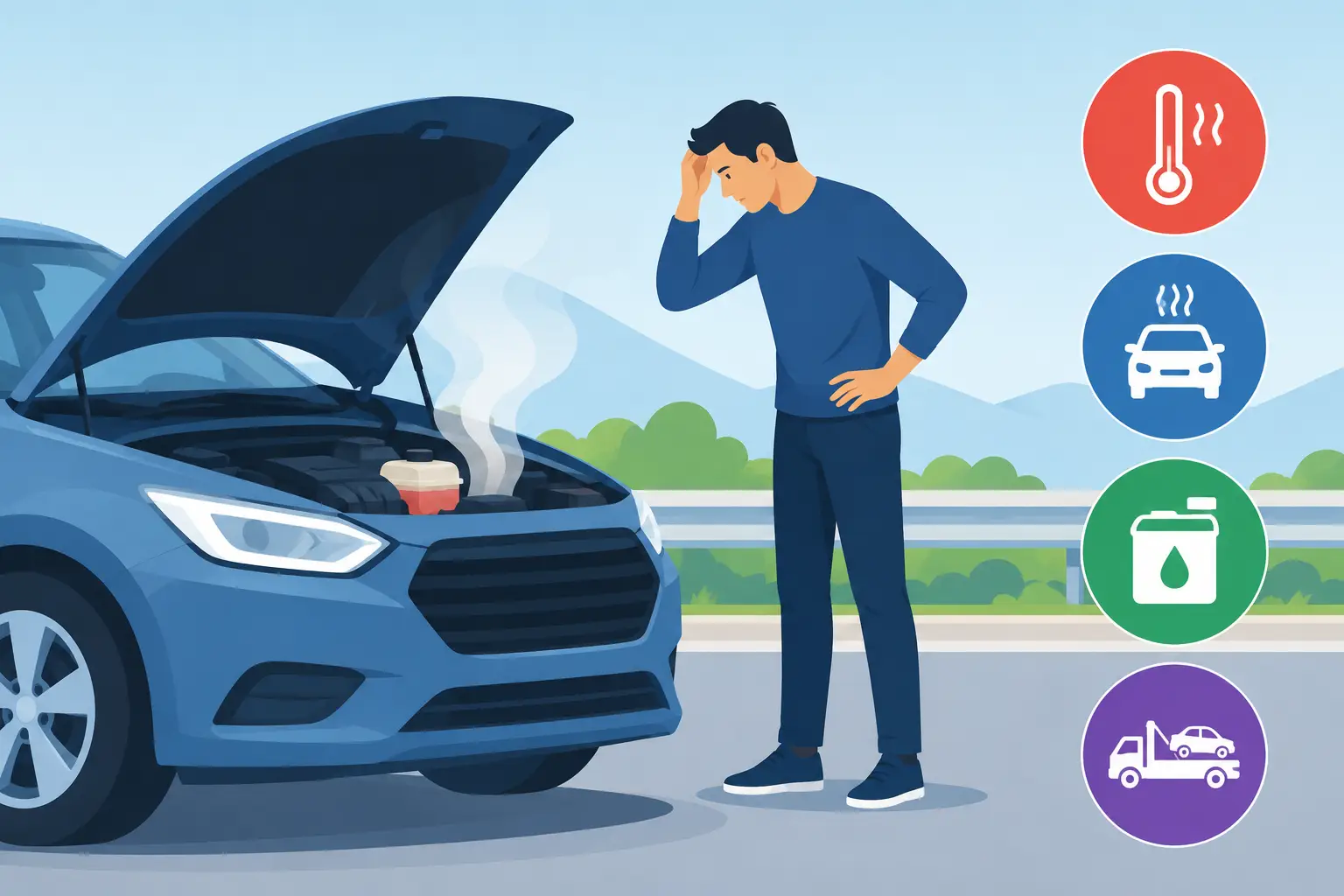
Car overheating can turn a normal drive into engine damage fast. Learn what to do safely, what not to do, and when to call for a tow in Salt Lake Valley.
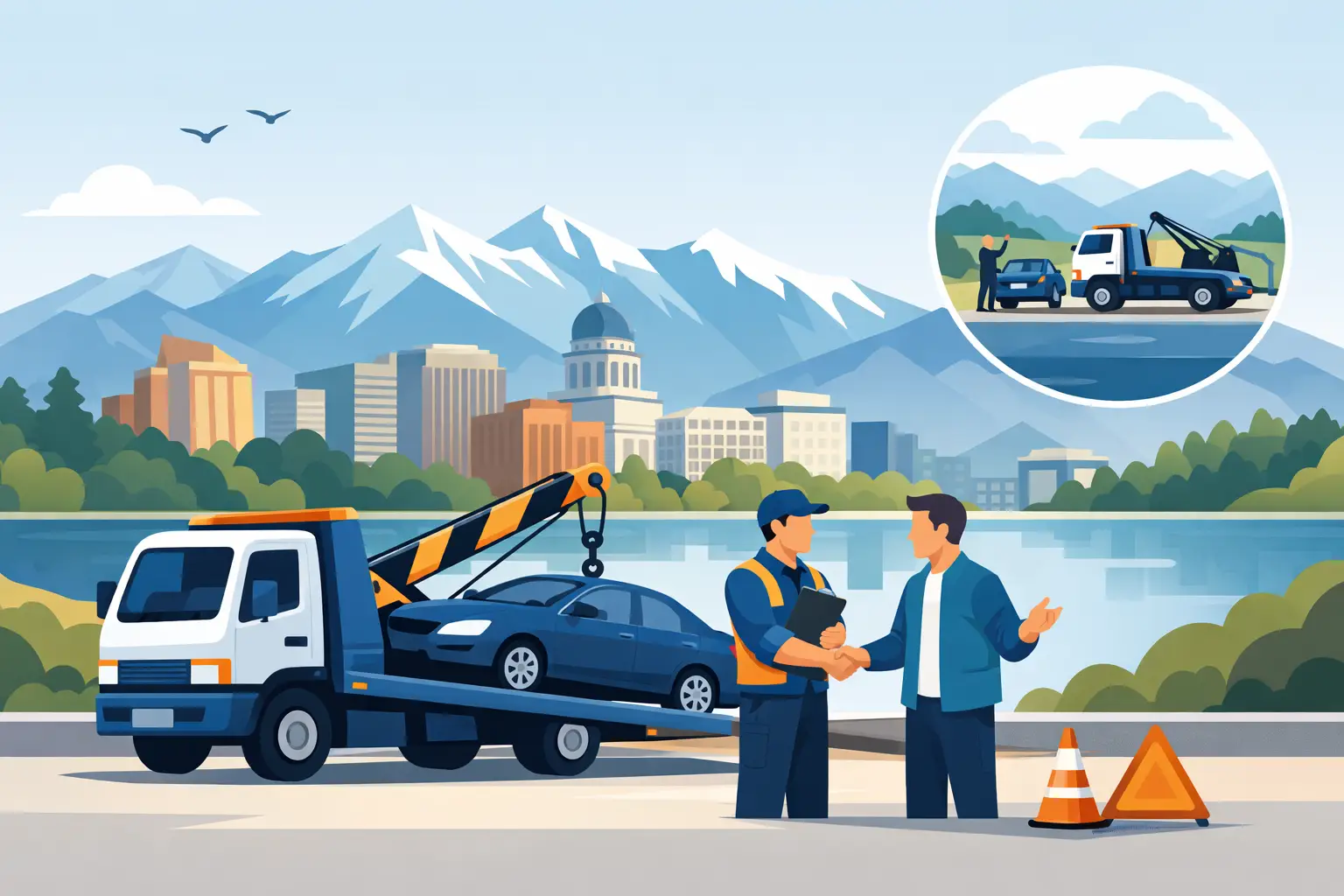
This Salt Lake towing case study shows how fast, affordable 24/7 roadside help gets a stranded commuter safely moving again without extra stress today.