
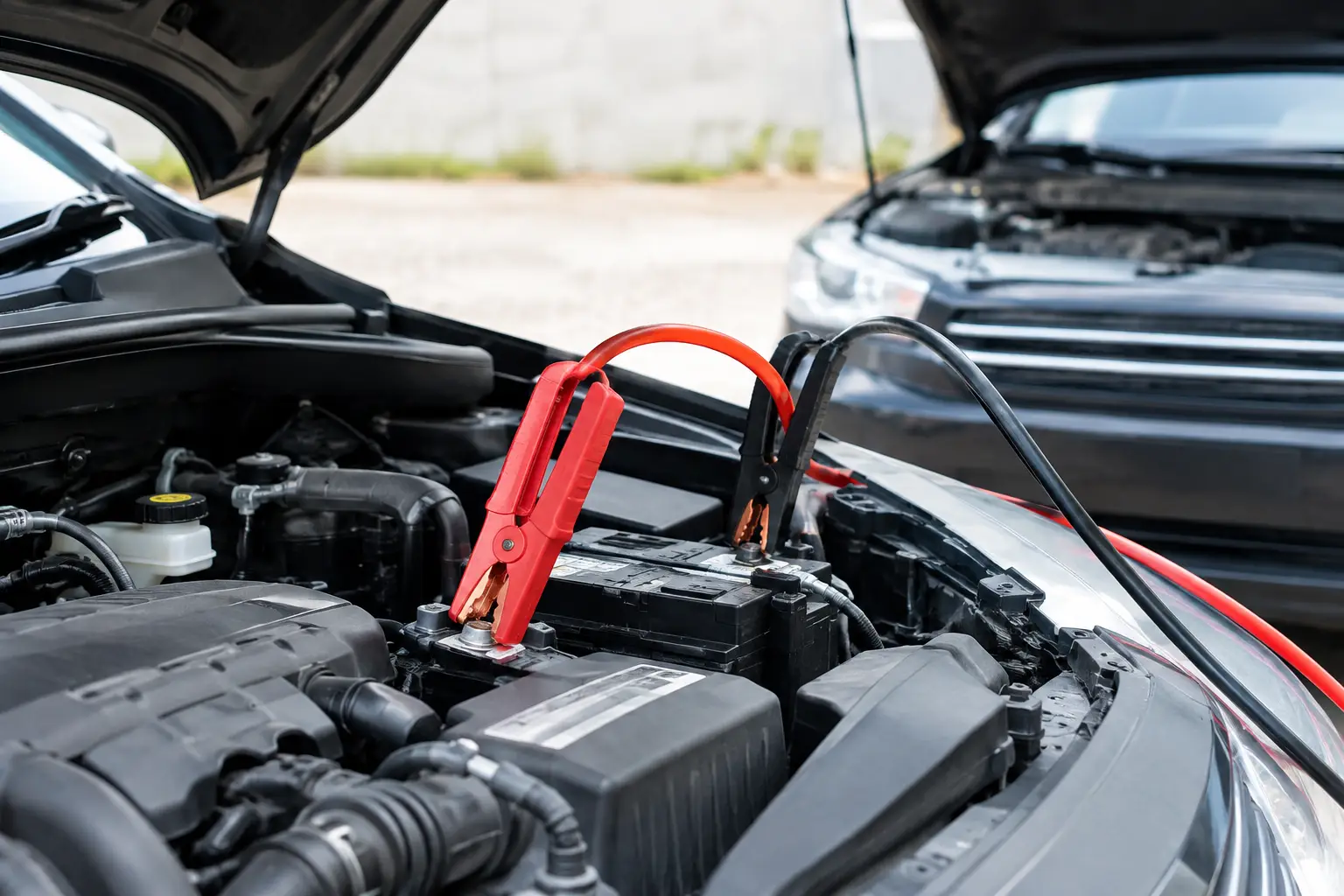
A dead battery at the grocery store, after a long shift, or in your own driveway creates one urgent question: will jumpstarting damage electronics? Usually, a properly performed jump-start will not hurt a modern vehicle’s electronics. The real risk comes from doing it wrong – reversed cables, loose connections, damaged cables, or a vehicle with a deeper electrical problem than a weak battery.
Modern cars, trucks, and SUVs have computers controlling the engine, transmission, safety systems, infotainment, and more. That sounds fragile, but these systems are built to handle normal charging voltage and everyday electrical changes. A safe jump-start is part of normal vehicle ownership. Guesswork with jumper cables is where expensive trouble starts.
Will Jumpstarting Damage Electronics in a Modern Car?
In most cases, no. When the positive and negative cables are connected in the proper order and both vehicles use standard 12-volt systems, jumpstarting is unlikely to damage electronics. Your alternator normally produces charging voltage above 12 volts while the engine runs, so vehicle electronics are designed for that range.
The concern is voltage spikes. A large spike can potentially affect sensitive modules, sensors, or audio equipment. However, a healthy vehicle and quality jumper cables generally manage the process without drama. Serious electrical damage from a correctly performed jump-start is uncommon.
That said, there is no reason to treat the job casually. One clamp on the wrong terminal can turn a quick battery boost into blown fuses, damaged wiring, or a no-start situation that requires a tow. If you are not fully sure where to connect the cables, calling for roadside assistance is cheaper than gambling with your vehicle’s electrical system.
What Actually Causes Damage During a Jump-Start?
The battery itself is not usually the enemy. The dangerous part is an incorrect connection or an unstable power source.
Reversed polarity
This is the big one. Connecting the positive cable to the negative terminal, or the negative cable to the positive terminal, can cause immediate sparks and can damage fuses, alternators, battery sensors, and control modules. Some vehicles have protective fuses designed to sacrifice themselves before major components fail, but that is not a repair you want to create in a parking lot.
Always identify the positive terminal first. It is commonly marked with a plus sign and may have a red cover. The negative terminal has a minus sign and is often connected to a black cable. Do not rely on cable color alone if anything looks altered, corroded, or unclear.
Connecting the last clamp directly to a weak battery
The final negative connection should generally go to a clean, unpainted metal grounding point on the dead vehicle, away from the battery. This helps reduce the chance that a spark near the battery could ignite hydrogen gas. It also provides a more controlled ground path.
Your owner’s manual may identify a specific jump-start terminal or grounding point. Follow it, especially on newer vehicles with battery monitoring systems or batteries mounted in unusual locations.
Using the wrong equipment
A standard passenger vehicle normally uses a 12-volt system. Do not try to jump it from a vehicle with a different voltage system. Heavy equipment, commercial vehicles, and some specialty vehicles may not be compatible with a typical car or SUV.
Cheap, thin, damaged, or badly corroded jumper cables can also create poor connections and heat. A quality portable jump pack is often safer and more convenient than relying on another vehicle, but it still must be connected correctly and used within its rated capacity.
Jumping a battery that is damaged or frozen
If the battery case is cracked, swollen, leaking, or frozen, stop. Do not attempt to jump it. A severely damaged battery can leak acid or fail violently under charging load. In Utah winters, a weak battery can freeze when temperatures drop, especially if it has been sitting discharged.
A jump-start may get the vehicle moving, but it does not fix a bad battery. If the battery is old, repeatedly dead, or physically damaged, have it tested and replaced as needed.
How to Jump-Start a Car Without Hurting Electronics
Before connecting anything, park both vehicles so they do not touch. Put both in Park or Neutral, apply the parking brakes, turn off lights and accessories, and make sure both ignitions are off. Keep cables away from fans, belts, and moving engine parts.
Use this connection order:
- Connect the red clamp to the positive terminal on the dead battery.
- Connect the other red clamp to the positive terminal on the good battery or jump pack.
- Connect the black clamp to the negative terminal on the good battery or jump pack.
- Connect the final black clamp to a solid, unpainted metal ground on the disabled vehicle, away from the battery.
Once connected, start the assisting vehicle if you are using one, then wait a few minutes. Do not race the engine. A modest idle is enough. Try starting the dead vehicle for a few seconds. If it does not start after a couple of attempts, stop instead of cranking over and over.
When the vehicle starts, remove the cables in reverse order. Keep the clamps from touching each other while any part of the setup is still connected. Let the revived vehicle run or drive it for at least 20 to 30 minutes if it is operating normally, but understand that driving is not a guaranteed cure for a failing battery.
When a Jump-Start Is Not the Right Move
A dead battery can be the symptom, not the problem. If your dashboard lights were flickering, the battery warning light came on while driving, or the car died after starting, the alternator may not be charging. A jump can get you going briefly, but the vehicle may stall again as soon as battery power runs down.
Repeated dead batteries can also point to corroded terminals, loose battery cables, a parasitic electrical draw, or an aging battery that cannot hold a charge. In those cases, more jump-starts only delay the real repair.
Skip the DIY attempt and get help if you smell burning plastic, see smoke, find melted wiring, hear a rapid clicking with no crank, or notice a swollen or leaking battery. The same goes for hybrid and electric vehicles. Their 12-volt batteries can need assistance, but the high-voltage systems have specific safety rules. Never touch orange high-voltage cables or attempt a jump outside the procedure in the owner’s manual.
Why Some Newer Vehicles Need Extra Care
Late-model vehicles can have start-stop systems, battery sensors, multiple batteries, or remote jump terminals under the hood. The battery may be in the trunk, under a seat, or hidden beneath covers. That does not mean the vehicle cannot be jump-started. It means the manufacturer may have a preferred procedure to protect the battery management system and ensure the vehicle receives power at the correct point.
If your owner’s manual specifies a positive jump terminal and a dedicated ground stud, use them. Connecting directly to a battery terminal when the manual says otherwise can cause warning lights, charging-system issues, or inaccurate battery monitoring. A warning light after a jump is not always catastrophic, but it deserves attention if it stays on after driving.
Fast Help Beats a Risky Roadside Guess
If you are stranded in Salt Lake Valley with no cables, no jump pack, or no confidence about the connection points, do not turn a simple dead battery into an electrical repair bill. Munnster Towing provides 24/7 roadside assistance for drivers who need a fast jump-start, a battery check, or a tow when the vehicle will not stay running.
A trained roadside professional can identify obvious battery terminal problems, use proper equipment, and help you decide whether it is safe to drive or smarter to transport the vehicle. That matters when you are stuck outside work in West Valley City, trying to get home from Salt Lake City, or dealing with a no-start in a cold Kearns parking lot.
If the connections are clear, the battery is intact, and you follow the correct order, a jump-start is usually safe for your electronics. If anything looks questionable, put the cables down and get help. A quick call is a lot easier than explaining to a repair shop how the smoke started.
continue reading
Related Posts
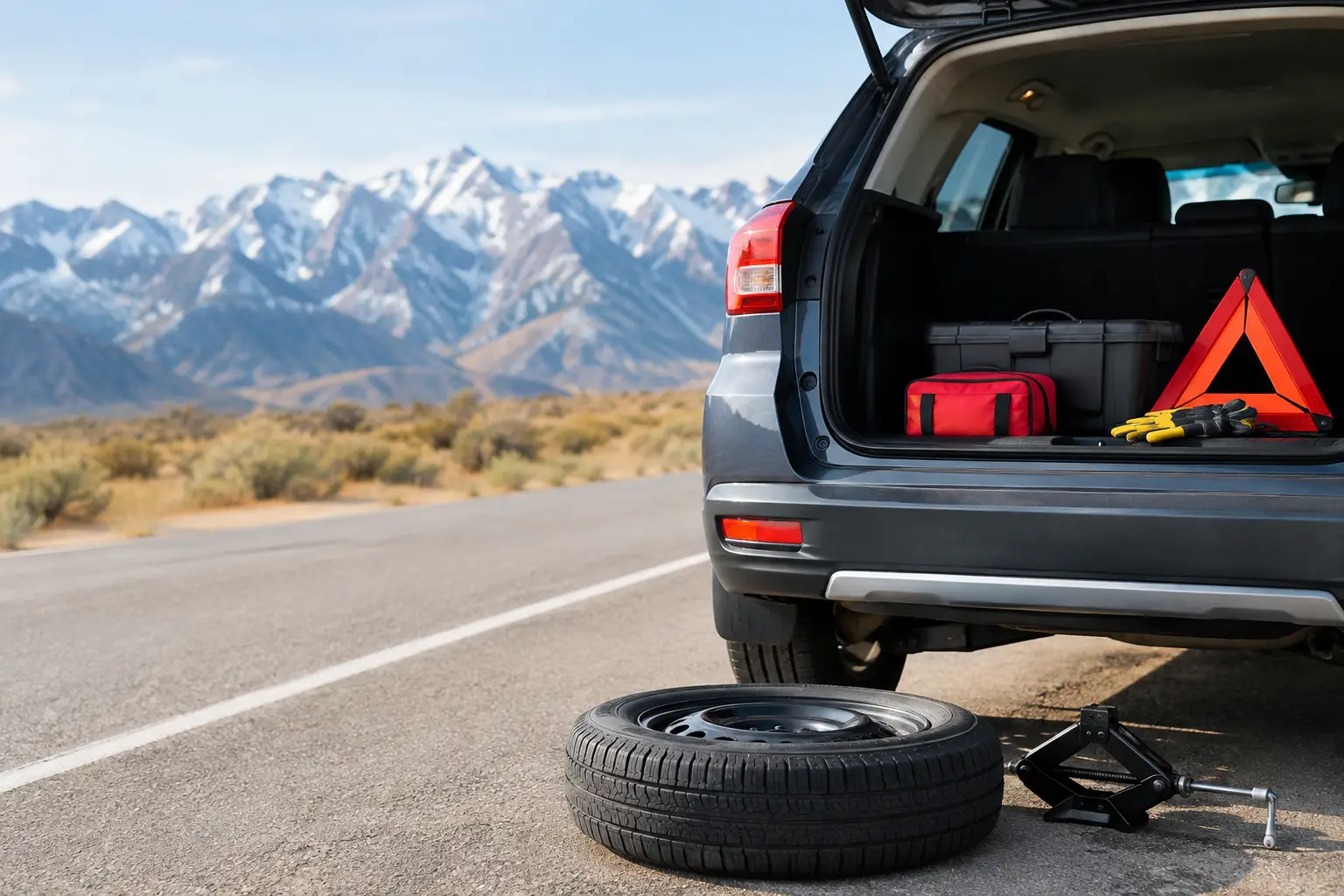
Roadside emergency essentials help Utah drivers stay safer during breakdowns, flat tires, lockouts, and winter trouble. Build a car kit that works well.
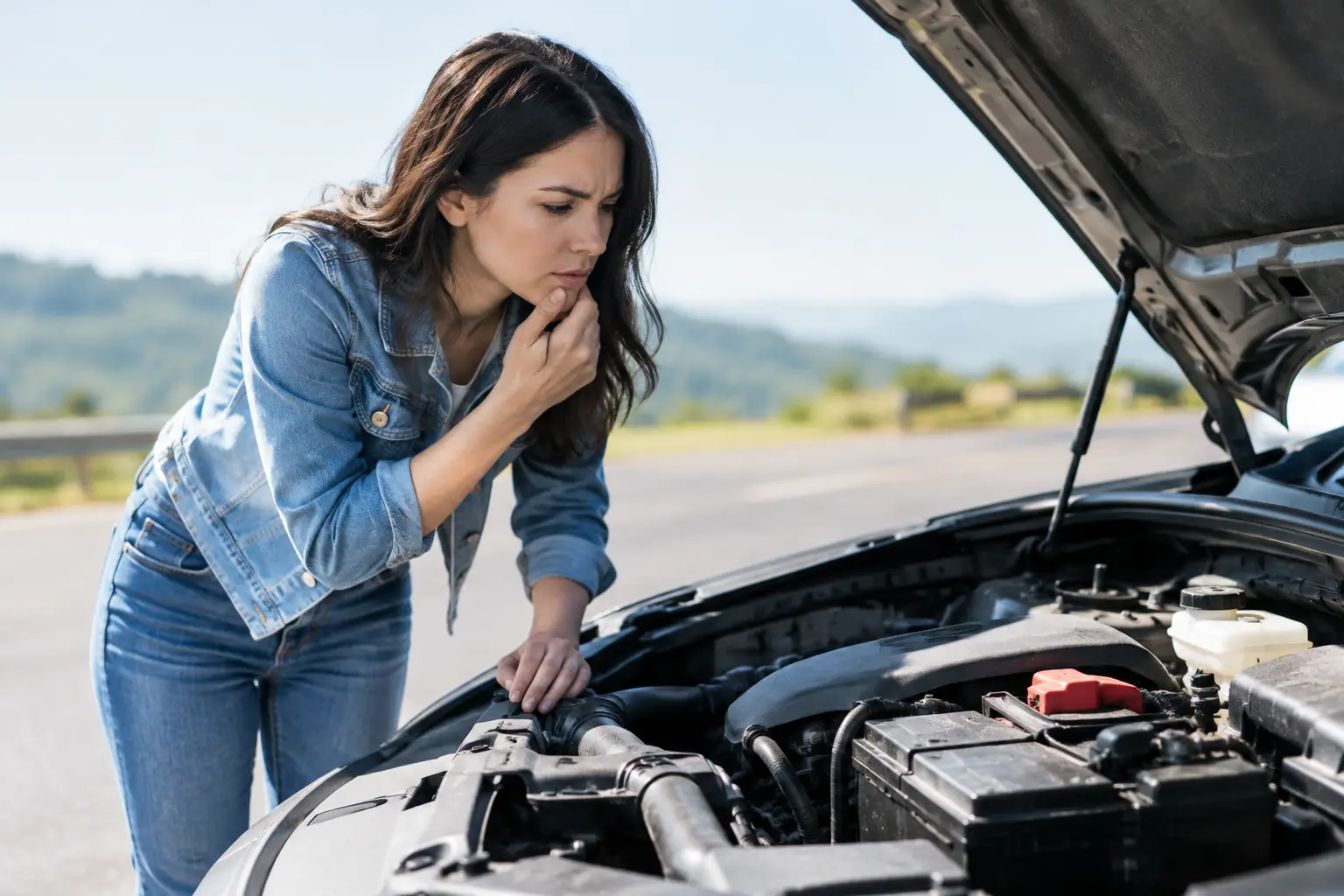
Learn how to identify battery failure before a no-start turns into a roadside problem. Spot warning signs, test safely, and know when to call for help.
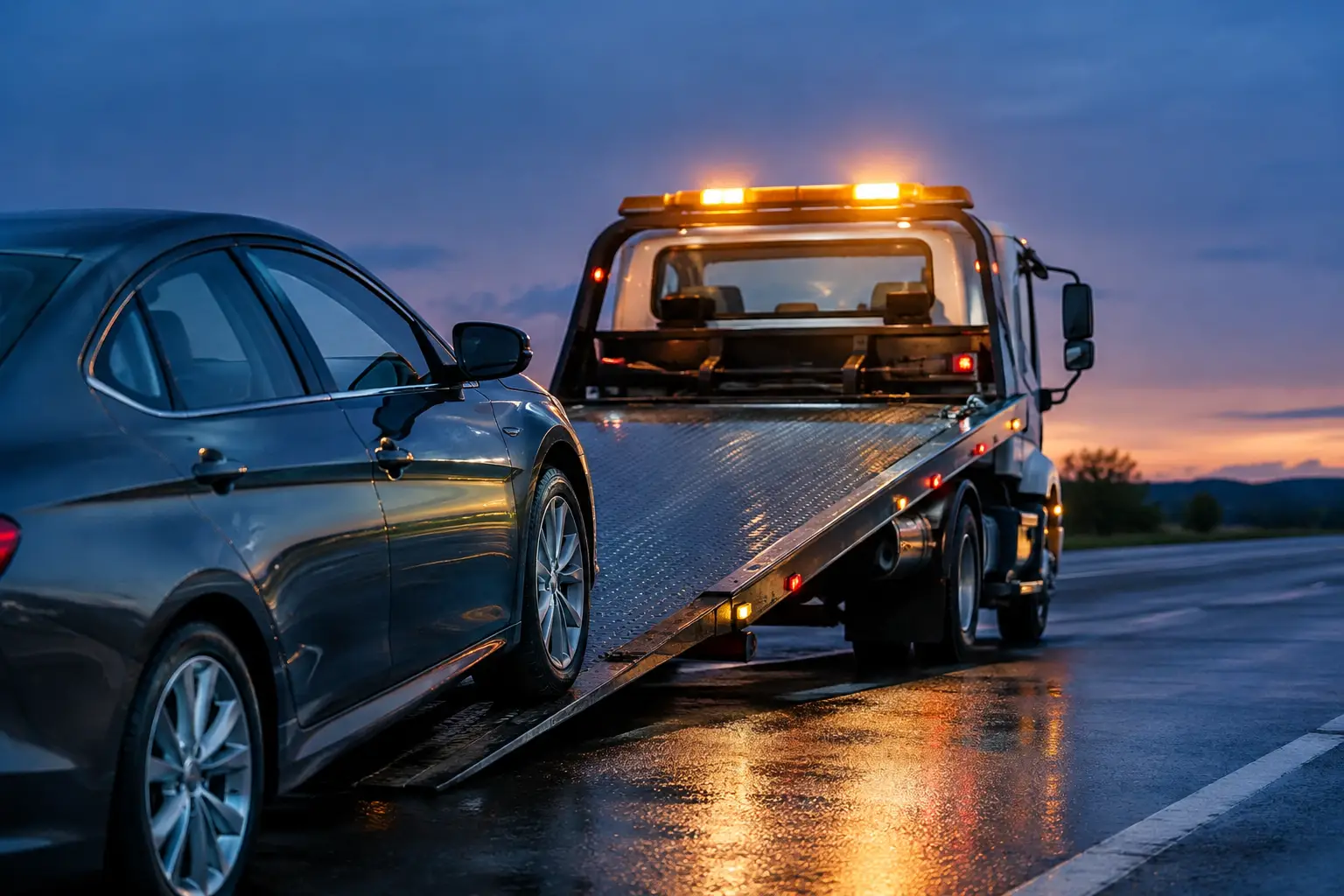
Need overnight tow truck availability in Salt Lake Valley? Get fast, affordable help for breakdowns, lockouts, dead batteries, accidents, and more tonight.