
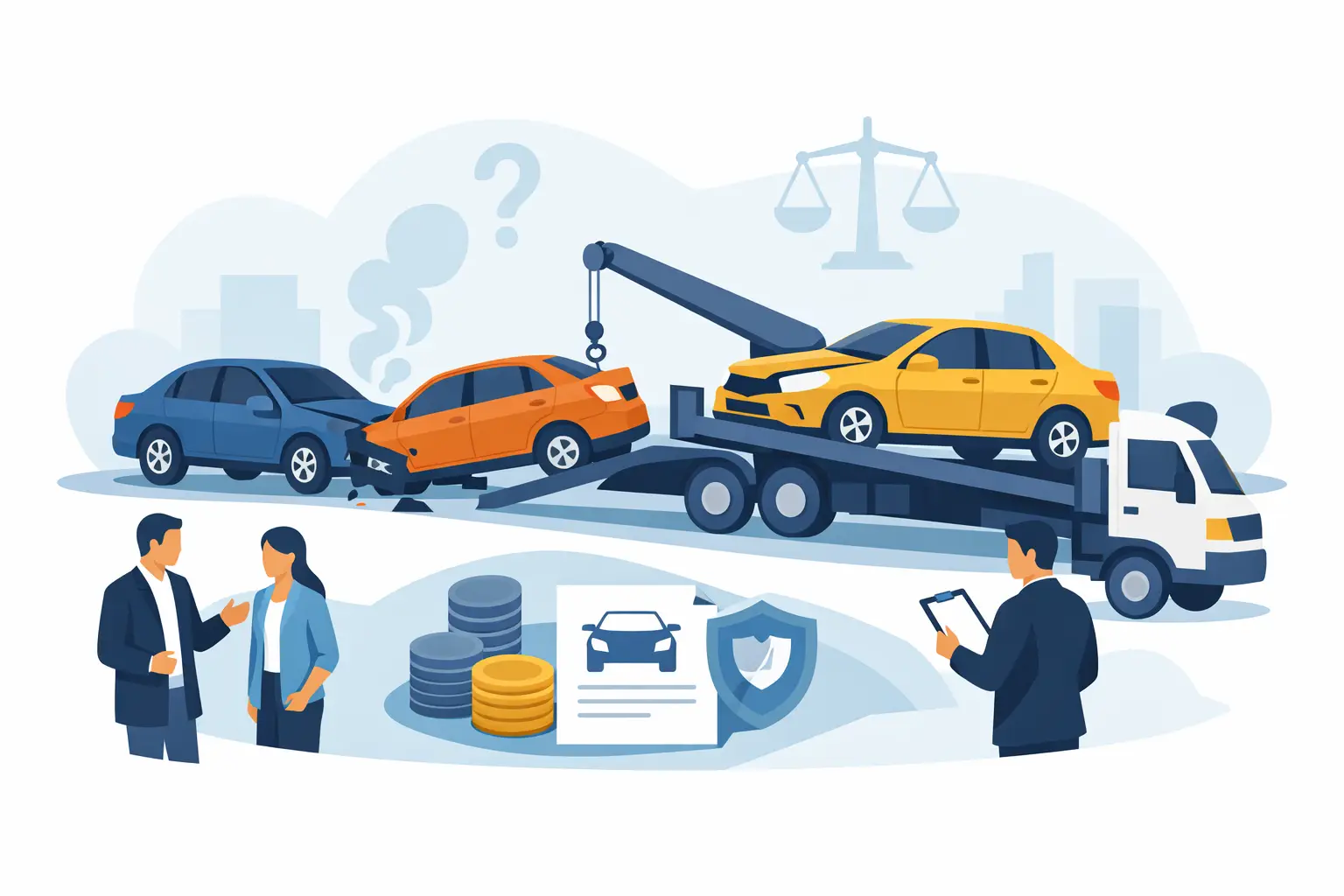
The crash is stressful enough. Then a tow truck arrives, your car is loaded up, and one question hits hard: who pays accident towing fees? The short answer is usually the vehicle owner pays the towing company first, then seeks reimbursement through insurance or the at-fault driver’s insurer. But police-directed tows, impounds, storage charges, and disputed fault can change the picture fast.
If you are dealing with an accident in the Salt Lake Valley, do not assume the other driver’s insurance will handle everything immediately. A fast tow protects your vehicle and clears the roadway, but knowing where it is going and how the bill will be handled can save you from a much bigger expense later.
Who Pays Accident Towing Fees in Most Situations?
In most accident tows, the registered owner of the towed vehicle is financially responsible for the initial charge. That does not necessarily mean you will be stuck with the cost permanently. It means the tow company needs payment from the person authorizing service, the vehicle owner, or the insurance company if an approved arrangement is already in place.
Your own auto policy may reimburse accident towing under collision coverage, roadside assistance, towing and labor coverage, or another endorsement. If another driver caused the crash, their liability insurer may ultimately pay reasonable towing and storage costs as part of your property-damage claim.
The word that matters is “ultimately.” Insurance claims are not always settled at the roadside. The tow bill may need to be paid or documented first while fault is being investigated. Keep every receipt, take photos of the vehicle and scene when safe, and get the tow company’s name, destination, and invoice details before you leave.
When your insurance pays
If you carry collision coverage, your insurer often handles towing related to a covered accident, subject to your deductible and policy terms. Some policies also include a separate roadside towing benefit. That benefit can be useful, but its dollar limit may be lower than the total cost of an accident recovery, especially if the vehicle is off the road, damaged badly, or requires special equipment.
Call your insurer as soon as you can. Ask whether they need you to use a preferred tow provider, whether they can pay the facility directly, and whether storage is covered. Do not guess. A quick call can prevent delays and surprise out-of-pocket costs.
When the other driver’s insurance pays
If the other driver is clearly at fault, you can file a property-damage claim with their insurer. Reasonable towing, recovery, and storage costs are commonly included in that claim. Still, their insurer may not accept responsibility right away, particularly when police reports are pending or both drivers tell different versions of the story.
You can wait for the other insurer to decide, but storage fees continue adding up every day. In many cases, the practical move is to use your own collision coverage, get the vehicle moved to a safe location or repair facility, and let your insurer pursue the at-fault party later. Your insurer may recover its payment and deductible through subrogation, though that process is not instant and is never guaranteed.
When you pay because you do not have coverage
If you do not have collision coverage, towing coverage, or a confirmed at-fault insurer, you may need to pay the tow bill yourself. You may still seek reimbursement from the driver who caused the crash, but collecting can be difficult if they are uninsured, underinsured, or disputing fault.
Uninsured motorist property-damage coverage may help in some cases, depending on your policy and Utah coverage rules. Check your declarations page or speak with your insurer instead of assuming it applies. Policies vary, and deductibles may still apply.
Police-Ordered Tows and Impound Fees
A police officer may order a tow when a vehicle is blocking traffic, cannot be driven safely, has no licensed driver available, or must be held for an investigation. You may have less choice over the tow provider in that situation. The vehicle owner is typically responsible for towing and storage charges, even if the tow was ordered by law enforcement.
That can feel unfair when you did not cause the collision. Yet the tow company and storage yard are providing a service and need a responsible party to release the vehicle. Reimbursement is usually handled through an insurance claim afterward.
Do not leave an impounded or stored vehicle sitting longer than necessary. Daily storage charges can become the most expensive part of an accident tow. Contact the yard quickly, find out what documents are required for release, and ask your insurer whether it wants the vehicle moved to a body shop, its inspection location, or another approved facility.
What Makes an Accident Tow Cost More?
Not every tow is a simple hook-up and drive. A standard tow from a minor crash may be relatively straightforward, while a damaged SUV in a ditch, a vehicle with locked wheels, or a car that needs recovery from a highway shoulder requires more time, equipment, and care.
Costs can rise because of distance, after-hours dispatch, vehicle size, recovery work, winching, extra labor, specialty equipment, and storage. A low-clearance vehicle or an all-wheel-drive vehicle may need a flatbed to prevent further damage. That is not a place to cut corners just to save a few dollars.
Ask for a clear explanation of charges whenever circumstances allow. You do not need to negotiate at the scene while traffic is moving around you, but you should know where the vehicle is headed and whether there will be daily storage fees. A reputable local tow provider can explain the work being performed without making a bad situation more confusing.
Steps to Take Before Your Vehicle Leaves
Safety comes first. If anyone is hurt, call 911. If the crash is minor but the car is unsafe to drive, move to a safe place if possible and follow officer instructions.
Before the tow truck leaves, take a few practical steps:
- Photograph the vehicle from several angles, including existing damage, license plates, and personal property inside.
- Confirm the tow destination, whether that is your home, a repair shop, a storage yard, or an insurance inspection location.
- Ask for the company name, phone number, invoice or receipt, and the complete address where your vehicle will be stored.
- Remove valuables, medications, garage remotes, work equipment, and important documents if it is safe to do so.
- Notify your insurer and provide the tow details right away.
These details matter if there is a billing dispute, a claim delay, or confusion over where the vehicle was taken. They also help you avoid paying storage charges simply because you could not locate the car after the accident.
Can You Choose Your Own Tow Company?
Often, yes. If your vehicle is not blocking traffic and law enforcement has not assigned a rotation tow, you may be able to request the towing company you want. That gives you more control over service, destination, and communication.
If an officer orders the tow or the roadway needs to be cleared immediately, you may need to use the company dispatched to the scene. Do not interfere with emergency personnel or delay a necessary tow while comparing options. Get the vehicle secured first, then focus on your claim and release plan.
For drivers in Salt Lake City, West Jordan, West Valley, South Jordan, Midvale, Holladay, Draper, and North Salt Lake, Munnster Towing provides 24/7 accident towing and recovery help when a vehicle cannot safely stay where it is. The goal is simple: get you out of danger, move the vehicle carefully, and give you the information you need for the next call to insurance.
How to Keep Towing and Storage Costs Under Control
The biggest mistake after an accident is waiting too long to act. Contact your insurer promptly, find out where your vehicle is stored, and ask whether it should be moved. If the insurer needs an inspection, ask how soon it can happen and whether storage will be paid while you wait.
Do not authorize repairs until you understand the claim process, but do not let the car sit at a storage yard for days because you are unsure what to do. A body shop or home location may be cheaper than continued storage, depending on the condition of the vehicle and your insurer’s instructions.
Also, be cautious with anyone who pressures you to sign broad paperwork at the crash scene. Read documents before signing, especially if they assign repair rights, authorize extensive charges, or direct your insurance payment somewhere you did not intend. In an urgent moment, clear information is worth a lot.
After a crash, the immediate priority is getting everyone safe and the vehicle off the road. Once that is done, keep the paperwork, call your insurer, and move quickly on storage. The right tow is not just about getting your car from point A to point B – it is about keeping one bad moment from turning into a costly mess.
continue reading
Related Posts
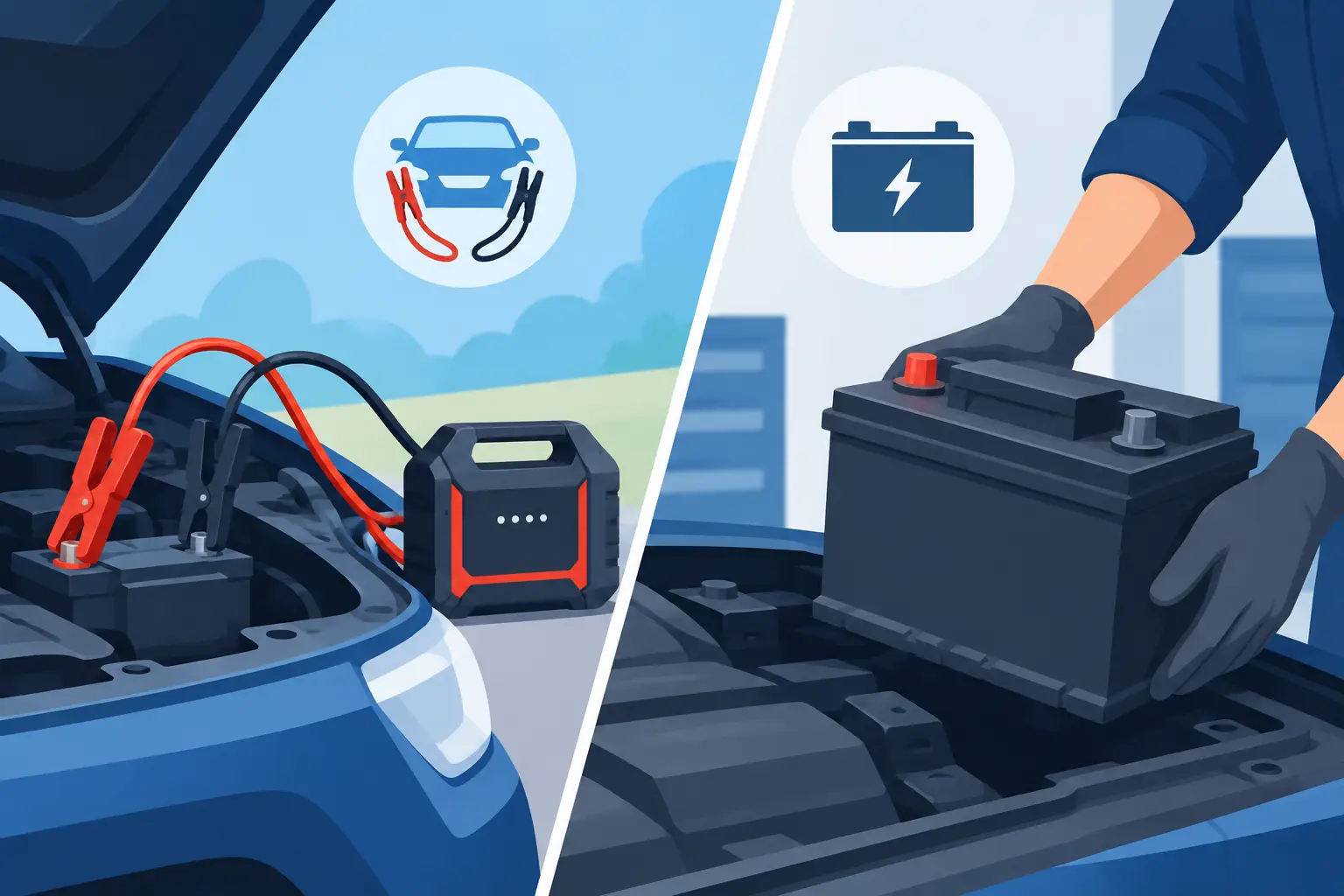
Dead battery? Compare jumpstart versus battery replacement, spot failure signs, and know when to call for quick, affordable roadside help in Utah today.
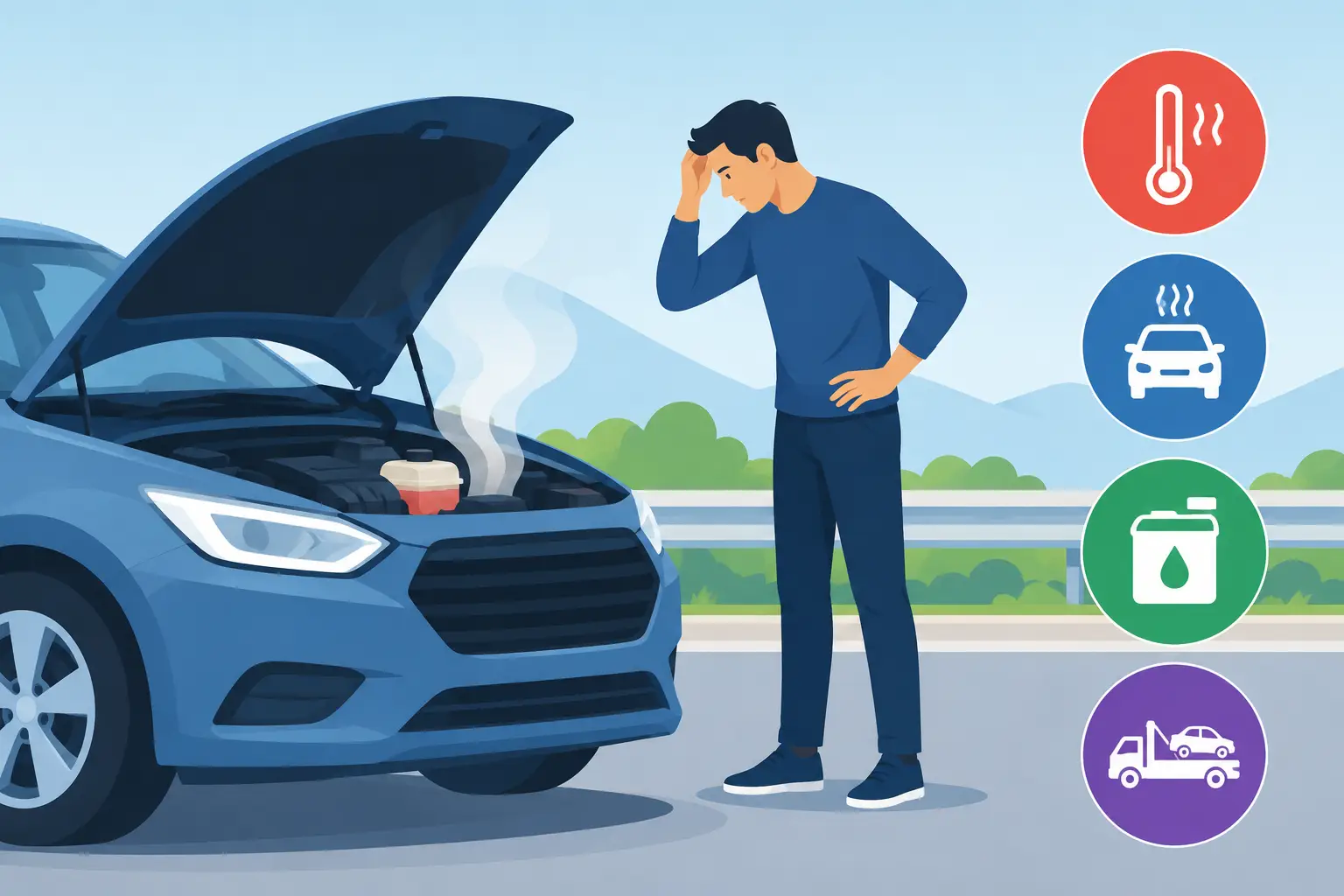
Car overheating can turn a normal drive into engine damage fast. Learn what to do safely, what not to do, and when to call for a tow in Salt Lake Valley.
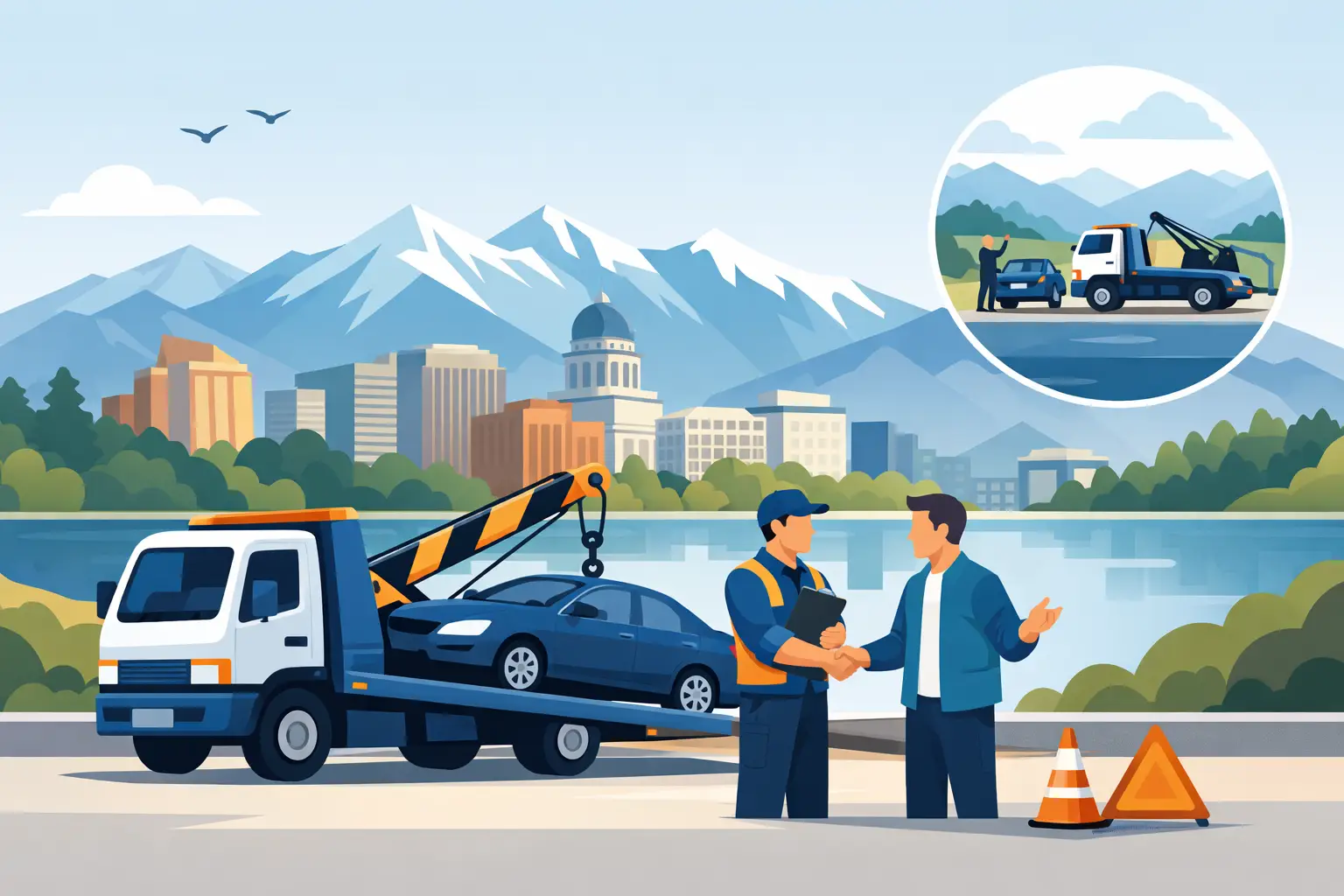
This Salt Lake towing case study shows how fast, affordable 24/7 roadside help gets a stranded commuter safely moving again without extra stress today.