
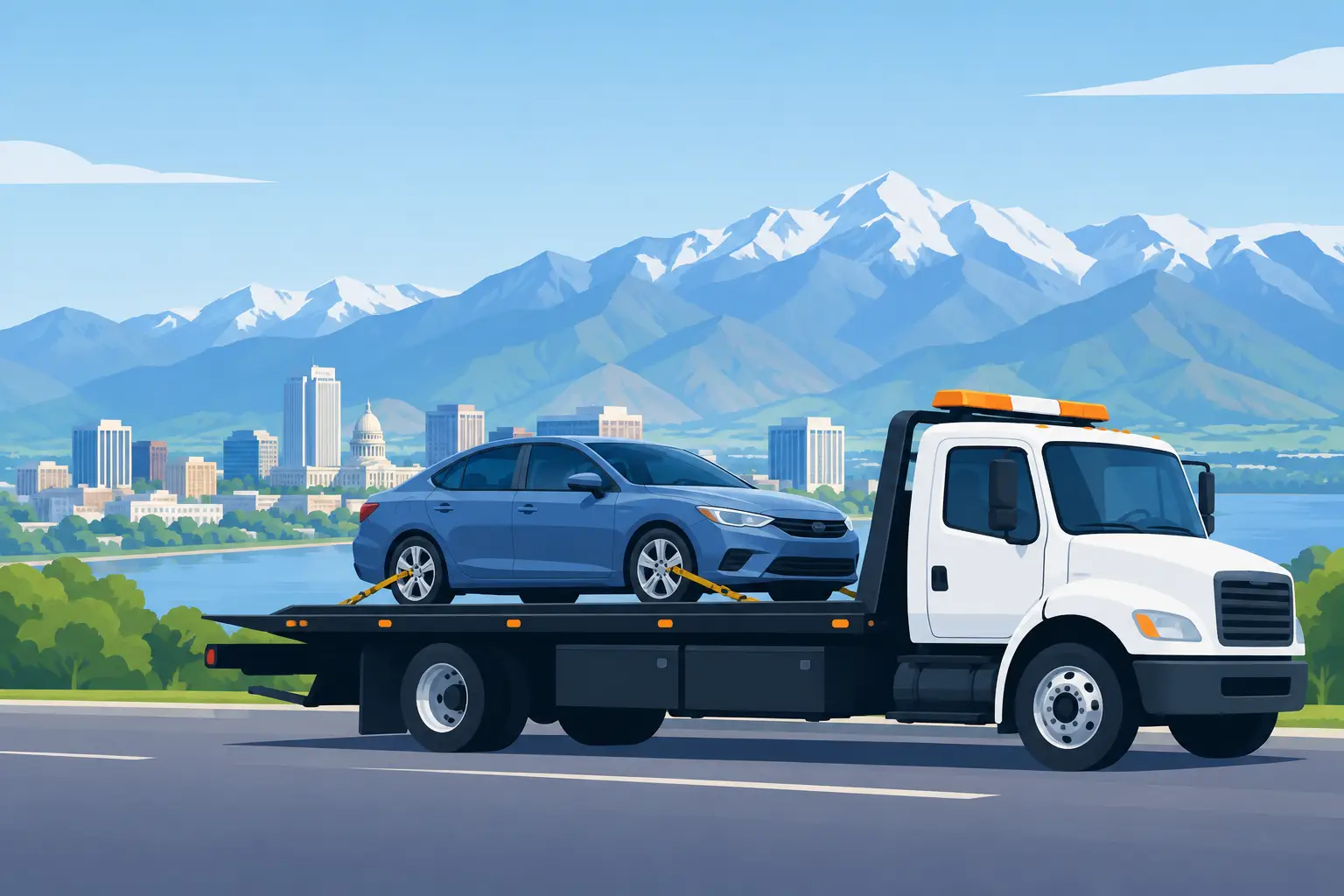
A dead battery in a West Jordan parking lot, a flat on I-215, or keys sitting on the driver’s seat while the doors are locked can wreck your plans fast. This Salt Lake Valley towing guide gives you the practical next steps: stay safe, know what help to request, and get a local truck headed your way without wasting time.
When you are stranded, the goal is not to become your own roadside technician. The goal is to protect yourself, give the dispatcher the right information, and get back on the road or safely to a repair shop as quickly as possible.
First, Get Yourself Out of the Danger Zone
If your vehicle can move, get it to the shoulder, a parking lot, or another safe spot away from traffic. Turn on your hazard lights. At night, keep your interior lights on only if it helps you stay visible without draining a weak battery further.
On a busy freeway or narrow road, stay aware of traffic before stepping out. If you can safely remain inside the vehicle with the doors locked, that is often the better move. If the vehicle is smoking, leaking fuel, has been hit hard, or is in an unsafe location, move to a protected area away from traffic when it is safe to do so.
A tow truck operator can handle a difficult pickup. They cannot make a dangerous roadside scene less risky if a driver is standing too close to moving cars. Your first job is simple: get visible, get safe, and avoid turning a mechanical problem into an emergency.
Know Which Service You Actually Need
Not every stranded vehicle needs a full tow. Asking for the right service helps the dispatcher send the right equipment and can save you money when the fix is simple.
Flat Tire Service
A flat tire may only require a tire change if you have a usable spare, the correct key for locking lug nuts, and no damage around the wheel. If the spare is flat, missing, or unsafe for the distance you need to travel, a tow may be the smarter call.
Do not try to change a tire on the shoulder of a high-speed road, on soft ground, or in poor visibility. Saving a few dollars is not worth getting hurt. Roadside tire help is built for exactly that situation.
Dead Battery or No-Start Problem
If the lights are dim, the starter clicks, or the vehicle does nothing when you turn the key, you may need a jumpstart. Let the technician know if the battery is old, if you left lights on, or if the vehicle has had repeated starting trouble. A successful jump does not always mean the battery or charging system is healthy.
If the car starts and dies again right away, if warning lights are flashing, or if you smell burning, ask for a tow instead. Continuing to drive could leave you stuck again a few blocks later or cause more expensive damage.
Lockout Assistance
Locked out with the engine off? A trained lockout technician can usually get you back inside without breaking a window or damaging the door. Do not force a coat hanger, pry bar, or screwdriver into the door frame. Those quick internet tricks can damage weather stripping, wiring, locks, and window mechanisms.
Have your location and vehicle details ready. If a child, pet, or vulnerable passenger is locked inside, call emergency services immediately before arranging standard lockout service.
Fuel Delivery
Running out of gas happens, especially during long shifts, school pickups, or a hectic commute across the valley. Fuel delivery is often faster and less expensive than a tow when the vehicle is otherwise in good shape. Tell the dispatcher what fuel type your vehicle uses and whether you are in a safe place to wait.
Accident or Off-Road Recovery
After a collision, recovery work can be more involved than a basic tow. A vehicle in a ditch, snowbank, median, parking barrier, or off-road area may need specialized equipment and careful positioning to prevent additional damage.
Take photos if you can do so safely, exchange insurance information when appropriate, and follow instructions from law enforcement at the scene. Do not attempt to pull a stuck vehicle out with another car, a chain, or a rope unless you fully understand the load, attachment points, and risks. A bad pull can damage both vehicles or injure someone nearby.
What to Tell the Tow Dispatcher
A fast response starts with clear information. You do not need to know every mechanical detail. You do need to make it easy for the driver to find you and arrive with the correct equipment.
Be ready to provide your exact location, including nearby cross streets, freeway direction, exit number, business name, or parking-lot section. State the vehicle’s year, make, model, color, and whether it is a car, SUV, truck, motorcycle, or electric vehicle. Mention if it is lowered, all-wheel drive, has a broken wheel, cannot shift into neutral, or is parked in a garage with limited height.
Also say what happened in plain language: “The engine will not start,” “I have a front passenger flat,” or “I slid into a ditch.” Those details help prevent delays. If you have a preferred repair shop or need the vehicle delivered home, say so before the truck is dispatched.
Ask About Price Before the Truck Arrives
Affordable towing should still be clear towing. Ask whether the quote includes the hookup, mileage, after-hours charges, recovery work, storage, or extra labor for a difficult vehicle position. A simple local tow and a vehicle recovery are not priced the same, and pretending they are creates frustration for everyone.
It also depends on where you are. A straightforward pickup in a Salt Lake City parking lot is usually simpler than a recovery from a snowy embankment near Draper or a freeway call during heavy traffic. The right company will explain what affects the cost instead of giving you the runaround.
Do not choose solely based on the lowest number if the provider cannot confirm availability, equipment, or pricing terms. The cheapest promise is not a deal if the truck never shows up or your vehicle is handled carelessly.
How to Protect Your Vehicle During a Tow
Before the tow truck arrives, remove valuables, medications, work tools, and personal documents if it is safe to do so. Take a few photos of the vehicle’s condition, especially after an accident. If you are leaving the vehicle, make sure the tow operator has your destination and the best phone number to reach you.
Tell the operator about special towing needs. All-wheel-drive vehicles, low-clearance cars, electric vehicles, motorcycles, and vehicles with suspension or wheel damage may require different handling. An experienced operator will determine whether a flatbed, wheel lift, dollies, winching, or another approach is appropriate.
Damage-free towing is not about rushing through the job. It is about using the right method for the vehicle in front of you. A careful few extra minutes at pickup can prevent a much bigger headache at the repair shop.
Salt Lake Valley Towing Guide: When to Call Immediately
Call for help right away when the vehicle is disabled in traffic, you are stuck in unsafe weather, the steering or brakes feel wrong, warning lights signal a serious issue, or an accident has made the car unsafe to drive. The same goes for overheating, significant fluid leaks, smoke, or a tire blowout that left the vehicle difficult to control.
You should also call when you simply do not feel safe handling the situation alone. There is no prize for changing a tire in freezing wind after a long workday. Fast, professional roadside help is there to take that pressure off your shoulders.
Munnster Towing provides 24/7 towing, jumpstarts, lockout service, fuel delivery, tire help, and vehicle recovery across the Salt Lake Valley. When you call, give the clearest location you can, describe the problem honestly, and let an experienced technician take it from there.
A breakdown does not need to control the rest of your day. Put your safety first, choose the service that matches the problem, and make the call before a small roadside issue gets bigger.
continue reading
Related Posts
Does insurance cover towing? See which policies may pay, what limits apply, and what to check before a breakdown leaves you stranded on the road at night.
Compare the best towing options Salt Lake drivers need for breakdowns, crashes, lockouts, and more - with fast 24/7 help when a vehicle will not move.
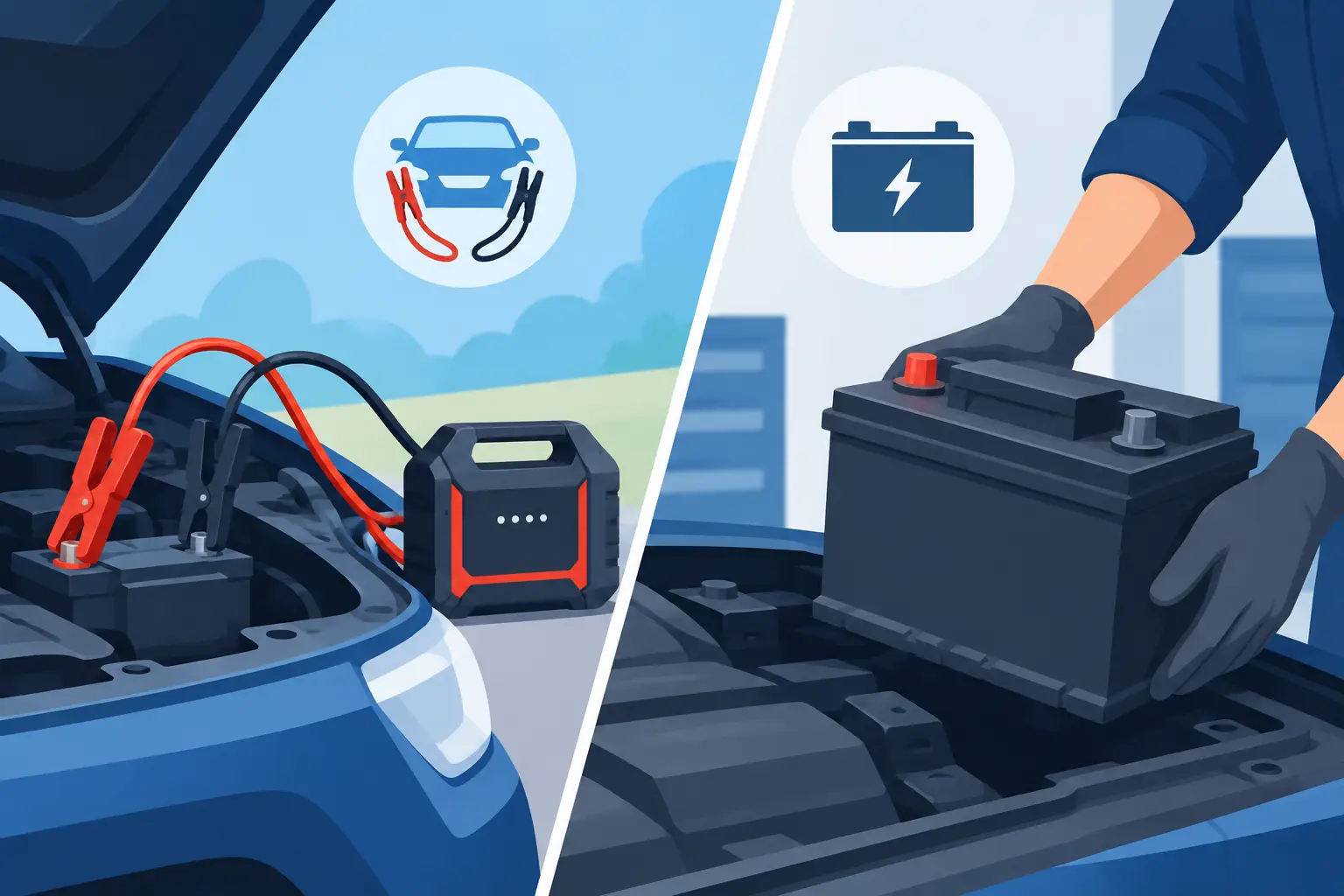
Dead battery? Compare jumpstart versus battery replacement, spot failure signs, and know when to call for quick, affordable roadside help in Utah today.