
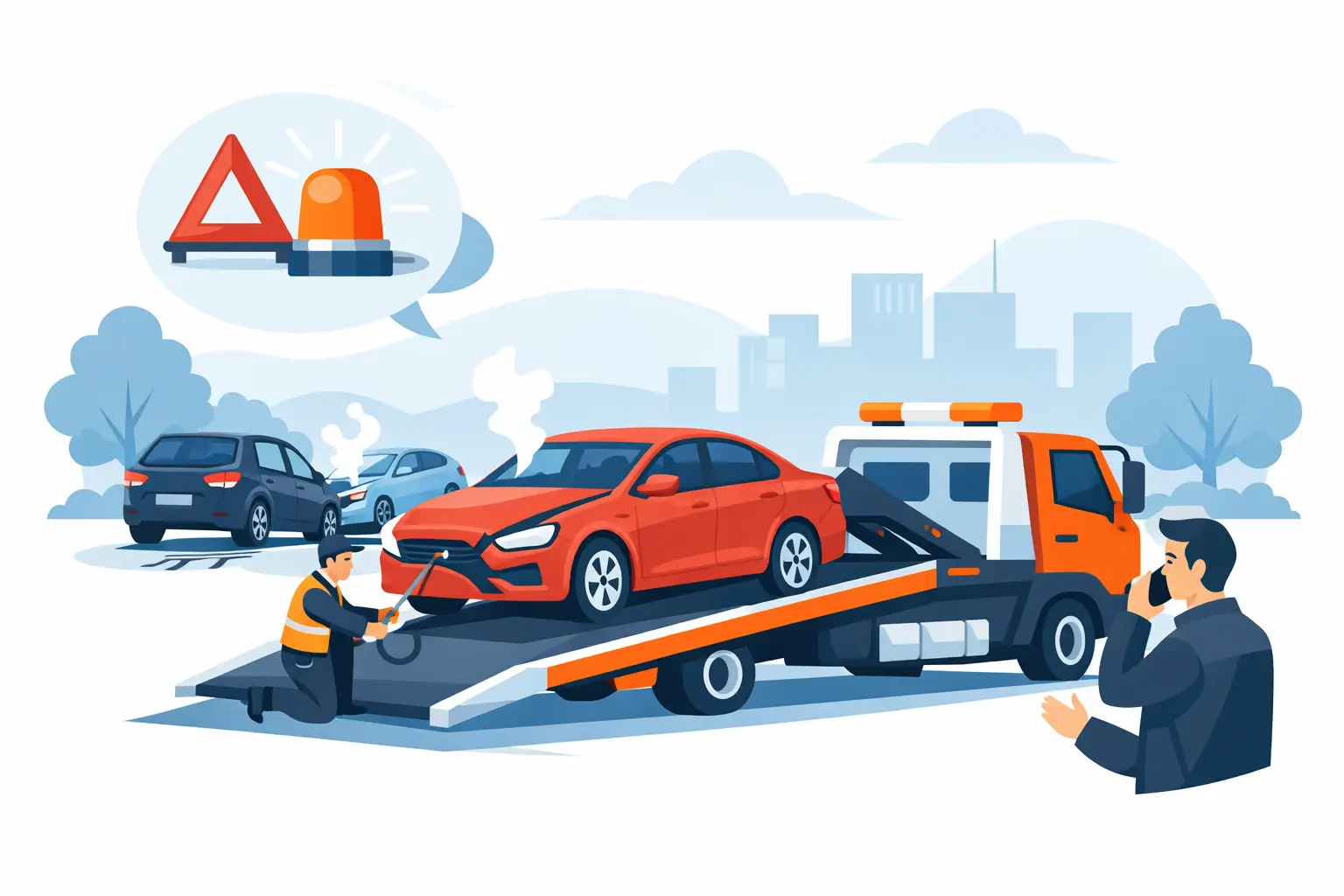
A crash can turn a normal drive through Salt Lake City, West Jordan, or Draper into a roadside problem in seconds. Once everyone is safe, local towing for accident vehicles is often the next urgent decision. The right tow gets your vehicle out of traffic, prevents extra damage, and gives you one less thing to manage while you deal with police, insurance, and the rest of a very long day.
The goal is simple: get help fast, keep your vehicle secure, and avoid making a stressful situation more expensive than it needs to be. A local 24/7 towing company can handle the vehicle while you focus on the people involved and the information you need to collect.
First, make the crash scene safer
Before calling for a tow, check for injuries and call 911 if anyone needs medical help. If the vehicles can be moved safely and the roadway is dangerous, move them out of traffic when law enforcement tells you it is appropriate. Turn on hazard lights, stay alert for passing vehicles, and avoid standing between cars or near moving traffic.
If your vehicle is not drivable, do not try to force it down the road. A bent wheel, leaking fluid, damaged steering component, or compromised bumper can turn a manageable accident into a bigger repair bill. Even if the car starts, it may not be safe to drive.
Take photos if you can do so safely. Get wide shots of the scene, close-ups of the damage, license plates, road conditions, and any visible debris. Exchange insurance and contact information with the other driver, then wait for instructions from responding officers. These details can make the insurance process much smoother later.
When local towing for accident vehicles is the right move
Some accident damage is obvious. A crushed front end, deployed airbags, broken glass, a flat tire caused by impact, or a vehicle that will not start all call for a tow. Other damage can be harder to spot. Your car may look mostly fine but pull sharply to one side, make unusual noises, leak coolant or oil, or show warning lights after the collision.
That is where caution pays off. Driving a damaged vehicle can cause further mechanical damage or put you at risk of another accident. A fast tow is usually cheaper than replacing parts damaged by trying to limp the vehicle home, to work, or across town.
A local operator also knows the area. They can respond to busy interchanges, neighborhood streets, parking lots, and the routes drivers use every day across the Salt Lake Valley. That local knowledge matters when traffic is heavy, weather is rough, or your vehicle is blocking a lane.
Flatbed or wheel-lift: which tow do you need?
The towing method depends on the vehicle and the damage. A flatbed is often the best choice after a collision because all four wheels are secured off the ground. It is especially useful for all-wheel-drive vehicles, vehicles with suspension or wheel damage, low-clearance cars, and cars with significant front or rear-end damage.
A wheel-lift tow can work for certain vehicles when the damaged area and drivetrain allow it. An experienced towing technician will assess the situation rather than use a one-size-fits-all approach. The priority is getting your vehicle loaded carefully and transported without adding damage.
If your car has been pushed into a ditch, median, snowbank, curb, or awkward parking position, it may need recovery service before it can be towed. Recovery equipment and careful positioning are essential here. Pulling a vehicle the wrong way can damage the body, suspension, or undercarriage.
What to tell the towing dispatcher
A quick, clear call helps the truck get to you prepared. Give the dispatcher your exact location, including the nearest cross streets, highway direction, mile marker, or a recognizable business nearby. If you are in a parking garage or apartment complex, mention the entrance and any height restrictions.
Explain the condition of the vehicle in plain terms. Tell them whether it starts, rolls, has a flat tire, has deployed airbags, is leaking fluids, or is stuck off the road. Let them know the make, model, and whether it is all-wheel drive, four-wheel drive, electric, or especially low to the ground if you know.
You should also say where you want the vehicle taken. That might be your home, a trusted repair shop, a dealership, or an insurer-approved collision center. If you are unsure, ask what makes sense based on the vehicle’s condition and the time of day. The best destination depends on whether you need immediate repairs, secure overnight storage, or an inspection before authorizing body work.
Do not let a tow decision get rushed
After an accident, drivers are vulnerable to confusion. You may have police, other drivers, insurance calls, traffic, and family members all demanding attention at once. That is exactly why it helps to make a deliberate towing decision whenever the situation allows.
Ask who is towing your vehicle and where it is going. Confirm the company name, the destination, and the expected charges before the vehicle is loaded. If law enforcement has arranged the tow because the vehicle is blocking traffic or you are unable to decide, ask where it will be taken and how to retrieve it.
Be careful about signing paperwork you do not understand. Towing authorization is normal, but you should know what you are authorizing. Keep copies of paperwork, the tow receipt, photos of your vehicle, and the name of the technician or company. Those records can be useful when you speak with your insurance carrier.
This is not about slowing things down. It is about protecting your vehicle and avoiding unnecessary storage costs or confusion later. A professional local company should answer direct questions directly.
Protect your belongings before the tow
If it is safe to do so, remove valuables, medications, work equipment, garage remotes, important documents, and personal items from the vehicle. Check the glove box, center console, trunk, and under the seats. Do not climb into a badly damaged vehicle or reach around broken glass to retrieve something nonessential.
Take one more set of photos before the tow truck loads the vehicle. Photograph the exterior damage, the interior if needed, the odometer, and any items left inside. Then make sure you have your keys, insurance card, registration, and any police case information.
If the vehicle must go to a storage lot, ask about access hours and what documents you will need to pick it up. The easier you make that handoff now, the less aggravating it will be tomorrow.
Fast help matters after a Utah crash
Accidents do not wait for business hours. They happen on late commutes, before early shifts, during winter weather, and in the middle of weekend errands. That is why 24/7 accident towing matters. When your vehicle cannot move, you need a real response, not a vague promise to call back later.
Munnster Towing provides practical, affordable help for drivers who need a fast tow after an accident. Whether your car is disabled at an intersection, sitting in a parking lot, or needs careful recovery off the road, the job is to get it handled without adding to the headache.
After the crash scene is safe and the necessary reports are underway, choose a tow service that treats your vehicle like it still has somewhere important to be. A quick call, clear location details, and careful loading can turn the next step from a mess into a plan.
continue reading
Related Posts
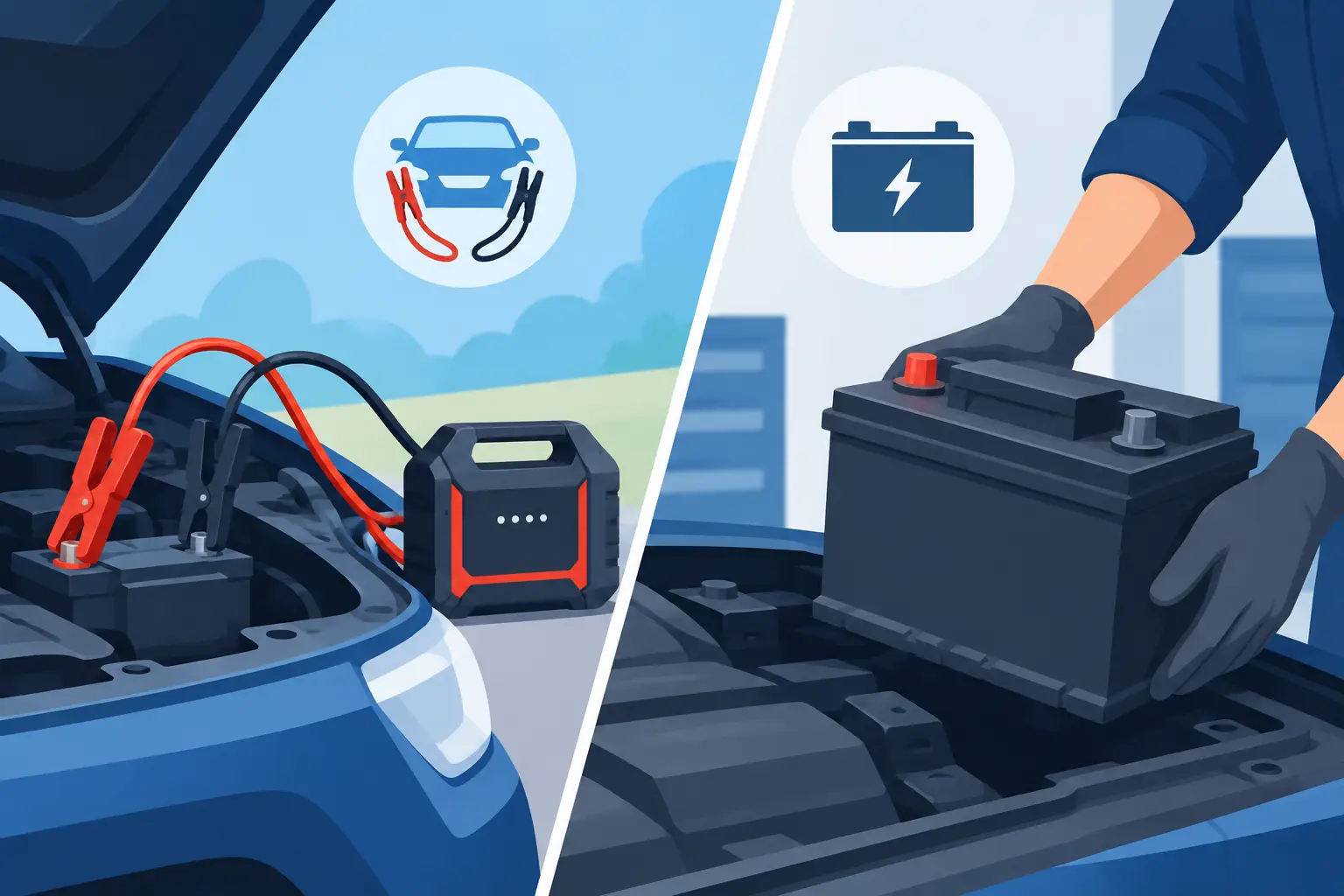
Dead battery? Compare jumpstart versus battery replacement, spot failure signs, and know when to call for quick, affordable roadside help in Utah today.
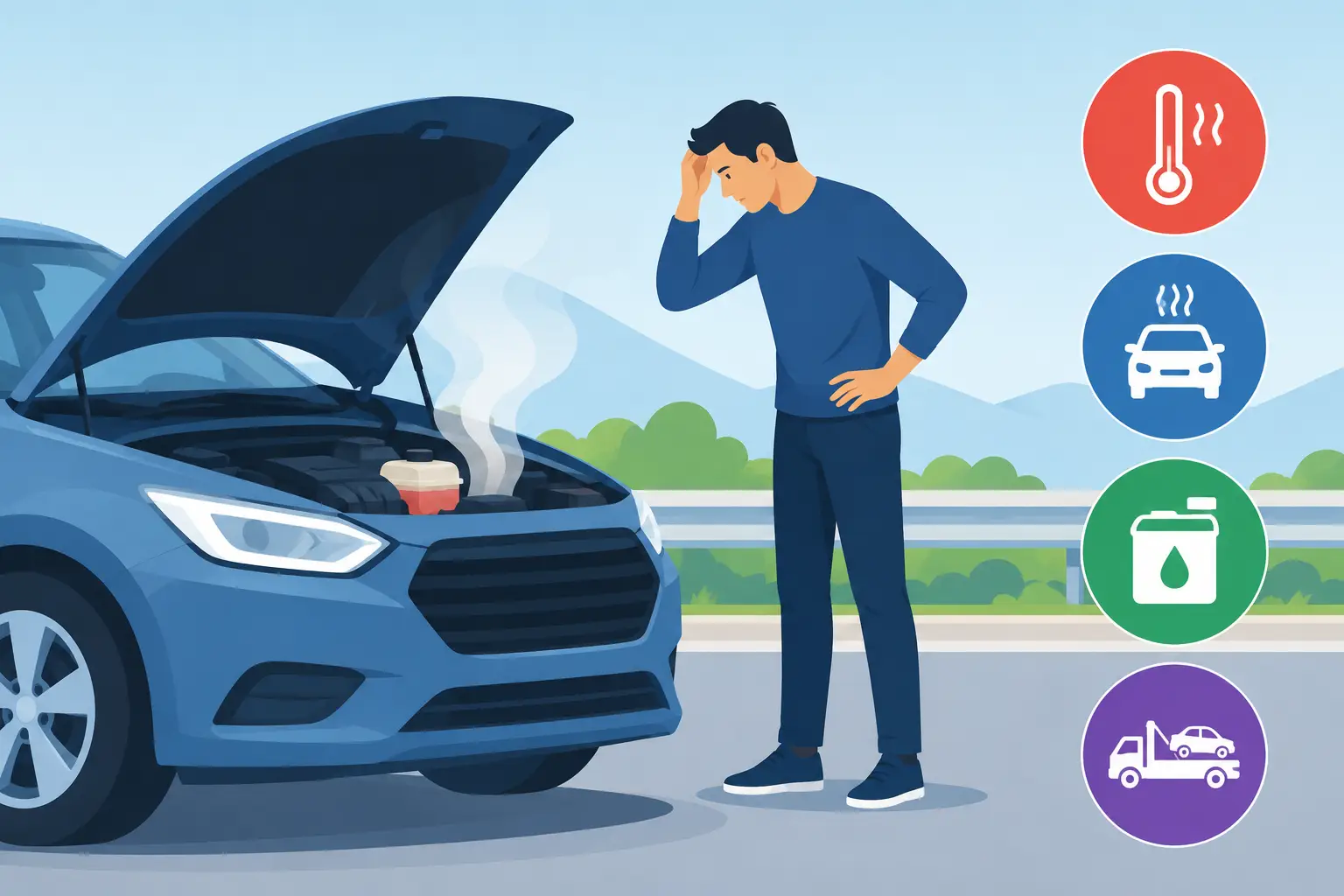
Car overheating can turn a normal drive into engine damage fast. Learn what to do safely, what not to do, and when to call for a tow in Salt Lake Valley.
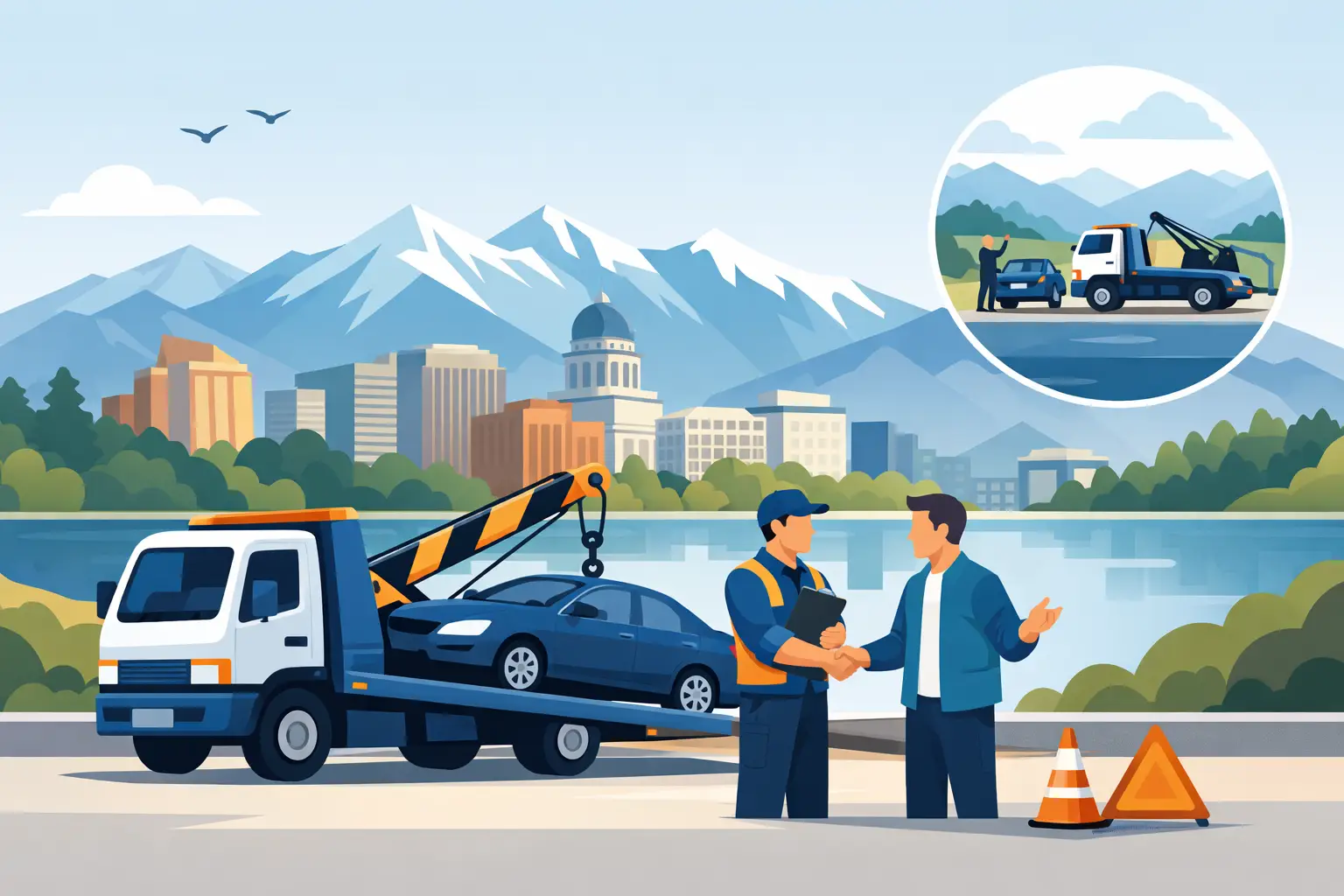
This Salt Lake towing case study shows how fast, affordable 24/7 roadside help gets a stranded commuter safely moving again without extra stress today.