
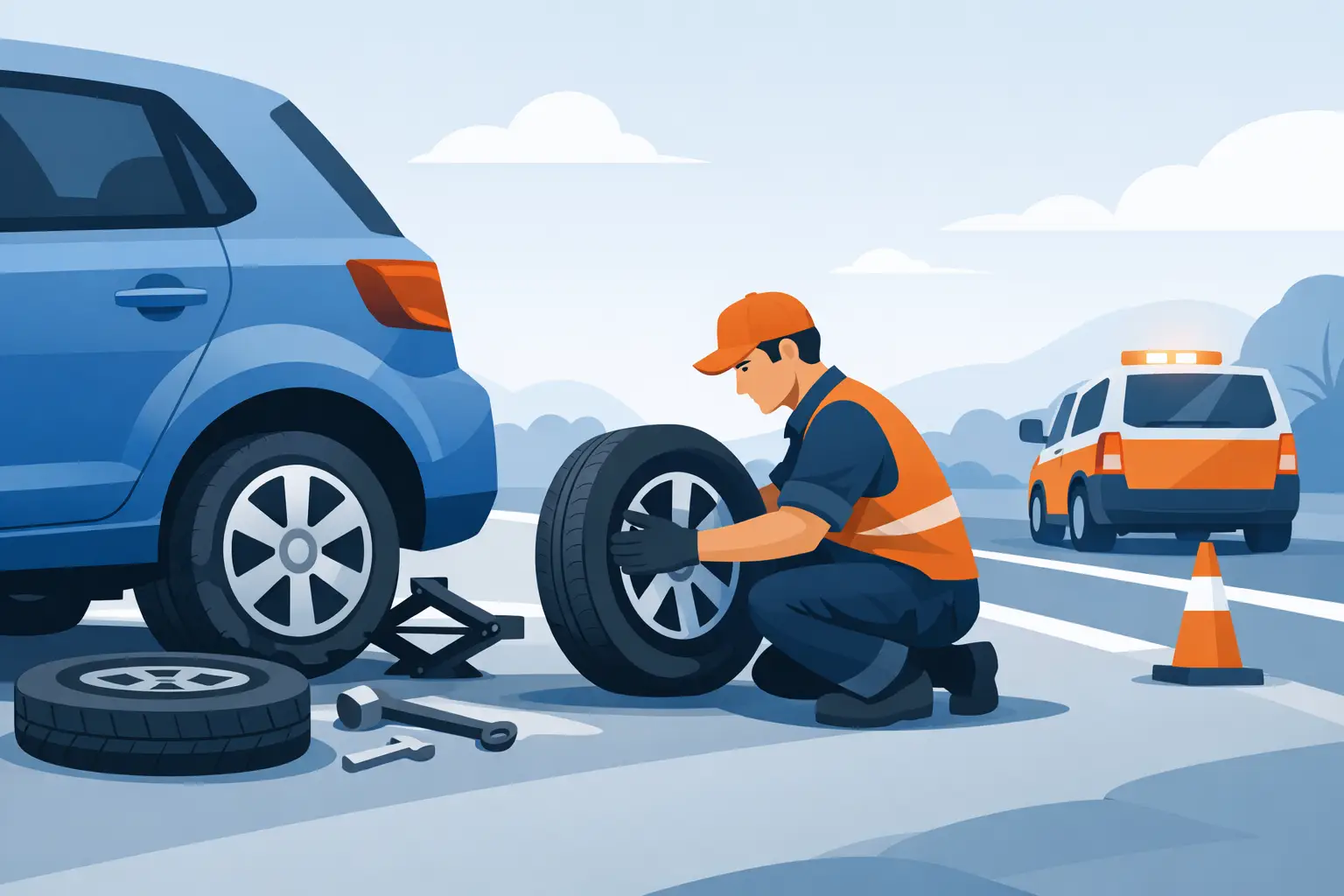
A flat tire can turn a normal drive home, a school pickup, or a late shift into a roadside problem fast. When you need flat tire roadside replacement, the goal is simple: get out of traffic, get the wheel changed safely if possible, and get moving without spending hours stuck on the shoulder.
For drivers across Salt Lake City, West Valley, West Jordan, South Jordan, Midvale, Draper, and nearby areas, roadside tire help is often faster and safer than trying to wrestle with a jack beside moving traffic. A trained technician can assess the situation, install your usable spare, and help determine whether a tow is the smarter next move.
What Flat Tire Roadside Replacement Usually Means
Roadside tire service is designed for a tire that has gone flat but can be addressed where your vehicle is parked. In most cases, the technician removes the damaged wheel and installs your vehicle’s spare tire. That gets you off the road and gives you time to reach a tire shop for a proper repair or replacement.
There is one big catch: roadside service depends on having a safe place to work and a usable spare. If your spare is missing, flat, damaged, or difficult to access, changing the tire may not be possible. The same goes for a vehicle sitting in a dangerous lane, deep snow, soft ground, or a position where lifting it could cause more trouble.
That is when a tow is not an upsell. It is the safe answer. A fast tow to a tire shop, your home, or another secure location can save you from further wheel damage, traffic risk, and a long wait for a second service call.
When to Call for Flat Tire Roadside Replacement
Call for help as soon as you notice a tire losing air, hear the familiar thump-thump of a flat, or feel the vehicle pulling hard to one side. Do not keep driving to see if you can make it another mile. A tire that might have been repairable can become shredded quickly, and driving on it can bend the rim or damage suspension components.
A roadside tire change makes sense when your vehicle is parked safely and your spare appears to be in good condition. It is especially useful when you are on your way to work, traveling with children, dealing with bad weather, or stuck after dark. You do not need to know how to use a jack or have the strength to loosen lug nuts. That is exactly why roadside assistance exists.
If your tire blew out at highway speed, the wheel looks bent, multiple tires are damaged, or the vehicle was involved in an accident, ask for a tow instead. The quickest fix is not always the right fix. Getting the vehicle inspected can prevent a bigger problem once you are back on the road.
Protect Yourself While You Wait
Your first job is not changing the tire. It is getting yourself to a safer spot. If the vehicle still rolls and it is safe to move, pull as far from traffic as possible onto level ground. Turn on your hazard lights, set the parking brake, and keep passengers away from the traffic side of the vehicle.
On a freeway shoulder or a busy Salt Lake Valley road, stay inside the vehicle with doors locked when it is safer to do so. If smoke, fire, or another immediate hazard is present, move away from the vehicle and traffic to a protected location. Avoid standing between your vehicle and passing cars.
When you call, be ready to provide your location, vehicle make and model, tire issue, and whether you have a spare. A nearby business name, cross streets, mile marker, parking-lot section, or recognizable landmark helps dispatch find you faster. If your wheel uses a locking lug nut, tell the dispatcher and locate the key if you have one.
What a Roadside Technician Checks
A professional tire change is more than swapping one wheel for another. The technician starts by checking whether the vehicle can be lifted safely and whether the spare is suitable for use. They will look for obvious wheel damage, a seized lug nut, missing wheel-lock key, or conditions that make a roadside change unsafe.
If the spare can be installed, the damaged wheel is removed, the spare is mounted, and the lug nuts are tightened correctly. The technician also verifies that the tire is holding air before sending you on your way. It is practical help, not a permanent tire repair.
Most compact or temporary spares have strict speed and distance limits. Check the label on the spare and follow it. Many are meant only to get you directly to a tire shop, not to handle a full day of freeway driving, heavy loads, or a mountain trip. A full-size spare offers more flexibility, but it should still be inspected if it has been sitting unused for years.
Why a Spare Tire Is Not Always the Answer
A surprising number of vehicles do not carry a traditional spare anymore. Some come with an inflator kit and tire sealant, while others rely on run-flat tires. Those options can work in limited situations, but they are not magic.
Sealant may help with a small tread puncture, but it cannot fix a sidewall tear, a tire that has come off the rim, a large hole, or a blowout. It can also make a later tire repair messier. Run-flat tires may allow limited driving after air loss, but the permitted distance and speed vary by tire and vehicle. If you are unsure, stop and get help rather than guessing.
Even drivers with a spare can run into problems. The spare may be underinflated, the tire-changing tools may be missing, or corrosion may make the lug nuts difficult to remove. Calling a roadside professional avoids broken tools, stripped hardware, and the misery of trying to fix it alone in rain, snow, or summer heat.
When a Tow Is the Better Call
A roadside tire replacement is ideal when conditions are straightforward. A tow is the better choice when conditions are not. If your vehicle has no usable spare, the wheel is damaged, the tire is destroyed, or the car is parked where a technician cannot safely work, towing gets the vehicle somewhere it can be properly handled.
The same is true when a flat tire is part of a larger issue. Maybe you hit a pothole and now the steering wheel shakes. Maybe the tire went flat after striking debris and there is visible damage underneath. Maybe you have driven far enough on the flat that the rim has been scraped or bent. Installing a spare might get the car rolling, but it may not make it roadworthy.
Munnster Towing provides 24/7 roadside assistance and towing for those moments when a simple spare-tire change will do the job and when it will not. The focus is practical: send the right help, avoid unnecessary delay, and get you out of a bad spot at an affordable rate.
A Few Things to Keep in Your Vehicle
You do not need to turn your trunk into a mechanic’s shop, but a few basics make a flat tire call easier. Keep your spare, jack, lug wrench, and wheel-lock key where you can find them. Check the spare’s air pressure at least a couple of times a year, because a spare with no air is not much help when you are stranded.
It also helps to carry a flashlight, reflective vest or triangles, gloves, and a phone charger. Utah weather changes quickly, and a nighttime flat in winter feels very different from a flat outside a grocery store at noon. These items do not replace professional roadside service, but they make the wait safer and less stressful.
Do not let a flat tire turn into an all-day ordeal. Move to a safe location if you can, turn on your hazards, and call for help with clear location details. Whether your spare is ready to go or you need a tow to the nearest tire shop, the right roadside response gets you back to your plans with less hassle.
continue reading
Related Posts
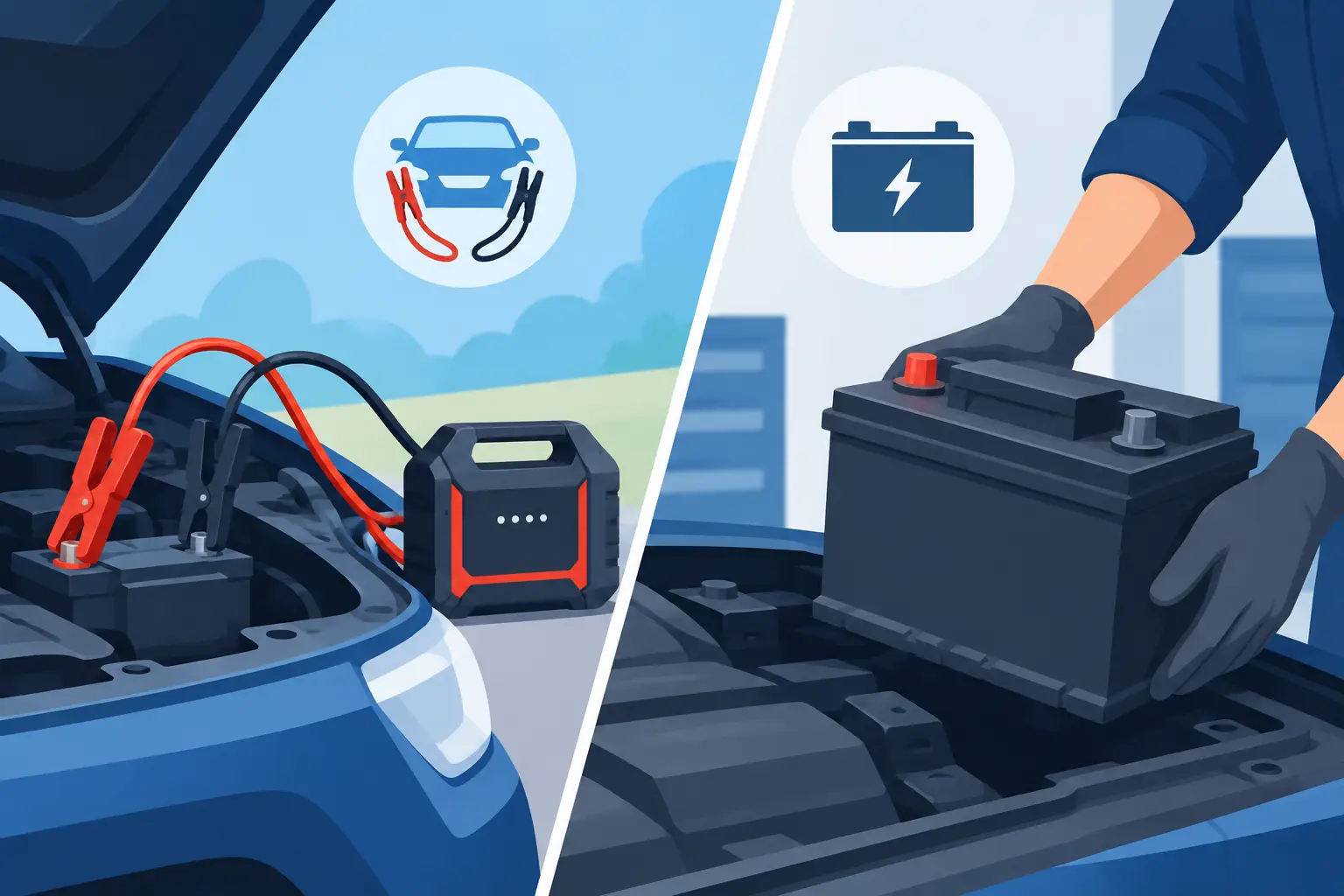
Dead battery? Compare jumpstart versus battery replacement, spot failure signs, and know when to call for quick, affordable roadside help in Utah today.
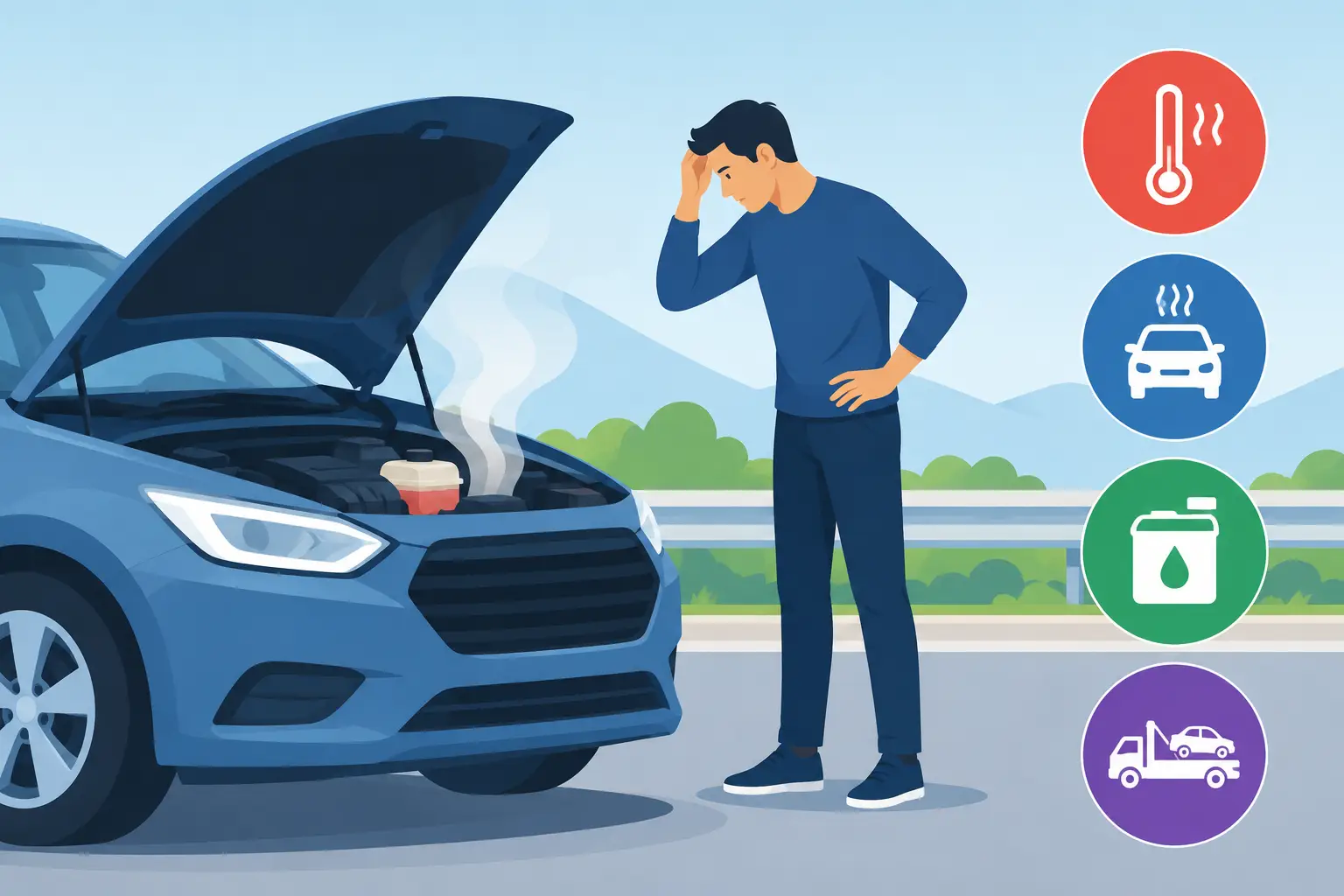
Car overheating can turn a normal drive into engine damage fast. Learn what to do safely, what not to do, and when to call for a tow in Salt Lake Valley.
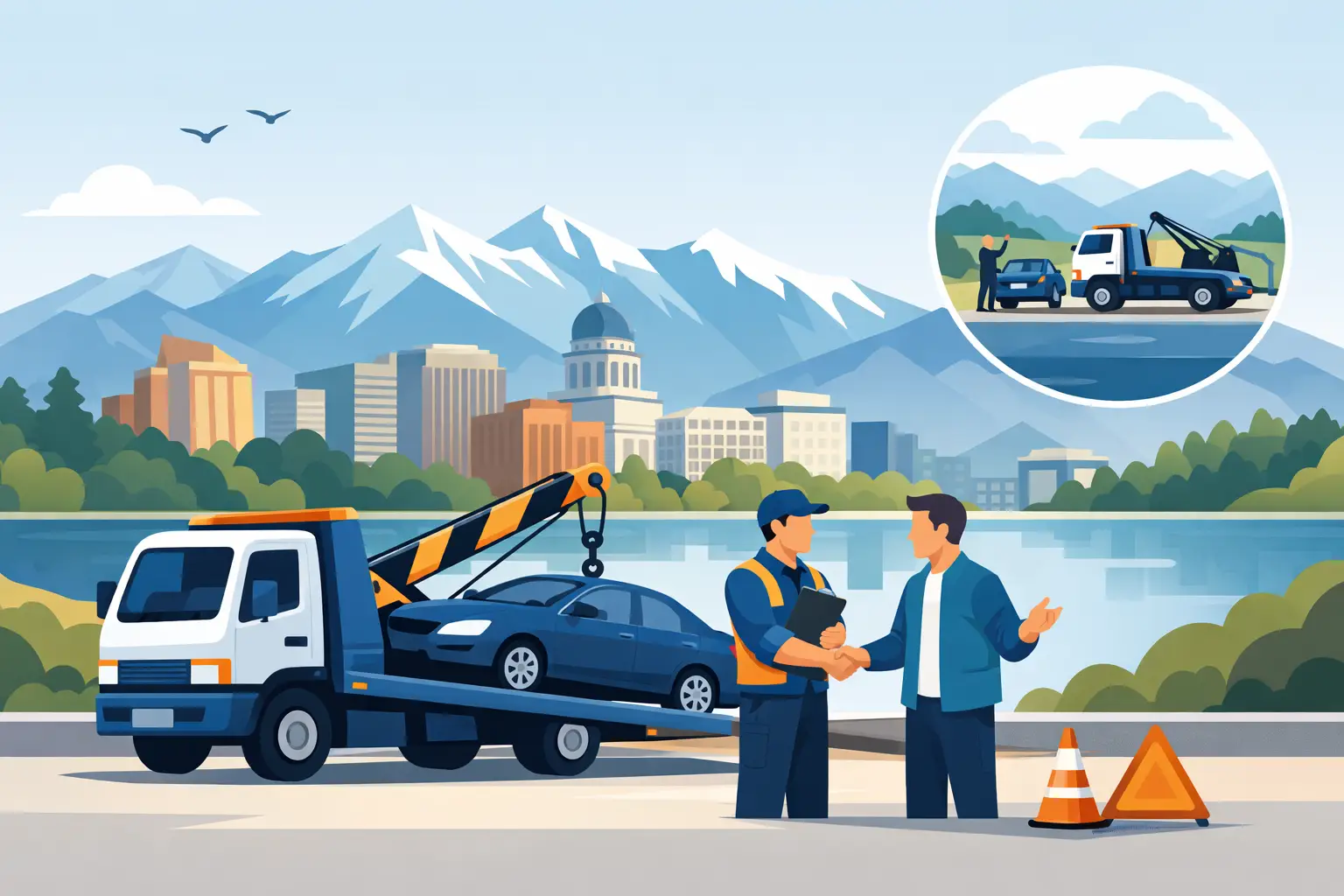
This Salt Lake towing case study shows how fast, affordable 24/7 roadside help gets a stranded commuter safely moving again without extra stress today.