
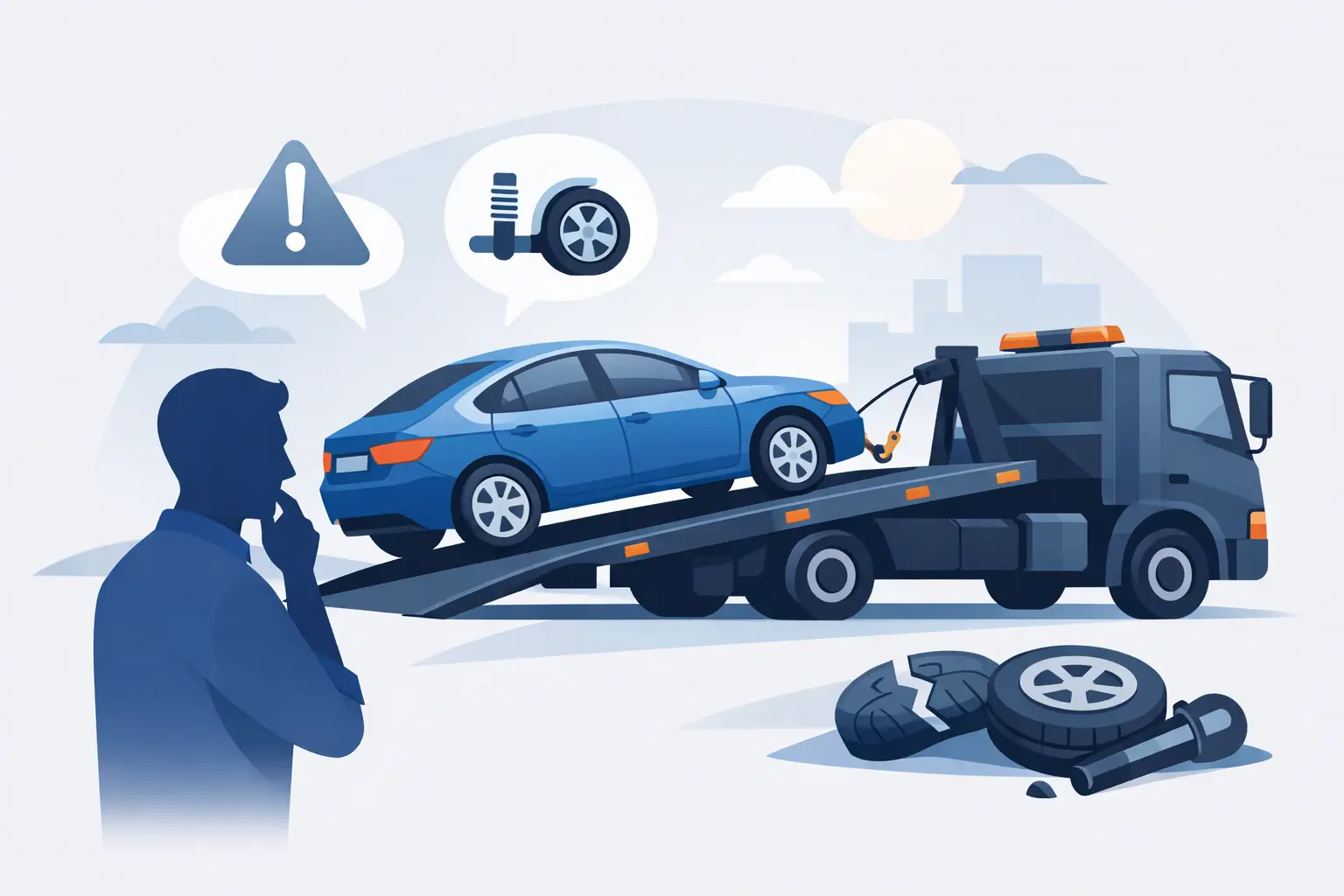
A breakdown is already enough trouble. The last thing you need is to watch your vehicle get loaded onto a tow truck and wonder, can towing damage my car? The honest answer is yes, it can – but damage is usually tied to the wrong equipment, poor loading practices, or a vehicle being towed in a way its drivetrain cannot handle. With the right tow method and an experienced operator, towing is a safe way to get your car out of danger and to a repair shop.
Can Towing Damage My Car?
Any time a vehicle is moved, there is some risk. That does not mean a tow truck is going to ruin your car. It means the tow company needs to know what it is moving before the truck ever pulls away.
Your vehicle’s make, model, condition, drivetrain, clearance, and location all affect how it should be towed. An all-wheel-drive SUV stuck in snow needs a different approach than a front-wheel-drive sedan with a dead battery in a parking garage. A low-clearance sports car needs more care during loading than a pickup with a broken tire.
The most common towing damage happens when someone rushes, guesses, or uses equipment that does not match the job. A professional operator checks the vehicle, secures it at proper tie-down points, and chooses the safest available method. That extra attention matters when you are stranded on I-15, dealing with a crash, or stuck on a Salt Lake Valley side street after dark.
What Can Go Wrong During a Bad Tow?
Towing damage is not always dramatic. Sometimes it is obvious, such as a scraped bumper. Other times, it can show up later as drivetrain trouble, a damaged wheel, or a warning light.
Drivetrain damage
This is the big concern for many drivers. Towing a vehicle with its drive wheels on the ground when it should be fully lifted can damage the transmission, transfer case, differential, or other drivetrain components.
All-wheel-drive and four-wheel-drive vehicles are especially sensitive. In many cases, all four wheels need to be off the ground on a flatbed. Some vehicles have manufacturer-specific towing instructions, and those instructions are worth following. The same goes for electric vehicles and hybrids, which may have unique transport requirements.
Front-wheel-drive cars can often be towed with the front wheels lifted. Rear-wheel-drive vehicles may need the rear wheels lifted or placed on dollies. But there is no one-size-fits-all rule. The safest move is to tell the dispatcher exactly what you drive and mention any drivetrain features you know about.
Bumper, body, and undercarriage scrapes
Low vehicles can scrape when they are pulled up a steep flatbed angle or dragged over a curb. Cars with aftermarket body kits, lowered suspensions, or damaged wheels need added care because they have less clearance and fewer easy loading options.
A careful operator can reduce this risk by adjusting the bed angle, using ramps or blocks where appropriate, and taking time to position the vehicle correctly. If your car has low clearance, say so before the truck arrives. That one detail helps ensure the right equipment is dispatched.
Wheel and tire damage
Improperly placed chains, hooks, or straps can scratch wheels, cut tires, or put pressure where it does not belong. A secure tow should use appropriate wheel straps or manufacturer-approved attachment points, not whatever piece of the vehicle is easiest to grab.
If you have specialty wheels, oversized tires, or a flat tire, mention it. A tow operator needs the full picture to load and secure the vehicle without creating another problem.
Damage from a vehicle that is not fully secure
A car that shifts during transport can suffer body damage, suspension damage, or worse. Proper tie-downs are not optional. The vehicle should be secured so it stays stable during turns, braking, bumps, and highway speeds.
This is one reason the cheapest quote is not always the best deal. A few dollars saved is not worth a loose vehicle, a rushed operator, or a truck that is not equipped for your situation.
Flatbed Towing Is Often the Safest Choice
For many vehicles, flatbed towing is the best option because all four wheels ride off the road. That eliminates the concern of drive wheels turning during transport and can be a smart choice for all-wheel-drive vehicles, accident-damaged cars, luxury vehicles, and cars that will not roll normally.
Flatbeds are also useful when a vehicle has severe mechanical damage. If a wheel is bent, a suspension component is broken, or the vehicle cannot be placed in neutral, dragging it behind a conventional tow setup can make a bad situation worse.
That said, a flatbed is not automatically required for every tow. A properly equipped wheel-lift tow can be safe and efficient for the right vehicle. The key is matching the method to your car, not forcing every job into the same setup.
Tell the Tow Company These Details Before They Arrive
You do not need to be a mechanic to help protect your vehicle. Give the dispatcher clear, simple information so the right truck and equipment can be sent the first time.
Let them know your vehicle’s year, make, and model. Mention whether it is all-wheel drive, four-wheel drive, rear-wheel drive, or electric if you know. Explain what happened: dead battery, collision, flat tire, keys locked inside, mechanical failure, or off-road recovery. Also mention whether the car is in a garage, blocking traffic, in a ditch, parked on a steep driveway, or sitting somewhere with tight access.
Be upfront about modifications and special conditions. Lowered suspension, oversized tires, a broken wheel, a missing key, or a vehicle that will not shift into neutral can change the plan. There is no benefit in downplaying the problem. Accurate details help the operator arrive ready instead of wasting time while you remain stranded.
What You Should Do While Your Car Is Being Loaded
Once help arrives, stay safe first. If you are near moving traffic, stand well away from the roadway and follow the operator’s instructions. Do not stand between vehicles, crawl underneath your car, or try to adjust chains and straps yourself.
You can still be involved without getting in the way. Point out existing dents, bumper damage, low-clearance areas, or anything unusual about the vehicle. If you are able, take a few quick photos of your car before it is loaded, especially after an accident. This is simply smart documentation, not an accusation.
Before the truck leaves, confirm the destination and remove valuables, medications, work equipment, garage remotes, and important documents from the vehicle. If you have a choice, ask how the vehicle will be towed. A professional should be able to give you a clear answer without brushing off the question.
Check Your Vehicle After the Tow
When the vehicle reaches its destination, take a quick walk around it before you leave. Look at the bumpers, lower body panels, wheels, tires, mirrors, and windshield. If the car is drivable, pay attention to warning lights, unusual sounds, steering problems, or fluid leaks.
If you notice a new issue, document it immediately with photos and speak with the towing company right away. Do not wait several days and hope you remember every detail. Most reputable companies want the chance to review a legitimate concern and make it right.
Keep in mind that not every problem discovered after a tow was caused by the tow. A vehicle with collision damage, a failing transmission, a flat tire, or a broken suspension may already have underlying issues. The timing can make towing look like the cause, which is why clear documentation and an honest inspection matter.
Choose Care Over a Quick Hook-and-Go
When you are stuck, fast service matters. But fast should not mean careless. The right towing company will move with urgency while still checking the drivetrain, clearance, damage condition, and safest loading method for your vehicle.
If you need a tow in Salt Lake City, West Jordan, West Valley, Draper, or nearby areas, tell Munnster Towing what you drive and where it is stuck. A few clear details at dispatch can help get the right truck to you faster and give your car the careful ride it deserves.
continue reading
Related Posts
Dead battery? Compare jumpstart versus battery replacement, spot failure signs, and know when to call for quick, affordable roadside help in Utah today.
Car overheating can turn a normal drive into engine damage fast. Learn what to do safely, what not to do, and when to call for a tow in Salt Lake Valley.
This Salt Lake towing case study shows how fast, affordable 24/7 roadside help gets a stranded commuter safely moving again without extra stress today.