
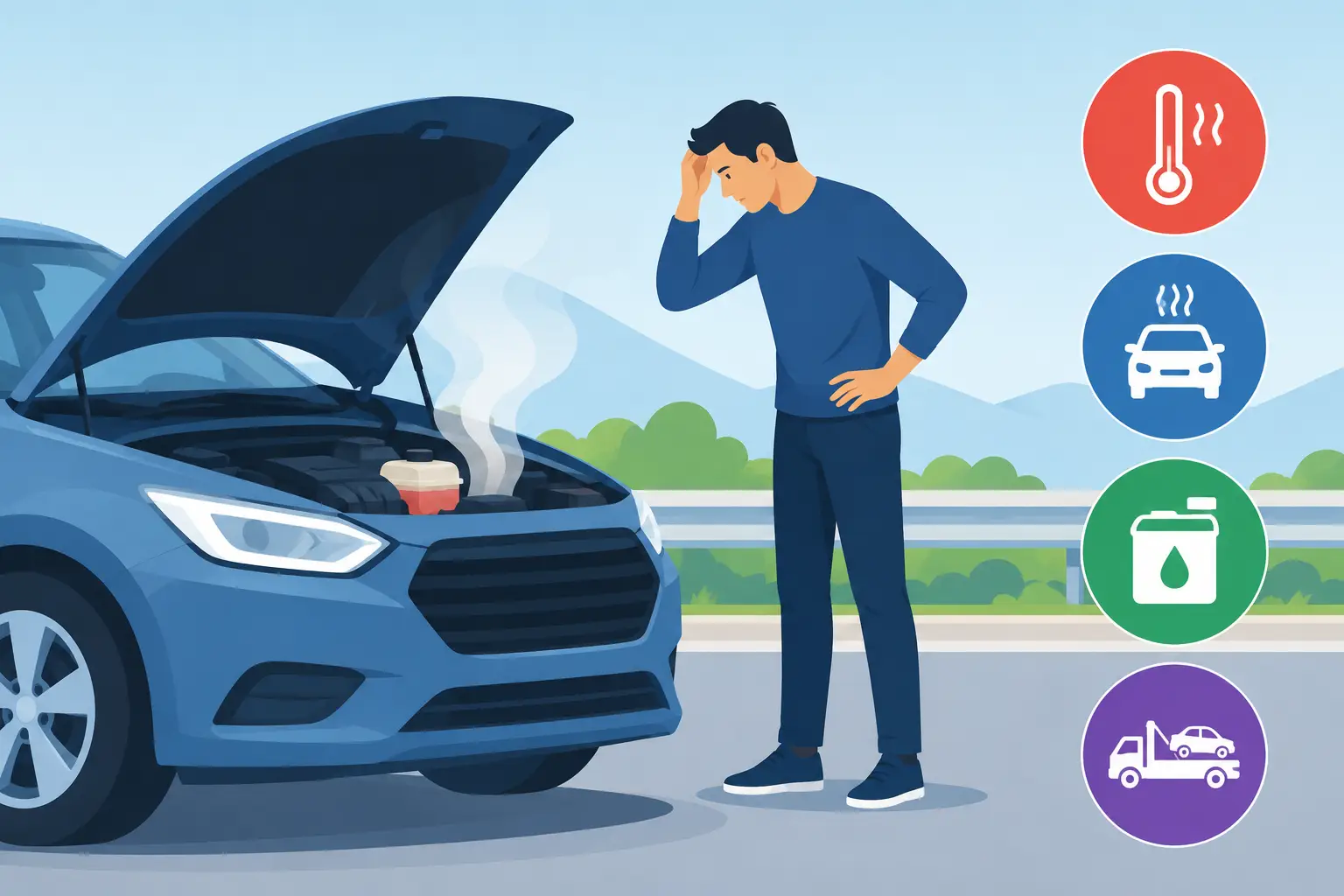
A temperature gauge climbing toward red is not a warning to ignore until you reach the next exit. Car overheating can go from a small cooling-system issue to a damaged engine in a matter of minutes. The right move is simple: get safely off the road, shut the vehicle down when you can, and do not gamble on driving farther just because it starts cooling down.
For drivers around Salt Lake City and the surrounding valley, heat is not the only problem. Long uphill grades, summer traffic, a loaded vehicle, failing parts, and even a coolant leak during a cold-weather drive can push an engine past its safe temperature. Here is what to do when the gauge rises, steam appears, or a warning message tells you the engine is too hot.
What to Do When Your Car Is Overheating
First, turn off the air conditioning. A/C makes the engine work harder and adds heat to the system. If the vehicle is still running normally and you need a short window to reach a safe shoulder or parking lot, turn the cabin heater to high with the fan on high. It is uncomfortable, but the heater can pull some heat away from the engine.
Then pull over as soon as it is safe. Use your hazard lights, avoid stopping in an active traffic lane, and choose a level area away from traffic if possible. Once parked, shift into park, set the parking brake, and turn the engine off.
If you see heavy steam, smell coolant, or the temperature gauge is buried in the red, do not try to keep driving. Do not open the hood immediately, either. Let the engine cool down first. Steam and hot coolant can cause serious burns, and a radiator cap can release pressurized fluid with enough force to injure you.
If you are stuck on a busy road, a highway shoulder, or somewhere with poor visibility, staying safe matters more than inspecting the vehicle. Call for roadside help or a tow instead of taking risks beside traffic.
Never Do These Things With an Overheated Engine
The fastest way to make an already stressful breakdown worse is to react out of frustration. Avoid a few common mistakes.
Do not remove the radiator cap while the engine is hot. Even if the engine has stopped steaming, the cooling system may still be pressurized. Wait until the engine is fully cool before checking anything under the hood.
Do not pour cold water over a hot engine or radiator. The sudden temperature change can crack engine components or other cooling-system parts. It also will not fix the reason the vehicle overheated.
Do not keep adding coolant and driving without figuring out why it is low. A small top-off might get you out of immediate trouble in some situations, but coolant does not disappear for no reason. There may be a leaking hose, failed water pump, damaged radiator, bad cap, or internal engine issue.
Most of all, do not assume the temperature gauge returning to normal means the problem is solved. A thermostat may stick and release, a cooling fan may work only sometimes, or a leak may worsen once pressure builds again. That is how a quick roadside stop becomes an expensive engine repair.
Why Car Overheating Happens
Your cooling system has one job: move heat away from the engine and release it through the radiator. Coolant circulates through the engine, the water pump keeps it moving, the thermostat controls flow based on temperature, and fans help pull air through the radiator when the vehicle is moving slowly or sitting still. If one part fails, the system can lose its ability to control heat.
A coolant leak is one of the most common causes. You may notice a sweet smell, a colored puddle under the vehicle, low coolant in the reservoir after the engine cools, or white residue around hoses and connections. Leaks can be obvious, but some only appear when the system gets hot and pressurized.
A failed thermostat can also cause a fast temperature spike. If it does not open, hot coolant cannot circulate properly to the radiator. A weak or failing water pump creates a similar problem because coolant is not moving through the system as it should.
Electric cooling fans are another frequent culprit, especially when the vehicle overheats while idling in traffic but seems better at highway speed. The fan, relay, fuse, wiring, or temperature sensor may be at fault. A clogged radiator, damaged radiator fins, low coolant, or an aging radiator cap can also prevent the system from doing its job.
There is a more serious possibility as well: an internal engine problem such as a failed head gasket. Signs can include repeated overheating, thick white exhaust smoke, coolant disappearing without a visible leak, oil that looks milky, or rough running. At that point, driving the vehicle is a bad bet. It needs professional diagnosis and likely a tow.
Can You Drive After the Engine Cools Down?
Sometimes, but only under limited conditions. If the engine has cooled completely, the coolant level is low, you can identify no major leak, and the gauge had only started to rise, a careful short trip to a nearby repair shop may be possible after adding the correct coolant mixture. Even then, watch the gauge constantly and stop immediately if it climbs again.
That is not the right call if the car is steaming, coolant is pouring out, a hose is split, the engine is running poorly, the warning light remains on, or the gauge went deep into the red. It is also not worth pushing your luck when you are far from a repair shop, stuck in traffic, hauling passengers, or driving in extreme heat.
A tow costs less than replacing a warped cylinder head, damaged head gasket, or seized engine. When the cause is unknown, towing is often the budget-friendly decision, not the expensive one.
When Roadside Help Is the Smart Move
Roadside service can be useful when the situation is safe and the problem is simple, such as a clearly low coolant reservoir after the engine has fully cooled. But overheating often needs more than a refill. A technician can help assess whether the vehicle can move safely, while a tow gets it to a repair facility without putting the engine through another overheating cycle.
Call for a tow right away if you have visible steam, a major leak, a damaged hose, a radiator warning light that will not clear, or a vehicle that overheats again after cooling down. The same goes for vehicles that lose power, misfire, make knocking sounds, or show signs of oil and coolant mixing.
Munnster Towing provides 24/7 towing and roadside help for stranded drivers across the Salt Lake Valley. If your vehicle is overheating in Salt Lake City, West Jordan, West Valley, Draper, or nearby, getting it off the road quickly can save you from bigger repair bills and a much longer day.
How to Lower the Odds of Another Overheating Problem
A quick look under the hood once in a while can catch trouble before it leaves you on the shoulder. Check the coolant reservoir only when the engine is cold and make sure the level stays between the marked lines. Look for wet spots, crusty residue around hoses, cracked belts, or puddles where you park.
Follow your vehicle manufacturer’s maintenance schedule for coolant service. Coolant breaks down over time, and the wrong type of coolant can create problems in some systems. If you have noticed even occasional temperature swings, a sweet smell, weak cabin heat, or coolant loss, schedule an inspection before a summer commute or mountain drive turns into a breakdown.
A rising temperature gauge is your car asking for an immediate stop, not a second opinion. Pull over safely, let it cool, and choose a tow when the cause is not obvious. Your engine will thank you, and so will your wallet.
continue reading
Related Posts
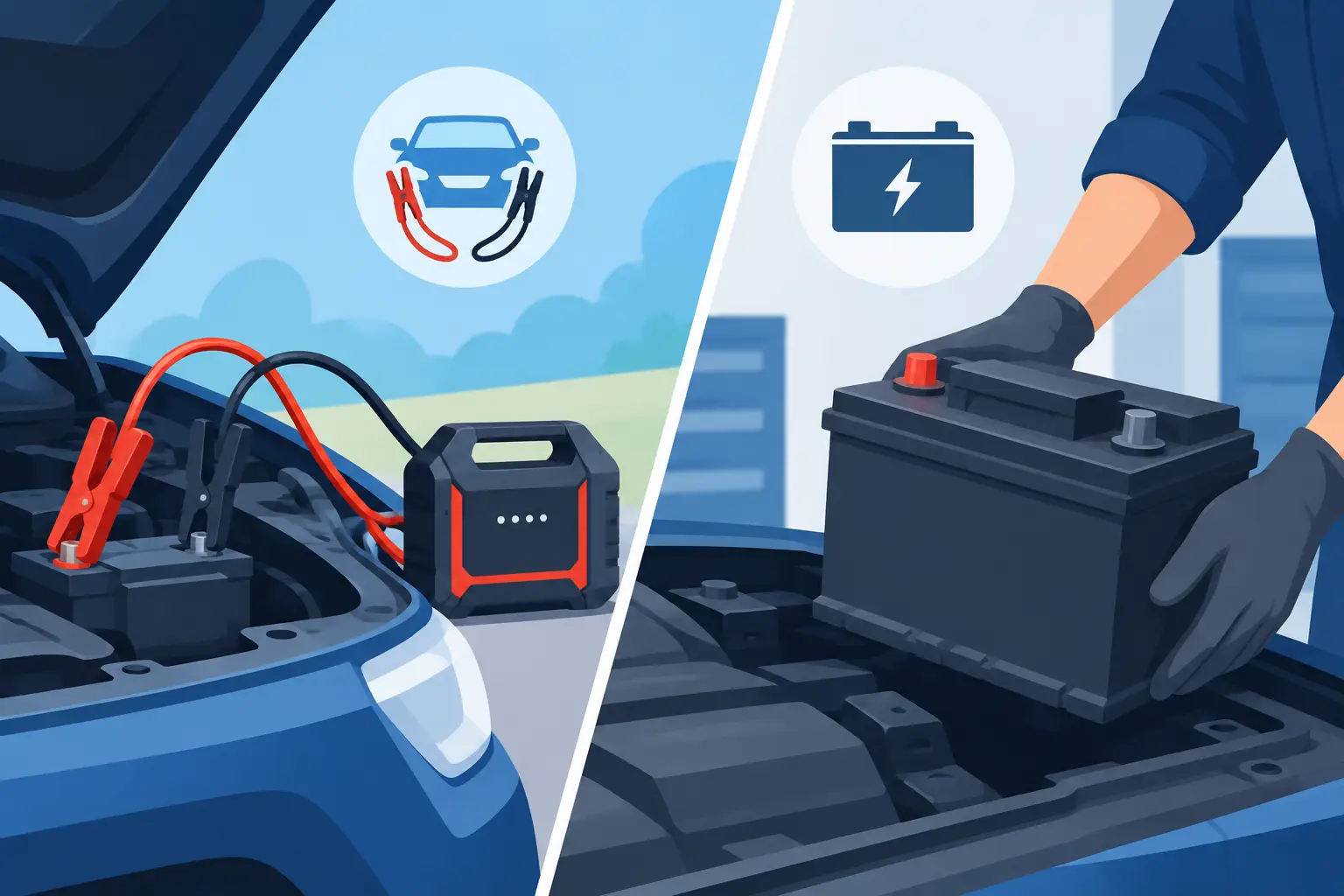
Dead battery? Compare jumpstart versus battery replacement, spot failure signs, and know when to call for quick, affordable roadside help in Utah today.
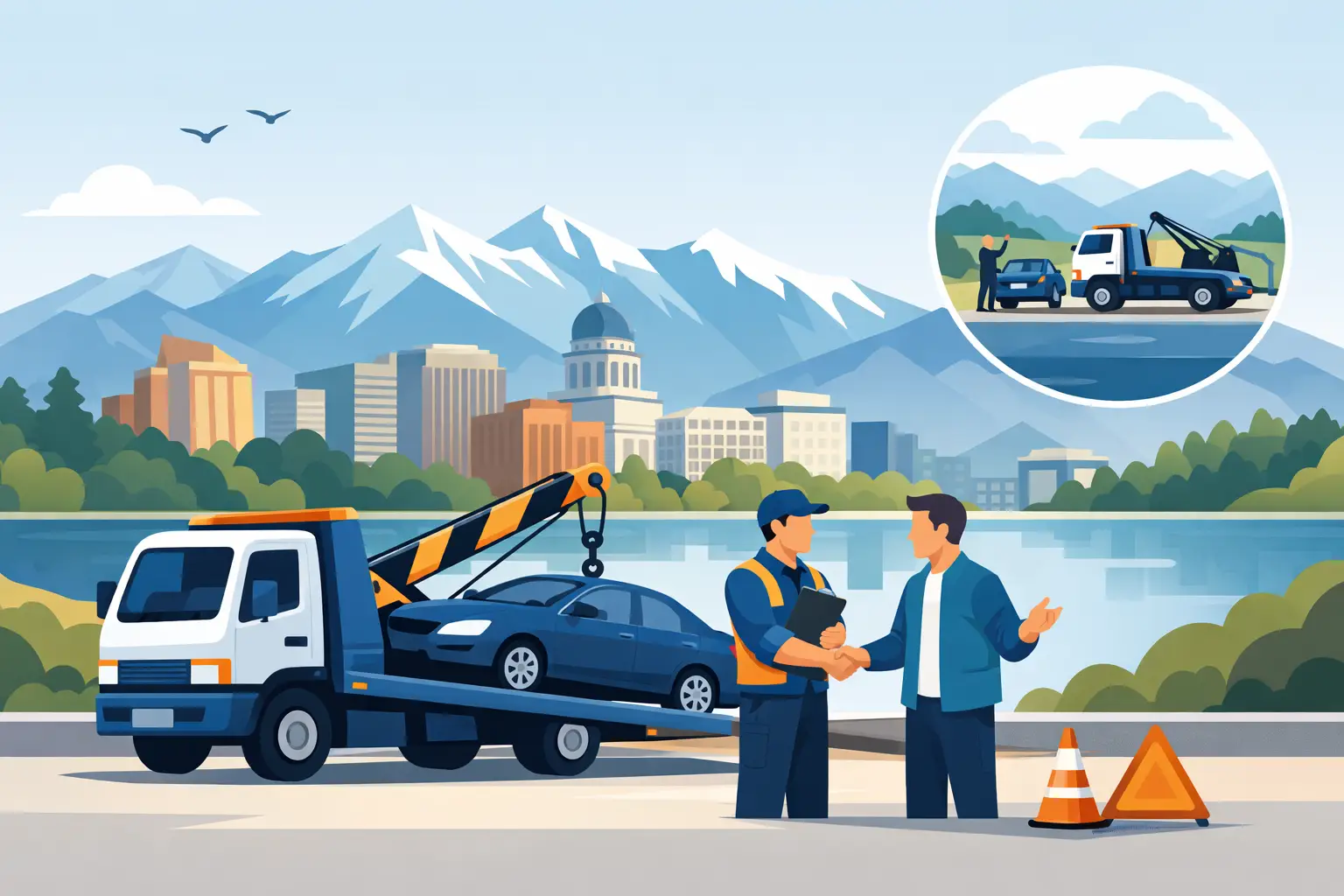
This Salt Lake towing case study shows how fast, affordable 24/7 roadside help gets a stranded commuter safely moving again without extra stress today.
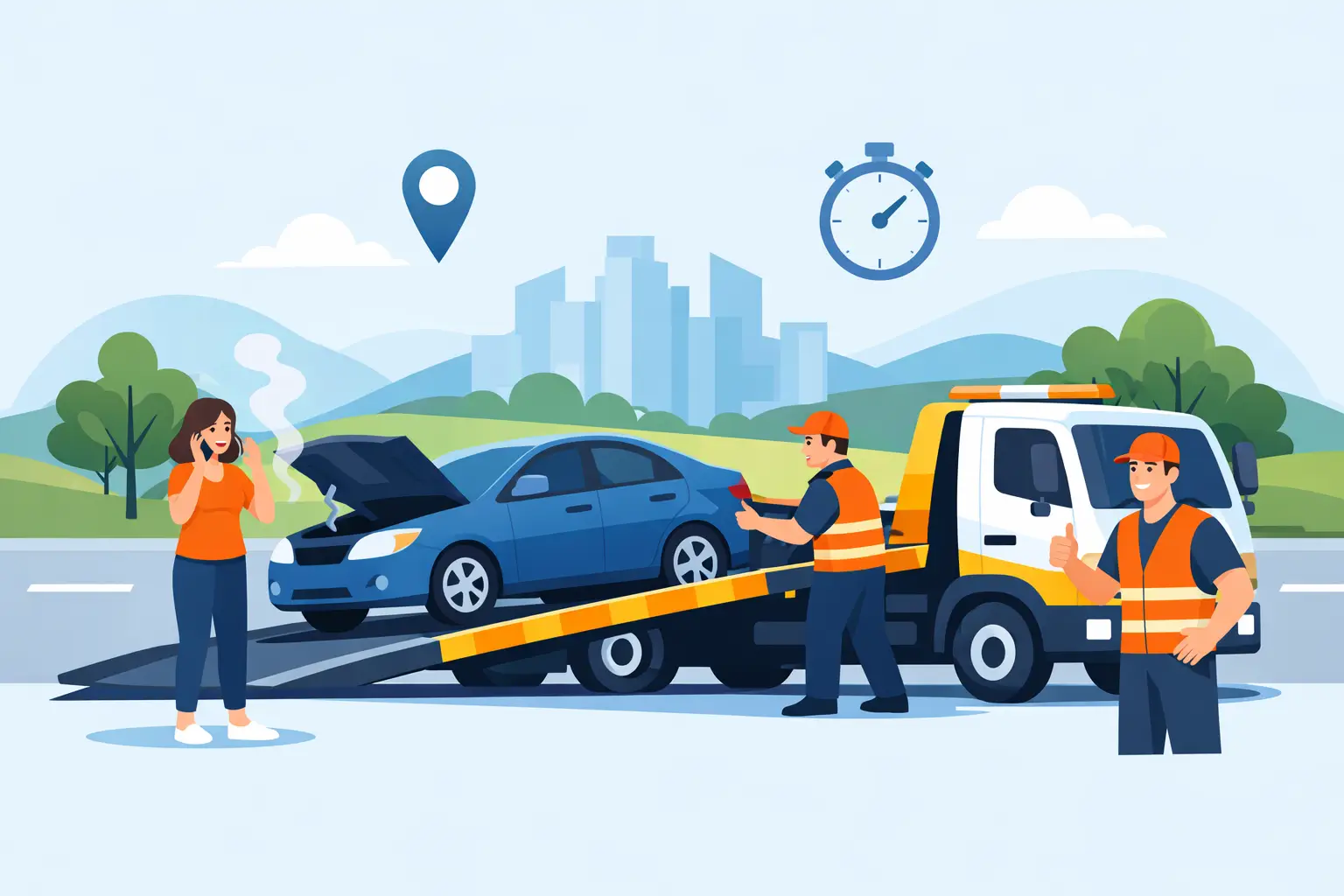
See the benefits of local towing: faster arrival, clear communication, fair pricing, and capable roadside help when your vehicle stops in Salt Lake Valley