
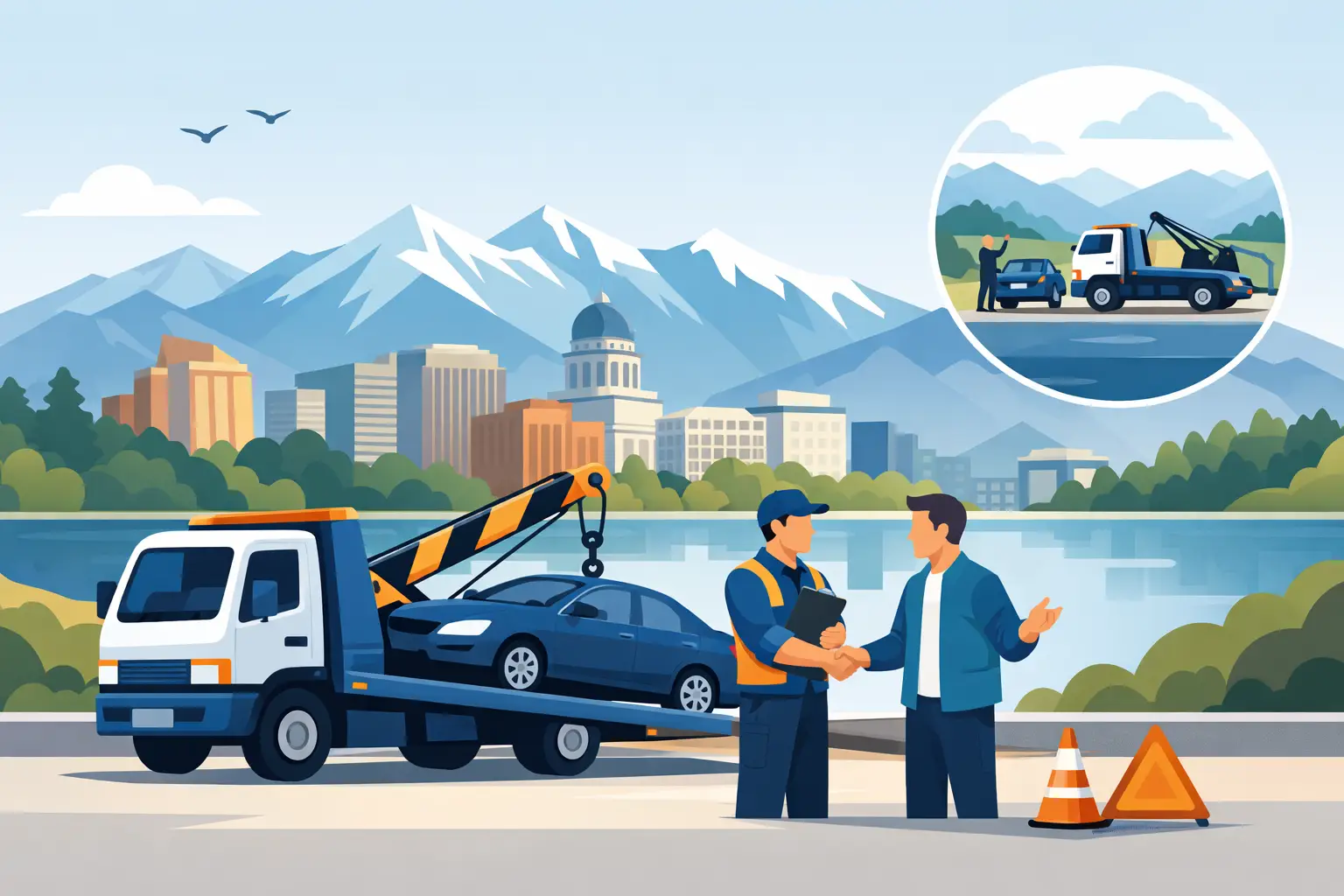
A stalled vehicle during a Salt Lake Valley commute is not a minor inconvenience. It can mean missing work, leaving kids waiting at school, losing a rideshare shift, or sitting on the shoulder while traffic moves fast beside you. This Salt Lake towing case study uses a representative local dispatch scenario to show what good roadside help should look like when a driver needs answers now, not a lecture.
The situation is simple: a commuter is heading home after a long day when the vehicle loses power near a busy route. The driver gets safely off the main road but cannot restart the car. A dashboard warning light is on, the battery is not obviously dead, and there is no time to gamble on whether the car will make it another mile.
At that point, the right move is not guessing, waiting for a friend with jumper cables, or risking further damage by repeatedly trying to start the vehicle. It is calling for a fast tow or roadside diagnosis from a local team that is available 24/7.
The Call: Getting the Right Details Fast
A good towing call starts with a few practical details: the driver’s location, the vehicle type, what happened before it stopped, and whether the car is in a safe place. This information helps dispatch send the right equipment instead of wasting time with a one-size-fits-all response.
In this case, the driver gave a nearby cross street, described the vehicle as a front-wheel-drive sedan, and explained that the engine had sputtered before shutting down. The car was out of the traffic lane, but the shoulder was narrow. That last detail mattered. A quick response was not just about convenience. It was about getting the driver away from a stressful roadside situation before visibility dropped and traffic picked up.
Dispatch also asked where the vehicle needed to go. Some drivers need a tow to a trusted repair shop. Others need to get home first, especially late at night, and arrange repairs in the morning. There is no single right destination. The best option depends on the vehicle condition, shop hours, insurance requirements, and the driver’s immediate safety.
Salt Lake Towing Case Study: Roadside Help or a Tow?
Not every breakdown requires a tow. A dead battery may only need a jumpstart. A flat tire may be handled on-site if the spare is usable and the wheel is safe to change. Running out of gas may call for fuel delivery rather than a trip to a station. A locked vehicle can often be opened without damage by an experienced technician.
This case was different. The vehicle showed signs of a mechanical or fuel-system issue, and it would not remain running. A jumpstart might have temporarily changed the symptoms, but it would not have made the car dependable or safe to drive. Sending the driver back into traffic with an unreliable vehicle would have been the wrong kind of fast service.
The decision was made to tow it to a repair facility. That is an important part of affordable roadside help: doing the job that actually fits the problem. The cheapest option is not always the best value if it leaves you stranded again ten minutes later.
The Response: Fast Does Not Mean Careless
When the tow truck arrived, the technician first focused on positioning and safety. On a narrow shoulder, that means checking traffic conditions, using proper warning lights, and helping the driver stay clear of moving vehicles while the car is loaded.
For a standard passenger vehicle, damage-free towing depends on using the appropriate equipment and securing the vehicle correctly. Rushing the loading process can create problems with low bumpers, drivetrains, tires, or steering components. A professional tow should be efficient, but it should never feel sloppy.
The technician confirmed the drop-off location, checked that the driver had the essentials, and loaded the sedan for transport. For drivers, these small steps make a real difference. Being stranded already puts your day off track. You should not have to wonder whether your vehicle is being handled with care or whether the driver knows where it is going.
Munnster Towing approaches calls like this with a straightforward goal: get there quickly, handle the vehicle properly, and keep the process affordable without cutting corners.
What Made This Call Go Smoothly
The driver did not need automotive expertise to get useful help. Still, a few choices made the call easier and safer.
First, the driver got out of the active travel lane before making the call. If moving the vehicle is unsafe or impossible, staying buckled up with hazard lights on is often safer than standing near traffic. Conditions vary, so drivers should use common sense and avoid putting themselves at greater risk just to move a car a few extra feet.
Second, the driver provided a location that a tow operator could find quickly. A street address is great, but a cross street, business name, highway direction, exit number, or clear landmark can also help. “Near downtown” is harder to dispatch than “eastbound near the 3300 South exit.”
Third, the driver described the problem without trying to diagnose it. Saying the vehicle lost power, would not restart, or made a loud noise is useful. Claiming it definitely needs a new alternator usually is not. Let the repair shop diagnose the cause. The roadside team needs enough information to bring the right help, not a perfect mechanical explanation.
Finally, the driver had a destination in mind. If you do not have a preferred repair shop, tell dispatch. They can still help you get the vehicle to a safe location, but deciding early can save time once the truck arrives.
The Real Cost of Waiting Too Long
Drivers often hesitate because they want to avoid towing costs. That is understandable. Nobody plans to spend money on a breakdown. But waiting too long can raise the real cost of the problem.
A vehicle that stalls once may stall again in a worse location. Continuing to crank an engine that will not start can drain the battery. Driving with an overheating warning, grinding noise, steering issue, or serious fluid leak can turn a repairable issue into a bigger repair. And standing on the side of a busy road after dark is never a good bargain.
There are times when waiting is reasonable. If you are parked safely at home, have a scheduled repair appointment, and the vehicle is not blocking anyone or creating a hazard, you may be able to plan a daytime tow. But if you are stuck in traffic, stranded in an unfamiliar area, or dealing with an accident or unsafe vehicle condition, immediate assistance is usually the smarter call.
What Salt Lake Valley Drivers Can Take From This
The lesson from this case is not that every car problem ends with a tow. The lesson is that roadside emergencies go better when help is fast, local, and matched to the situation.
For a flat, you may need tire service. For a dead battery, a jumpstart can get you moving. For a lockout, careful entry can save you from breaking a window or damaging your door. For an accident, off-road mishap, or vehicle that cannot safely run, recovery or towing is the right next step.
When you call, be ready with your location, vehicle details, the issue you are seeing, and where you want to go. Then let an experienced technician take over. That keeps the delay shorter, the process clearer, and the roadside stress lower.
If your vehicle quits in Salt Lake City, West Jordan, West Valley, Draper, or nearby, do not turn a bad stop into a longer problem. Get yourself to a safe spot if you can, call for 24/7 help, and let the right truck handle the rest.
continue reading
Related Posts
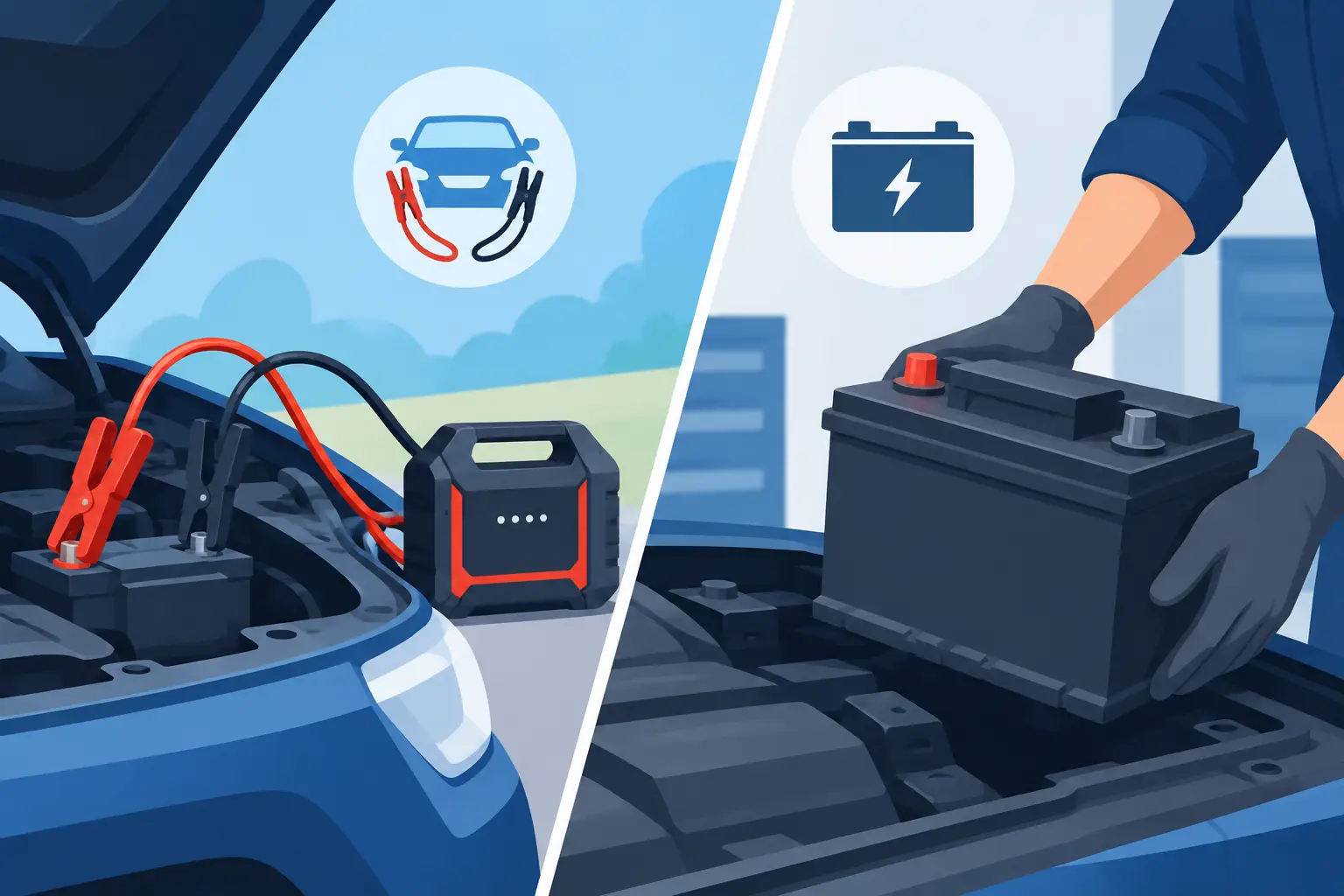
Dead battery? Compare jumpstart versus battery replacement, spot failure signs, and know when to call for quick, affordable roadside help in Utah today.
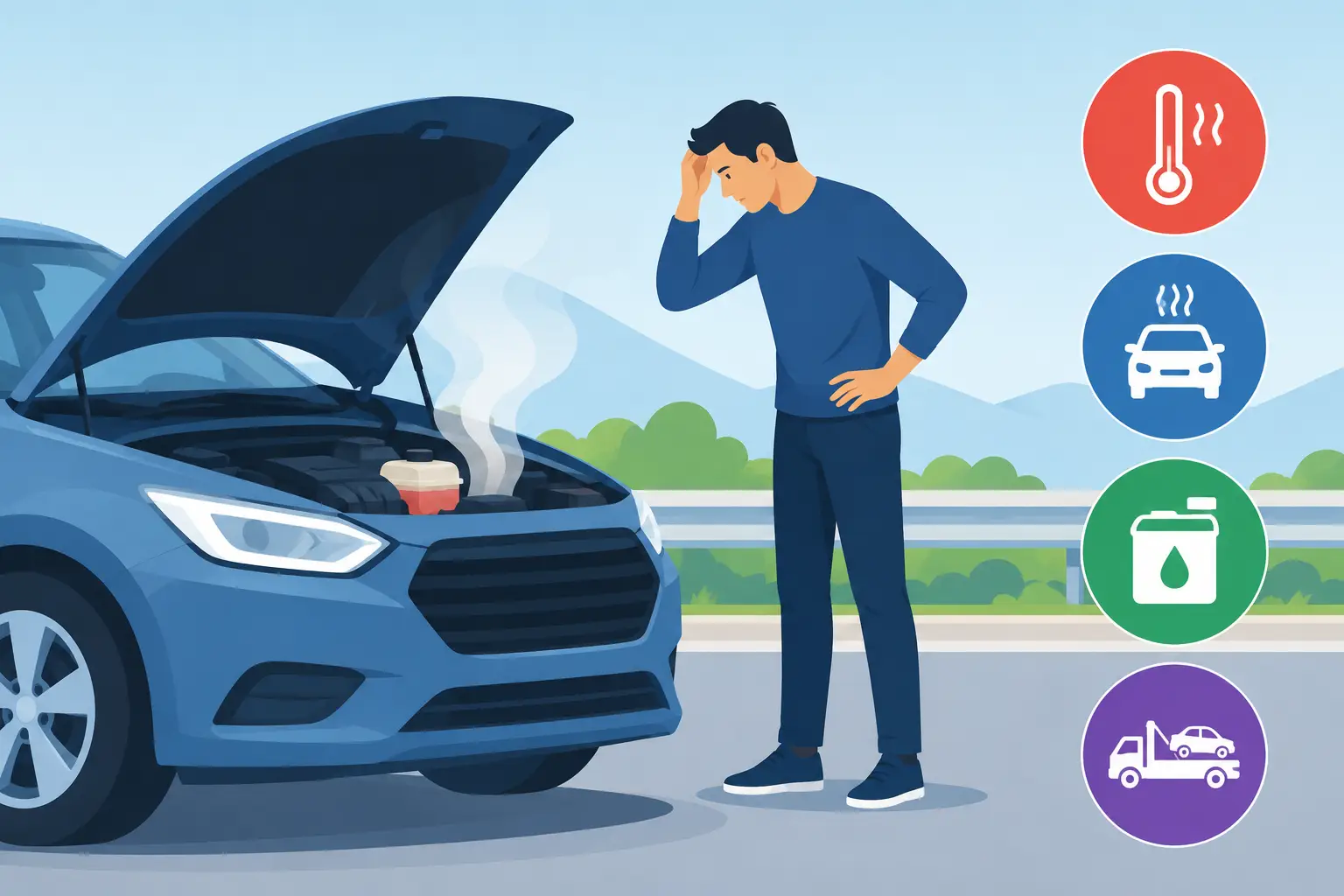
Car overheating can turn a normal drive into engine damage fast. Learn what to do safely, what not to do, and when to call for a tow in Salt Lake Valley.
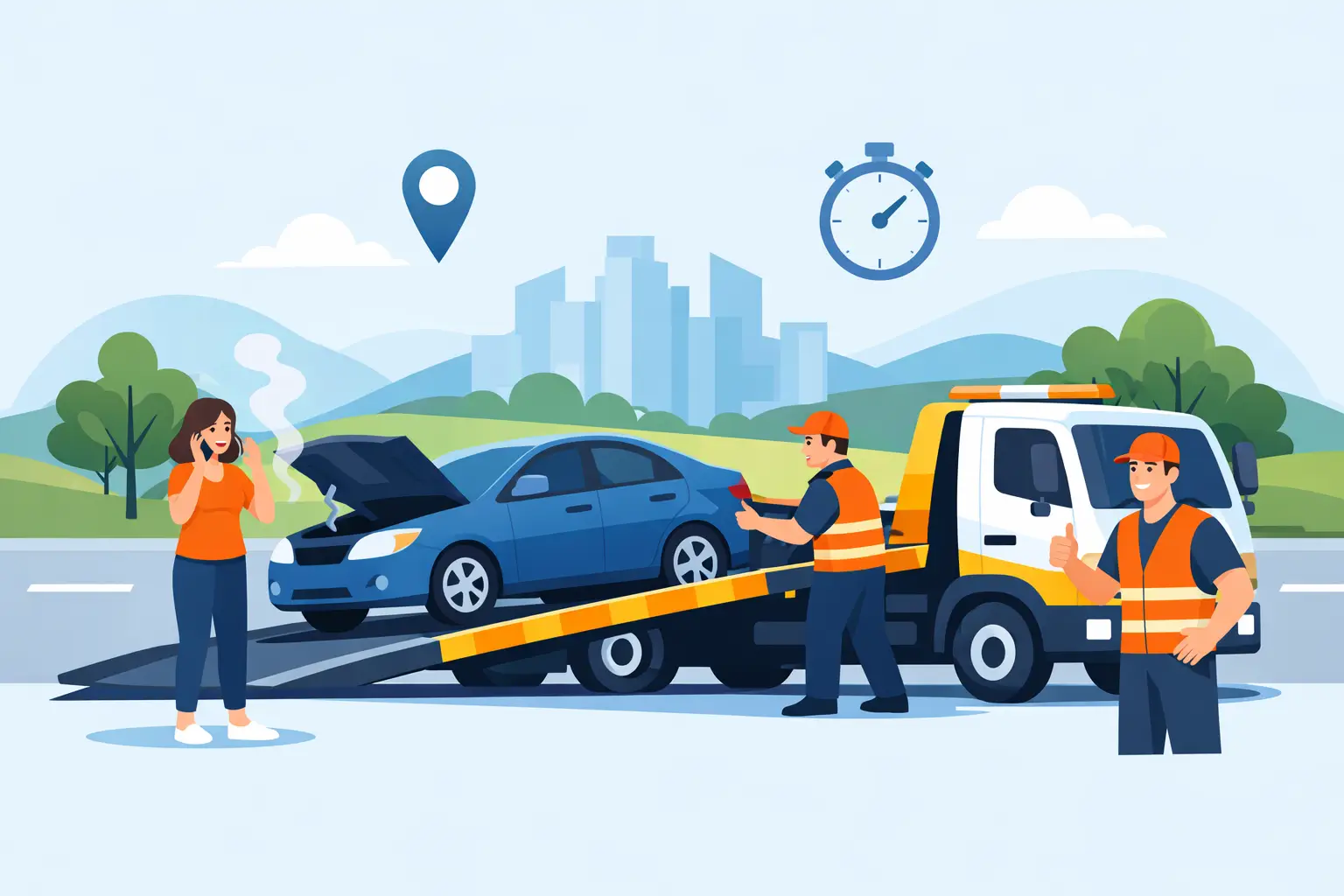
See the benefits of local towing: faster arrival, clear communication, fair pricing, and capable roadside help when your vehicle stops in Salt Lake Valley