
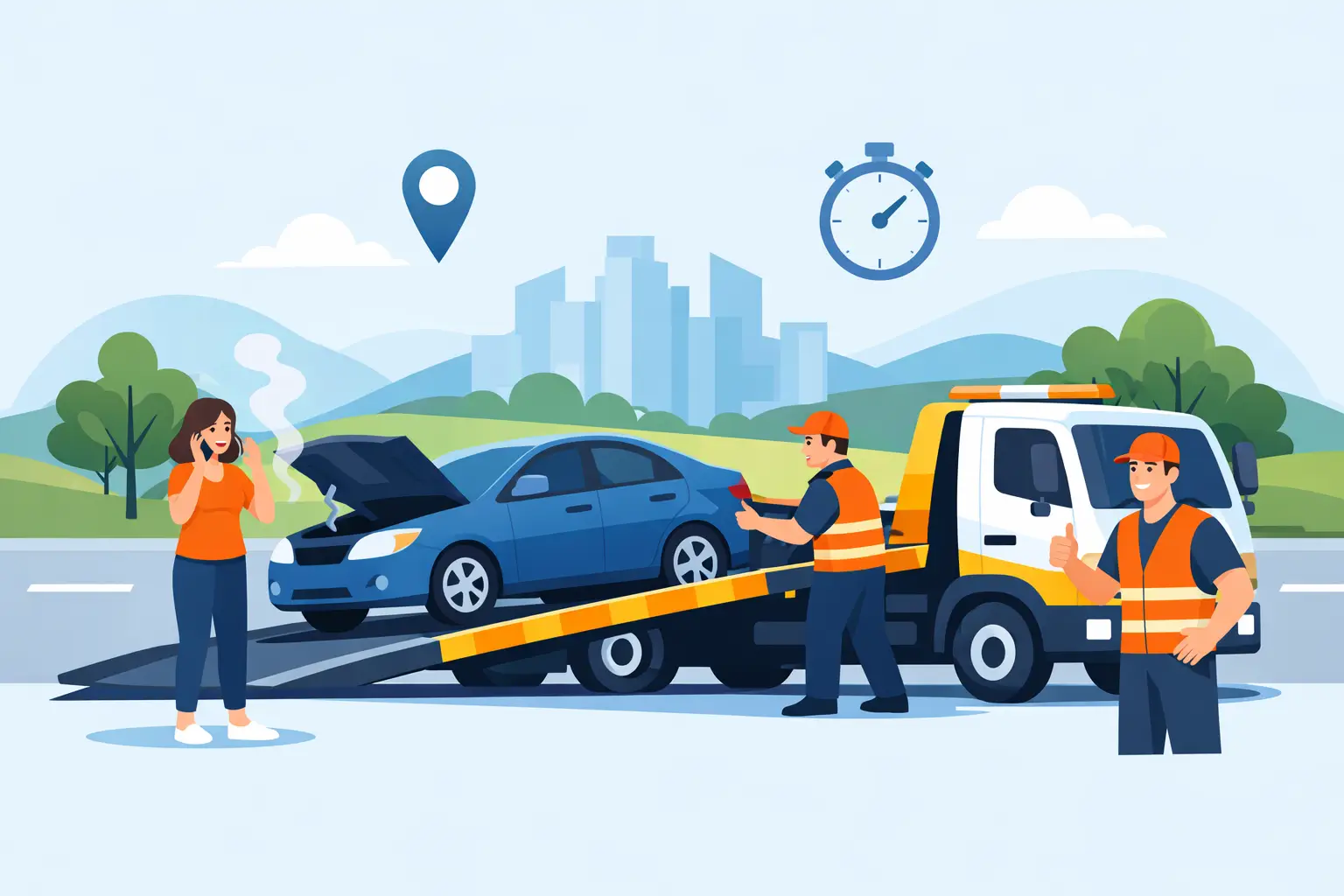
A dead battery outside a grocery store, a flat tire on the way to work, or a car that will not start after a late shift can ruin a normal day fast. The benefits of local towing are simple when you are stuck: a nearby team can get dispatched sooner, communicate clearly, and help you get moving without adding more stress to the situation.
A tow truck is not just for major accidents or cars that have completely broken down. Local roadside professionals handle the everyday problems that leave drivers stranded, from lockouts and empty fuel tanks to jumpstarts, tire changes, and careful vehicle recovery. When time, safety, and your budget matter, choosing a local towing company is usually the practical call.
1. Faster Help When Time Is Not on Your Side
The biggest reason drivers choose a local towing service is response time. A provider that already works in Salt Lake City, West Valley, West Jordan, South Jordan, Midvale, Draper, and nearby communities knows the streets, major routes, and common traffic bottlenecks. That local familiarity can make dispatch more efficient when every minute feels long.
This matters most when you are in an unsafe or inconvenient spot. Maybe your vehicle quit on the shoulder, you are blocking a driveway, or you are parked somewhere you cannot leave your car overnight. A local dispatcher can take your location, send the right truck, and give you useful updates instead of leaving you wondering whether help is actually coming.
Fast does not have to mean careless. The right towing team assesses the vehicle and the scene before loading it, especially after an accident or when a car is stuck off-road. Getting there quickly is the first job. Moving your vehicle safely is the next one.
2. Local Towing Brings Better Area Knowledge
GPS is helpful, but it does not replace experience in the area. Local operators understand where construction slows traffic, which freeway ramps are difficult to access, and how weather can change road conditions along the Wasatch Front. During snow, heavy rain, or rush hour, that knowledge can help a driver choose a smarter route to reach you.
Area knowledge is also useful for recovery work. A vehicle stuck in a ditch, snowbank, parking lot, or soft shoulder may need more than a basic hook-and-go tow. An experienced local technician can evaluate access, vehicle position, and safe recovery options before pulling. That reduces the chance of making a bad situation worse.
There is a trade-off, of course. A local company may be busy during a major storm, holiday weekend, or rush-hour pileup. But a company with local dispatch and equipment nearby is generally in a better position to give you a realistic timeline than a distant national call center trying to locate an available provider.
3. You Get Straight Answers From Real People
When you are standing beside a disabled vehicle, vague answers are frustrating. You need to know whether help is on the way, what kind of service you need, and what to do while waiting. Local towing companies depend on their reputation in the same communities they serve, so clear communication is not optional.
A good dispatcher will ask direct questions: Is the vehicle in a safe location? Can it roll? Are the keys available? Is it all-wheel drive, electric, lowered, or damaged? Do you need a tow, a jumpstart, fuel delivery, a tire change, or lockout service? Those details help send the proper truck and prevent delays after the technician arrives.
Clear communication also means being honest about what roadside assistance can solve. A jumpstart may get a weak battery going, but it will not fix a failing alternator. Fuel delivery can help if the tank is empty, but it will not solve a fuel-system issue. If the problem is not safely fixable on the roadside, towing the vehicle to a shop is often the better move.
4. Affordable Service Is Easier to Find Locally
Nobody plans to budget for a breakdown. That is why pricing matters, especially for students, families, commuters, rideshare drivers, and anyone who needs their car to earn a living. Local providers often compete by offering fair, practical rates without the extra layers that can come with large, distant dispatch networks.
The lowest quoted price is not always the best value. Ask what is included and whether the price changes based on distance, vehicle type, recovery difficulty, after-hours service, or storage needs. A simple tow from a parking lot is different from recovering an SUV from a ditch. Good companies explain the difference before the work begins whenever the situation allows.
The real value is getting the right help the first time. Paying for a cheap service that arrives with the wrong equipment can cost more in delays, repeat dispatches, and possible vehicle damage. A qualified local technician who assesses the job correctly can save money and aggravation.
5. The Benefits of Local Towing Go Beyond a Tow Truck
Many roadside problems do not require a full tow. A capable local company can often handle the immediate issue on-site, which may get you back on the road faster and for less than transporting your vehicle. That is especially useful when the problem is straightforward and your vehicle is otherwise safe to drive.
Common roadside services include:
- Jumpstarts for dead or weak batteries
- Lockout assistance when keys are inside the vehicle
- Flat-tire help when you have a usable spare
- Fuel delivery when an empty tank leaves you stranded
- Vehicle recovery after an accident, slide-off, or off-road incident
The key word is safe. Do not try to change a tire on a narrow freeway shoulder or attempt a risky DIY recovery in snow or mud. What looks like a quick fix can turn dangerous fast with passing traffic, poor visibility, or unstable ground. Calling for help is not overreacting. It is often the smart move.
6. Careful Handling Helps Protect Your Vehicle
Your vehicle may already be damaged, or it may simply have a mechanical issue that prevents it from moving. Either way, the towing method matters. Proper loading, secure tie-downs, and equipment suited to the vehicle help prevent additional damage during transport.
This is particularly important for all-wheel-drive vehicles, low-clearance cars, motorcycles, electric vehicles, and vehicles with collision damage. These situations may require a flatbed or a specific approach to avoid harming the drivetrain, body panels, wheels, or undercarriage. Tell the dispatcher what you drive and what happened. More information up front helps the operator arrive prepared.
If your car has been in an accident, do not assume it is safe to drive just because the engine starts. Leaks, steering damage, tire damage, loose parts, or hidden suspension problems can make driving risky. A careful tow can protect both the vehicle and everyone on the road around it.
7. A Local Team Gives You More Peace of Mind
Being stranded can make even a minor problem feel huge. You may be trying to get children home, make a shift, reach class, or get out of the cold. Knowing that a nearby towing and roadside team is available around the clock gives you one less thing to figure out when your vehicle lets you down.
For the best experience, stay in a safe, visible location if possible. Turn on hazard lights, keep doors locked if you are waiting in an unfamiliar area, and avoid standing between your vehicle and traffic. Have your location, vehicle make and model, license plate, and destination ready when you call. If there is immediate danger, injury, or a roadway hazard, call 911 first.
Munnster Towing provides 24/7 towing, roadside assistance, lockout help, jumpstarts, fuel delivery, and recovery service for drivers who need practical help without the runaround. When your car will not cooperate, do not gamble on a long wait or a risky roadside fix. Call a local towing team, explain the problem clearly, and let experienced help get you safely on your way.
continue reading
Related Posts
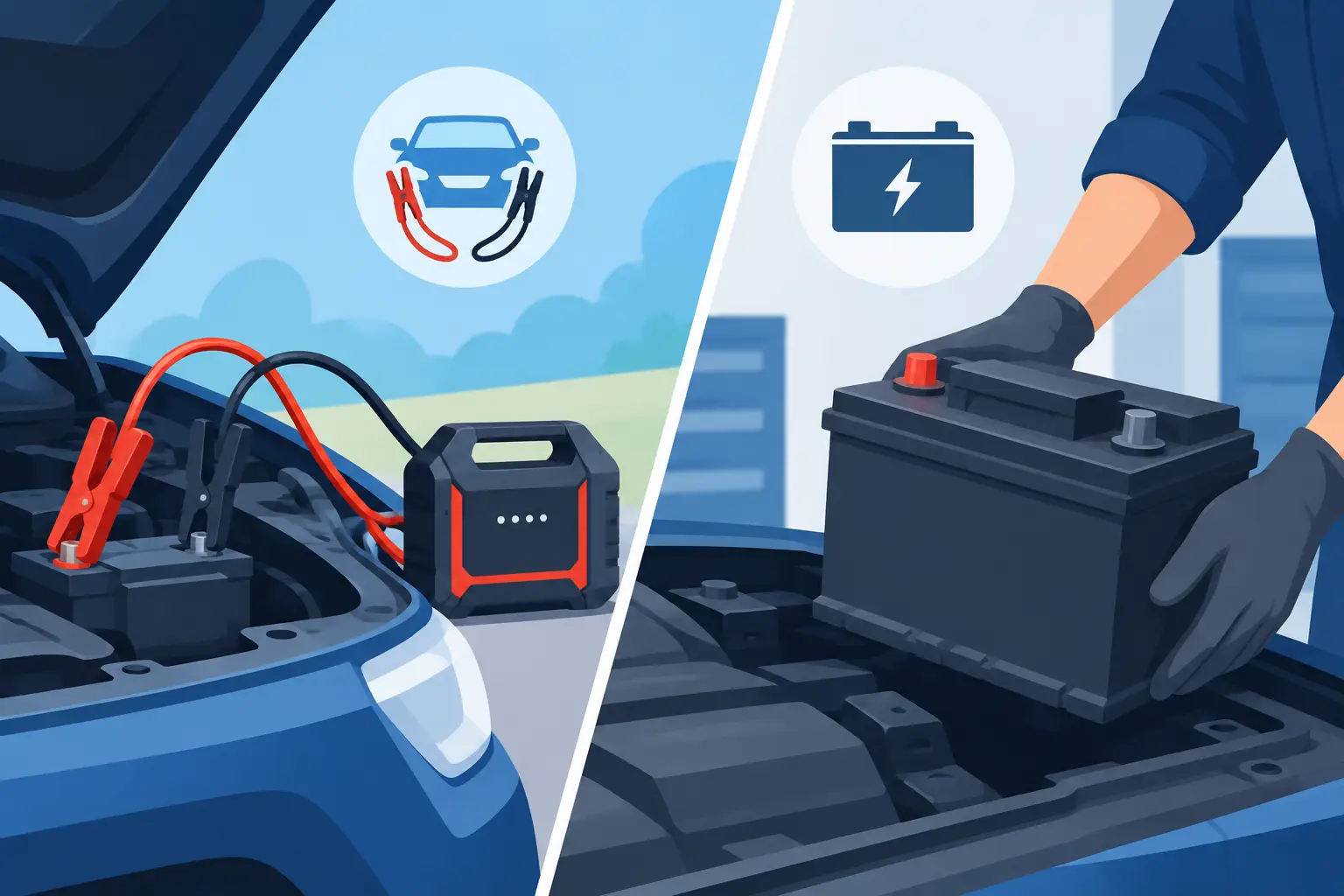
Dead battery? Compare jumpstart versus battery replacement, spot failure signs, and know when to call for quick, affordable roadside help in Utah today.
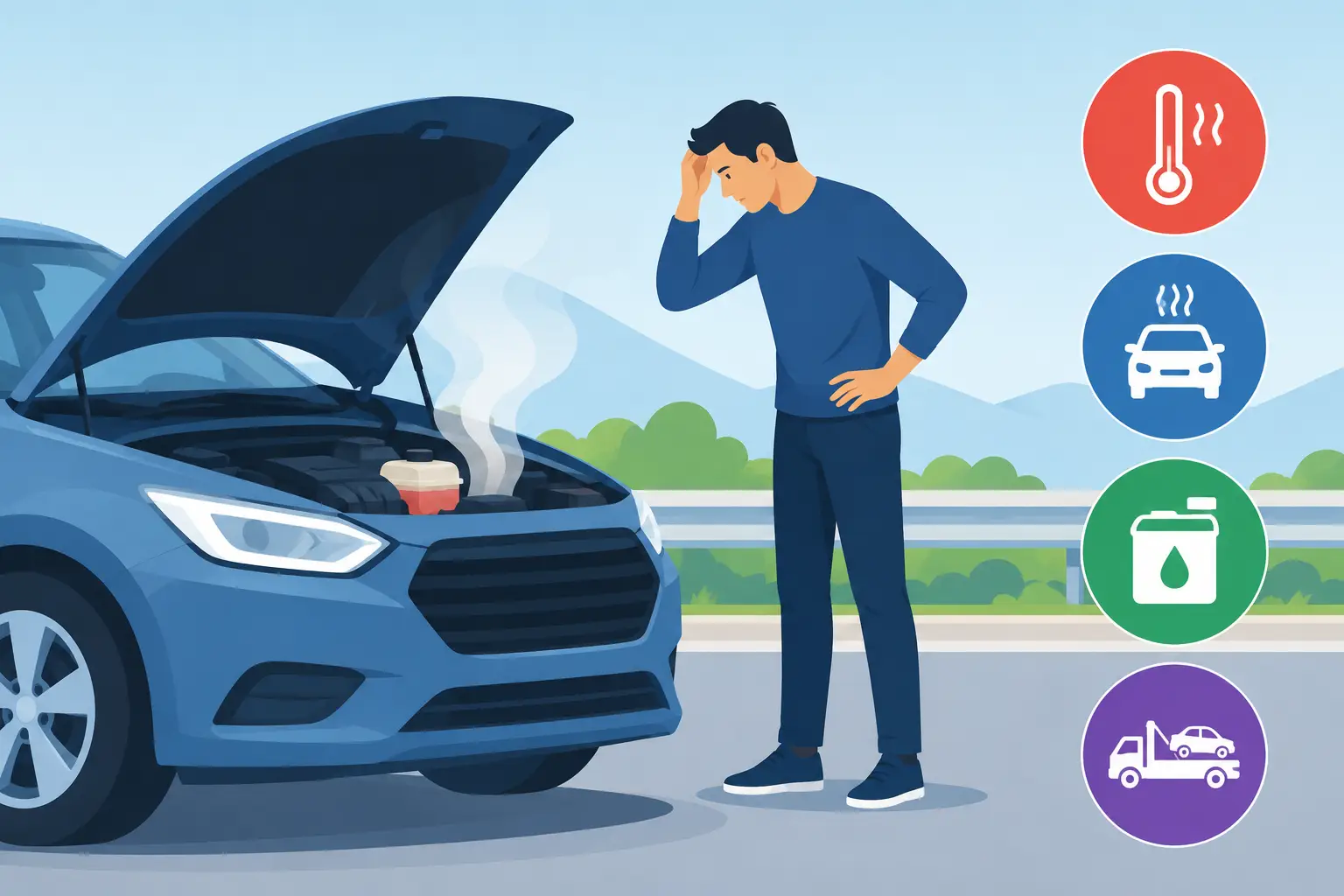
Car overheating can turn a normal drive into engine damage fast. Learn what to do safely, what not to do, and when to call for a tow in Salt Lake Valley.
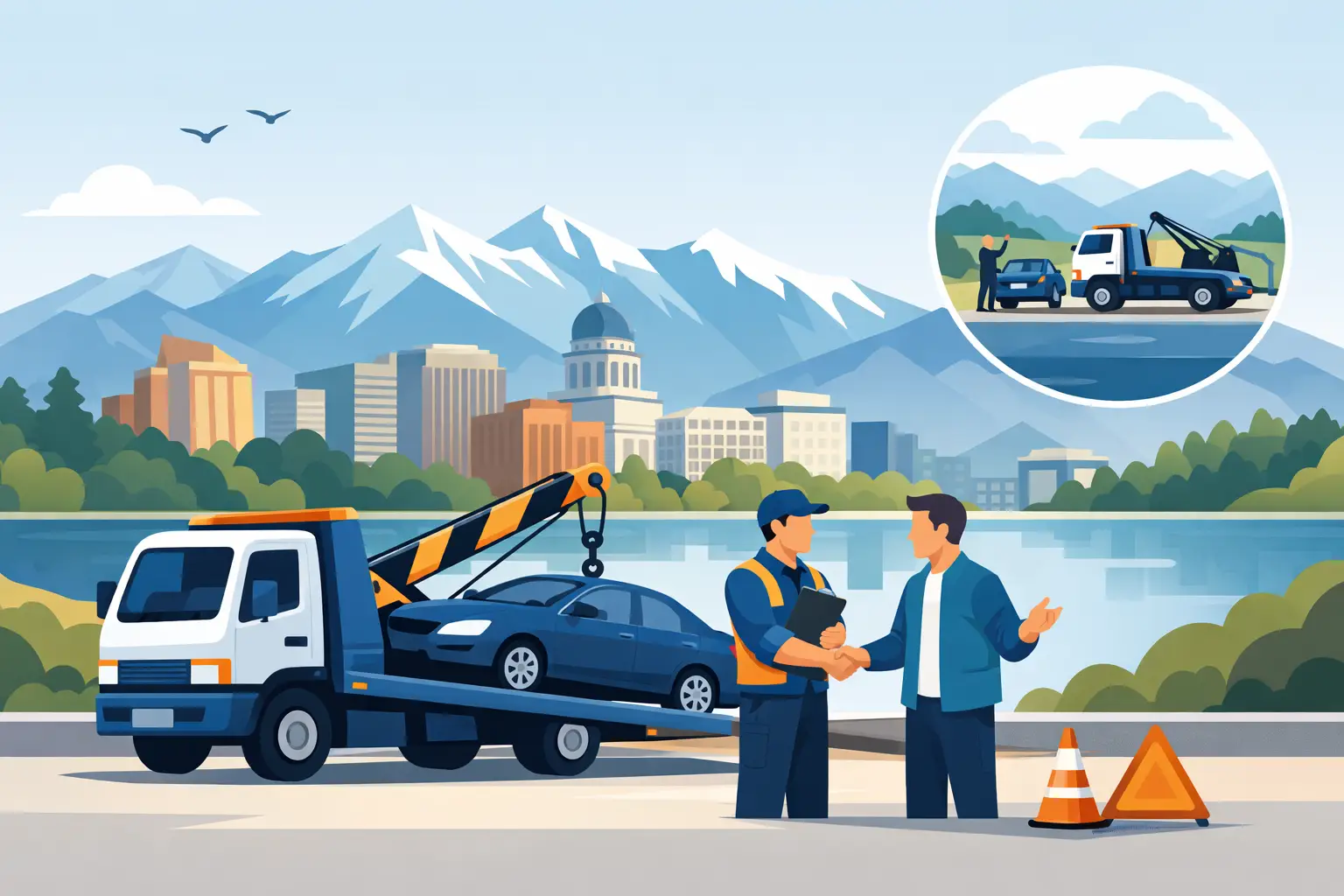
This Salt Lake towing case study shows how fast, affordable 24/7 roadside help gets a stranded commuter safely moving again without extra stress today.