
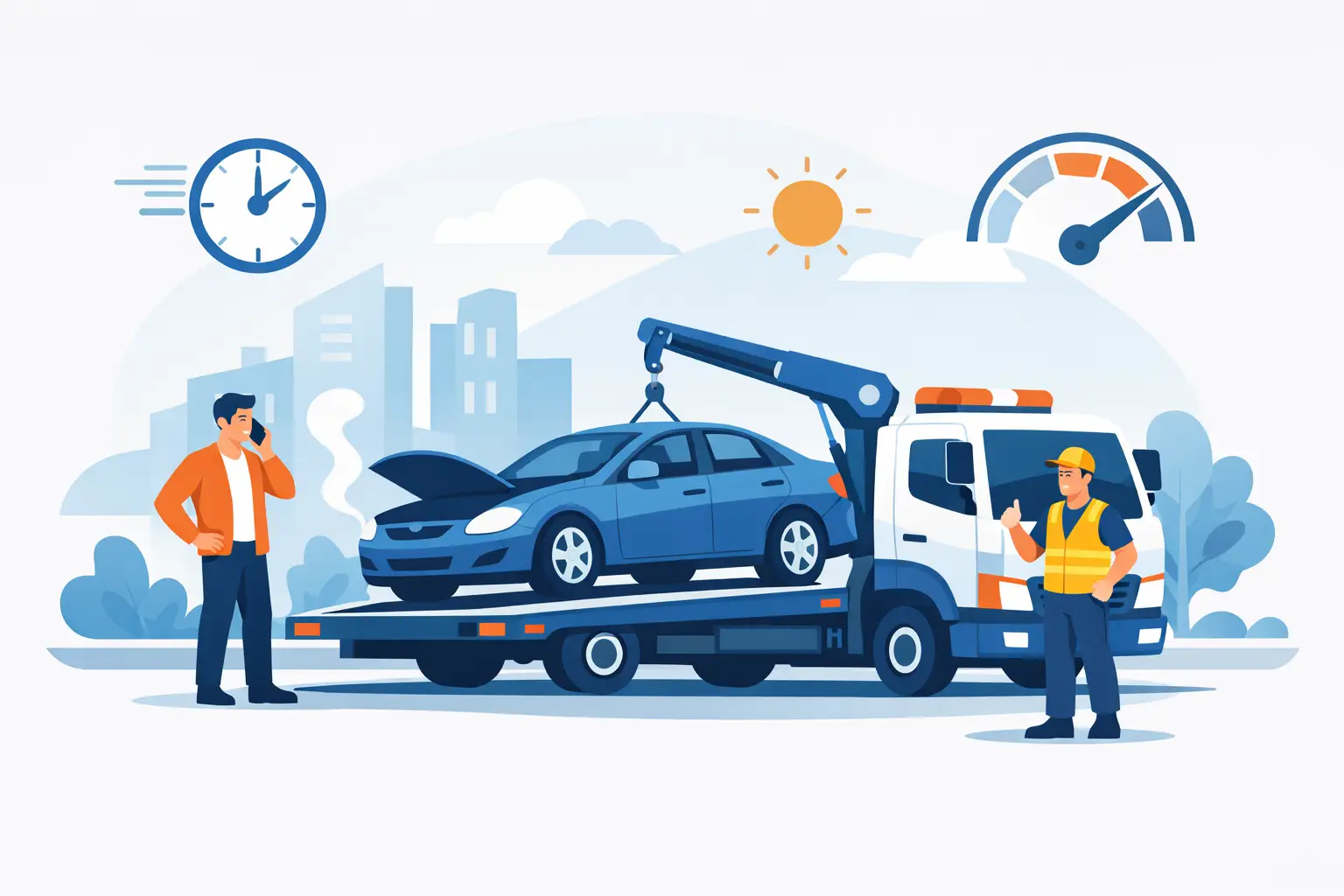
A dead battery in a grocery store lot, a flat tire before work, or a fender bender on I-15 can turn a normal day into a long one fast. That is when towing companies earn their keep. The right local crew does not just move your vehicle. They answer quickly, send the right truck, protect your car, and help you get out of a stressful situation without adding a bigger bill or a longer wait.
For drivers across the Salt Lake Valley, fast help matters because life does not pause for a breakdown. Whether you are headed home from a late shift, picking up kids, driving for work, or stuck outside your own car, knowing what help to request can save time and money.
Towing Companies Do More Than Tow Cars
Many people only think of a tow truck after a major mechanical failure or crash. Towing is a big part of the job, but a dependable roadside provider can often get you moving again right where you are. If the problem is simple, a quick roadside service may be faster and less expensive than towing the vehicle to a shop.
A jumpstart can handle a weak or dead battery. Fuel delivery can help when the gauge was not as accurate as you hoped. Tire service may get you safely back on the road after a flat, depending on whether you have a usable spare and the tire damage is minor. Lockout assistance can get you back into your vehicle without turning a frustrating mistake into a damaged door or broken window.
Then there are situations where towing is clearly the smart call. A vehicle that overheats, will not start, has steering or brake trouble, leaks fluids, or has collision damage should not be pushed to make it home. Trying to drive it can create more expensive repairs or put you and everyone around you at risk.
When to Request a Tow Instead of Roadside Help
The fastest solution is not always the one that gets the engine running. It is the one that gets you and your vehicle to a safe place without making the problem worse.
Call for a tow when your car cannot be driven safely, even if it technically still runs. This includes a collision with visible damage, a wheel sitting at an odd angle, smoke from the engine, a transmission that will not shift, or warning lights paired with rough driving behavior. If you have hit debris, slid off the road, or become stuck in mud, snow, sand, or a ditch, you may need vehicle recovery rather than a standard tow.
A good dispatcher will ask a few direct questions about the vehicle, its condition, and your location. Be honest about what happened. A truck stuck off pavement, for example, may require recovery equipment and a more careful setup than a car parked in a shopping center. Clear details help the crew arrive prepared instead of wasting time sending the wrong equipment.
If you are unsure whether to drive or tow, choose caution. Saving a few dollars by driving a damaged vehicle is not a win if it leads to a bigger repair bill or another emergency a mile down the road.
Safety Comes First While You Wait
If your vehicle is disabled near traffic, get yourself to a safer spot if you can do so without stepping into danger. Turn on your hazard lights. Stay aware of moving traffic, especially at night, in bad weather, or along high-speed roads.
Do not stand between your vehicle and traffic. Do not attempt a repair on the shoulder if cars are flying past you. If the vehicle is in a dangerous position, tell the dispatcher right away. Your safety matters more than whether you can explain every detail of the mechanical problem.
What Fast, Professional Towing Looks Like
Not all service calls are the same, and neither are all towing companies. A professional operator should focus on the details that protect your vehicle and keep the job moving.
First is communication. You should be able to explain where you are, what vehicle you drive, and what is wrong without getting bounced through a confusing process. If you are parked in a large lot, give the nearest store name, cross streets, parking area, or any landmark that makes you easier to find. If you are on a freeway, share the direction of travel, nearest exit, and mile marker if visible.
Next is proper equipment. A careful tow is not simply hooking up a vehicle and pulling it away. The tow method should fit the vehicle’s condition, drivetrain, location, and clearance. Damage-free towing takes experience, especially for all-wheel-drive vehicles, low-clearance cars, vehicles with collision damage, and cars that cannot roll normally.
Finally, professional service means respecting your time. Emergency calls are stressful enough without vague answers, surprise complications, or a crew that treats your car like a piece of scrap. Experienced technicians work efficiently, but they do not rush through the parts that prevent damage.
The Details to Have Ready Before You Call
A roadside call goes faster when you can provide a few basics upfront. Know your exact location or closest cross streets, the year, make, model, and color of your vehicle, and a short description of the issue. Mention whether the car is in a garage, underground parking area, ditch, parking structure, or another location with limited access.
It also helps to know where the vehicle needs to go. That may be your home, a repair shop, a dealership, or a safe parking location. If you need a tow after hours, make sure the destination can accept the vehicle or that you have permission to leave it there.
For a lockout, let the dispatcher know if a child or pet is locked inside. For accident recovery, explain whether police are on scene and whether the vehicle is blocking traffic. These are not small details. They affect the urgency and the kind of response needed.
Affordable Service Starts With the Right Call
Nobody plans a roadside emergency into the monthly budget. That is why affordable towing matters. But the cheapest quote is not automatically the lowest-cost outcome if the provider lacks the equipment or experience to handle your vehicle safely.
Ask what service is being dispatched and whether your situation needs roadside assistance, a standard tow, or recovery work. Pricing can depend on distance, vehicle size, access, time of day, and how difficult the vehicle is to reach. A straightforward tow from a driveway is different from pulling an SUV out of an embankment or working around accident damage.
The goal is simple: get the help you actually need, without paying for a service that does not fit the situation. A local company that knows the roads, neighborhoods, and common trouble spots around Salt Lake City, West Jordan, West Valley, Midvale, and Draper can often make that process quicker.
Do Not Wait Until the Situation Gets Worse
Some drivers wait because they hope the car will restart after a few minutes or because they do not want to deal with the hassle. Sometimes that works. Often, it just means being stranded later, farther from home, or in a less safe place.
If your vehicle is disabled, call for help while you are safely parked and able to describe your location. Munnster Towing provides 24/7 towing, recovery, jumpstarts, lockout help, fuel delivery, and roadside assistance for drivers who need a fast, practical response.
Your car does not need to ruin your whole day. Get to a safe spot, make the call, and let an experienced local crew handle the hard part while you focus on getting where you need to go.
continue reading
Related Posts
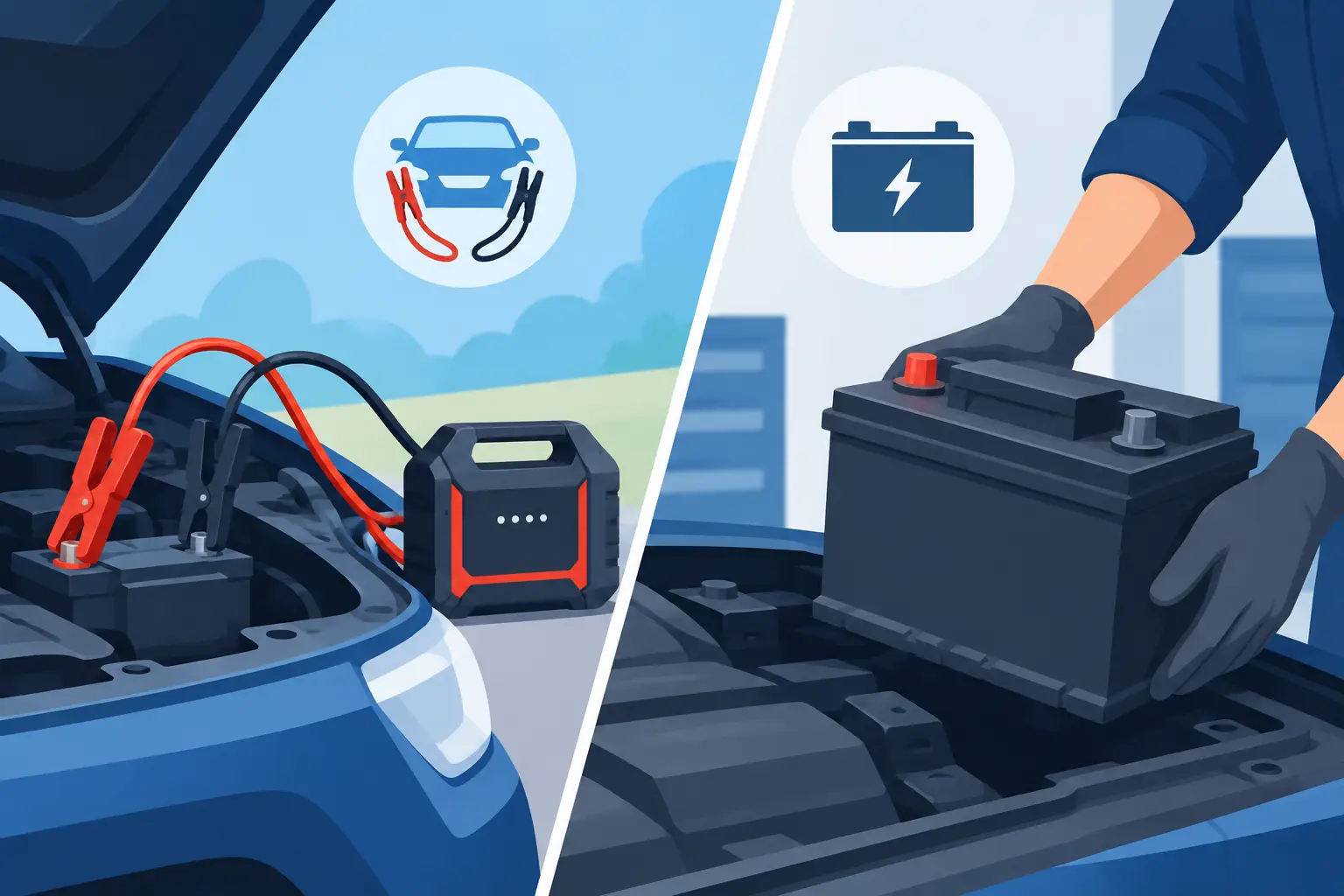
Dead battery? Compare jumpstart versus battery replacement, spot failure signs, and know when to call for quick, affordable roadside help in Utah today.
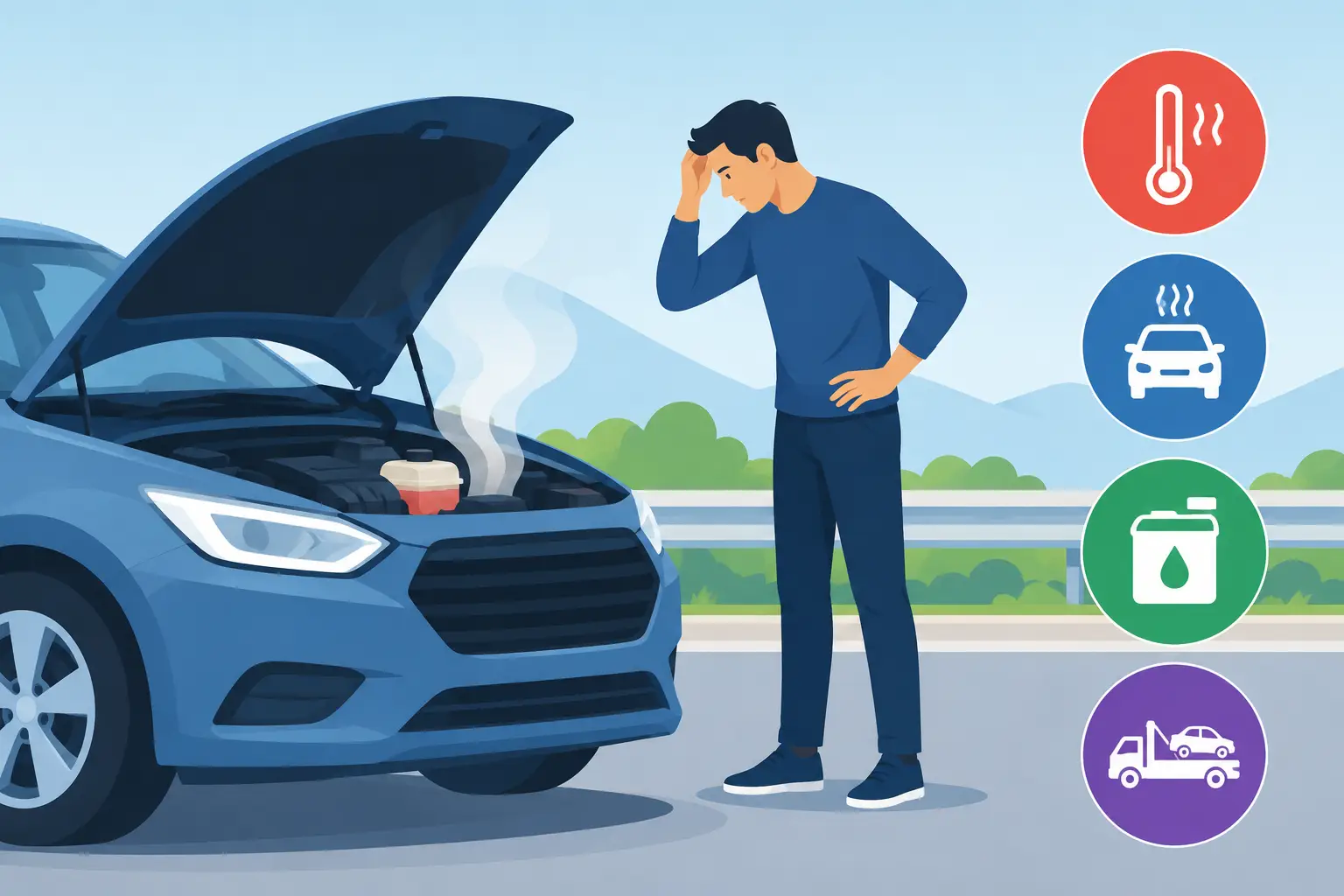
Car overheating can turn a normal drive into engine damage fast. Learn what to do safely, what not to do, and when to call for a tow in Salt Lake Valley.
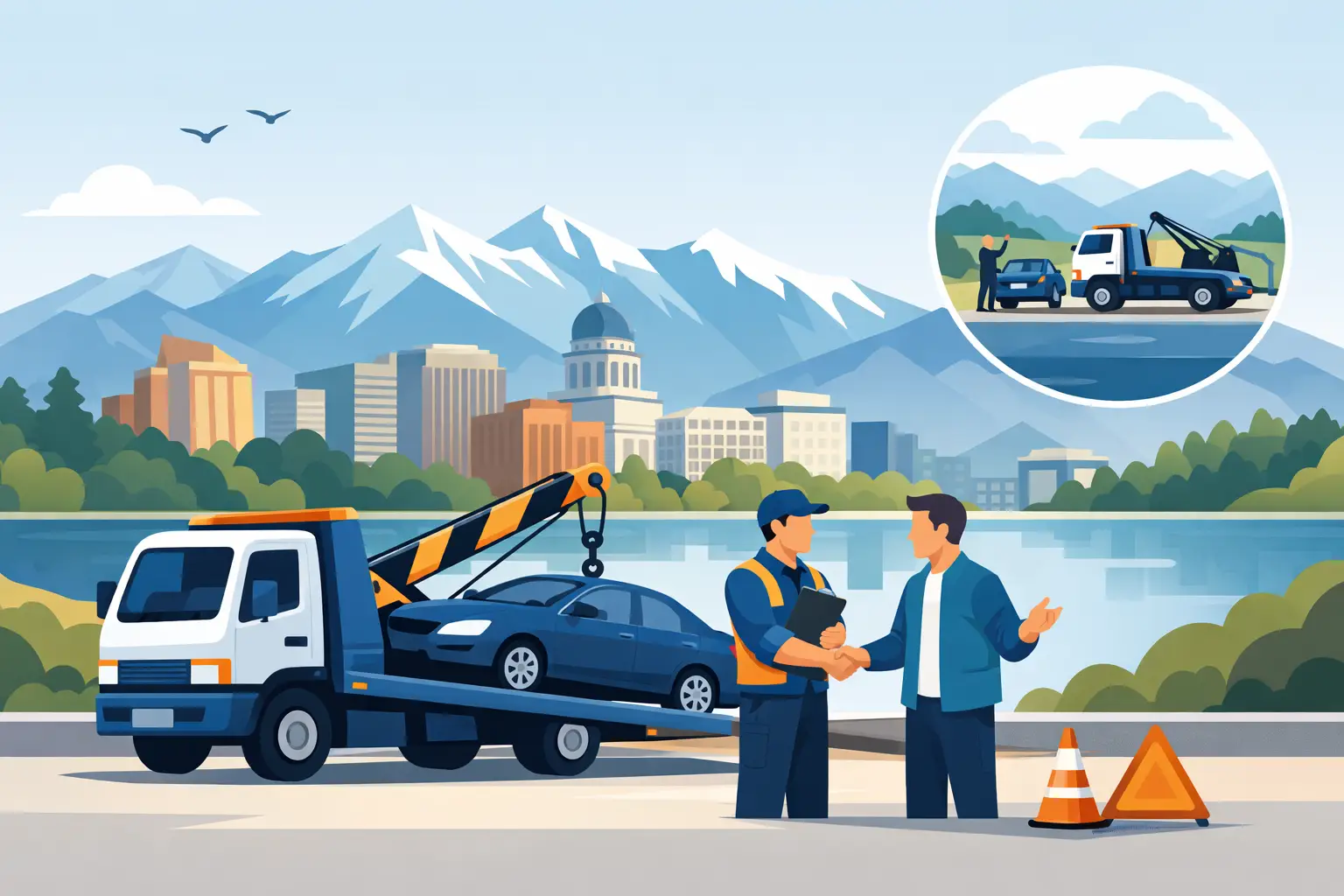
This Salt Lake towing case study shows how fast, affordable 24/7 roadside help gets a stranded commuter safely moving again without extra stress today.