
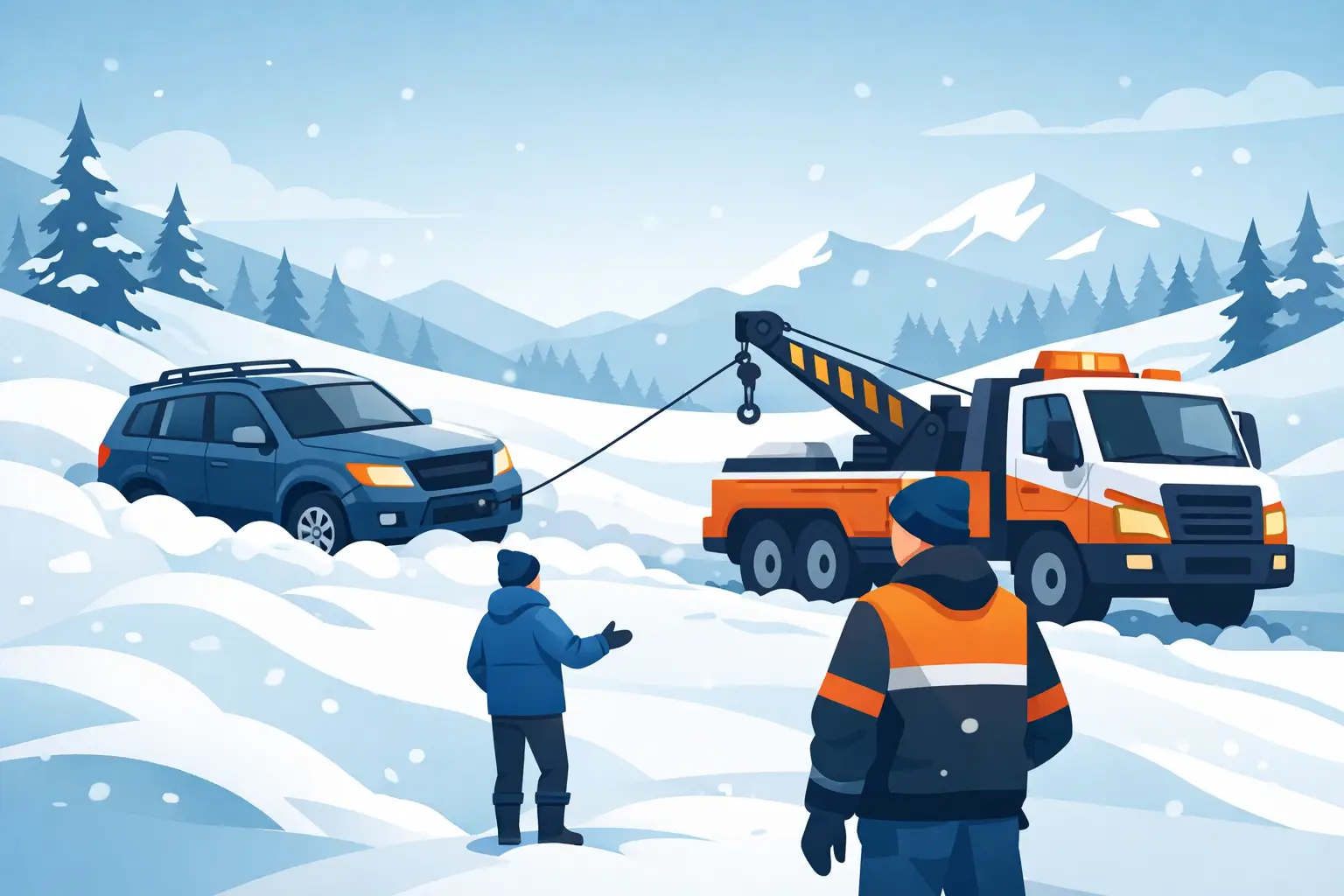
A few inches of packed snow can turn a normal Salt Lake Valley commute into a problem fast. Vehicle recovery from snow is not just about getting moving again. If your tires are spinning, your vehicle has slid into a ditch, or you are stuck behind a plow berm, the wrong move can bury the vehicle deeper, damage the bumper, or put you in traffic.
When you are stranded in winter weather, the goal is simple: stay safe, avoid making the situation worse, and get the right help on the way. A fast recovery can save you from a long wait in the cold, an expensive repair, or a tow that could have been avoided.
Why Snow Makes a Simple Stuck Vehicle Risky
Snow hides what is underneath it. That patch that looks like flat ground may be a deep curb, drainage ditch, icy shoulder, or soft mud covered by fresh powder. Utah roads can also build up hard-packed snow and black ice quickly, especially on bridges, side streets, canyon routes, parking lots, and shaded areas.
Spinning tires is one of the biggest mistakes drivers make. It feels like more gas should get you out, but wheelspin polishes snow into ice and digs the tires down. On front-wheel-drive vehicles, it can also pull the front end toward a curb or snowbank. On rear-wheel-drive trucks and SUVs, it can swing the back end out before you have time to correct it.
A vehicle that is partly off the road needs extra care. Even if it still looks close to the pavement, one wheel may be hanging, the undercarriage may be resting on packed snow, or the vehicle may be leaning toward a ditch. This is where an experienced recovery crew makes a real difference. The job is to recover the vehicle without adding body damage, suspension damage, or tire damage to an already bad day.
What to Do Before Calling for Vehicle Recovery From Snow
First, take a breath and assess whether it is safe to stay where you are. If your vehicle is blocking traffic, sitting on a blind curve, or has been involved in a crash, turn on your hazard lights and move yourself to a safer location if you can do so without walking into traffic. If anyone is injured or the scene is dangerous, call emergency services first.
For a vehicle that is simply stuck in a safe spot, a few careful actions may help. Do not keep pressing the accelerator and hoping for traction. Instead:
- Straighten the steering wheel and gently try to move forward, then backward, without hard acceleration.
- Clear loose snow from around the drive tires and from under the front or rear bumper if it is safe to do so.
- Turn off traction control only if your owner’s manual recommends it for getting unstuck. Turn it back on once you are moving.
- Use sand, cat litter, traction mats, or other safe traction material under the drive tires if you have it available.
Stop trying if the tires keep spinning, the vehicle moves closer to a ditch or obstacle, or you smell something hot. Excessive spinning can overheat components, damage tires, and make a straightforward recovery more difficult. There is no prize for digging a vehicle in deeper.
Do Not Use a Random Rope or Strap
A recovery strap can be useful in the hands of someone who knows the correct attachment points and the limits of the equipment. A rope tied around a bumper, axle, suspension part, or hitch that is not rated for recovery can snap or pull parts off the vehicle. That can turn a snowy inconvenience into a dangerous situation in seconds.
The same goes for asking a passing driver to yank your car out. Their vehicle may not have the traction, weight, or proper equipment to make a controlled pull. If the vehicle is off-road, angled in a ditch, or high-centered, a rushed pull can make the angle worse.
Different Snow Situations Need Different Recovery Plans
Not every stuck car needs a full tow. Sometimes a careful pull, traction support, and a few feet of movement are all it takes. Other times, loading the vehicle onto a tow truck is the safer option. It depends on the location, vehicle position, road conditions, and whether there may be hidden damage.
Stuck in a Driveway, Parking Lot, or Snowbank
This is often the simplest type of recovery, but it can still require care. Packed snow under the vehicle can leave it high-centered, meaning the tires may spin because they are not carrying enough weight. A professional can assess the safest recovery point, use the right equipment, and pull the vehicle out in a controlled direction.
Slid Into a Ditch or Off the Shoulder
A ditch recovery is more serious than it looks from inside the vehicle. The ground may be soft, uneven, or steep beneath the snow. The vehicle may need to be stabilized before it is moved, and the recovery angle matters. Pulling from the wrong direction can damage the body, suspension, steering, or wheels.
Buried Behind a Plow Berm
After a snowplow clears a road or driveway entrance, it can leave a heavy ridge of icy snow behind. Smaller cars are especially likely to get stuck trying to push through it. The bumper or splash shield can catch on packed snow, and aggressive acceleration can do more harm than good. A professional recovery can get the vehicle free without treating the front end like a shovel.
Stuck on an Icy Hill or Apartment Complex Road
Sometimes the vehicle is not deeply stuck, but the road is too slick to safely continue. In that case, recovery may mean getting the vehicle to stable pavement, relocating it to a safer spot, or towing it home. Trying the same icy hill over and over only raises the chance of sliding sideways into another vehicle, a curb, or a fence.
What Professional Snow Recovery Looks Like
A proper recovery starts with a quick assessment of the scene. The technician checks the vehicle’s position, the snow depth, traffic conditions, available anchor points, and the safest direction to move. That assessment matters because a vehicle that looks lightly stuck can have a wheel wedged against a curb or a front end resting on hidden ice.
From there, the crew chooses equipment based on the job. That may include a winch, recovery straps rated for the task, wheel-lift equipment, dollies, or a flatbed tow truck. The objective is not to drag the vehicle as hard as possible. It is to move it steadily, protect the vehicle, and get it somewhere safe.
Munnster Towing provides 24/7 vehicle recovery and towing support for drivers across the Salt Lake Valley, including West Jordan, West Valley, Taylorsville, Draper, and surrounding areas. When snow leaves you stuck, a quick call for help can be cheaper than repairing a damaged bumper, wheel, or suspension component after an improvised pull.
What to Tell the Dispatcher
Clear details help the right truck arrive prepared. Give your exact location or the nearest cross streets, the make and model of your vehicle, and a short description of what happened. Mention whether you are in a ditch, blocked by a snowbank, high-centered, on a steep hill, or involved in an accident.
Let the dispatcher know if the vehicle is all-wheel drive, four-wheel drive, electric, lowered, oversized, or carrying passengers. Also mention any visible damage, flat tires, or whether the vehicle can roll and steer. You do not need to diagnose the problem. Just describe what you can see and where the vehicle is sitting.
If you are waiting near traffic, stay visible. Keep hazards on when appropriate, remain inside the vehicle if it is safe, and avoid standing behind or downhill from a stuck vehicle. Snow and ice can make even a parked vehicle shift unexpectedly.
After Your Vehicle Is Free
Before driving away, take a quick look around the vehicle. Check that the tires are inflated, the steering feels normal, and there are no warning lights. If the vehicle struck a curb, dropped into a ditch, or was pulled from a deep snowbank, listen for unusual noises and watch for pulling or vibration once you are moving.
You may be able to continue driving, but do not assume everything is fine just because the vehicle is back on pavement. A careful tow to a safer location or repair shop may be the smarter move when there is any question about damage.
Winter driving already asks enough from you. If snow has your vehicle stuck, sideways, or off the road, skip the risky guesswork and get help before a small problem turns into a bigger one.
continue reading
Related Posts
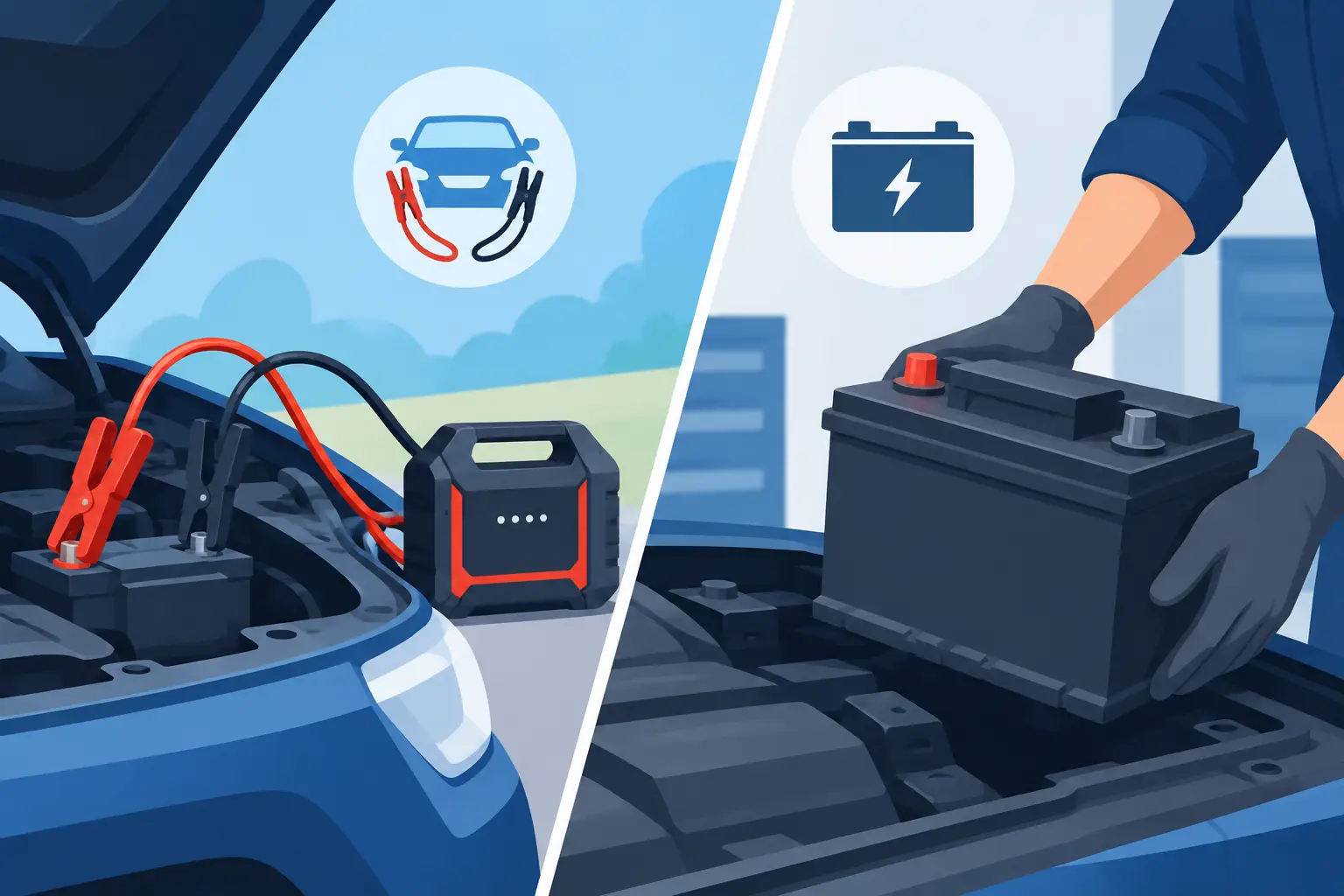
Dead battery? Compare jumpstart versus battery replacement, spot failure signs, and know when to call for quick, affordable roadside help in Utah today.
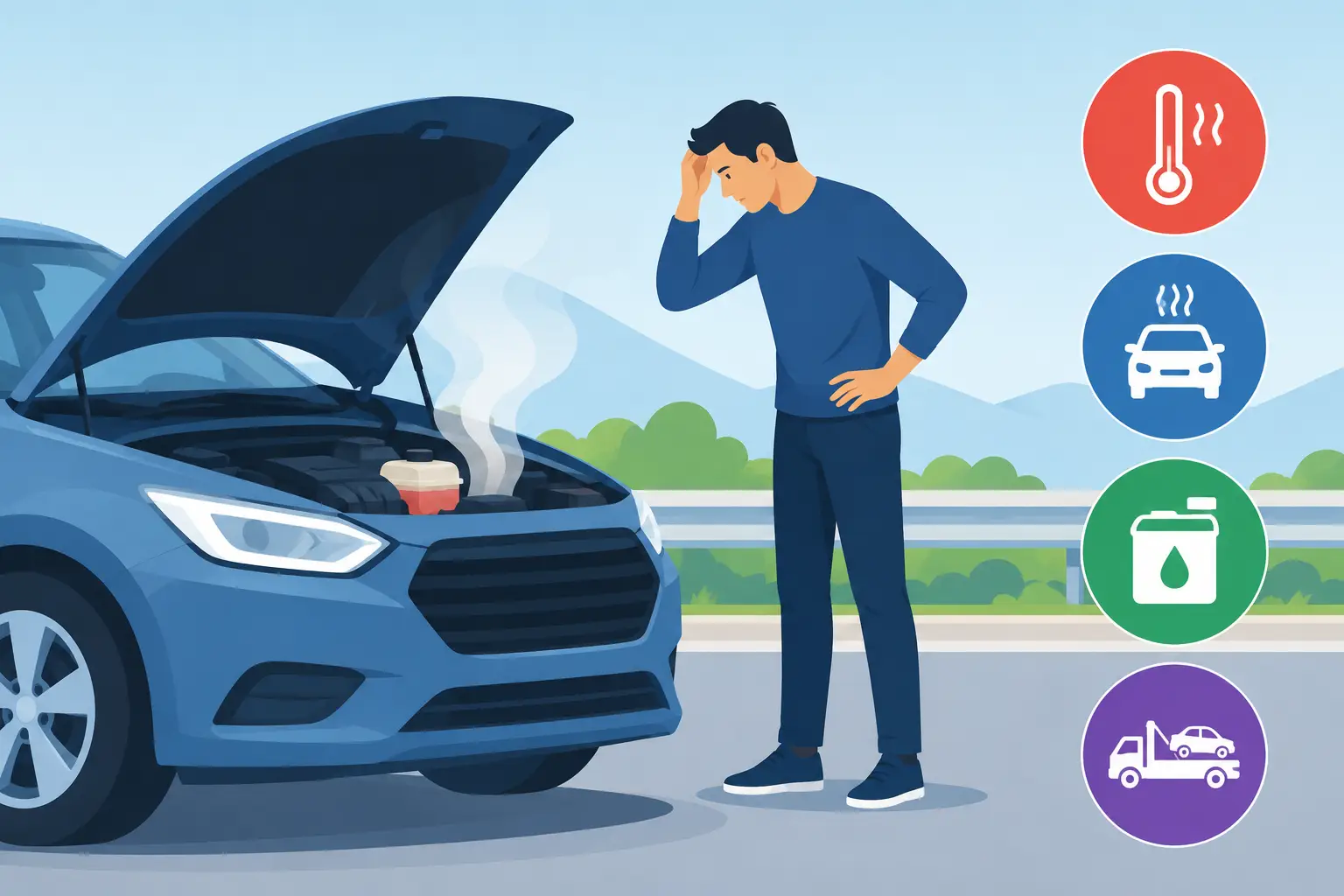
Car overheating can turn a normal drive into engine damage fast. Learn what to do safely, what not to do, and when to call for a tow in Salt Lake Valley.
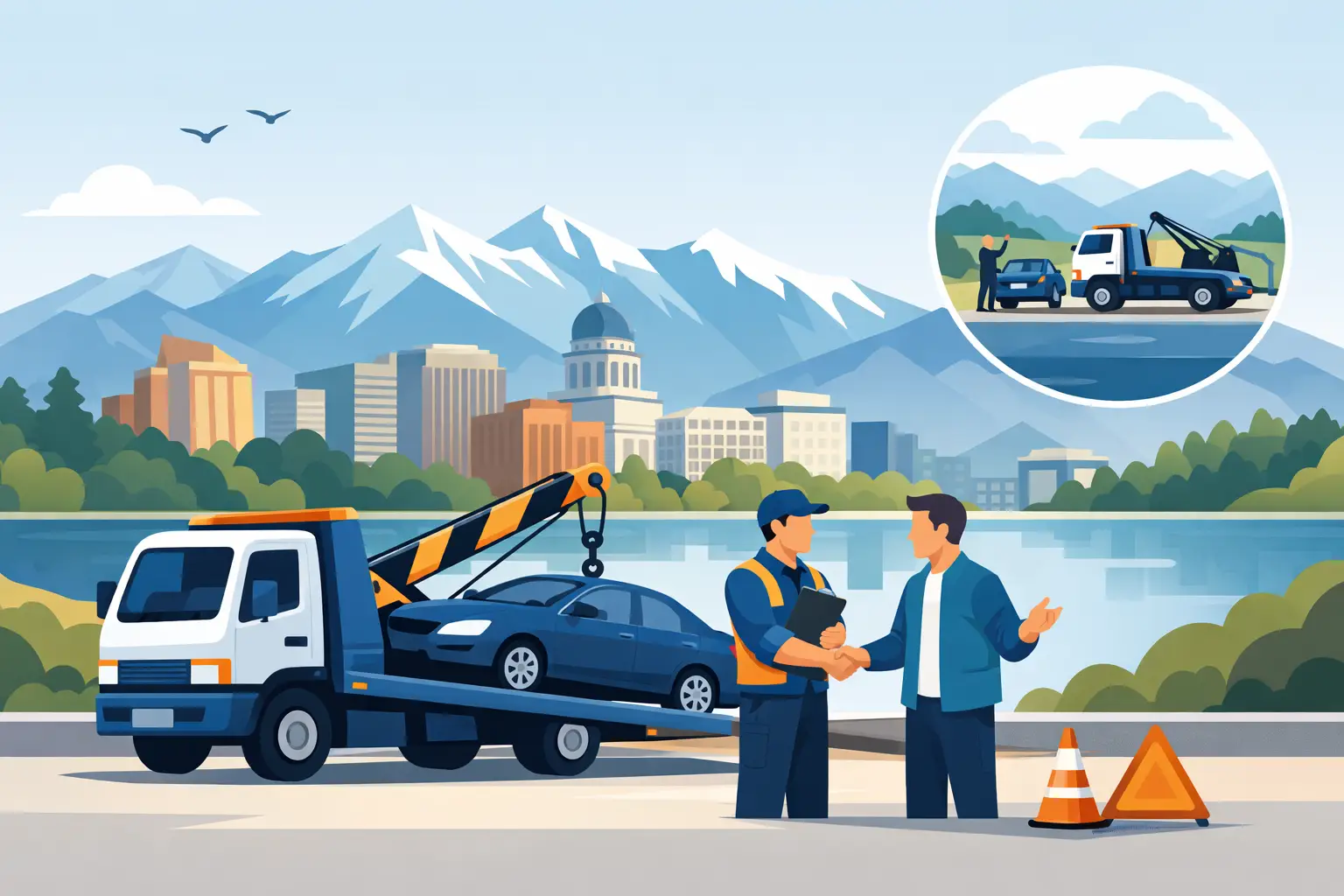
This Salt Lake towing case study shows how fast, affordable 24/7 roadside help gets a stranded commuter safely moving again without extra stress today.