
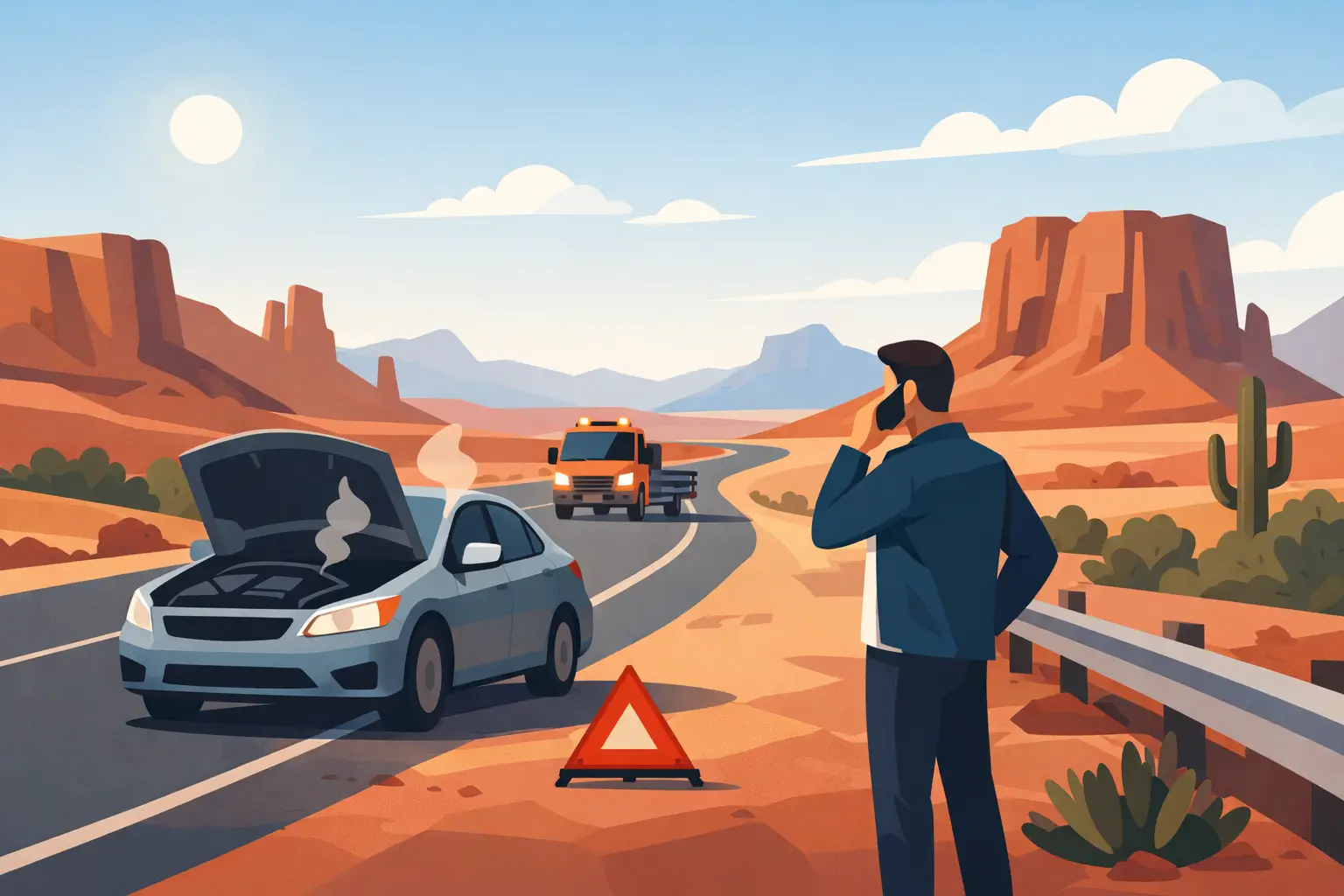
A breakdown can turn a normal drive home on I-15, a school pickup in West Jordan, or a late shift in Salt Lake City into a stressful stop fast. Knowing what to do after a breakdown gives you a better chance of staying safe, getting help quickly, and avoiding a bad situation getting worse.
The goal is not to diagnose every engine noise from the shoulder. Your job is to protect yourself, make your vehicle visible, and get the right kind of help moving your way.
What to Do After a Breakdown: Get Out of Traffic First
If the vehicle is still moving, stay calm and focus on getting to the safest nearby spot. Turn on your hazard lights right away, ease off the gas, and steer toward a shoulder, parking lot, side street, or other area away from active traffic. Avoid hard braking or sharp steering unless there is an immediate danger.
On a busy freeway or a narrow road, a few extra feet can make a major difference. If you can reach an exit or a safer pull-off without damaging the vehicle or creating more risk, do it. But if the car is overheating, the steering feels unsafe, a tire has blown out, or you smell smoke, pull over as soon as it is reasonably safe.
Once you stop, put the vehicle in park and set the parking brake. Keep your hazards on. At night, during snow, or in poor weather, visibility matters even more. Other drivers may not see a stopped vehicle until the last second.
Decide Whether to Stay Inside or Move Away
It depends on where you are. If your vehicle is safely off the road and you are in a well-lit, secure area, staying inside with the doors locked is often the smart move while you wait for roadside assistance. This is especially true along high-speed roads, where standing outside near traffic is dangerous.
If you are stopped in an unsafe location and can exit away from traffic, move to a protected spot well away from the travel lanes. Never stand between your vehicle and oncoming traffic. Do not walk along a freeway looking for help, and do not try to push a disabled car through traffic unless emergency personnel direct you to do so.
If there is smoke, flames, a fuel leak, or a crash with injuries, get away from the vehicle and call 911. A tow truck is the right answer for many roadside problems, but an active emergency comes first.
Make Your Location Easy to Find
Fast help starts with a clear location. Look for cross streets, highway mile markers, exit numbers, nearby stores, apartment complexes, or recognizable landmarks. A pin from your phone’s map can help, but it is even better to describe which direction you are traveling and where the vehicle sits.
For example, “northbound I-15 near the 5300 South exit, on the right shoulder” is far more useful than “somewhere on I-15.” If you are in a parking lot, share the business name and the part of the lot where you are parked.
When you call for service, be ready to explain the vehicle’s make, model, color, and the issue you are having. Let the dispatcher know whether you need a tow, a jumpstart, a tire change, fuel delivery, lockout help, or recovery after a crash or off-road incident. The right details help send the right equipment without wasting time.
Do Not Turn a Small Problem Into a Bigger One
It is tempting to keep trying when the car will not start or a warning light appears. Sometimes that makes the repair bill worse.
If the temperature gauge is high, steam is coming from under the hood, or you smell something sweet and hot, shut the engine off. Do not open a hot radiator cap. An overheating engine may need time to cool and could require a tow rather than another attempt to drive it.
If you have a flat tire, only attempt a tire change if you are fully away from traffic, on stable ground, and comfortable using the proper equipment. A tire change on a steep shoulder, in rain, or beside freeway traffic is not worth the risk. Roadside tire service is there for exactly that reason.
For a dead battery, a jumpstart can be quick, but only if the battery is the real problem. Loose cables, corrosion, alternator trouble, or a battery that will not hold a charge can leave you stranded again five minutes later. If you are unsure, get professional roadside help instead of guessing under the hood.
Use Your Phone Wisely While You Wait
Call for help before the battery on your phone becomes a problem. Then keep the line open and conserve power by lowering screen brightness, closing unused apps, and avoiding streaming or long calls. If conditions are cold, keep your phone close to your body because low temperatures drain batteries fast.
You can contact a trusted person to let them know where you are, but avoid posting your exact location publicly. If you are waiting alone, keep doors locked and only lower the window enough to speak with someone who has arrived to help.
Be cautious with strangers who offer a tow or repair. A good Samaritan may genuinely want to help, but you do not have to accept service you did not request. Confirm the company and vehicle before allowing anyone to hook up your car. Your safety and your vehicle both matter.
Match the Help to the Breakdown
Not every roadside problem needs a full tow. If you ran out of gas, fuel delivery may get you moving again. If you locked your keys inside, lockout service can save you from breaking a window or damaging a door. A flat may only need a spare installed, while a damaged wheel, multiple flat tires, or missing spare calls for towing.
A tow is usually the safest choice when the engine will not run, the transmission is acting up, the car has overheated, warning lights indicate a serious issue, or you were involved in an accident. It is also the right move when the vehicle cannot be driven without risking further damage. Saving a few minutes by forcing the car to move can cost far more than getting it transported properly.
For drivers across the Salt Lake Valley, Munnster Towing provides 24/7 towing and roadside assistance for the problems that do not wait for convenient hours. Whether you need a fast jumpstart in Draper, a lockout service in Taylorsville, fuel delivery in West Valley, or a careful tow after a breakdown, asking for help early is usually the cheapest, safest call.
If You Are Stranded in Utah Weather
Utah weather can make an ordinary breakdown more urgent. Summer heat can turn a disabled vehicle into an uncomfortable and unsafe place quickly, especially for kids, older passengers, or pets. Move to shade when it is safe to do so, keep water available, and get assistance on the way instead of waiting to see whether the vehicle starts later.
Winter brings a different set of problems. Snow, ice, and cold temperatures can reduce visibility, weaken batteries, and make shoulders slick. Keep blankets, warm layers, a flashlight, water, and a phone charger in the vehicle during colder months. If your car is stuck in snow, avoid spinning the tires aggressively. That can dig the vehicle in deeper or damage components.
If you must run the engine for warmth while waiting, make sure the exhaust pipe is clear of snow and debris. Carbon monoxide can build up quickly when exhaust is blocked. When in doubt, prioritize getting out of the weather safely and calling for assistance.
After the Vehicle Is Moving Again
Once the immediate problem is handled, do not forget the reason you stopped. A jumpstarted car may need a battery test. A flat tire may have a puncture that requires repair or replacement. An overheating vehicle needs an inspection before you trust it on another long drive.
Take a photo of any warning lights, leaking fluid, tire damage, or accident damage if it is safe to do so. Those details can help a mechanic identify the problem later. If the vehicle was towed, make sure you know where it is being taken and keep any keys, personal items, insurance information, and important medications with you.
A breakdown is frustrating, but you do not have to solve it from the side of the road. Get visible, get safe, share your location clearly, and call for the help that fits the problem. The sooner you make that call, the sooner a bad stop becomes one less thing on your day.
continue reading
Related Posts
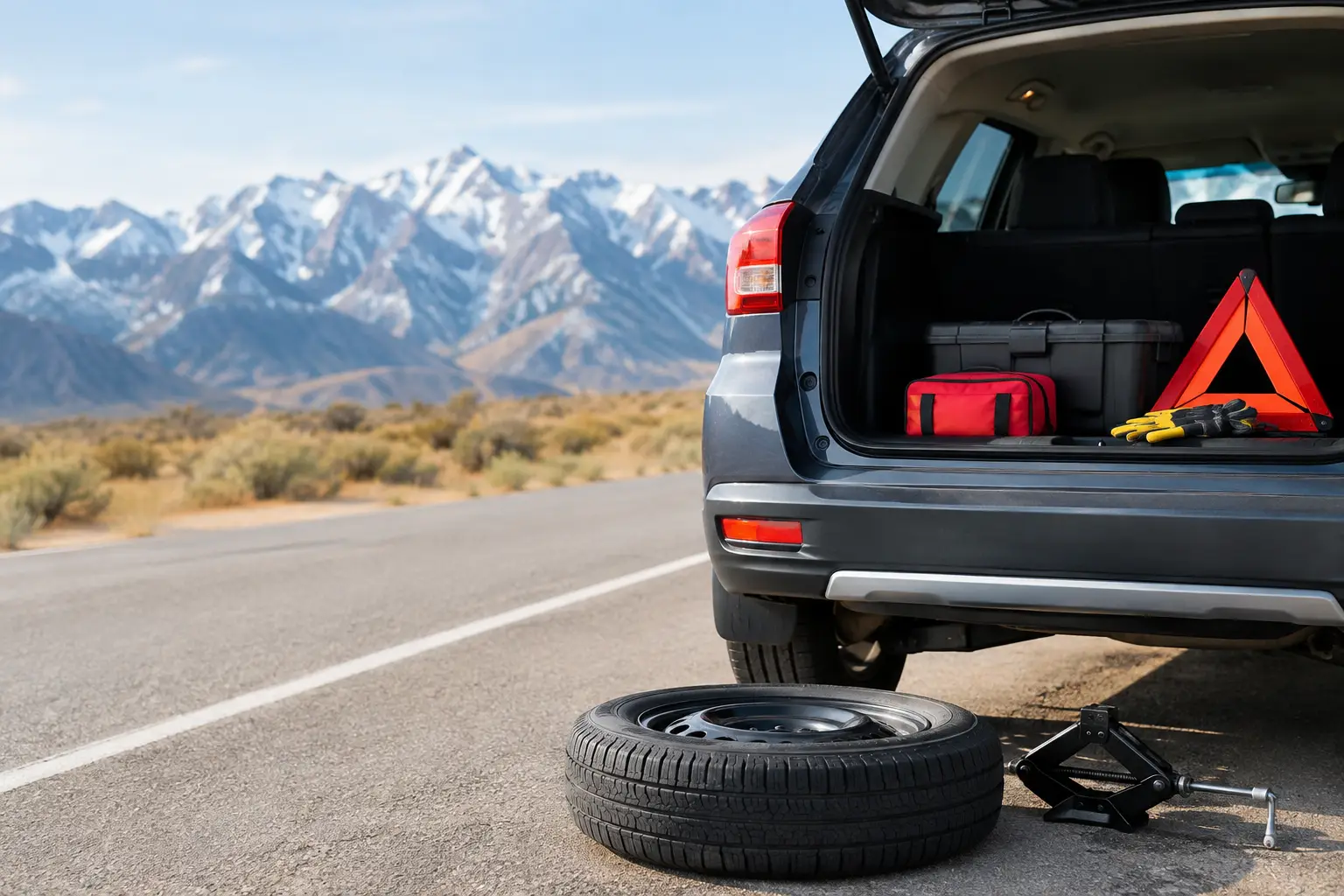
Roadside emergency essentials help Utah drivers stay safer during breakdowns, flat tires, lockouts, and winter trouble. Build a car kit that works well.
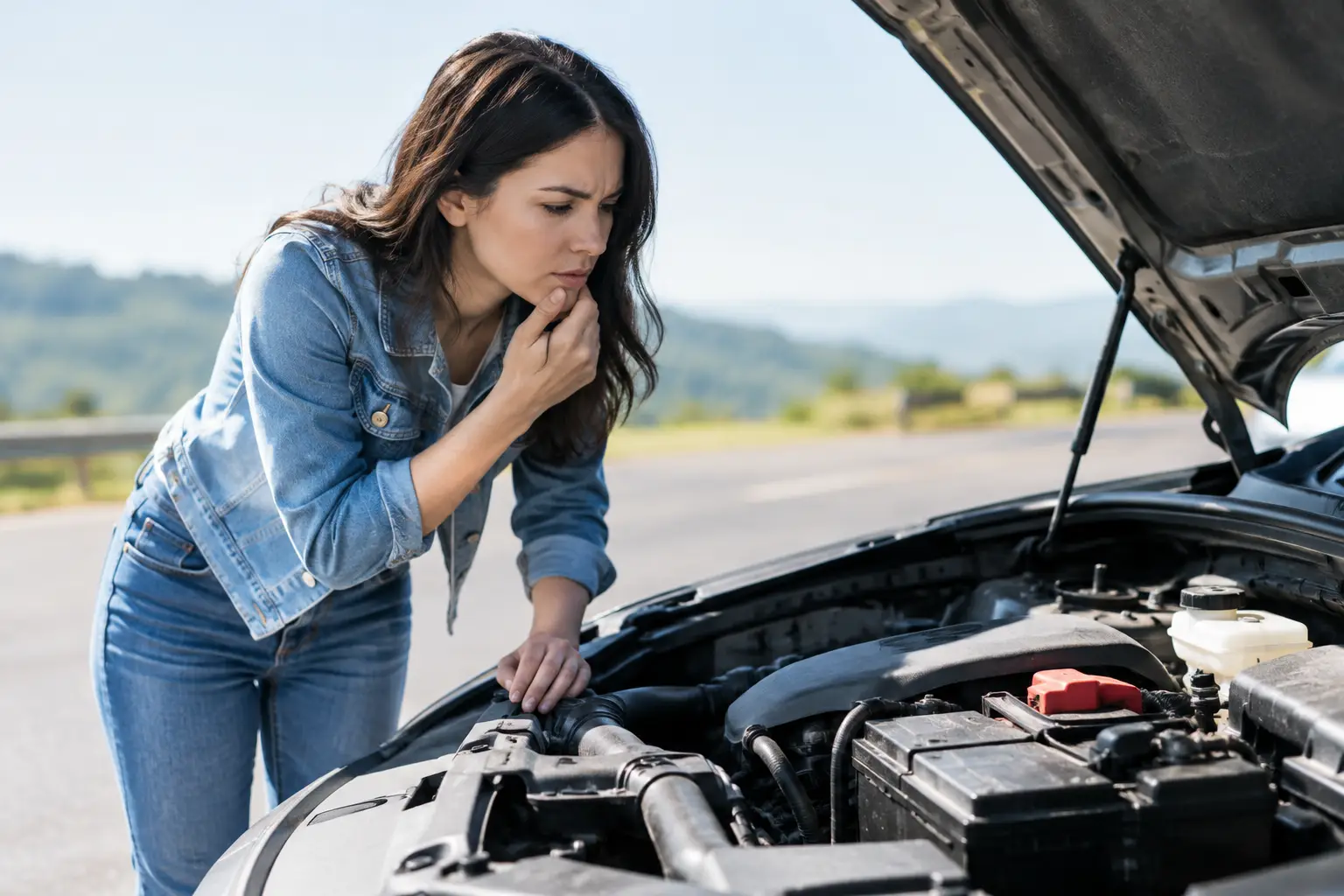
Learn how to identify battery failure before a no-start turns into a roadside problem. Spot warning signs, test safely, and know when to call for help.
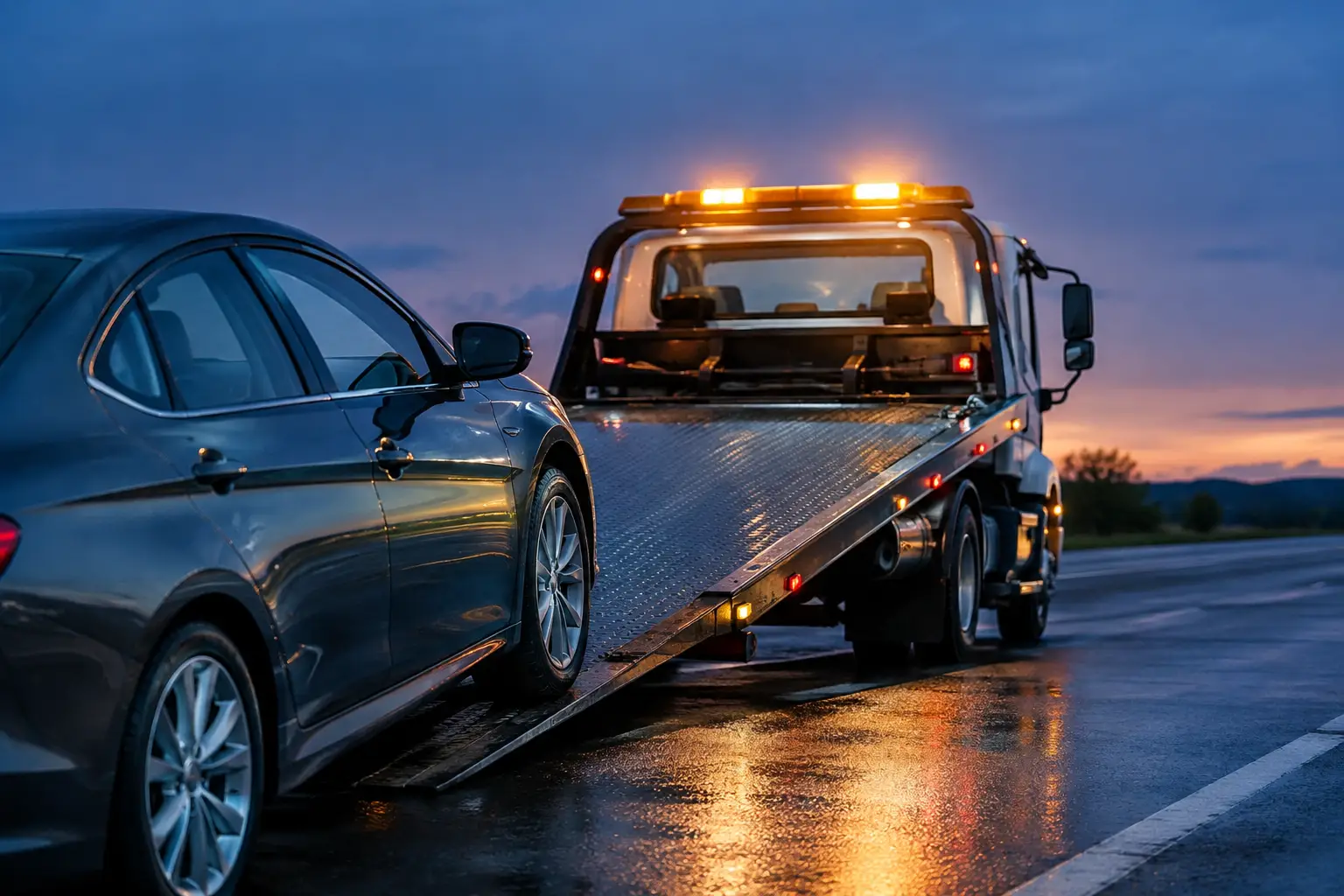
Need overnight tow truck availability in Salt Lake Valley? Get fast, affordable help for breakdowns, lockouts, dead batteries, accidents, and more tonight.