
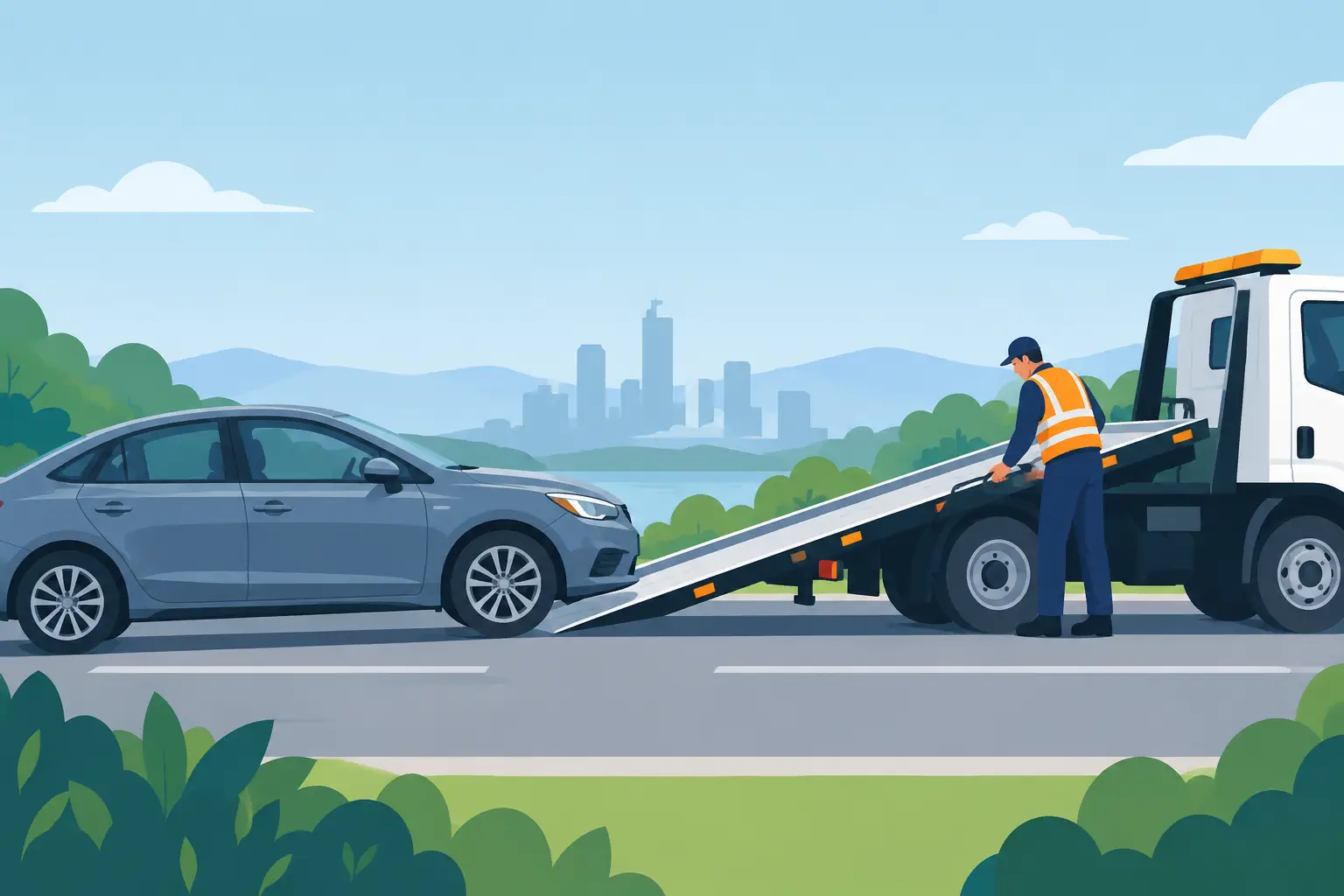
A normal tow is one thing. Vehicle recovery is what you need when your car is stuck, damaged, off the road, or positioned where a standard tow truck cannot simply pull up and load it. After a crash, a slide into a ditch, or an off-road mishap, the right next move is not guessing. Get yourself to a safe spot, call for help, and let trained recovery technicians handle the vehicle.
What Vehicle Recovery Means
Vehicle recovery is the controlled process of getting a disabled vehicle out of a difficult location so it can be safely transported or moved to a better position. That might mean pulling a car from a snowy shoulder, winching an SUV out of mud, recovering a vehicle from a ditch, or carefully removing a damaged car after an accident.
The goal is not just to get the vehicle moving. It is to do it without making a stressful situation worse. A rushed pull from the wrong angle can damage suspension parts, bumpers, underbody panels, tires, or the drivetrain. If the vehicle is damaged, sitting at an awkward angle, or stuck near traffic, careful setup matters more than brute force.
Recovery work often requires more planning than a basic tow. The technician has to assess the ground, the vehicle’s condition, nearby hazards, available anchor points, and the safest route out. Sometimes the recovery is quick. Sometimes it takes extra equipment, traffic coordination, or a second truck. The right approach depends on where the vehicle is and what happened to it.
When to Call for Vehicle Recovery Instead of a Tow
If your car is parked safely on level pavement and will not start, a standard tow may be all you need. But call for vehicle recovery when the vehicle cannot be accessed or loaded normally.
Common recovery situations include a vehicle that has slid into a ditch, crossed a curb, gotten high-centered on a median, sunk into mud or sand, or gone off a snowy road. Accident scenes can also require recovery when the wheels are damaged, the car is facing the wrong direction, or debris and impact damage make it unsafe to drive or roll.
Off-road situations deserve special care. A truck or SUV may look like it only needs a quick tug, but hidden rocks, steep grades, loose soil, and limited room can turn a simple pull into an expensive problem. Recovery professionals use the right connection points and controlled winching techniques instead of wrapping a chain around whatever looks convenient.
There is also a safety line that should not be crossed. If your vehicle is partly in traffic, near a blind curve, on a steep embankment, or close to water, do not try to solve it with a friend’s pickup truck. Call for help immediately. Saving a few minutes is not worth putting more people in danger.
What to Do While You Wait for Help
Your first job is protecting people, not the car. If the vehicle is in a dangerous location and you can safely exit, move away from traffic and stand well clear of the roadway. Turn on hazard lights if they work. At night or during poor visibility, use a flashlight or reflective gear if you have it.
Call 911 first if anyone is injured, there is a fire risk, fuel is leaking, the crash blocks traffic, or the vehicle is in a dangerous position. Emergency responders can secure the scene before recovery begins.
When you call for roadside help, provide a clear location. Road names, mile markers, a nearby business, the direction of travel, and landmarks all help dispatch send the right truck faster. Tell the dispatcher whether the vehicle is in a ditch, on a trail, in mud, on an embankment, or damaged after a collision. Mention if it is all-wheel drive, four-wheel drive, electric, oversized, or carrying a trailer.
Take a few photos if it is safe to do so, especially after an accident. They can help document the scene and give the recovery team a better idea of what they are walking into. Then keep your distance. Do not stand near a taut winch line, attempt to push the vehicle on unstable ground, or crawl underneath it to inspect damage.
How a Careful Recovery Protects Your Vehicle
Good recovery starts with an assessment, not a hard pull. A technician checks whether the vehicle is stable, where it can be safely connected, and whether its wheels, steering, and suspension can support movement. They also look at the slope, surface condition, and surrounding traffic.
Winching is often the right solution for a car that is stuck or inaccessible. It gives the operator more control than simply pulling forward with a tow truck. The vehicle can be moved gradually, guided around obstacles, and brought back to level ground before being loaded.
The equipment matters, but experience matters just as much. Different vehicles have different recovery points, clearance limits, and towing requirements. An all-wheel-drive vehicle, for example, may need to be loaded on a flatbed rather than towed with two wheels on the ground. A vehicle with crash damage may require special handling because the wheels do not turn or body panels are rubbing against the tires.
This is why improvised recovery can get expensive fast. A tow strap connected to a bumper, axle component, or random suspension part can bend or tear parts that were not designed to carry recovery loads. The cheapest choice is not always the one that costs the least. Getting it handled correctly the first time can prevent a minor stuck-car problem from becoming a major repair bill.
Recovery After an Accident
After a collision, even a vehicle that looks drivable may not be safe to move under its own power. A damaged tire, leaking fluid, bent wheel, deployed airbag, or broken steering component can change the situation quickly. If the car is blocking traffic or sitting in an unsafe location, recovery and towing should be handled promptly.
Do not restart a vehicle if you smell fuel, see smoke, or notice fluid pouring underneath. Avoid moving it if the bumper, wheel, or underbody is dragging. Let the recovery operator know about any impact damage and whether police or emergency personnel have given instructions at the scene.
For accident recovery, speed still matters, but care matters more. The priority is clearing the roadway safely, preventing additional damage, and getting your vehicle where it needs to go. That may be a repair facility, your home, or another location you choose.
Salt Lake Valley Conditions That Make Recovery Tougher
Local roads can create recovery problems without much warning. Winter ice can send a vehicle off a shoulder in seconds. Heavy snow can hide ditches, curbs, and drop-offs. Summer heat can leave drivers stranded on remote stretches of road after a breakdown, while mountain access roads and unpaved areas can become slick or rutted after rain.
The best time to request help is before the situation gets worse. If your tires are spinning, stop pressing the accelerator. Spinning can dig the vehicle deeper into snow, mud, or loose gravel. If you have slipped off the pavement but the vehicle feels unstable, stay put unless remaining inside creates a greater danger.
A fast response is especially valuable when you are commuting, carrying kids, working late, or stuck somewhere with limited visibility. You do not need a lecture about what should have happened. You need a capable truck, an experienced operator, and a practical plan to get you moving again.
What Affects Vehicle Recovery Cost
Recovery pricing depends on the details. A simple winch-out from a shallow ditch is different from an accident recovery on a steep slope or a vehicle far off a paved road. Distance, vehicle size, time of day, equipment needed, access conditions, and the amount of labor all affect the final cost.
The useful question is not just, “What is the cheapest tow?” It is, “What service gets my vehicle out safely without adding damage or leaving me waiting for hours?” Ask for clear information about the recovery and transport plan so you know what to expect.
Munnster Towing provides 24/7 recovery help for drivers who need fast, affordable assistance in the Salt Lake Valley. If your vehicle is stuck, damaged, or sitting somewhere it should not be, request help now and give the dispatcher the clearest location details you can. The sooner the right recovery truck is on the way, the sooner you can get out of the danger zone and deal with the rest on solid ground.
continue reading
Related Posts
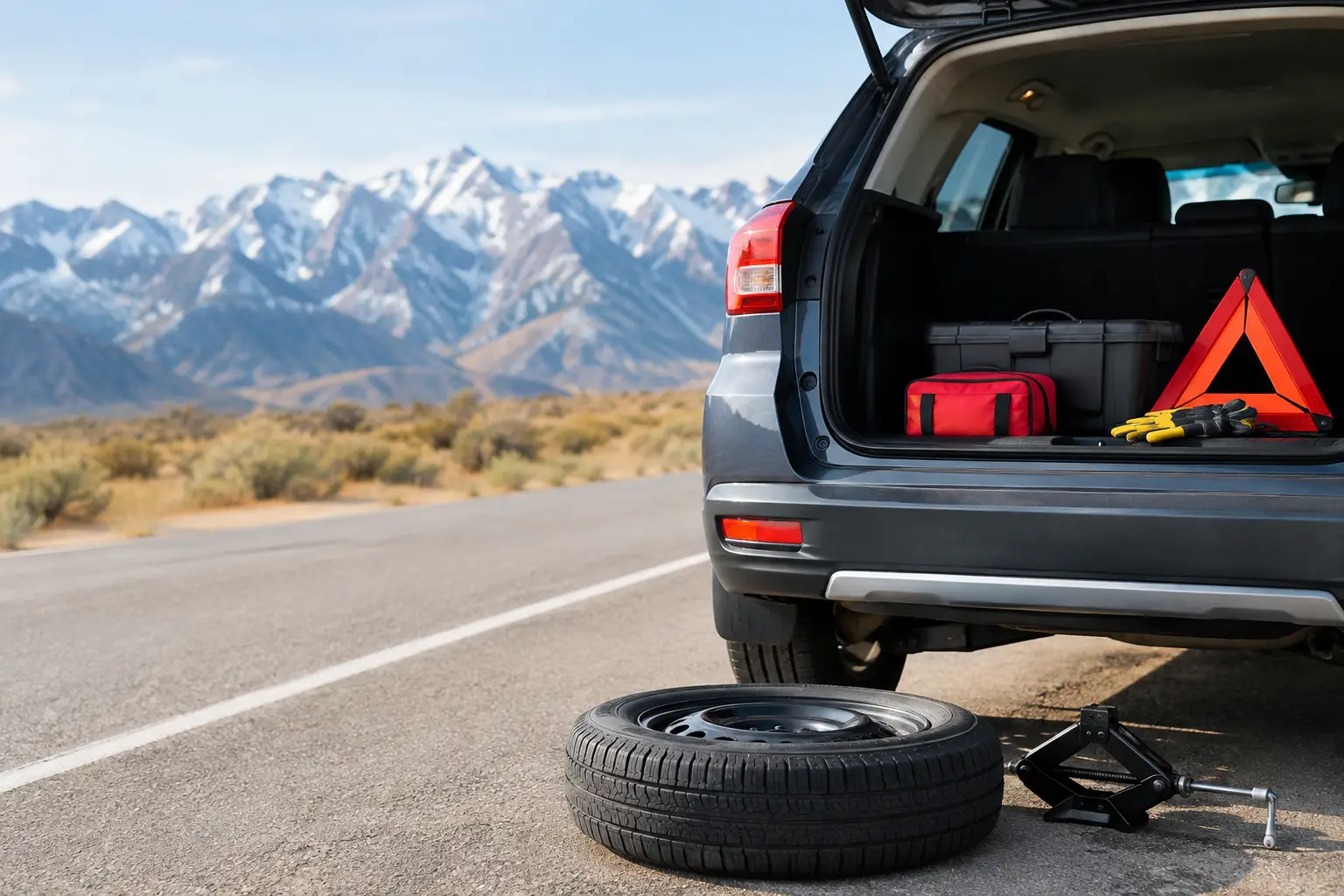
Roadside emergency essentials help Utah drivers stay safer during breakdowns, flat tires, lockouts, and winter trouble. Build a car kit that works well.
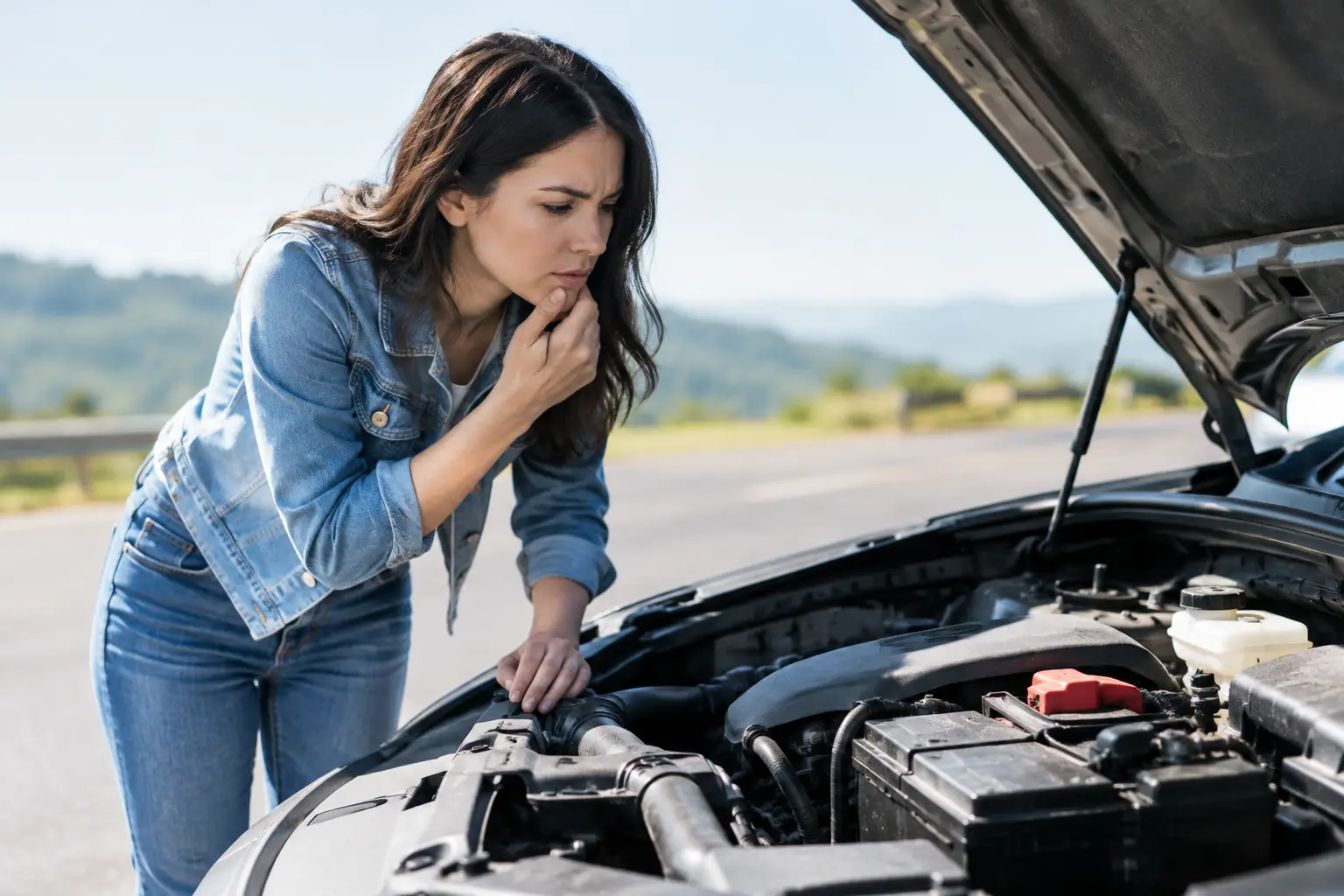
Learn how to identify battery failure before a no-start turns into a roadside problem. Spot warning signs, test safely, and know when to call for help.
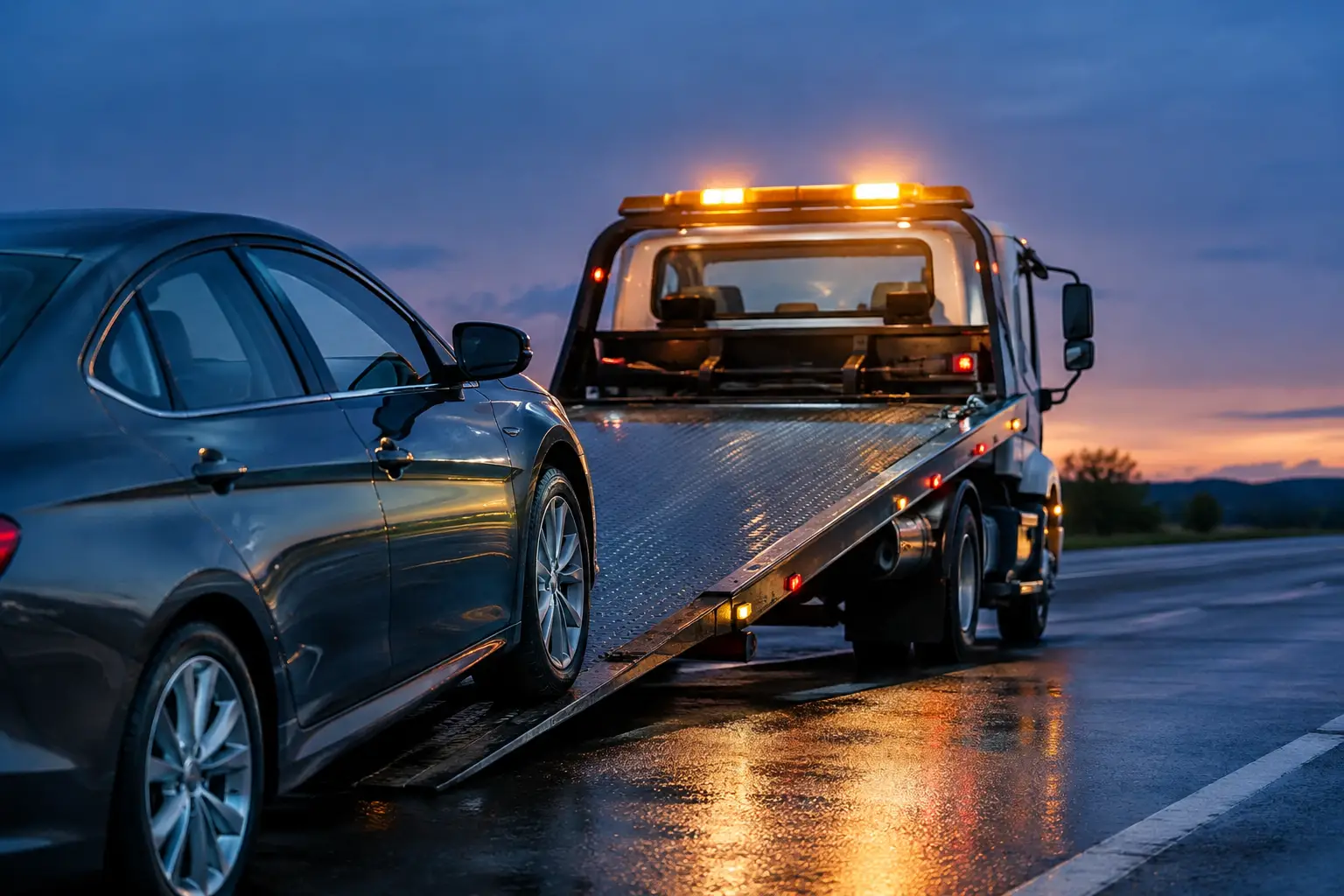
Need overnight tow truck availability in Salt Lake Valley? Get fast, affordable help for breakdowns, lockouts, dead batteries, accidents, and more tonight.