
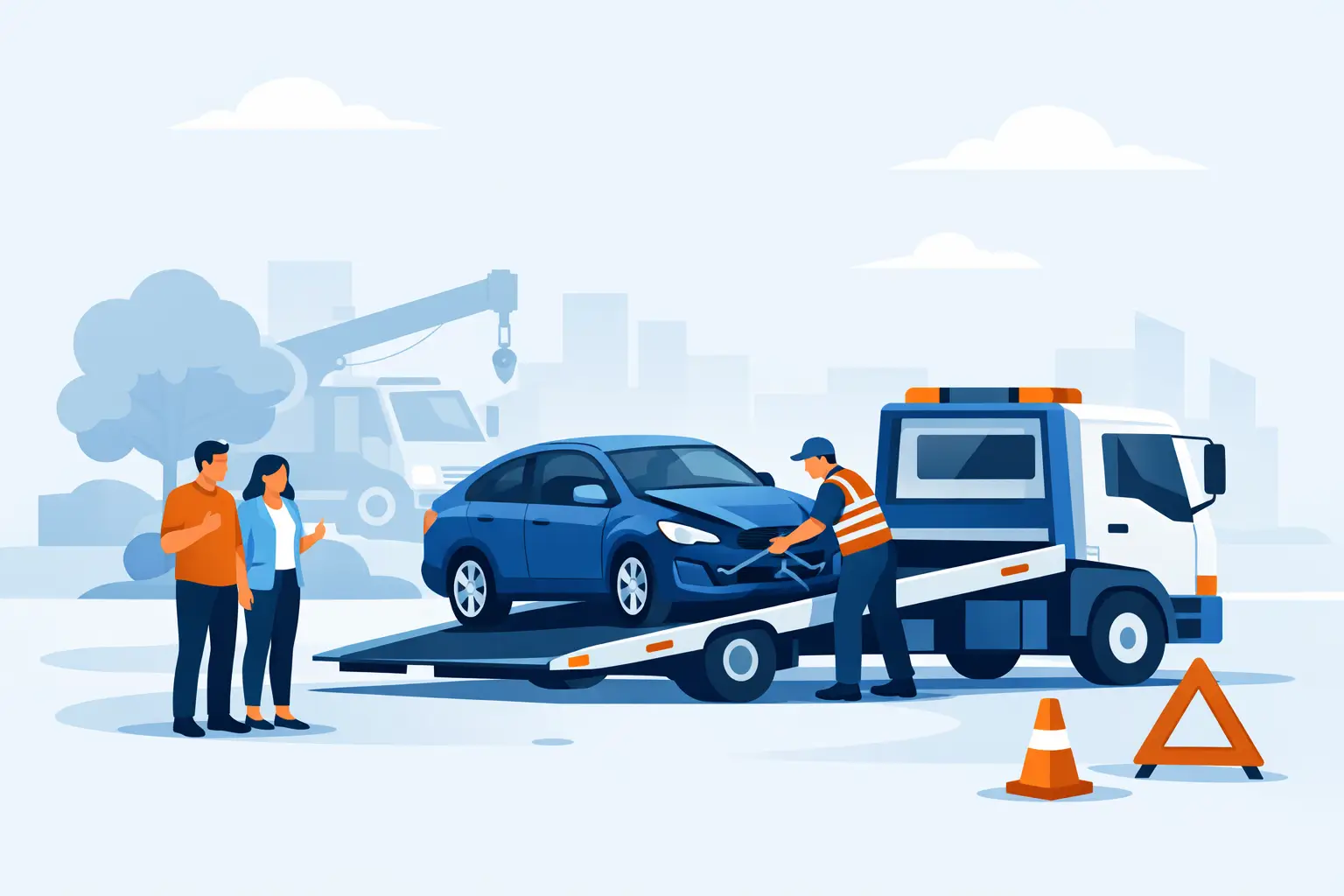
The crash happened fast. Now traffic is stacking up, your car may not move, and you need towing after a car accident without making a stressful situation more expensive. Your first job is not figuring out the repair bill. It is getting yourself, your passengers, and everyone around the scene to a safer place.
A reliable tow can protect a damaged vehicle from further harm, clear it from a dangerous roadside, and get it where it needs to go. But the details matter. Here is what to do before the tow truck arrives, what to tell the dispatcher, and how to avoid common mistakes when every minute feels long.
1. Get out of immediate danger
If the vehicle can be moved safely and local authorities have not told you to leave it in place, pull it out of traffic and into a safe nearby location. Turn on your hazard lights. If you have cones, flares, or reflective triangles and can set them out without stepping into traffic, use them.
On a busy Salt Lake Valley road, freeway shoulder, canyon route, or dark side street, staying inside a damaged vehicle is not always the safest choice. If there is smoke, leaking fluid, a fuel smell, fire risk, or traffic passing close by, move away from the vehicle and stand in a protected area. Do not stand directly in front of or behind the car.
Call 911 if anyone is injured, vehicles are blocking traffic, there is a suspected DUI, or the crash creates a hazard. Follow the instructions of law enforcement and first responders. They control the scene, and they may direct where your vehicle can be moved.
2. Document the scene before your vehicle is towed
Once everyone is safe, take clear photos and short videos if you can do so safely. Photograph the damage to every vehicle, the license plates, the road conditions, nearby signs, debris, skid marks, and the positions of the cars. A wide photo of the full scene can be just as useful as close-up damage shots.
Exchange insurance and contact information with the other driver. If witnesses stopped, ask for their names and phone numbers. Keep your comments factual. You do not need to decide who caused the accident on the shoulder of the road.
Before the tow begins, take a few more photos of your vehicle. Get the wheels, bumpers, glass, roof, and any existing damage in the frame. This gives you a record of the vehicle’s condition before it is loaded.
3. Know when towing is the right call
Some accident damage is obvious. A broken wheel, deployed airbags, crushed bumper, leaking fluid, bent suspension, or a car that will not start are clear reasons to call for a tow. Other damage can be less visible.
Do not drive away just because the car still turns on. A hard impact can damage steering, brakes, suspension components, tires, radiators, sensors, or the frame. A loose panel can come off at road speed. A small coolant or oil leak can turn into major engine damage.
If the car pulls sharply, makes grinding noises, has a warning light, has a flat or damaged tire, or has fluid beneath it, towing is usually the safer and cheaper move. Paying for a tow is a lot better than risking another crash or turning a repairable issue into a bigger one.
Towing After a Car Accident Without More Damage
Not every tow method fits every vehicle. For many accident-damaged cars, all-wheel-drive vehicles, low-clearance cars, luxury vehicles, and vehicles with wheel or suspension damage, a flatbed tow is often the best option. The vehicle is loaded fully onto the truck instead of being pulled with two wheels on the road.
That said, the correct method depends on the vehicle’s condition, drivetrain, and damage location. Tell the dispatcher if a wheel is bent, missing, locked, or turned at an odd angle. Mention if the car is in a ditch, against a guardrail, in a parking garage, or off the road. This helps the towing company send the right equipment instead of showing up with a truck that cannot safely complete the recovery.
If you drive an electric or hybrid vehicle, say so right away. Damaged high-voltage systems require extra care. Do not attempt to move, charge, or jumpstart an EV that has been heavily damaged, is smoking, is making unusual sounds, or has a damaged battery area.
4. Decide where the vehicle should go
You generally have three practical choices: your home, a repair shop, or an impound or storage lot if authorities require it. If you already know which body shop or mechanic you trust, having the vehicle towed there can save time and eliminate a second tow later.
Before choosing a shop, check whether your insurer has a preferred repair network and whether your vehicle is safe to store at home. A car with leaking fluids, broken glass, or serious body damage may be better off at a repair facility. If you are unsure, ask the tow dispatcher about the safest destination based on the damage.
Sometimes police or highway authorities arrange a rotation tow because the vehicle must be cleared immediately. In that situation, ask where the vehicle is being taken, get the towing company name, and keep any paperwork you receive. You may have less choice at an active emergency scene, but you should still know where your car ends up.
5. Remove what you need before the tow truck leaves
Take your wallet, keys, phone charger, medication, work equipment, garage opener, important paperwork, and personal items from the vehicle. Check the glove box, center console, trunk, and under the seats. If the car is going to a storage lot, access can be limited until you provide identification, proof of ownership, and payment.
Leave the keys only if the tow operator requests them. If you have a key fob, ask whether they need the physical key, the fob, or both. Make sure the vehicle is in the proper mode for loading when possible, but do not force anything that is damaged or jammed.
Before the truck pulls away, confirm the destination address and your callback number. Ask for the estimated cost, including mileage, storage if applicable, and any recovery charges. Straight answers upfront are what you want when you are already dealing with an accident.
6. Give the dispatcher the details that speed up help
A fast tow starts with good information. When you call, provide your exact location, the nearest cross street or mile marker, your vehicle’s make and model, and whether the vehicle can roll. Tell the dispatcher about injuries, road hazards, leaking fluid, blocked lanes, or unusual damage.
You should also mention if the keys are locked inside, the car is in a garage, or the vehicle is stuck in snow, mud, a ditch, or an awkward position. These situations may require recovery equipment, not just a standard tow truck.
Munnster Towing provides 24/7 towing and recovery support across the Salt Lake Valley, including accident scenes where drivers need a quick, careful response. The goal is simple: get the vehicle off the road safely and help you move on without getting hit with unnecessary delays.
7. Handle insurance and repairs after the tow
Call your insurance company as soon as you can after the vehicle is secure. Provide the basic facts, the police report number if one was issued, photos, and the location of the vehicle. Do not wait too long if the car is in a storage lot. Daily storage fees can add up quickly.
Ask your insurer whether they need to inspect the vehicle before repairs begin. A repair shop can often coordinate with an adjuster, but you should confirm the process. Keep every tow receipt, storage receipt, repair estimate, and accident-related expense in one place.
If another driver’s insurer contacts you, stay factual and do not feel pressured to agree to a recorded statement before you understand what is being requested. Your priority is getting medical care if needed, protecting your vehicle, and making sure the accident is properly documented.
When You Need a Tow Right Now
After a crash, you do not need a complicated plan. You need a safe place to wait, a tow truck equipped for the job, and clear answers about where your vehicle is going and what it will cost. If your car is damaged, blocking traffic, leaking fluid, or simply does not feel safe to drive, call for a professional tow instead of gambling on getting home.
Take a breath, keep yourself out of traffic, and let experienced help handle the heavy part. The sooner the vehicle is safely off the road, the sooner you can focus on what comes next.
continue reading
Related Posts
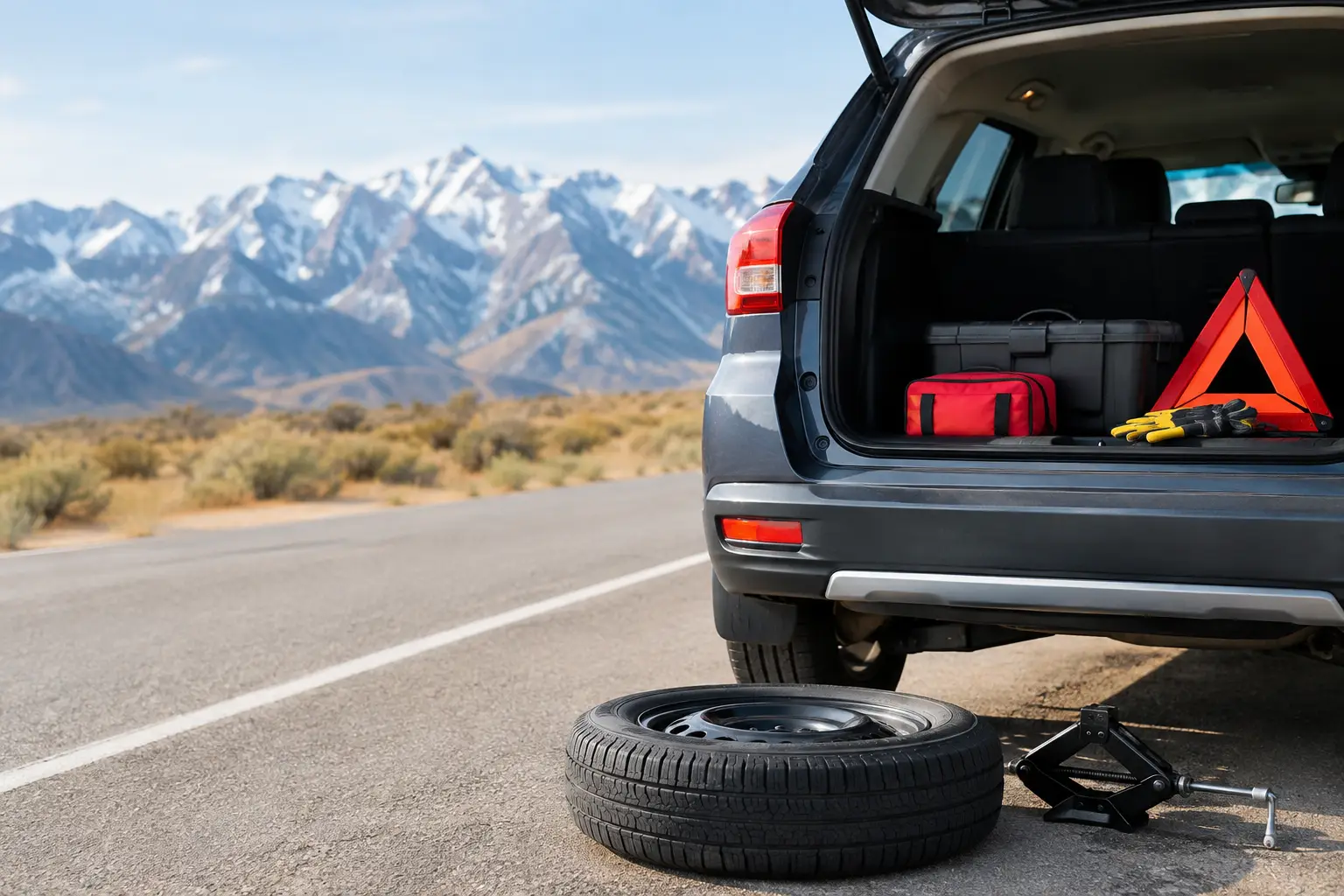
Roadside emergency essentials help Utah drivers stay safer during breakdowns, flat tires, lockouts, and winter trouble. Build a car kit that works well.
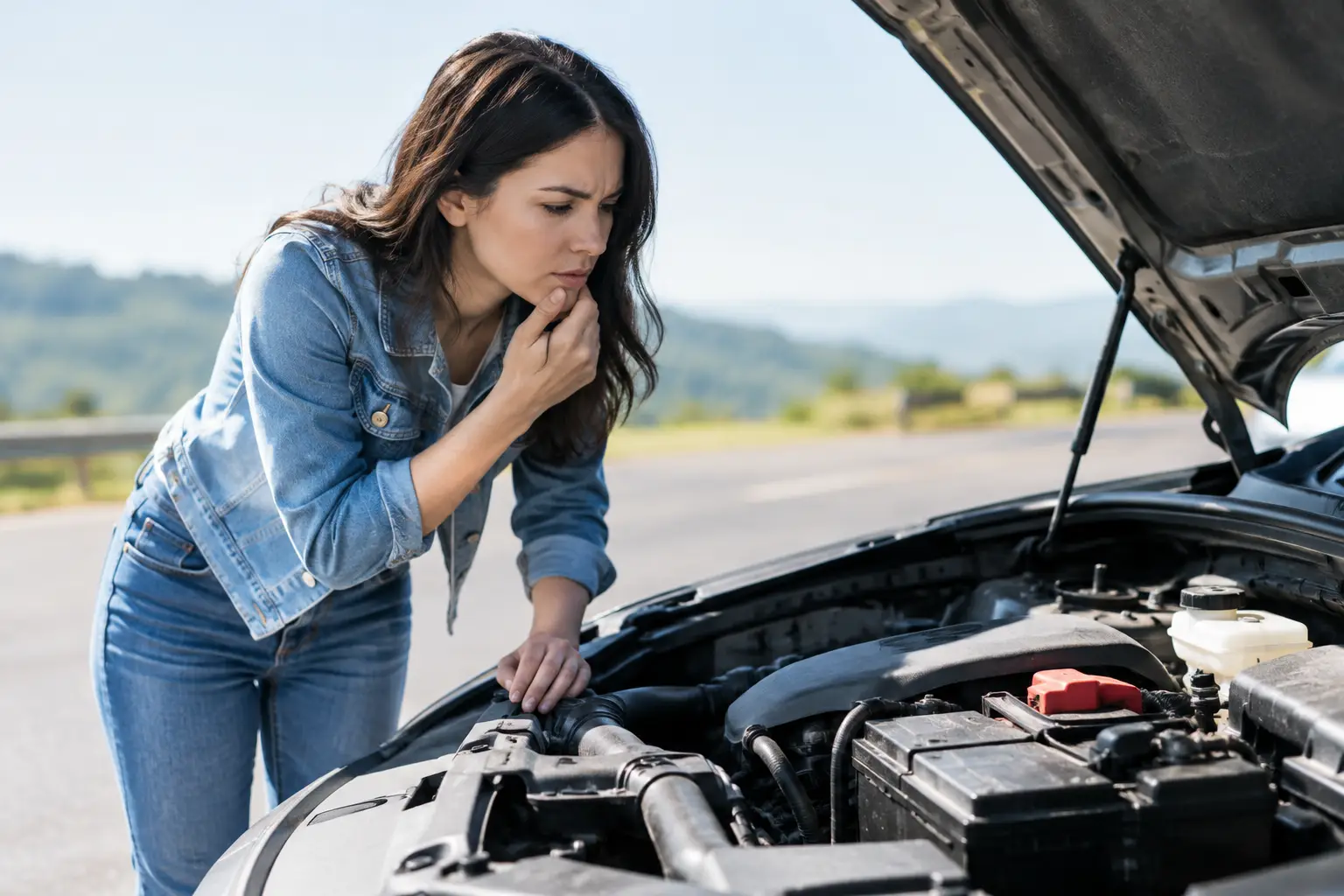
Learn how to identify battery failure before a no-start turns into a roadside problem. Spot warning signs, test safely, and know when to call for help.
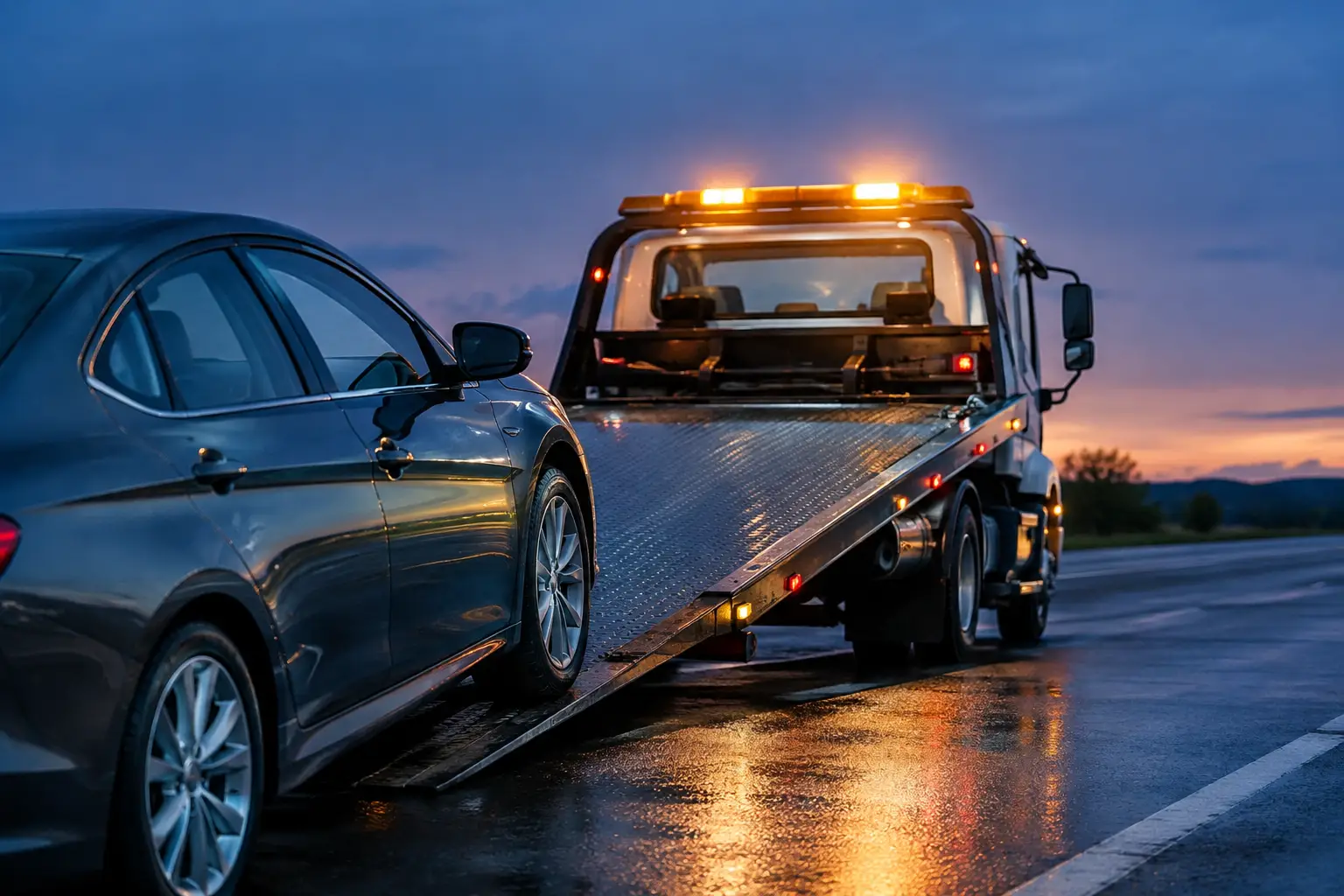
Need overnight tow truck availability in Salt Lake Valley? Get fast, affordable help for breakdowns, lockouts, dead batteries, accidents, and more tonight.