
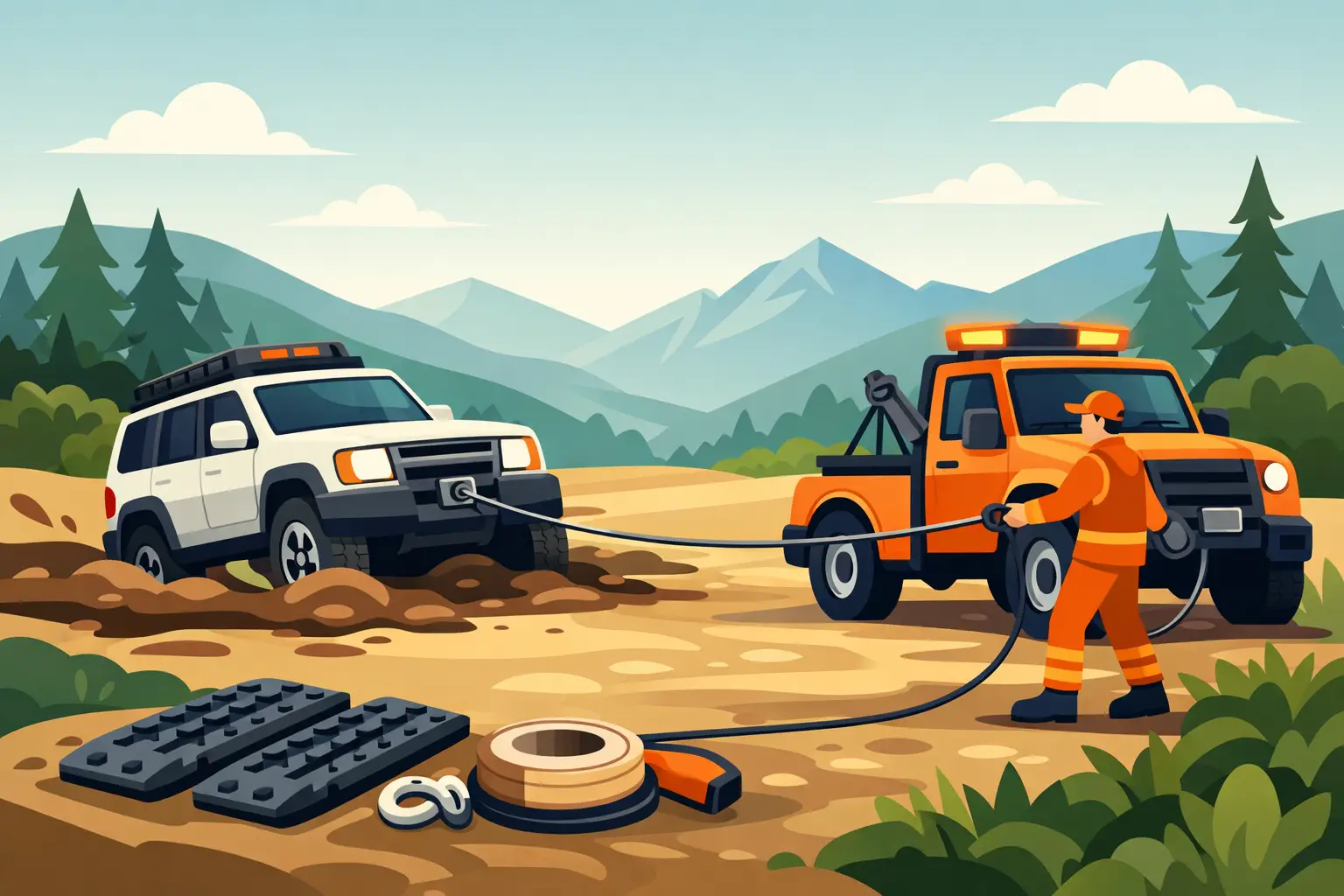
A dirt road can turn into a problem fast. One wrong turn near a trailhead, a soft shoulder after rain, deep snow, loose gravel, or a vehicle sitting high-centered can leave you stuck far beyond where a standard tow truck can simply pull up. When that happens, an off road recovery service is not just about getting your vehicle moving again. It is about getting it out carefully, safely, and without turning a bad situation into expensive damage.
For drivers across the Salt Lake Valley, the best move is to stop spinning the tires, get to a safe spot if possible, and call for experienced recovery help. Munnster Towing provides 24/7 assistance when your car, truck, SUV, or work vehicle is stuck where it does not belong.
When You Need Off Road Recovery Service
Off-road recovery does not only happen on extreme trails with lifted Jeeps and mud tires. Plenty of everyday drivers need a recovery after taking a gravel access road, parking on soft ground, sliding into a snowy ditch, or following a navigation app down a route that was not built for their vehicle.
You may need professional recovery if your vehicle is stuck in mud, sand, snow, deep gravel, or a drainage area. It also applies when wheels have slipped off pavement, your vehicle is high-centered on a rock or embankment, or you have gone down an unmaintained road and cannot safely turn around. Accident recovery can fall into the same category when a vehicle has left the roadway and landed in a ditch, field, or uneven area.
The key issue is not whether the vehicle is technically off road. It is whether a normal drive-out is no longer safe. If the tires are digging deeper, the vehicle is leaning, or you cannot see a clear way back to solid ground, stop trying to force it. A few minutes of wheel spin can bury a vehicle, damage tires, overheat the transmission, or break parts underneath the car.
Why a Quick Pull Can Cause Bigger Damage
Being stuck creates pressure. You want a friend with a truck, a tow strap, and a quick fix. Sometimes a simple pull works, but it can also go wrong in a hurry when the recovery point is weak, the ground is unstable, or the vehicle is angled in a way that puts stress on the suspension and body.
Modern vehicles have plastic bumpers, low-hanging components, sensors, all-wheel-drive systems, and attachment points that are not meant for random pulling. Hooking a strap to the wrong place can rip off a bumper, bend a control arm, damage the radiator area, or create a dangerous situation if the strap or hardware fails.
Professional recovery is about more than horsepower. It starts with looking at where the vehicle is stuck, how far it has sunk, its angle, the condition of the terrain, and the safest direction to move it. An experienced operator selects the right equipment and uses controlled force instead of guessing. That matters whether you drive a compact commuter car, a family SUV, a pickup, or a commercial vehicle.
What to Do While You Wait for Recovery Help
Your choices in the first few minutes can make the recovery easier and safer. If the vehicle is not in immediate danger, put it in park, set the parking brake, and avoid repeated acceleration. Spinning tires polish mud, ice, and snow into a slicker surface while digging the vehicle farther down.
If you are near traffic, move yourself and passengers to a safe location away from the roadway when conditions allow. Turn on hazard lights, especially after dark or during snow, rain, or fog. If the vehicle is tilted, near water, on a steep slope, or in a location where it could slide further, do not remain inside it unless leaving would create a greater risk.
When you call, give clear details. Let the dispatcher know your location, the type of vehicle, whether it is blocking a road, and what surface it is stuck on. Mention anything that could affect access, such as a narrow trail, steep driveway, locked gate, snow-covered road, or low clearance. A nearby landmark, trailhead, cross street, dropped pin, or photo can help get the right recovery equipment to you faster.
Do not crawl underneath the vehicle to inspect it, and do not stand near a tensioned strap or cable if someone is attempting a pull. Recovery equipment stores serious force. Give the operator room to work and follow instructions once help arrives.
The Right Recovery Depends on the Situation
There is no one-size-fits-all answer for a vehicle stuck off pavement. A sedan that slid into a shallow snowy shoulder may need a controlled winch-out. A truck sunk to the axles in soft ground could require a more involved setup. A vehicle that left the road after an accident may need careful stabilization before it can be moved at all.
Weather changes the job, too. Utah snow can hide ditches and curbs. Spring runoff can turn solid-looking ground into mud. Summer heat can leave dry, loose terrain that offers almost no traction. In each case, the goal is the same: recover the vehicle with as little additional damage as possible.
This is also why price should not be the only factor. Affordable rates matter when you are stranded, but the cheapest promise is not a bargain if the recovery damages your vehicle or leaves you waiting for hours. Ask for direct information, explain the situation clearly, and choose a local company that understands urgent roadside calls and careful vehicle handling.
Off Road Recovery Service for Everyday Utah Drivers
You do not have to be miles into the wilderness to need help. A wet lawn, apartment parking area, construction entrance, canyon pullout, or rural side road can become a recovery scene. Drivers in Salt Lake, West Jordan, West Valley, Taylorsville, Draper, and nearby areas often face changing weather and busy schedules. Getting stuck can mean missing work, leaving kids waiting, delaying a delivery, or sitting in the cold after a long shift.
That is where fast, local response makes a real difference. A recovery team should treat the situation with urgency without rushing the actual work. The right operator assesses the problem, protects the vehicle where possible, and gets you back to a safe, drivable surface or transports the vehicle if it cannot be driven.
If your vehicle is stuck but otherwise undamaged, the goal may be to recover it and let you continue on your way. If there are mechanical issues, collision damage, a flat tire, or a dead battery after the recovery, you may need towing or roadside assistance next. A capable local provider can help you make that call based on what is actually safe, not what is most convenient in the moment.
Do Not Wait Until the Vehicle Is Buried
The earlier you call, the simpler the recovery often is. A vehicle with one wheel off the pavement is usually easier to recover than one that has been spun into a deeper rut. A car stopped safely at the edge of a snowy road is a better situation than a car that has slid farther down an embankment.
If you are stuck in mud, snow, sand, a ditch, or uneven terrain, call for off-road recovery help right away. Give a clear location, stay safe, and let an experienced operator handle the pull. Getting unstuck should not cost you a bumper, a transmission, or the rest of your day.
continue reading
Related Posts
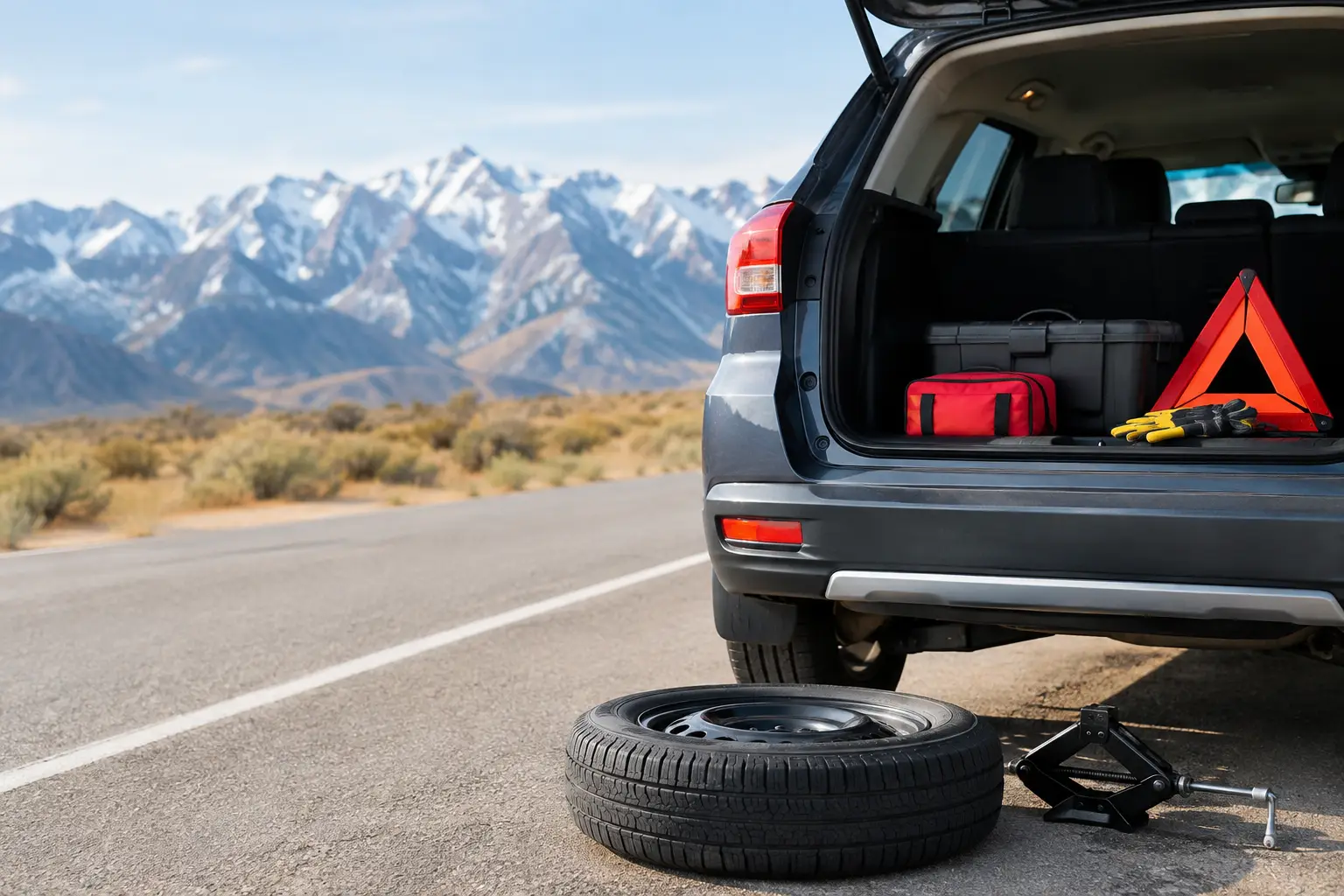
Roadside emergency essentials help Utah drivers stay safer during breakdowns, flat tires, lockouts, and winter trouble. Build a car kit that works well.

Learn how to identify battery failure before a no-start turns into a roadside problem. Spot warning signs, test safely, and know when to call for help.
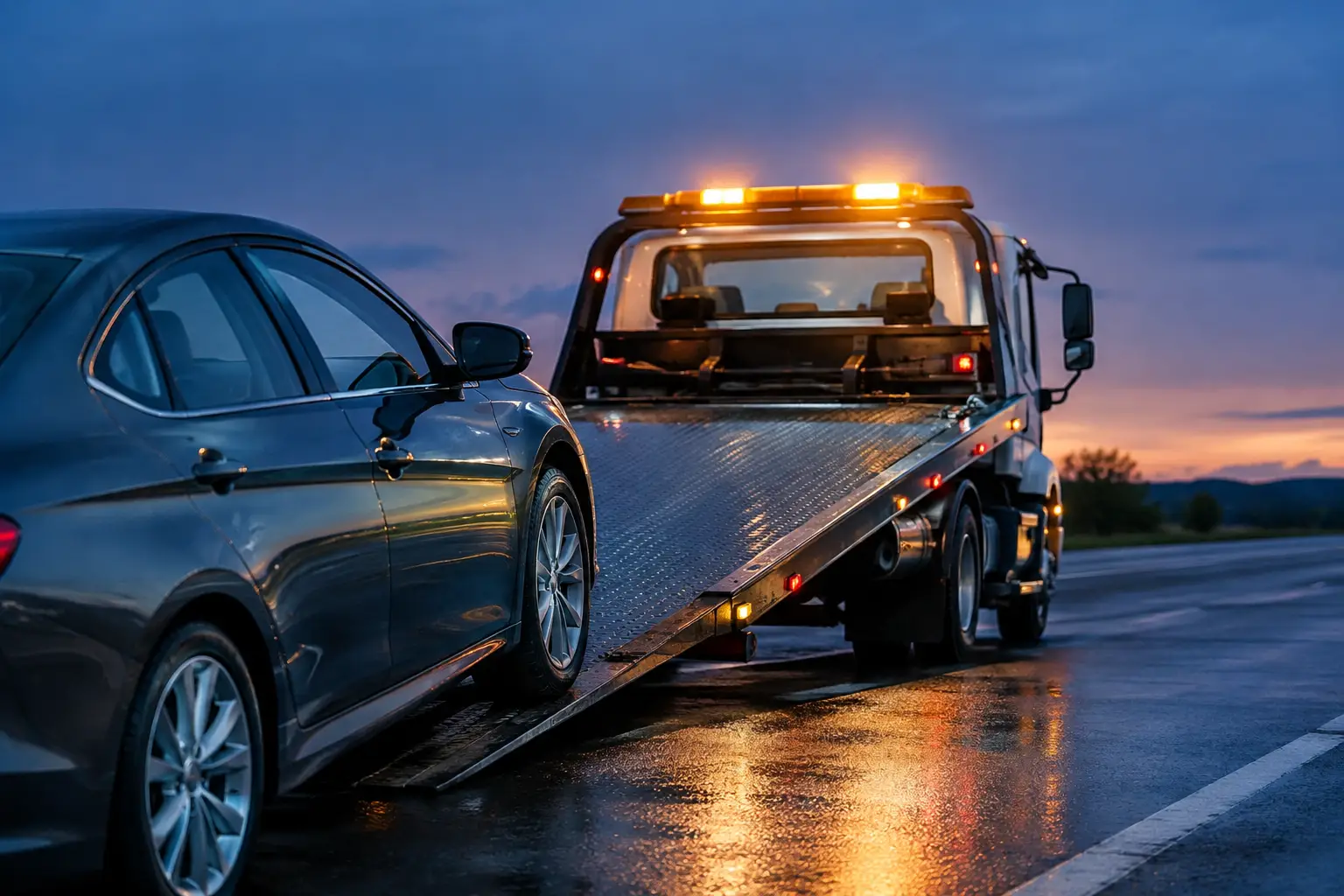
Need overnight tow truck availability in Salt Lake Valley? Get fast, affordable help for breakdowns, lockouts, dead batteries, accidents, and more tonight.