
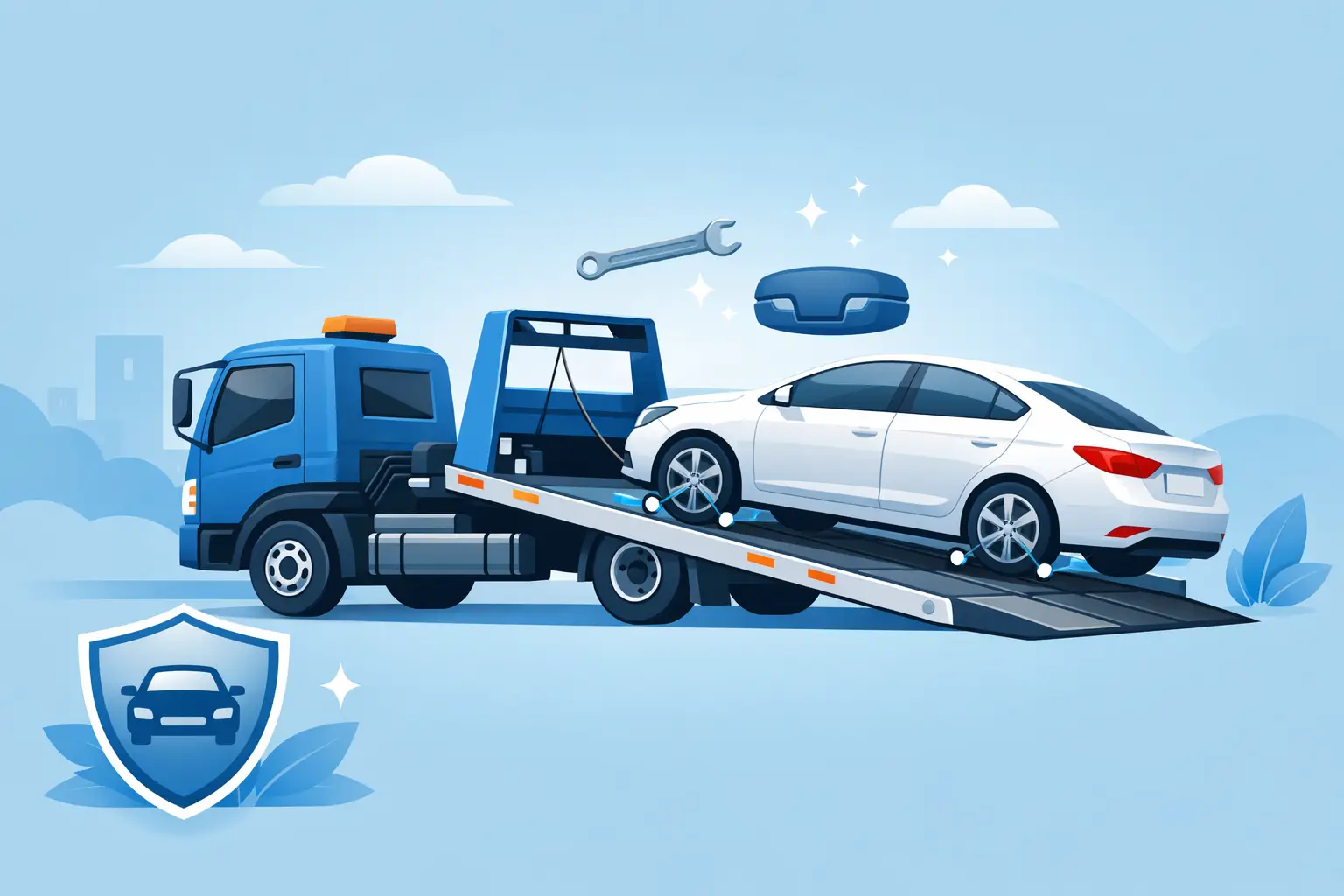
A stalled car on I-15, a dead battery outside work, or a fender-bender in a crowded parking lot is stressful enough. The last thing you need is a tow that creates a second problem. Damage free towing methods are designed to move your vehicle safely, protect its drivetrain and body, and get it where it needs to go without turning a roadside issue into an expensive repair.
For drivers across Salt Lake, West Jordan, West Valley, Taylorsville, and Draper, the right towing method depends on the vehicle, its condition, and where it is sitting. A trained operator does not guess. They assess the situation, choose the proper equipment, secure the vehicle correctly, and take the route that makes sense.
Why the Right Tow Method Matters
Not every vehicle can be towed the same way. Front-wheel-drive sedans, all-wheel-drive SUVs, low-clearance cars, electric vehicles, lifted trucks, and vehicles with collision damage all have different needs. Pulling the wrong end of a vehicle or allowing driven wheels to roll when they should not can damage a transmission, transfer case, differential, suspension, bumper, or underbody.
That is why a cheap-looking tow is not always a good deal. The goal is not just to get the vehicle off the road. The goal is to get it safely to your home, repair shop, dealership, or body shop in the same condition it was in when the truck arrived.
Careful towing also matters after an accident. A vehicle may have hidden damage, a wheel that will not turn, leaking fluids, or a loose bumper. Trying to force it onto equipment without the right setup can make a bad situation worse. Experienced operators adjust the plan to the condition of the vehicle instead of treating every call like a simple hook-and-go job.
Damage Free Towing Methods for Different Vehicles
Flatbed towing
A flatbed tow truck carries the entire vehicle on a level deck. In many situations, this is the safest choice because all four wheels are off the ground. It reduces rolling wear, avoids drivetrain concerns, and provides excellent control for cars that cannot be driven normally.
Flatbed towing is often the preferred option for all-wheel-drive and four-wheel-drive vehicles, many electric vehicles, luxury cars, classic cars, lowered vehicles, and accident-damaged vehicles. It is also a smart choice when the car has a flat tire, a broken axle, steering damage, or a transmission issue.
Loading is where experience shows. A careful operator uses the proper angle, secure tie-down points, and, when necessary, ramps or additional equipment to prevent scraping. Low-clearance cars can be damaged quickly if they are loaded too steeply, so the truck setup matters just as much as the truck itself.
Wheel-lift towing
Wheel-lift towing lifts one end of the vehicle while the other end rolls behind it. This method is efficient, maneuverable, and useful in tight spaces such as apartment lots, parking garages, narrow streets, and congested roadside areas.
For the right vehicle, a wheel lift can be a safe and practical option. A front-wheel-drive vehicle, for example, may be towed with its front wheels raised, keeping the driven wheels off the road. A rear-wheel-drive vehicle is generally towed with the rear wheels raised.
The important part is knowing when wheel-lift towing is appropriate. It may not be the right choice for an all-wheel-drive vehicle, a vehicle with major collision damage, or a car with wheels that are locked or unable to roll. In those cases, a flatbed or tow dollies may be needed to prevent damage.
Tow dollies for drivetrain protection
Tow dollies support the wheels that would otherwise be on the pavement. They are especially useful when a vehicle needs to be moved by wheel lift but its drivetrain cannot safely rotate.
For example, some all-wheel-drive vehicles need all four wheels off the ground. If a flatbed is unavailable or site conditions make loading difficult, dollies can help protect the vehicle during transport. They can also be helpful for cars with damaged wheels, seized brakes, or suspension trouble.
Dollies take additional setup time, but that time is worth it when it prevents drivetrain damage or avoids dragging a damaged tire across the road. Fast service should never mean rushed service.
Winching and recovery with control
A vehicle that is stuck in snow, mud, a ditch, a driveway, or an off-road area needs more than a standard tow. Recovery work often involves a winch, recovery straps, safety chains, and careful positioning of the tow truck.
The safest recovery uses controlled pulling angles and proper attachment points. Pulling from a bumper, suspension part, or other weak area can bend metal or tear components loose. A trained operator identifies a secure recovery point and moves the vehicle gradually, watching for obstacles, underbody contact, and shifting ground.
Utah weather can make this especially important. Snow-packed streets, icy shoulders, and soft ground can turn a simple slide-off into a complicated recovery. The right equipment and a patient approach protect both the vehicle and everyone standing nearby.
What a Careful Tow Operator Checks First
Before loading your vehicle, a professional should look at more than the make and model. The condition of the vehicle affects every decision. Can it roll? Are the tires inflated? Is the steering locked? Is there visible suspension or body damage? Are fluids leaking? Is it parked in a tight area or sitting on a busy roadway?
They should also confirm whether your vehicle is front-wheel drive, rear-wheel drive, all-wheel drive, or four-wheel drive. If you are unsure, do not worry. Tell the dispatcher the year, make, and model, along with anything unusual you noticed before the breakdown. That information helps the tow operator arrive prepared.
For electric and hybrid vehicles, extra care is needed. These vehicles can have manufacturer-specific towing instructions, low battery placement, and special requirements after a collision. A flatbed is often the safest route, particularly if the vehicle has underbody damage or will not shift properly.
How to Help Protect Your Vehicle Before the Tow Arrives
You do not need to diagnose the problem from the shoulder of the road. Your job is to stay safe and provide useful details. If possible, park out of traffic, turn on hazard lights, and move away from the vehicle when traffic is heavy. Do not stand between your vehicle and the road.
When you call for service, explain whether the car starts, whether it can roll, whether a tire is flat, and whether it was involved in an accident. Mention if the vehicle is low to the ground, all-wheel drive, electric, carrying passengers, or parked in a garage or difficult location. A few clear details can determine whether a flatbed, wheel lift, dollies, or recovery equipment is sent.
Remove valuable items if you can do so safely, and keep your keys available. If the vehicle has a special towing mode, wheel lock key, parking brake issue, or aftermarket modifications, tell the operator before loading begins. These small details help avoid delays and prevent unnecessary risk.
When You Should Never Try to Tow It Yourself
A friend with a rope, chain, or pickup truck may mean well, but improvised towing can go wrong fast. Sudden braking, poor visibility, weak attachment points, and an untrained driver can cause a collision or serious vehicle damage. It is especially risky with all-wheel-drive vehicles, vehicles with automatic transmissions, EVs, accident damage, or a car stuck off-road.
Do not try to drag a vehicle with a locked wheel, broken suspension, leaking fluid, or a damaged bumper. Do not crawl under the vehicle beside moving traffic to attach a chain. Call for professional help instead. A fast tow costs far less than a damaged drivetrain, body repair, or injury.
Fast Help Without Cutting Corners
Damage-free work is not about using one truck for every call. It is about matching the equipment and method to the vehicle in front of you. Flatbeds protect all four wheels, wheel lifts handle many standard tows efficiently, dollies prevent unwanted drivetrain rotation, and controlled winching helps recover vehicles without unnecessary force.
Munnster Towing provides 24/7 towing, roadside assistance, and vehicle recovery for drivers who need help now, not hours from now. If your car is stranded, damaged, stuck, or simply refusing to start, give the dispatcher the details and let an experienced operator choose the safest way to move it.
When the road has already ruined your day, the tow should not add to the repair bill. Get to a safe place, keep traffic in mind, and call for the equipment and care your vehicle actually needs.
continue reading
Related Posts
Roadside emergency essentials help Utah drivers stay safer during breakdowns, flat tires, lockouts, and winter trouble. Build a car kit that works well.
Learn how to identify battery failure before a no-start turns into a roadside problem. Spot warning signs, test safely, and know when to call for help.
Need overnight tow truck availability in Salt Lake Valley? Get fast, affordable help for breakdowns, lockouts, dead batteries, accidents, and more tonight.