
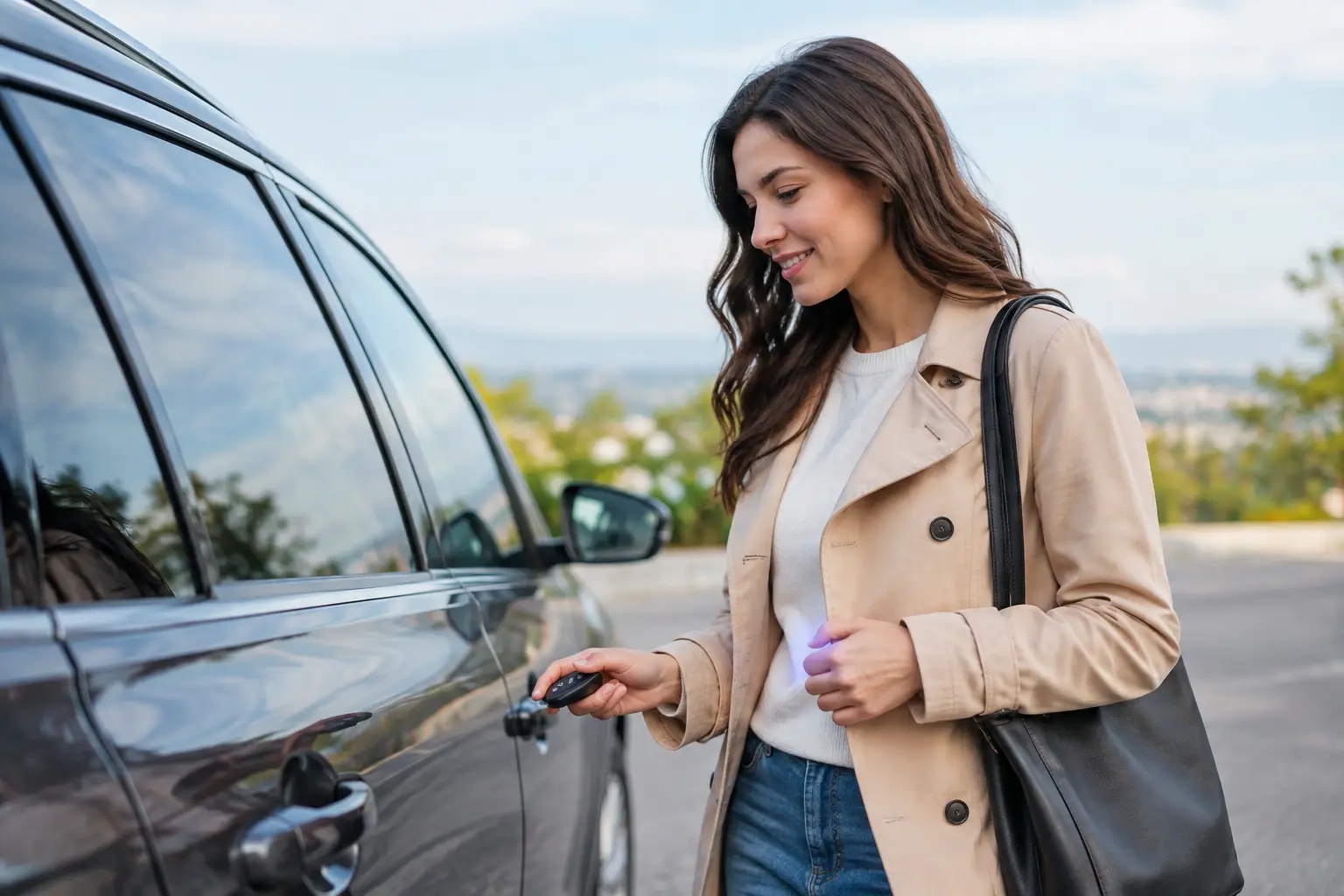
A vehicle lockout rarely happens when you have extra time. It happens when you are late for work in Salt Lake City, loading groceries in West Jordan, or trying to get the kids home before dinner. The best ways to avoid vehicle lockouts come down to simple routines that keep your keys in sight, your backup plan ready, and your vehicle from becoming an expensive parking-lot problem.
Best Ways to Avoid Vehicle Lockouts Before They Happen
The goal is not to make your day more complicated. It is to build a few quick habits that still work when you are tired, distracted, rushed, or carrying too much stuff.
1. Make one place your key headquarters
Your keys need a home both inside and outside the vehicle. At home, use the same hook, bowl, drawer, or bag pocket every time. When you get out of the car, put them in a secure pocket, purse, backpack, or hand right away. Do not set them on the seat while unloading, balancing them on the roof, or placing them in a cup holder for just a second.
That last part matters. A lot of lockouts start with a driver placing keys down while grabbing groceries, coffee, gym bags, work equipment, or a sleeping child. The door closes, the keys stay inside, and suddenly a normal errand turns into a roadside call.
2. Use a simple exit check every time
Before you close the door, say a quick mental phrase: phone, wallet, keys. It may sound basic, but it works because it turns a rushed action into a repeatable check. If you have a key fob, touch it or look at it before shutting the door.
Drivers with older vehicles should be especially careful. Many newer cars will beep or refuse to lock when the fob is inside, but that feature is not perfect and it is not available on every vehicle. Never assume your car will save you from a forgotten key.
3. Do not leave keys near doors, seats, or cargo areas
A key fob can slide under a seat, disappear into a jacket pocket, or get buried under sports gear faster than most people expect. If you drive a busy family vehicle, work truck, or rideshare car, loose keys are even easier to lose track of.
Keep keys on your body until you are ready to start the vehicle or securely store them. When packing the trunk or rear cargo area, pause before closing it. Check that the fob is with you, not sitting next to the bags you just loaded.
4. Be extra careful with remote start and keyless entry
Keyless systems are convenient, but they can create false confidence. You may start the vehicle with the fob in a bag, hand the bag to someone else, and later realize the car cannot be restarted once it is turned off. Some vehicles also let you lock doors through an app, which is handy until the phone is inside the vehicle or the app is not connected.
Know how your specific vehicle behaves. Read the owner manual section on keyless entry, automatic locking, remote start, and emergency key access. A few minutes of reading can save a long wait outside your own car.
Keep a Backup Plan That Does Not Create a Bigger Problem
A backup key can be useful, but only when it is handled carefully. The wrong hiding place can create a theft risk, while the right backup plan can save a miserable night in a parking lot.
5. Choose a secure spare-key option
For many drivers, the safest choice is giving a spare key to a trusted family member or roommate who lives nearby. That works well if they are available and you are not stranded across town at 2 a.m.
A wallet-sized emergency key may work for some vehicles, especially if it does not include an electronic fob. Other drivers use a small locking key case placed in a concealed location. This option depends on the vehicle, your security concerns, and whether you can safely store it without making your car an easier target.
Avoid the obvious spots. A spare key in a magnetic box under the vehicle is not automatically safe just because it is out of sight. If someone knows where to look, it can turn a lockout solution into a stolen-car problem.
6. Replace weak key-fob batteries early
A fading fob battery may not cause a traditional lockout, but it can leave you standing outside a vehicle that will not respond as expected. If you need to press buttons repeatedly, stand unusually close to the car, or notice inconsistent performance, replace the battery before it quits completely.
Keep the emergency mechanical key in working order, too. Many fobs contain one, but drivers often have never used it. Find out where it is, where the hidden door-key slot is located, and how it works before you need it in bad weather or a dark parking garage.
Watch for the Situations That Cause Most Lockouts
The biggest risk is not usually a broken lock. It is distraction. Certain routines make it easier to shut a door before realizing the keys are still inside.
7. Slow down during handoffs and quick stops
Be careful when another person is using your vehicle, especially a teen driver, spouse, coworker, valet, mechanic, or delivery helper. Confirm who has the key before either person walks away. This is also smart after a car wash, service appointment, or roadside stop, when keys may have changed hands several times.
Quick stops deserve the same attention. Running back into the house for one thing, hopping out to check the mail, or stepping away from a warming vehicle can become a lockout if the door locks automatically. Take the key with you every time, even if you expect to be gone for 20 seconds.
8. Keep your phone charged, but do not rely on it alone
A phone can help you call for assistance, access a digital key, or reach someone with a spare. It is worth keeping a car charger in the vehicle and a portable battery in your bag. But a dead phone, weak signal, forgotten password, or app outage can happen at the worst possible moment.
Treat phone-based access as a convenience, not your only plan. The strongest setup is a charged phone, a known spare-key option, and a consistent habit of checking for your keys before closing the door.
What to Do When You Are Already Locked Out
First, take a breath and check every door and the trunk only if you can do so normally. Do not pry open a door, force a window, use a coat hanger, or try internet tricks that can damage weather stripping, airbags, wiring, locks, or glass. A cheap shortcut can turn into a costly repair.
If a child, pet, or vulnerable person is locked inside and there is immediate danger from heat, cold, or medical distress, call 911. For a standard vehicle lockout, call a professional roadside assistance provider that can open the vehicle carefully and verify ownership. Munnster Towing provides 24/7 lockout assistance across the Salt Lake Valley, with experienced help when you need to get moving without adding damage to an already frustrating day.
The best habit is the one you will actually repeat: keep your key on you, pause before the door closes, and have a backup ready for the rare day life gets ahead of you.
continue reading
Related Posts
Learn how to identify battery failure before a no-start turns into a roadside problem. Spot warning signs, test safely, and know when to call for help.
Need overnight tow truck availability in Salt Lake Valley? Get fast, affordable help for breakdowns, lockouts, dead batteries, accidents, and more tonight.
Learn how to prepare for a winter breakdown in Salt Lake Valley: check your car, pack supplies, and stay safe while roadside help is on the way all winter.