
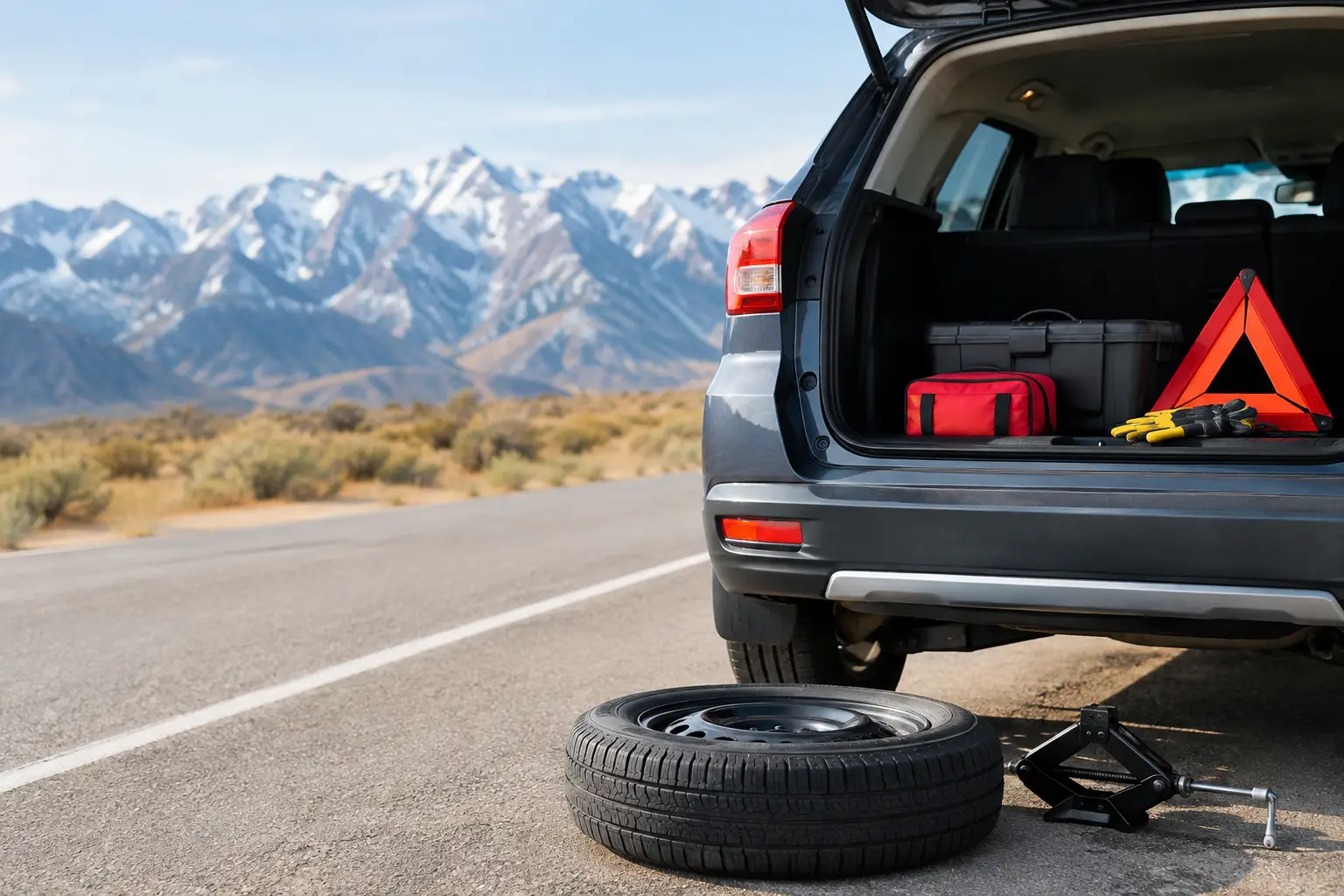
A dead battery in a grocery store parking lot is frustrating. A dead battery on a cold night with kids in the back seat is a different kind of problem. The right roadside emergency essentials will not fix every breakdown, but they can keep a stressful situation from becoming unsafe while help is on the way.
For drivers across the Salt Lake Valley, a good car emergency kit needs to handle more than a random flat tire. Winter cold, summer heat, busy freeway shoulders, dark neighborhood streets, and sudden mountain weather all change what “prepared” looks like. Keep the basics in your vehicle, know how to use them, and do not take unnecessary risks trying to repair a vehicle beside traffic.
Start With Safety, Not Repairs
When your vehicle starts acting up, getting out of traffic matters more than figuring out exactly what failed. If the car is still drivable, move it to a safe, well-lit area or as far off the road as conditions allow. Turn on hazard lights, set the parking brake, and stay aware of passing traffic.
On a freeway shoulder, in a narrow lane, or near a blind curve, stay inside the vehicle with your seat belt on whenever possible. Getting out to inspect a flat tire or look under the hood can put you in the path of drivers who may not see you until it is too late. If there is smoke, fire, a fuel smell, or another immediate danger, move away from the vehicle and call 911.
A roadside kit is there to buy you time and visibility. It is not an invitation to become your own tow truck driver. If you are stranded, locked out, have a no-start situation, or cannot safely change a tire, call for professional roadside assistance or a tow.
Roadside Emergency Essentials for Your Car
Your kit does not need to fill the entire trunk. It does need to be easy to reach, in good condition, and suited to the way you drive. Start with these items:
- Reflective warning triangles or road flares, plus a reflective safety vest
- A reliable flashlight or headlamp with fresh batteries
- Jumper cables or a fully charged portable jump starter
- A compact first-aid kit and any personal medications you may need
- A tire pressure gauge, tire inflator, and a properly inflated spare tire
- A blanket, gloves, hat, and hand warmers for cold-weather driving
- Bottled water and shelf-stable snacks
- A phone charging cable and portable battery bank
- Basic tools, duct tape, zip ties, and a multipurpose tool
- Paper towels, wet wipes, and a small trash bag
The best roadside emergency essentials are the ones you can actually use. A high-end tool kit is not much help if you do not know where it is or how it works. Choose simple gear, store it in a labeled tote or bag, and check it twice a year.
Visibility Gear Is Not Optional
Hazard lights are helpful, but they do not always give approaching drivers enough warning, especially during snow, rain, fog, or nighttime traffic. Reflective triangles create distance between your vehicle and oncoming cars. Place them only when it is safe to leave the vehicle and traffic conditions allow it.
A reflective vest is a low-cost item that makes a major difference if you need to step outside. Keep it in the glove compartment or door pocket, not buried under luggage in the trunk. You want it before you exit the vehicle, not after.
A Charged Phone Can Be Your Best Tool
Most roadside situations become easier once you can call for help and clearly share your location. Keep a charging cable in the vehicle, along with a battery bank that is charged and tested. Cold weather drains both vehicle batteries and phone batteries faster than many drivers expect.
If you call for a tow or roadside service, give the dispatcher practical location details: the nearest cross street, freeway direction, mile marker, landmark, vehicle color, and the problem you are experiencing. “I am somewhere on I-215” can slow things down. “I am northbound on I-215 near the 3500 South exit, in a gray SUV with a flat rear tire” gets help moving faster.
Utah Weather Changes What You Should Carry
A basic kit is a good start, but Utah drivers should adjust it by season. Winter is the big one. A small shovel, ice scraper, windshield washer fluid rated for freezing temperatures, traction material, and extra warm layers can be worth their weight when roads turn slick.
If you regularly drive through canyon areas or travel during storms, carry more water, extra food, a stronger blanket or sleeping bag, and a full tank of fuel. A vehicle that is fine around town can become a much bigger problem when weather closes in miles from home. Check road and weather conditions before heading out, especially if your route takes you through higher elevations.
Summer brings a different set of issues. Heat can expose weak batteries, low coolant, worn tires, and overheating problems. Keep drinking water in the car, but rotate it regularly. Do not leave aerosol cans, some medications, or other heat-sensitive items inside for long periods.
Know What You Can Handle Safely
Some drivers are comfortable checking tire pressure, using a jump pack, or replacing a wiper blade. Others are not, and that is completely fine. The smart call is based on the location, weather, traffic, vehicle condition, and your confidence level.
Changing a tire in your own driveway is one thing. Changing it beside a busy road in the dark is another. If the ground is uneven, traffic is close, the lug nuts will not move, or you do not have a safe place to work, call for help. A fast roadside tire change costs less than a preventable injury or damage caused by an improperly placed jack.
The same goes for jump-starting. Modern vehicles can have battery locations, terminals, or electrical systems that are not as straightforward as older cars. Follow your owner’s manual. If you are unsure where to connect cables, if the battery is leaking or swollen, or if the vehicle still will not start after a proper attempt, stop and request roadside assistance.
Keep Your Vehicle From Becoming a Roadside Problem
Emergency supplies are backup, not a substitute for maintenance. Before a long commute, road trip, or stormy week, take five minutes to check the things that commonly cause a call for help: tire condition, tire pressure, battery performance, fuel level, lights, fluids, and wiper blades.
Your spare tire deserves attention too. Many drivers discover it is low, damaged, or missing only after getting a flat. Check its pressure when you check the other tires. Make sure the jack, lug wrench, and wheel-lock key are in the vehicle. If your car has a tire repair kit instead of a spare, read the instructions before you need it on the side of the road.
Do not ignore small warning signs. Slow cranking, dim lights, repeated overheating, tire vibration, or a warning light that comes and goes can turn into a full breakdown at the worst possible time. Handle the issue while you can choose the repair shop instead of being stuck wherever the car gives up.
When It Is Time to Call for Help
Call for professional help when the situation is unsafe, the repair is beyond your comfort level, or the vehicle should not be driven. That includes accidents, overheating, major fluid leaks, a damaged tire without a usable spare, steering trouble, brake problems, electrical failures, and vehicles stuck in snow, mud, or a ditch.
Munnster Towing provides 24/7 towing and roadside assistance for drivers who need fast help without getting hit with a ridiculous price. Whether you are dealing with a lockout in West Jordan, a flat in Salt Lake City, or a dead battery after work in Kearns, getting a reliable local crew on the way is often the safest move.
Keep your kit stocked, keep your phone charged, and trust your judgment when conditions are not safe. The goal is not to prove you can solve every problem yourself. It is to get home, get to work, or get your vehicle where it needs to go without making a bad roadside moment worse.
continue reading
Related Posts
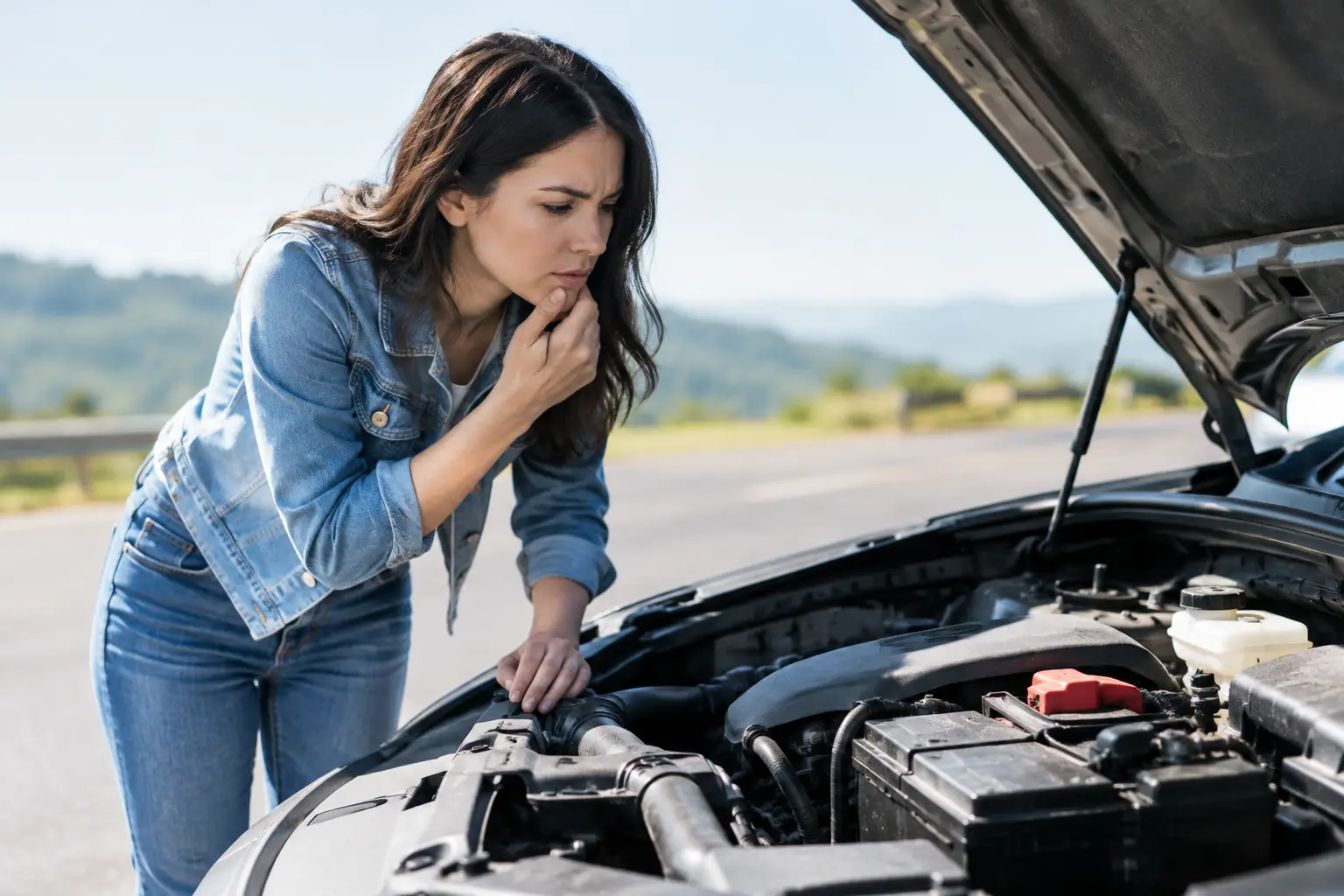
Learn how to identify battery failure before a no-start turns into a roadside problem. Spot warning signs, test safely, and know when to call for help.
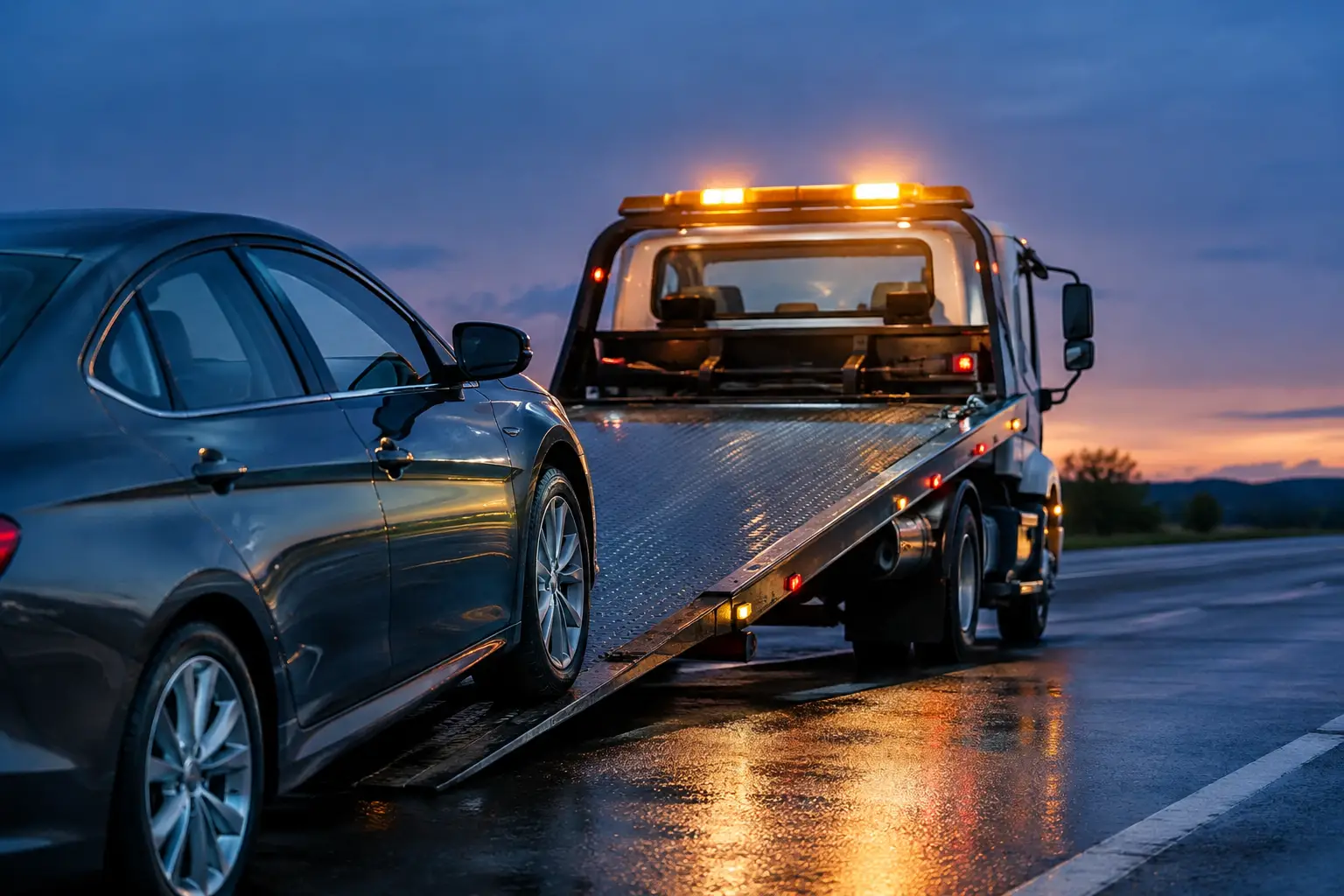
Need overnight tow truck availability in Salt Lake Valley? Get fast, affordable help for breakdowns, lockouts, dead batteries, accidents, and more tonight.
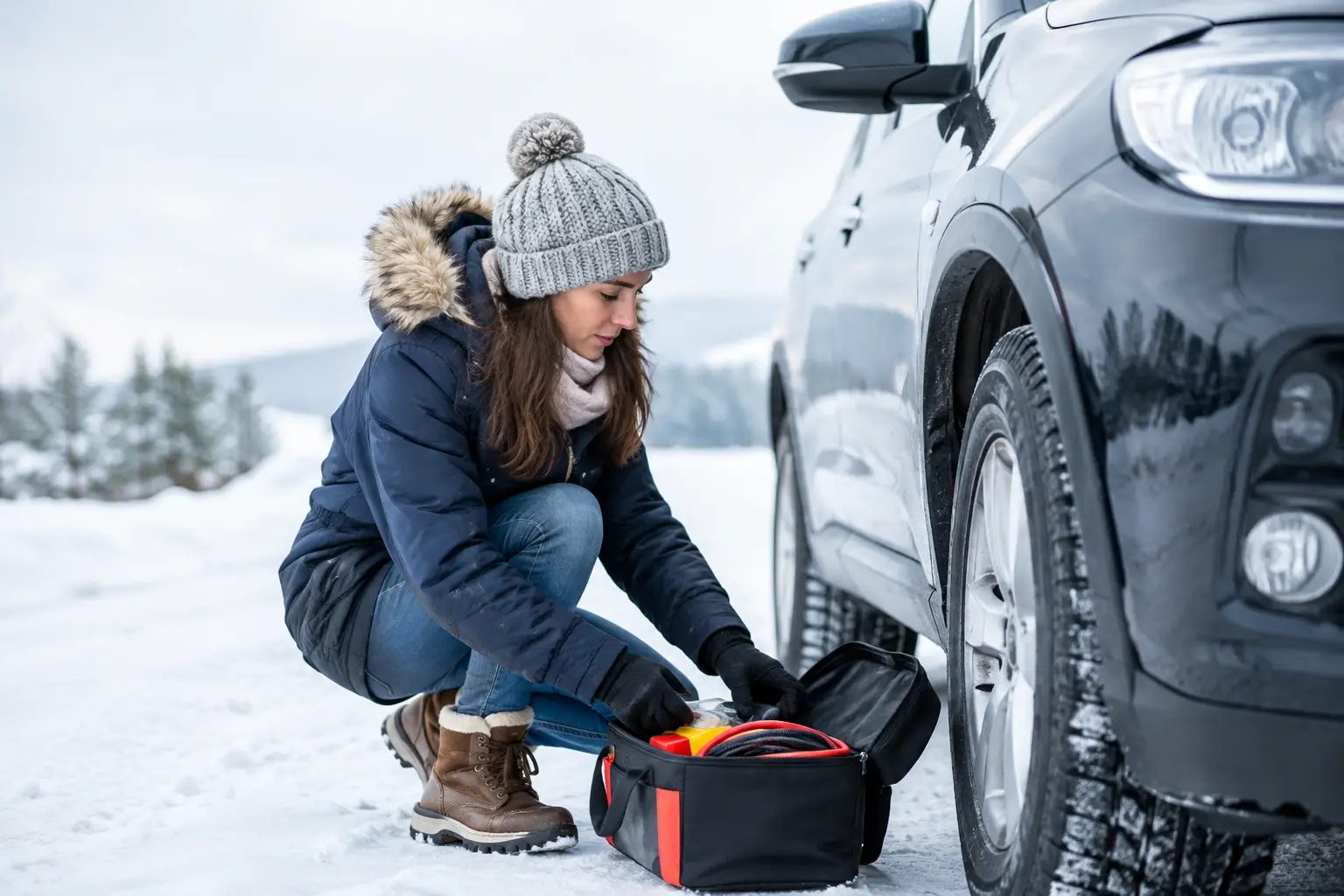
Learn how to prepare for a winter breakdown in Salt Lake Valley: check your car, pack supplies, and stay safe while roadside help is on the way all winter.