

A vehicle can go from inconvenient to completely stuck in seconds. One icy corner, a deep snowbank, a ditch beside the road, or a fender bender can leave you wondering what to do next. Recovery companies are built for that exact moment: getting your vehicle out safely without turning a bad situation into an expensive one.
This is not always a standard tow. Vehicle recovery takes the right equipment, an experienced operator, and a careful plan. If your car, truck, SUV, or motorcycle is off the road, stuck in mud or snow, or damaged after an accident, fast help matters. So does choosing a crew that knows when to pull, when to winch, and when to stop before more damage happens.
What Recovery Companies Actually Do
Recovery companies handle vehicles that cannot simply be hooked up and driven away. The job may involve a winch, recovery straps, wheel-lift equipment, a flatbed, or a combination of tools depending on where the vehicle is sitting and what condition it is in.
A straightforward recovery might be a car that slid into a snowbank but is still on level ground. A tougher job could involve a vehicle down an embankment, lodged in a ditch, stuck on a trail, or resting at an unsafe angle after a crash. Those situations require more than muscle. The operator has to assess traction, terrain, traffic, vehicle weight, possible damage, and safe attachment points before moving anything.
The goal is simple: recover the vehicle with as little added damage as possible, then tow it where it needs to go if it is not safe to drive. That might mean your home, a repair shop, a body shop, or another secure location.
When You Need Vehicle Recovery Instead of a Regular Tow
If all four tires are on pavement and the vehicle rolls normally, a standard tow may be all you need. But if the vehicle is stuck, blocked in, or positioned somewhere a tow truck cannot safely access without extra work, ask for recovery service when you call.
Common recovery calls include cars that have slid off icy roads, vehicles stuck in snow, sand, mud, or loose gravel, and trucks that have backed into soft ground. It also includes accident recovery after a collision leaves a vehicle facing the wrong direction, up against a barrier, or unable to be loaded normally.
Off-road recovery is another situation where experience matters. Utah has plenty of scenic routes, trails, and rough terrain, but a fun drive can get serious when a tire drops into a rut or a vehicle loses traction far from the main road. Do not keep spinning the tires and digging deeper. Stop, assess the area, and call for help before a simple extraction becomes a bigger recovery job.
Safety Comes First at the Scene
When you are stranded, it is tempting to try whatever gets the vehicle moving fast. That can be risky. Using the wrong chain, attaching a strap to a weak component, or letting someone pull from an unsafe angle can damage the frame, suspension, bumper, or drivetrain. Worse, a snapped recovery strap can seriously hurt someone nearby.
If you are on or near a busy road, get yourself and passengers to a safe area when possible. Turn on your hazard lights. Stay clear of traffic and do not stand downhill from the vehicle, behind it, or in the path where it could move unexpectedly.
If the car is in a ditch, on a steep slope, near water, or in a position that feels unstable, do not climb around it trying to inspect every angle. Let the recovery operator evaluate it. Taking a few photos from a safe distance can be useful for insurance purposes, but your priority is staying out of harm’s way.
What to Tell a Recovery Company When You Call
A good dispatch starts with clear information. You do not need to know towing terminology, but a few details help the right truck arrive with the right equipment.
Tell the dispatcher your exact location or the nearest cross streets, the type of vehicle you drive, and whether it is stuck, damaged, or both. Describe the surface – snow, mud, dirt, gravel, pavement, or a ditch – and explain whether the vehicle is on level ground or an incline. If a wheel is broken, airbags deployed, or the vehicle cannot roll, say so up front.
It also helps to mention access problems. Is the vehicle behind a gate, down a narrow road, in a parking garage, or on an off-road trail? Can a truck reach it easily? Honest details prevent delays and help the operator arrive prepared instead of needing to make a second trip.
If you are unsure how serious the situation is, describe what happened plainly. “My SUV slid backward off the road and is leaning toward a fence” tells a recovery team far more than “I need a tow.”
The Cost of Recovery: Why It Can Vary
Drivers understandably want an affordable rate, especially after an accident or unexpected breakdown. Recovery pricing can vary more than a basic tow because every scene is different. A quick winch-out from a snowbank may take only a short time. A vehicle down an embankment, buried in mud, or difficult to access can require more equipment, more labor, and more time.
The time of day, distance from the road, weather conditions, and vehicle size can also affect the job. A compact car on a flat shoulder is very different from a loaded pickup stuck off a narrow mountain road.
The best move is to ask what information the company needs to provide an accurate estimate. Be wary of anyone who makes big promises without asking where the vehicle is or what condition it is in. Clear communication is better than a vague low quote that changes after the truck arrives.
Why Fast Local Response Matters
When roads are slick or an accident has you blocking traffic, waiting is more than frustrating. It can put you in a more dangerous position. A local company familiar with Salt Lake Valley roads, changing weather, and common trouble spots can get moving quickly and understand the practical challenges of the area.
Speed should not mean rushing the recovery itself. The right operator works efficiently while taking time to position the truck correctly, secure the vehicle, and protect it during the pull. That balance is what you want: fast arrival, careful work, and no guesswork at the scene.
Munnster Towing provides 24/7 recovery and towing help for drivers dealing with accidents, slide-offs, stuck vehicles, and other roadside problems. Whether you are in Salt Lake City, West Jordan, Draper, or nearby, the focus is getting help to you quickly without making the situation harder than it already is.
Don’t Make a Stuck Vehicle Worse
A few common mistakes can turn a recoverable situation into a costly repair. Avoid repeatedly flooring the gas when tires are spinning. That can dig the vehicle in, overheat components, or damage the transmission. Do not hook chains or straps to a bumper, axle, suspension part, or trailer hitch unless a qualified recovery professional confirms it is a safe recovery point.
Be cautious about accepting a pull from another driver who has no proper recovery equipment. A well-meaning friend with a rope may not have the traction, angle, or control needed for a safe extraction. If the vehicle is damaged, leaning, or close to traffic, professional recovery is the smarter call.
A stranded vehicle is stressful enough. Get to a safe spot, share clear details with the dispatcher, and let an experienced recovery crew handle the hard part. The sooner you call, the sooner you can get off the roadside and back to your day.
continue reading
Related Posts
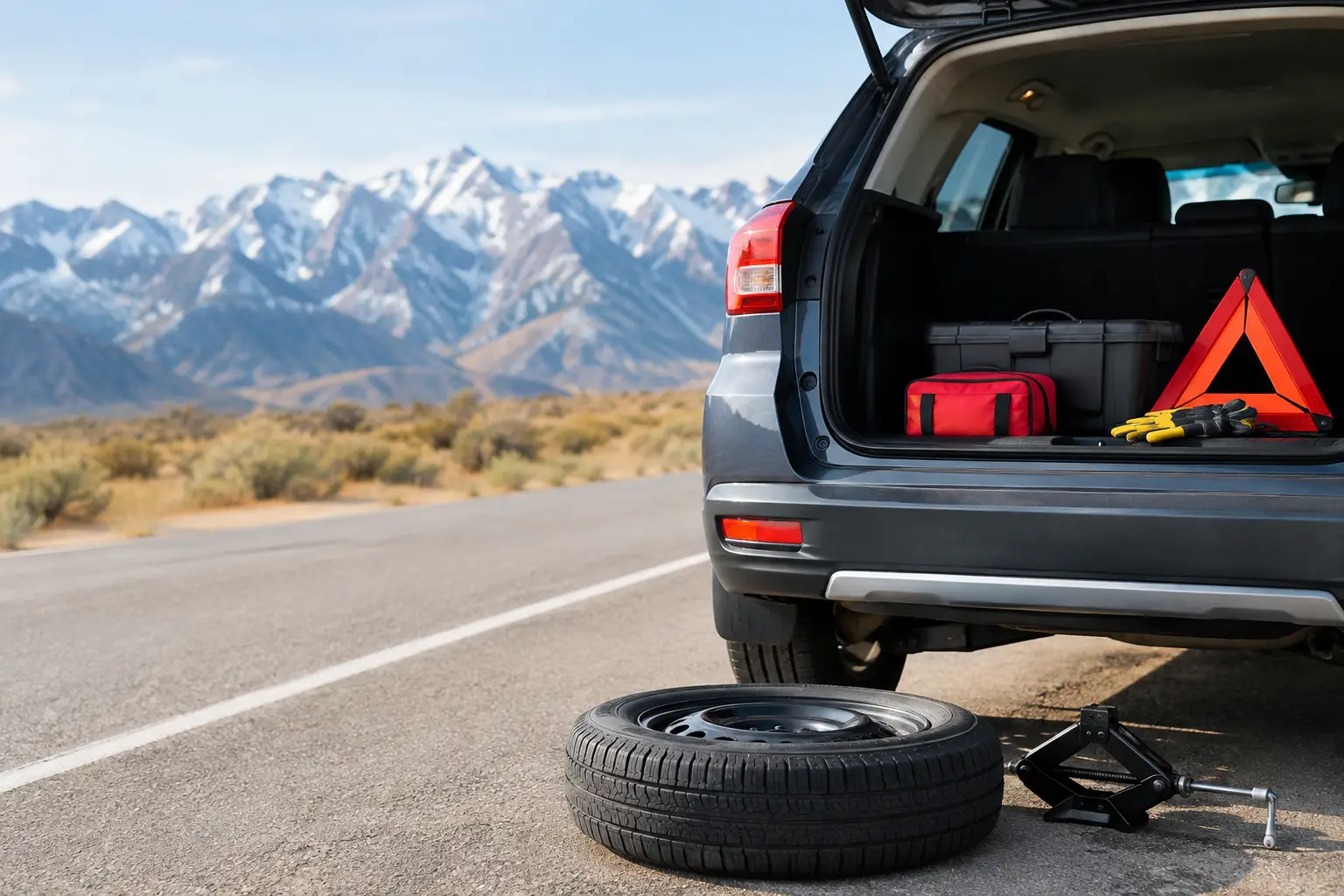
Roadside emergency essentials help Utah drivers stay safer during breakdowns, flat tires, lockouts, and winter trouble. Build a car kit that works well.

Learn how to identify battery failure before a no-start turns into a roadside problem. Spot warning signs, test safely, and know when to call for help.
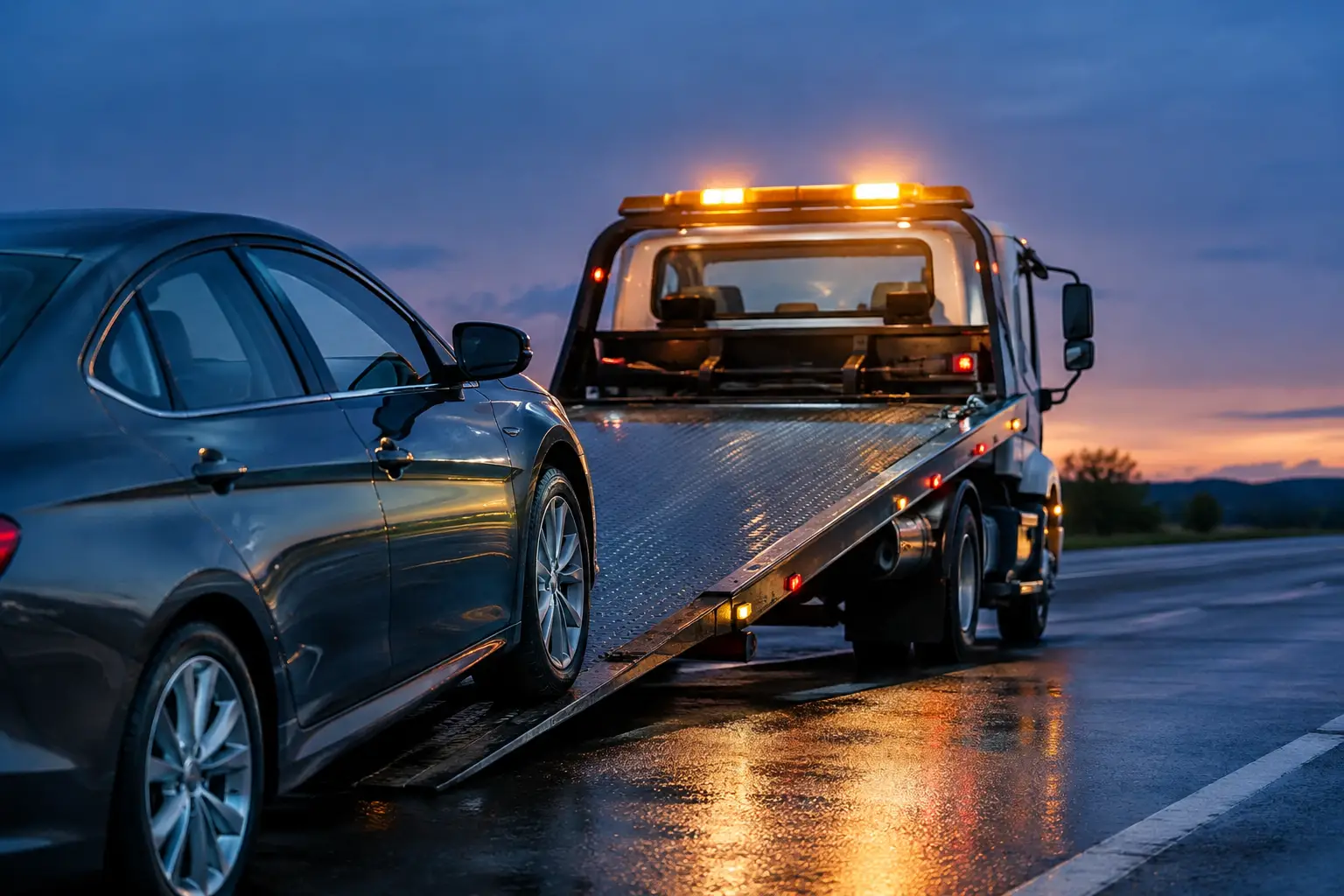
Need overnight tow truck availability in Salt Lake Valley? Get fast, affordable help for breakdowns, lockouts, dead batteries, accidents, and more tonight.