
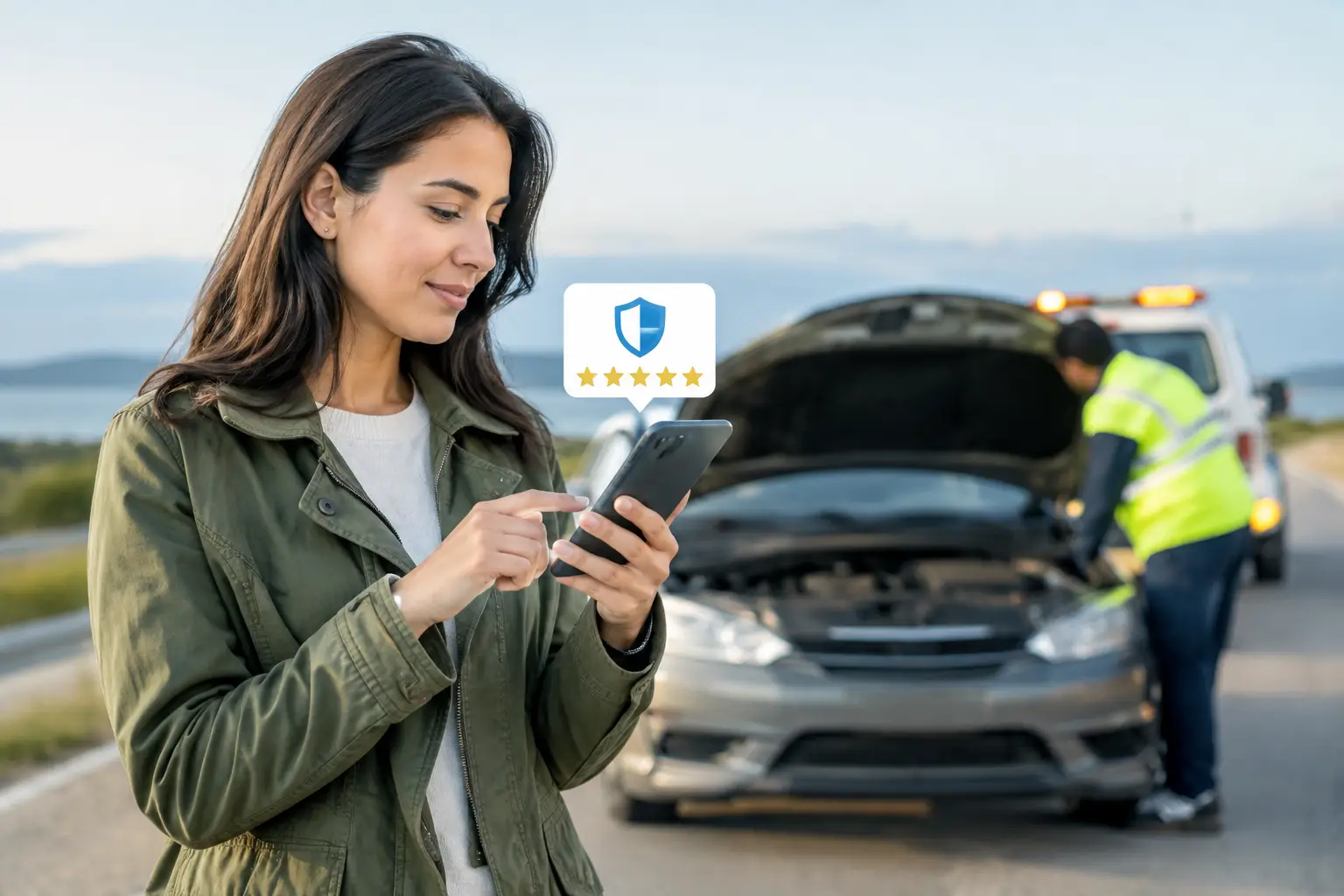
A dead battery in a grocery store parking lot is not the time to scroll through hundreds of reviews and hope for the best. Still, roadside assistance ratings can help you separate a fast, capable local provider from a company that leaves drivers waiting, guessing, or dealing with surprise charges.
For drivers across the Salt Lake Valley, the best rating is not always the highest number on the screen. A five-star average matters, but the details behind it matter more: How recently were the reviews written? Do customers mention response times? Did the company actually solve the problem without damaging the vehicle? When you are stuck on the side of the road, those answers count.
What Roadside Assistance Ratings Actually Tell You
Ratings are a quick signal of how customers felt after a service call. They can reveal whether a towing or roadside crew was professional, fairly priced, careful with vehicles, and easy to reach. They can also expose recurring problems, such as long wait times, poor communication, or billing disagreements.
But ratings are not a perfect scorecard. A company with fewer reviews may be newer, smaller, or focused on a local service area. A company with a huge review count may serve a much wider region and still send a contractor from far away. The goal is not to find a mathematically perfect option. It is to find help that can get to your location quickly and handle your exact situation correctly.
When reading reviews, look past comments such as “great service” or “five stars.” Those are positive, but they do not tell you much about what happened. A useful review gives specifics: the driver arrived when promised, a flat tire was changed safely, a locked-out customer got back in without vehicle damage, or a tow operator took care with a low-clearance vehicle.
Recent reviews matter more than old praise
A strong review from four years ago is nice. A string of good reviews from the last few months is more useful. Dispatch coverage, staffing, equipment, and response times can change. Recent feedback gives you a better read on how a roadside company is operating right now.
Pay special attention to reviews posted during bad weather, late at night, or on busy travel weekends. Those are the moments when roadside service gets tested. If customers repeatedly say the company answered the phone, gave realistic updates, and arrived ready to work, that is a good sign.
Look for the service you actually need
Towing, jumpstarts, fuel delivery, lockout service, tire changes, and vehicle recovery are related, but they are not identical jobs. A company may receive excellent towing reviews yet have few mentions of lockouts or off-road recovery. That does not automatically mean it cannot help, but it is worth checking.
If your car is in a parking garage, a ditch, a muddy shoulder, or a tight apartment lot, search the reviews for similar situations. Vehicle recovery requires the right equipment and judgment. A cheap price is not a bargain if careless work causes additional damage.
How to Spot Useful Reviews From Noise
A few unhappy reviews do not automatically mean you should avoid a company. Roadside work is stressful. Customers may be upset about a breakdown, an accident, traffic, or an insurance delay before the tow truck ever arrives. What matters is whether the complaints follow a pattern and how the business responds.
Read several reviews, including positive, negative, and middle-of-the-road feedback. If multiple people mention the same issue – no answer, missed arrival window, unclear pricing, or rough handling – take it seriously. One complaint may be an unusual situation. Five similar complaints are information.
Also watch for reviews that sound overly vague or repeated. Real customer feedback usually includes practical details, even if it is short. It might mention a dead battery before work, a quick fuel delivery after running low, or a dispatcher who explained the wait clearly. Specific experiences carry more weight than generic praise or generic anger.
Pay attention to company responses
A professional reply to a negative review does not need to be defensive or dramatic. The best responses acknowledge the concern, offer context without sharing private details, and try to make things right. Silence is not always a red flag, especially for a busy local operator, but hostile or dismissive replies should make you pause.
Remember that an emergency service company cannot control every delay. A major crash, a snowstorm, or a packed freeway can affect arrival times. What a good provider can control is communication. Honest updates beat an unrealistic promise every time.
The Rating Questions to Ask Before You Call
If you have a few minutes and a safe place to wait, use ratings as one part of a fast decision. Check the company’s recent feedback, then call and ask direct questions. The phone conversation often tells you just as much as the review score.
Ask whether the company serves your exact location, what the estimated arrival window is, and whether there is a dispatch fee or mileage charge. Describe your vehicle and the problem clearly. If you are in a garage, have an all-wheel-drive vehicle, need a lockout, or are stuck off pavement, say so upfront.
You should also ask whether the quoted price covers the service you need. For example, a basic tow may not be the same as a recovery from a ditch, and a jumpstart may not solve a battery that has failed completely. A reputable dispatcher should explain the likely cost and tell you if the final price could change based on conditions.
Here is what to listen for during that call:
- A realistic ETA instead of a vague promise to arrive “soon.”
- Clear pricing language, including any possible additional charges.
- Questions about your location, vehicle type, and roadside situation.
- A calm, direct answer about whether the company can perform the job.
Those basics are not extras. They are how a roadside company avoids sending the wrong truck, wasting your time, or creating an unpleasant surprise when the job is finished.
When a Lower Rating May Still Be Worth a Call
There are situations where speed matters more than a slightly higher review average. If you are blocking traffic, stranded in an unsafe area, dealing with a child in the car, or stuck outside during freezing Utah weather, the available local company with a realistic arrival time may be the better choice.
That does not mean you should ignore warning signs. You still want a licensed, professional operation that explains its pricing and confirms it can handle the job. But if one provider has a 4.8 rating with a two-hour wait and another has a 4.6 rating with a clear 30-minute ETA, the right decision depends on your circumstances.
This is especially true for commuters, shift workers, rideshare drivers, and families trying to get home. Being stranded costs time, creates safety concerns, and can derail an entire day. Fast help from an experienced crew can be worth more than chasing the highest score online.
Don’t Let Ratings Replace Basic Safety
While waiting for roadside assistance, move your vehicle out of traffic if it is safe to do so. Turn on hazard lights, stay aware of passing cars, and avoid standing near the roadway. If you are on a freeway shoulder or in a dangerous location, tell the dispatcher right away.
Do not accept help from an unverified person who approaches you unless you feel safe and have confirmed who they are. When your service provider arrives, ask for the driver’s name or confirm the company and vehicle before handing over keys. A legitimate operator should have no problem identifying the service call.
Munnster Towing understands that nobody plans a flat tire, dead battery, lockout, or unexpected tow. For drivers in Salt Lake City, West Valley City, West Jordan, Draper, and nearby communities, the right roadside choice comes down to clear communication, fair pricing, and a crew that shows up ready to help.
The next time you check roadside assistance ratings, read for proof, not just stars. Then make the call, share your location clearly, and choose the company that gives you a straight answer when you need one most.
continue reading
Related Posts
Roadside emergency essentials help Utah drivers stay safer during breakdowns, flat tires, lockouts, and winter trouble. Build a car kit that works well.
Learn how to identify battery failure before a no-start turns into a roadside problem. Spot warning signs, test safely, and know when to call for help.
Need overnight tow truck availability in Salt Lake Valley? Get fast, affordable help for breakdowns, lockouts, dead batteries, accidents, and more tonight.