
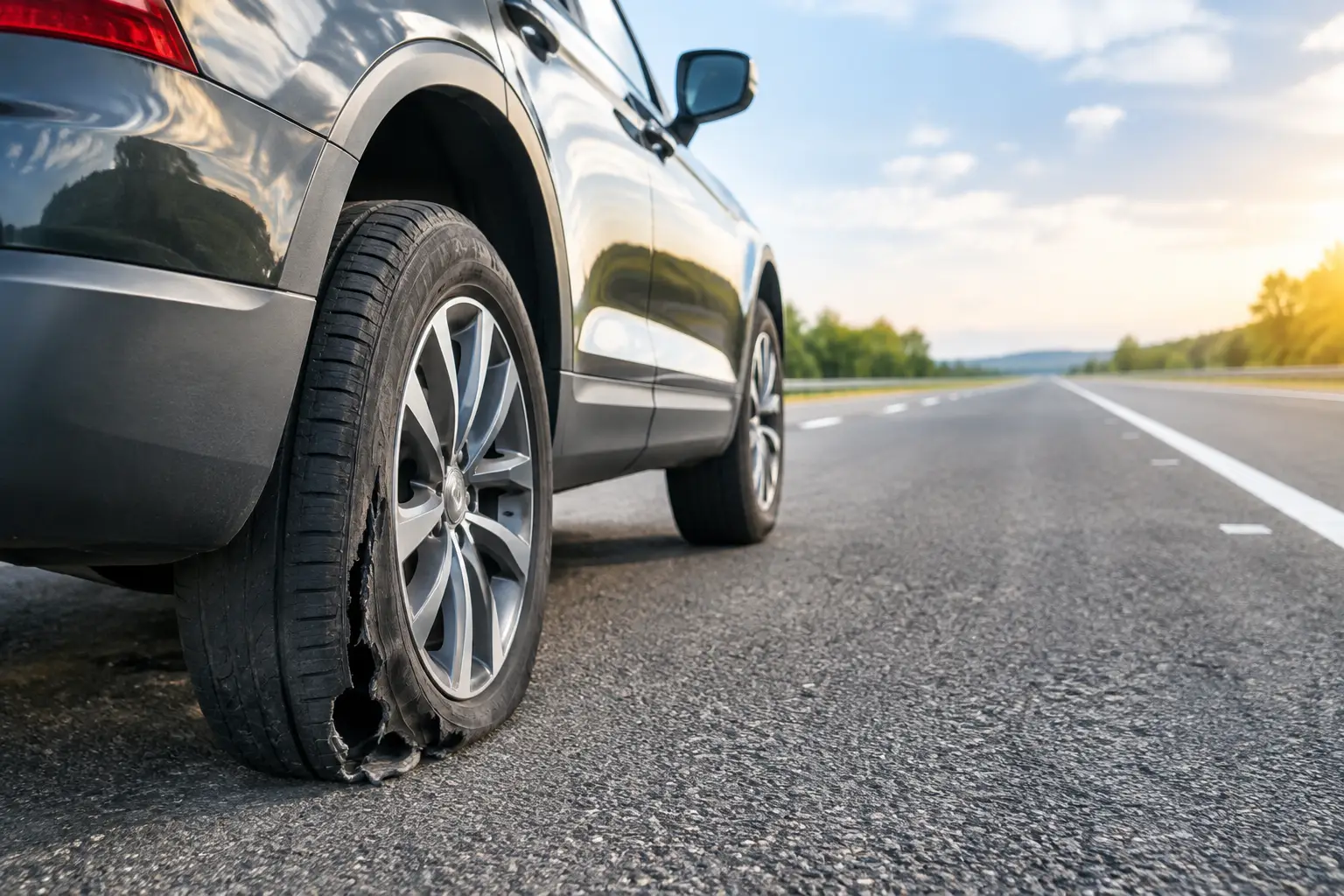
A tire blowout is loud, violent, and capable of turning an ordinary commute into a serious emergency in seconds. Knowing how to handle tire blowouts before one happens gives you a much better chance of keeping control, protecting your passengers, and getting safely off the road.
The goal is simple: do not panic, do not slam on the brakes, and do not make a sharp steering move. Your vehicle may pull hard to one side, the steering wheel may shake, and you may hear the tire shredding against the pavement. Stay focused on where you want the vehicle to go, not on the noise coming from underneath it.
How to Handle Tire Blowouts in the First 10 Seconds
Keep both hands firmly on the steering wheel. A blown front tire can pull the vehicle toward the damaged side, while a rear blowout may make the vehicle feel loose or start to fishtail. Hold your lane as steadily as possible and make small steering corrections only.
Take your foot off the accelerator gradually. Do not stomp on the brake pedal. Hard braking can shift weight abruptly and make a skid or loss of control more likely, especially at highway speed. Let the vehicle slow naturally while you maintain a straight path.
Once the vehicle has begun slowing and feels stable, turn on your hazard lights. Check mirrors, look for a safe opening, and guide the vehicle toward the right shoulder, a parking lot, or another area away from moving traffic. If traffic conditions make an immediate lane change unsafe, keep control first and move over when you have room.
A blowout at 70 mph can feel like the car is fighting you. That is exactly when calm, controlled inputs matter most. Keep the wheel straight, ease off the gas, and give the vehicle time to settle.
Do Not Make These Blowout Mistakes
The biggest mistake is hitting the brakes as soon as you hear the bang. It is a natural reaction, but it can make the vehicle harder to control. Avoid sudden swerves, too. Cutting sharply toward the shoulder could send you into another lane, a barrier, or a rollover situation.
Do not try to inspect the tire while stopped in an active travel lane. If you cannot safely reach the shoulder, stay buckled in, keep your hazard lights on, and call for help. On busy roads such as I-15, I-215, Bangerter Highway, or Mountain View Corridor, stepping out beside fast-moving traffic can be more dangerous than the damaged tire.
You also should not keep driving on a flat tire just because the next exit is close. A few extra minutes of driving can destroy the wheel, damage suspension components, or leave tire debris behind. If the tire has come apart, the safest and often least expensive move is to stop as soon as you can do so safely.
Once You Are Safely Off the Road
Park as far from traffic as possible on firm, level ground. Put the vehicle in park, set the parking brake, and keep your hazard lights flashing. If you are on a narrow shoulder, near a blind curve, or alongside high-speed traffic, remain inside with your seat belt fastened unless staying in the vehicle creates a greater danger.
Take a moment to assess the situation. Is the tire simply flat, or has the sidewall ripped apart? Is there visible wheel damage? Did the blowout happen after striking a pothole, curb, road debris, or object in the roadway? This information can help a roadside technician determine whether you need a spare tire installed, a tow, or recovery assistance.
If you have a safe place to stand away from traffic and know how to change a tire, your spare may get you moving again. But a spare tire is not always the right answer. Many newer vehicles have no spare, only a tire repair kit. Repair kits will not fix a torn sidewall, a shredded tire, or a wheel that has been damaged by driving flat.
In those cases, calling for roadside assistance is the smart move. Munnster Towing provides fast, 24/7 roadside help and towing for drivers stuck with flats and blowouts across the Salt Lake Valley. A quick call can save you from wrestling with a jack on the shoulder or taking chances on an unsafe temporary repair.
When a Blowout Means You Need a Tow
Some tire problems can be handled with a spare. Others should end with your vehicle on a tow truck. If the rim is bent, the tire is shredded, the vehicle pulls badly after the incident, or you hear scraping or grinding, do not assume it is safe to drive.
The same goes for a blowout that happens after an accident, curb strike, or off-road incident. A hard impact can damage more than the tire. Steering, suspension, brakes, and wheel bearings may all be affected, even if the car appears driveable at first glance.
A tow is also the better option when you do not have a usable spare, the lug nuts are seized, the spare is underinflated, or the shoulder is too dangerous to work on. There is no prize for changing a tire next to freeway traffic. Getting you, your family, and your vehicle out of harm’s way is the priority.
Why Tires Blow Out
Blowouts are often caused by a tire that was already weakened. Underinflation is one of the most common issues because a low tire flexes too much, builds heat, and can fail at speed. Overloaded vehicles, worn tread, old rubber, potholes, sharp debris, and curb impacts can all raise the risk.
Utah driving adds a few extra challenges. Hot pavement in summer can punish underinflated tires, while winter potholes and road debris can damage a tire or wheel without much warning. Long freeway commutes and fully loaded family vehicles put more heat and stress on tires than short neighborhood trips.
A tire can also fail because of damage you cannot easily see. A tire that hit a curb last week may develop internal damage and then blow out days later on the freeway. If your vehicle starts vibrating, pulling to one side, or losing pressure repeatedly, have it checked before the problem becomes an emergency.
Lower Your Chances of Another Blowout
Check tire pressure at least once a month and before long trips. Use the pressure listed on the driver’s door-jamb sticker, not the maximum pressure printed on the tire sidewall. Check when the tires are cold for the most accurate reading.
Look over your tires regularly for cracks, bulges, exposed cords, uneven wear, nails, and low tread. A bubble in the sidewall is a serious warning sign, not something to watch for another week. Replace damaged tires promptly.
It also helps to rotate tires on schedule, keep wheels aligned, and avoid overloading your vehicle. If your tire-pressure warning light comes on, deal with it soon. That small warning can be the difference between an easy air-up at home and a stressful blowout during rush hour.
If a tire fails, your next move does not have to be complicated. Focus on control, get to a safer location, and ask for help when the road or damage makes a DIY fix a bad bet. Staying calm for those first few seconds can protect everyone in the vehicle and turn a dangerous moment into a manageable roadside problem.
continue reading
Related Posts
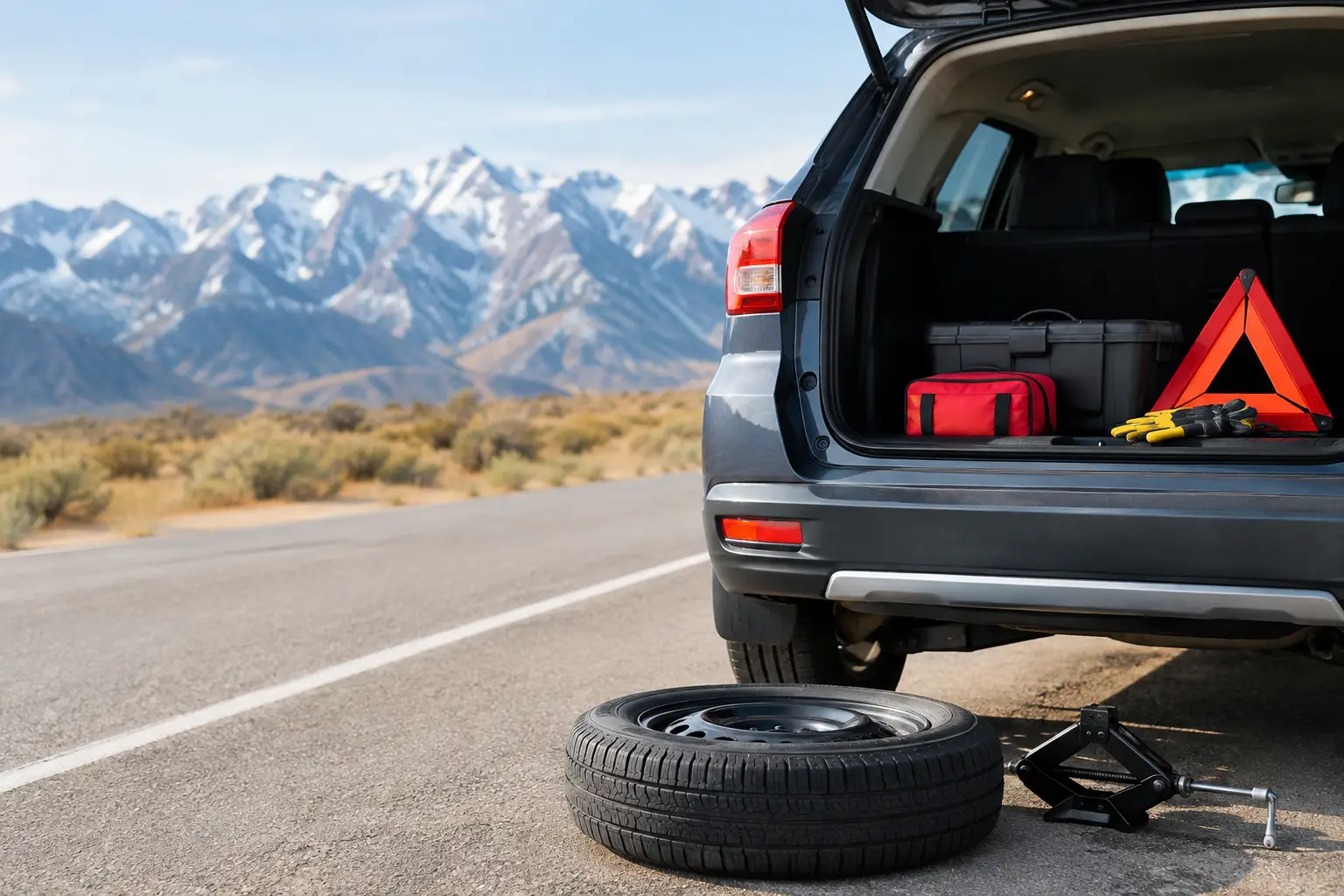
Roadside emergency essentials help Utah drivers stay safer during breakdowns, flat tires, lockouts, and winter trouble. Build a car kit that works well.
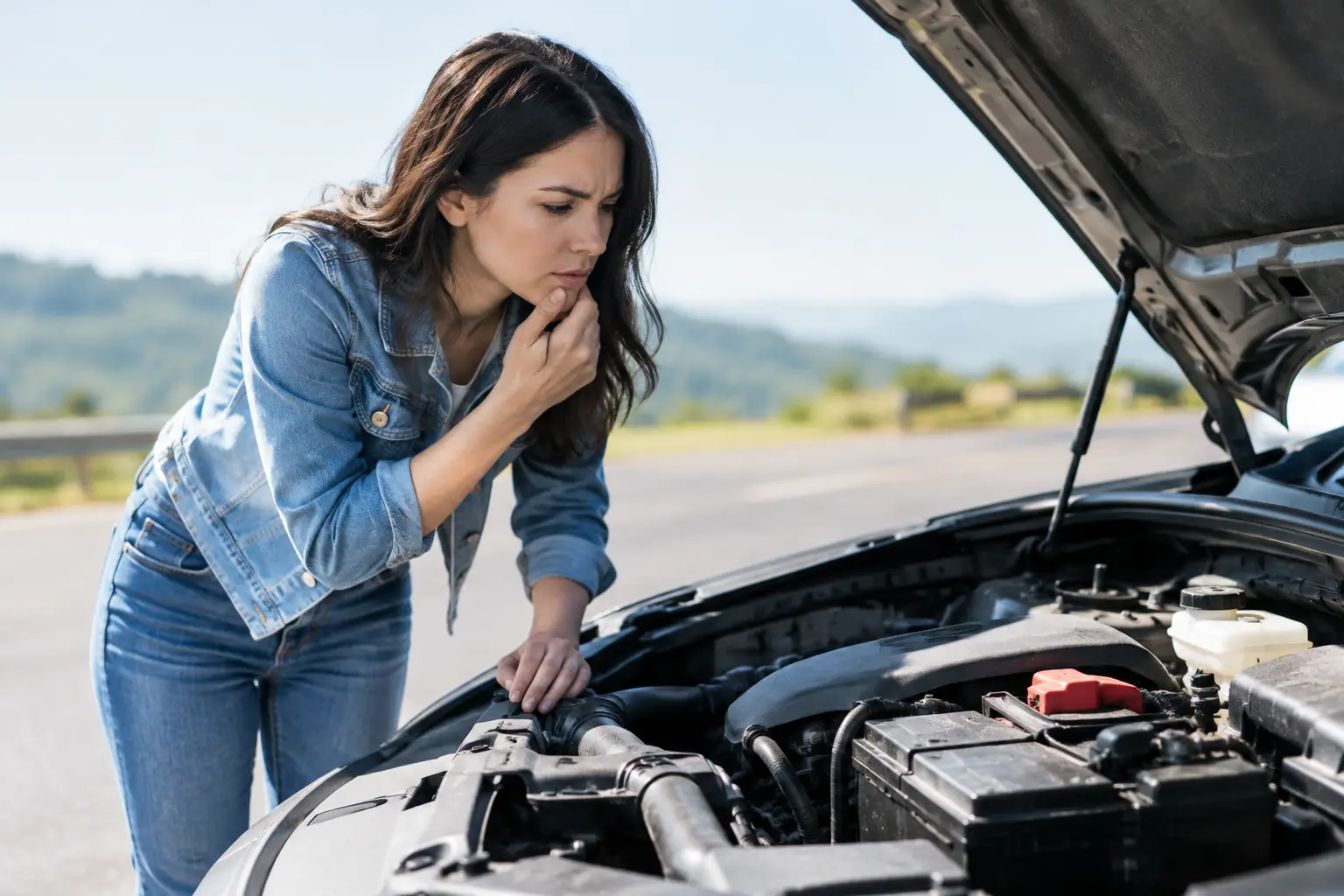
Learn how to identify battery failure before a no-start turns into a roadside problem. Spot warning signs, test safely, and know when to call for help.
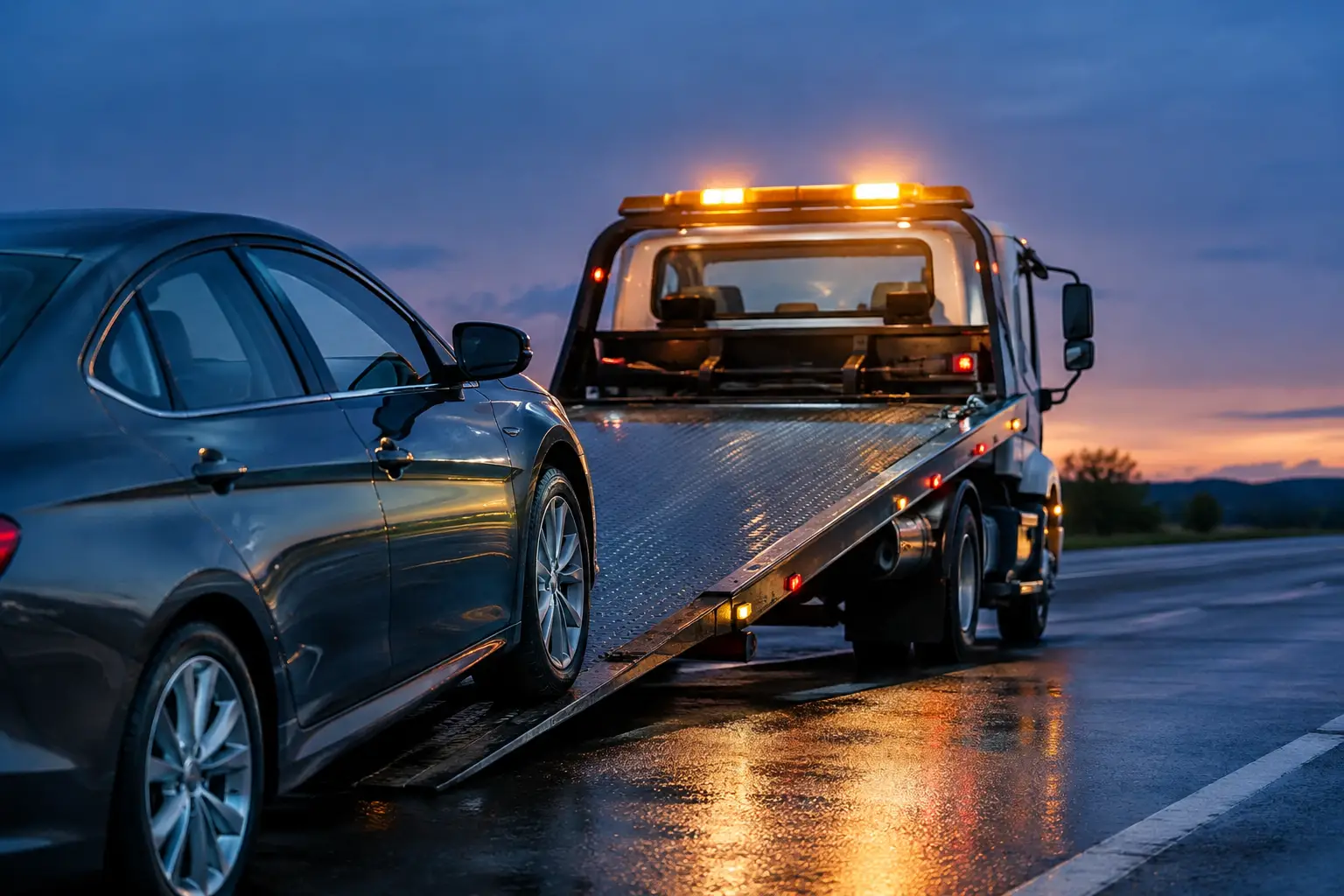
Need overnight tow truck availability in Salt Lake Valley? Get fast, affordable help for breakdowns, lockouts, dead batteries, accidents, and more tonight.