
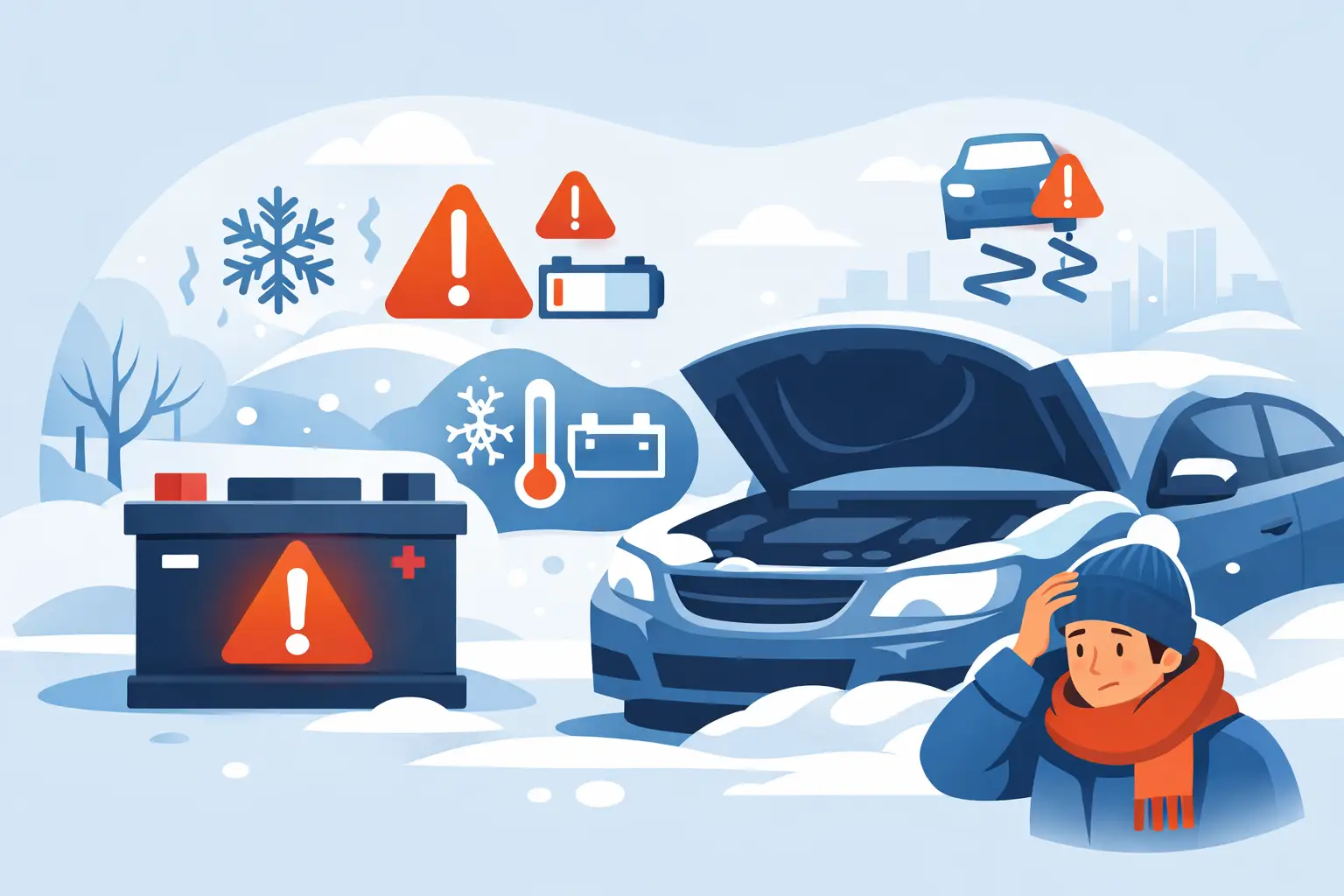
A Salt Lake Valley morning can turn a battery problem into a no-start problem fast. You turn the key before work, school drop-off, or a late shift, and instead of an engine starting, you get a slow groan, rapid clicking, or nothing at all. Knowing the winter battery failure warning signs gives you a chance to handle a weak battery before your driveway, parking lot, or roadside becomes an unexpected stop.
Cold temperatures do not always kill a healthy battery on their own. What they do is expose a battery that was already losing strength. The colder it gets, the harder your engine has to work to start and the less available power your battery can deliver. Add Utah winter nights, short commutes, heater use, and an older battery, and a small issue can become a dead battery by morning.
Winter Battery Failure Warning Signs You Should Not Ignore
The clearest warning sign is a slow or strained engine crank. When you start the vehicle, the engine may turn over more slowly than normal, as if it is struggling to wake up. It may still start today, but that hesitation is your battery telling you it has less reserve power than it should.
Clicking is another common clue. One click or a series of fast clicks when you turn the key can mean the battery does not have enough power to engage the starter. Other issues can cause similar noises, so do not assume every click is a battery. But if it happens on a cold morning and the vehicle starts after a jump, a weak battery is the likely suspect.
Dim headlights and weak interior lights also deserve attention. If your headlights look noticeably dull at idle, dashboard lights flicker, or the cabin lights fade when you start the vehicle, your electrical system may be running short on voltage. A battery that cannot hold a strong charge often shows itself through these little electrical problems before it fails completely.
Watch for electronics acting strange, too. Power windows may move slowly, the radio may reset, warning lights may appear and disappear, or the locks may respond lazily. Modern vehicles depend on consistent electrical power. A low battery can make the car act like several unrelated things are wrong when the real issue is simply not enough voltage.
If you need a jump more than once, do not brush it off. A jumpstart is a useful immediate fix, not a cure. Repeated dead-battery calls can point to an aging battery, a charging-system problem, corroded connections, or an electrical drain that is pulling power while the vehicle is parked.
Why Cold Weather Makes a Weak Battery Give Up
Your battery relies on a chemical reaction to create electricity. Cold slows that reaction down, which reduces the power available for starting. At the same time, cold engine oil is thicker, so the starter needs more energy to crank the engine. That is a rough combination for a battery that is already near the end of its life.
Battery age matters. Many car batteries last roughly three to five years, but real lifespan depends on driving habits, summer heat, charging conditions, and the battery itself. A battery that seemed fine through fall may be working on borrowed time once winter arrives. If yours is nearing that age range, have it tested before the first serious cold snap catches you off guard.
Short trips can make the situation worse. Starting a vehicle uses a substantial amount of battery power. If you only drive a few minutes at a time, the alternator may not have enough time to fully replace it. This is especially common for commuters with short routes, families making several quick errands, and anyone who lets their car idle instead of driving it regularly.
Check These Problems Before You Are Stranded
Open the hood only when the vehicle is parked safely, the engine is off, and you can do so without putting yourself at risk. Look at the battery terminals for white, blue, or greenish buildup. Corrosion can interfere with the connection between the battery and the vehicle, making a good battery perform like a weak one.
Make sure the battery is secured in its tray. A loose battery can be damaged by vibration, and loose cables can cause intermittent no-start trouble. If a terminal moves by hand, it needs attention. Do not touch damaged cables, attempt repairs in traffic, or ignore a battery case that looks swollen, cracked, or leaking.
A sulfur or rotten-egg smell around the battery is another red flag. So is a battery that looks bloated or feels unusually hot after driving. Those signs can indicate a serious battery or charging problem. Stop trying to jump it repeatedly, keep flames and sparks away, and get professional help.
It also pays to think about what happened before the battery went dead. Did you leave an interior light on? Was a door not fully closed? Did the car sit unused for several days? Those situations may explain a one-time discharge. If nothing was left on and the battery still dies, the vehicle needs a battery and charging-system check rather than another round of guesswork.
What to Do When Your Car Will Not Start
First, take a breath and make the situation safe. If you are at home or in a secure parking lot, you have more room to troubleshoot. If you are on the shoulder, in a busy lot, or stuck in bad weather, stay aware of traffic and avoid standing near moving vehicles. Turn on hazard lights if they work.
If you know how to jumpstart a vehicle safely and have proper jumper cables or a jump pack, follow your vehicle owner’s manual. Battery connections are not a place to improvise. Connecting cables incorrectly can damage electrical components or create sparks near the battery.
A jump may get the engine running, but pay attention to what happens next. If the vehicle dies shortly after the cables come off, the alternator may not be charging the battery. If it starts but then struggles again after a short drive, the battery may not be holding a charge. In either case, plan on testing or replacing the battery soon instead of hoping the next start goes better.
For drivers who need to get moving now, a professional jumpstart is usually the simpler call. Munnster Towing provides 24/7 roadside assistance across the Salt Lake Valley for dead batteries, lockouts, flats, and those inconvenient moments when your car decides it is done for the day. A trained technician can help get the vehicle started without turning a cold parking lot into a DIY electrical project.
When a Jumpstart Is Not Enough
Not every no-start is a battery issue. A failed starter, bad alternator, damaged battery cable, fuel problem, or engine issue can all leave a vehicle unable to start. That is why the details matter. Clicking with dim lights often points toward battery power, while a vehicle that cranks normally but never starts may have a different problem.
If the car starts with a jump but the battery warning light stays on, do not keep driving farther than necessary. That light can signal a charging-system issue, meaning the vehicle may run only until the remaining battery power is gone. A tow can be the smarter, safer option than getting stranded again somewhere less convenient.
The same goes for a battery that is leaking, swollen, or repeatedly dead. Saving a few minutes by forcing another jump is not worth risking vehicle damage or getting stuck during the next cold night. Fast roadside help costs less hassle than a long wait in the cold.
A slow crank is your early warning, not a challenge to see how many more mornings the battery can survive. Get it checked while the car still starts, keep a plan for cold-weather trouble, and if it does leave you stuck, call for help early so you can get back to your day.
continue reading
Related Posts
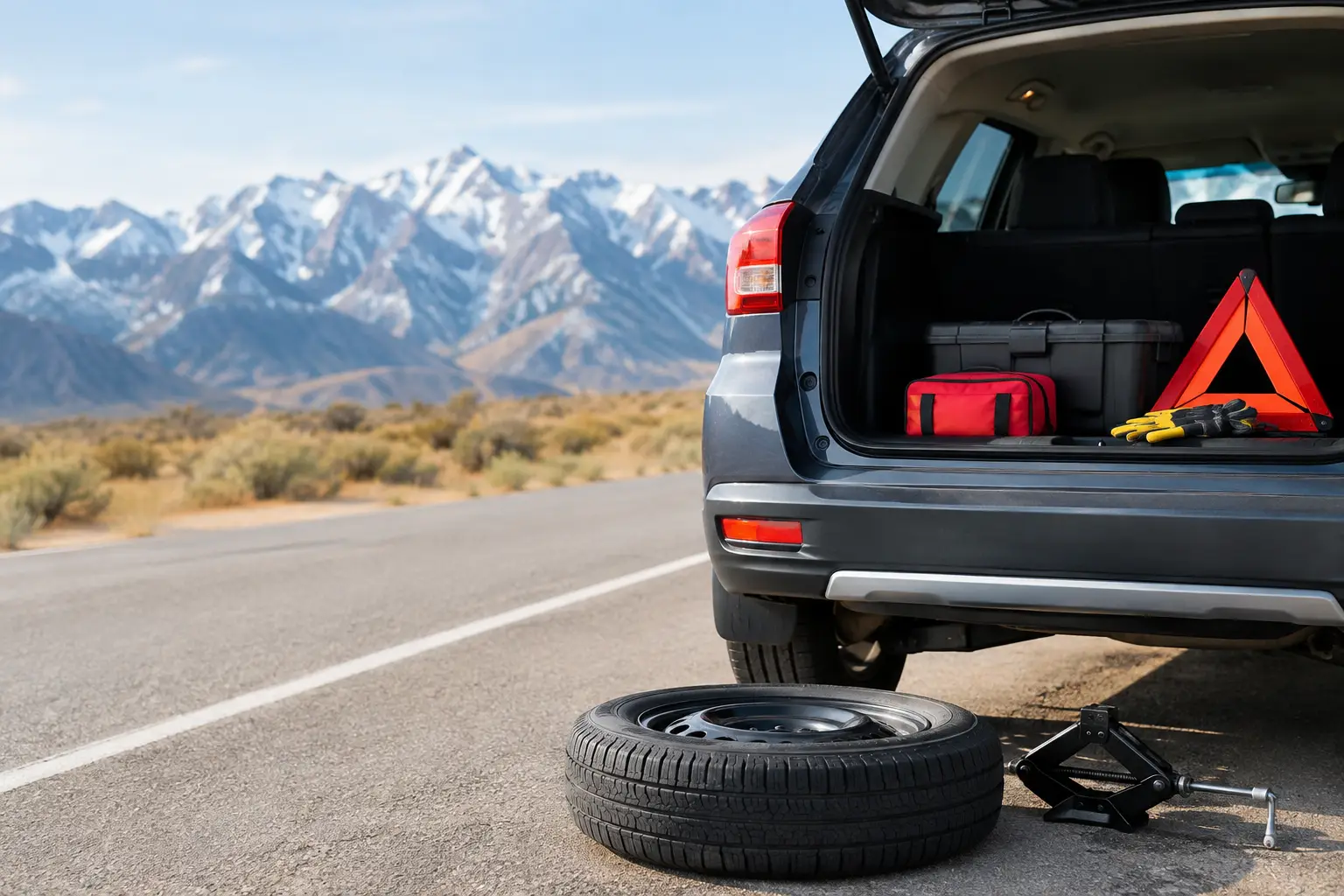
Roadside emergency essentials help Utah drivers stay safer during breakdowns, flat tires, lockouts, and winter trouble. Build a car kit that works well.
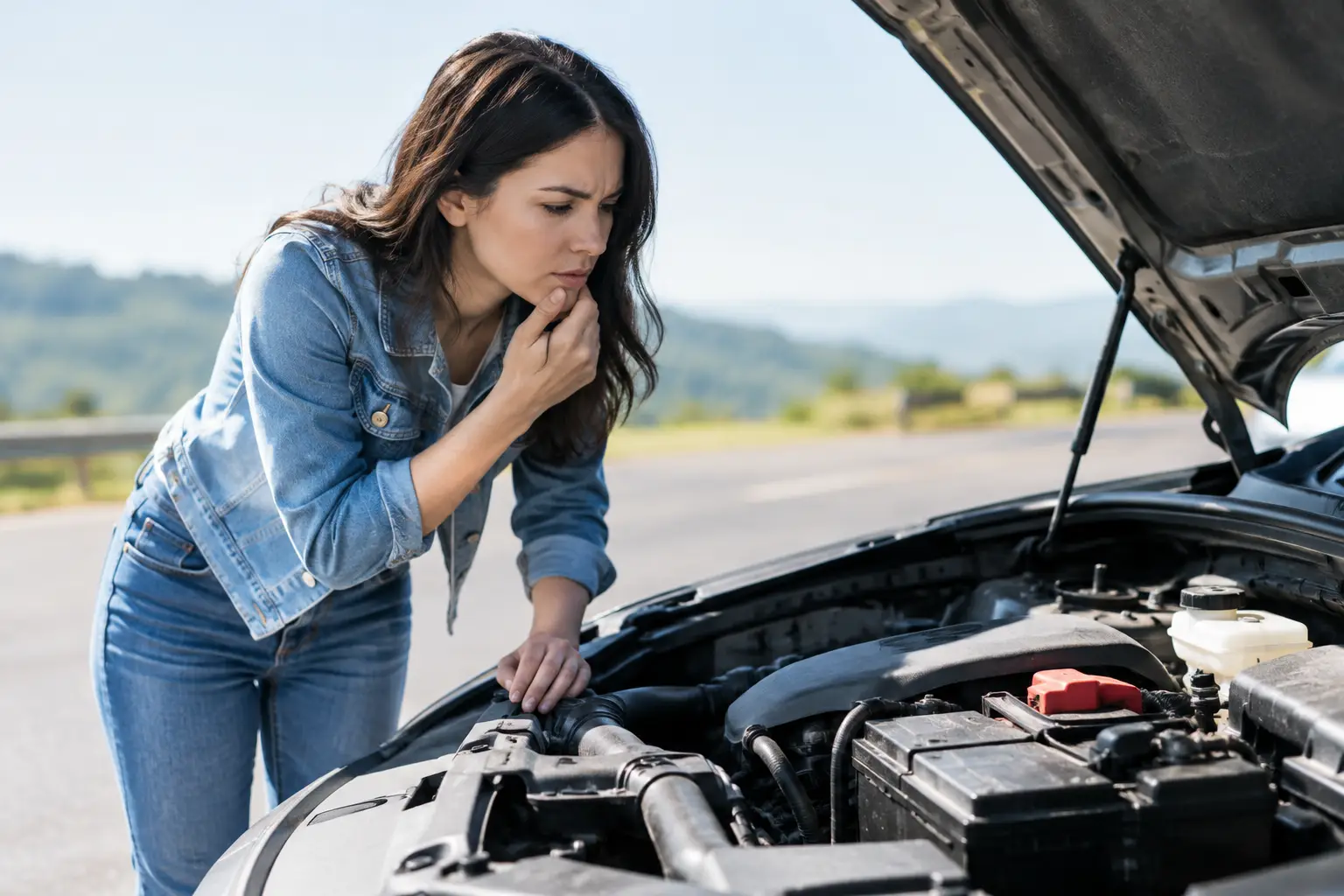
Learn how to identify battery failure before a no-start turns into a roadside problem. Spot warning signs, test safely, and know when to call for help.
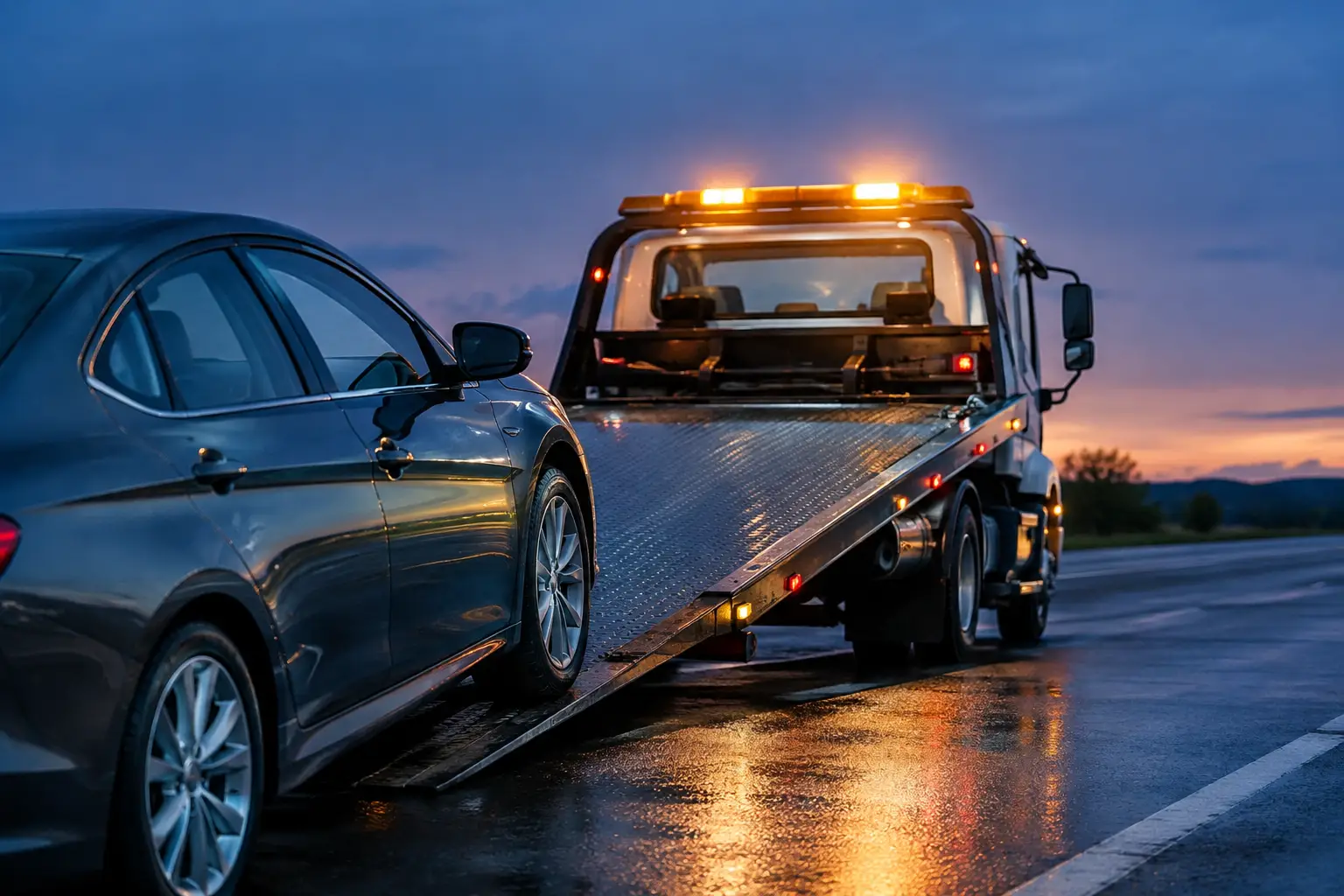
Need overnight tow truck availability in Salt Lake Valley? Get fast, affordable help for breakdowns, lockouts, dead batteries, accidents, and more tonight.