
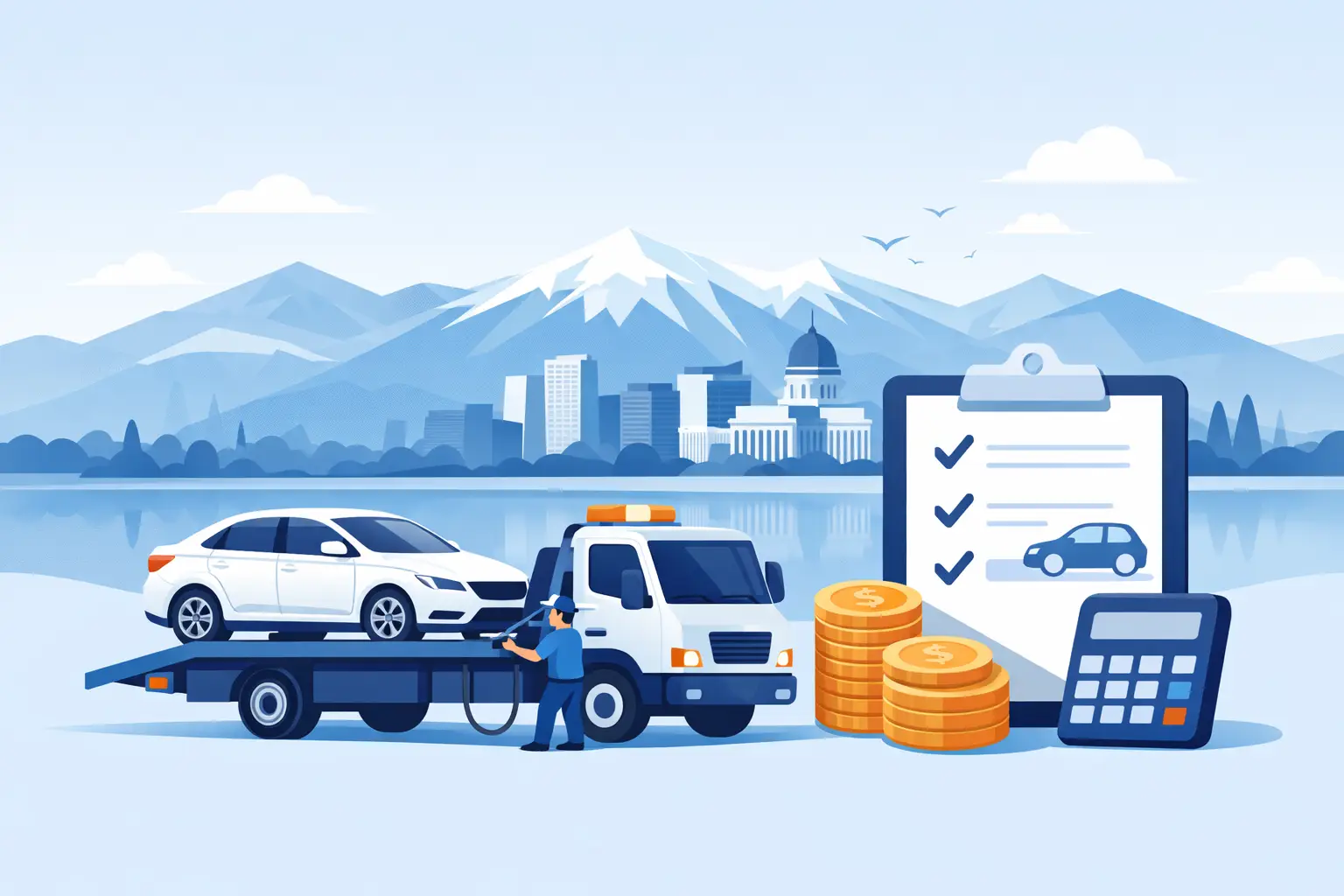
A breakdown never checks your budget before it happens. When you are stuck on I-15, parked at work with a dead battery, or dealing with a car that will not start in your driveway, a clear towing cost estimate guide helps you know what you are paying for before the truck arrives.
The fastest way to keep a stressful situation from becoming an expensive one is to give the dispatcher accurate details. Where you are, where the vehicle needs to go, what type of vehicle you drive, and whether it can roll all affect the quote. A good local towing company should explain the expected charges plainly, not leave you guessing at the side of the road.
What Goes Into a Towing Cost Estimate?
Towing prices are not one flat number because no two calls are exactly alike. A short tow for a running sedan from a West Jordan parking lot is a different job than recovering an SUV from a snowy shoulder near Draper. The equipment, time, distance, and safety needs all matter.
Most estimates start with a service or hookup charge. This covers dispatching the truck, loading the vehicle, and getting the job underway. From there, the cost commonly includes mileage from your pickup location to the drop-off point. Ask whether the quoted mileage begins at your vehicle and whether there are any minimum mileage charges.
The condition of your vehicle can change the job, too. A vehicle with four inflated tires that can be safely loaded is usually straightforward. A car with a locked steering wheel, damaged suspension, missing wheels, or a transmission issue may require dollies, a winch, or extra setup time. That does not automatically mean a bad deal. It means the tow requires more work and the right equipment to prevent further damage.
Time and location also affect the final estimate. A busy freeway shoulder, a tight downtown garage, an accident scene, or an off-road recovery can require extra caution. Nighttime, severe weather, and difficult access sometimes add to the cost because the job takes longer and carries more risk.
The Details to Give Before You Accept a Quote
You do not need to know anything about tow trucks to request an accurate estimate. You just need to share the basics. Start with your exact location, including the nearest cross streets, freeway direction, mile marker, parking lot name, or landmark. A vague location can delay dispatch and make it harder to quote the right service.
Next, tell the dispatcher the year, make, model, and condition of your vehicle. Mention whether it starts, rolls, has a flat tire, is in a ditch, or has been in an accident. If it is all-wheel drive, low clearance, oversized, electric, or heavily loaded, say so upfront. Those details help the company send the right truck the first time.
Be clear about the destination as well. Is the vehicle going to your home, a repair shop, a dealership, or another location? The distance and access at the drop-off point matter. A shop that is closed may leave you paying for storage or requiring a second move later, so confirm where the vehicle can legally and safely be left.
Finally, ask what the estimate includes. A direct question works best: Is that the hookup charge, mileage, and any equipment needed for my situation? If the call could involve recovery or extra labor, ask what would cause the price to change. Honest answers are worth more than a suspiciously low number that grows after the truck arrives.
Common Charges That Can Change the Price
A basic tow is often the least complicated type of roadside call. The estimate may rise when the vehicle cannot be loaded normally or the roadside situation is unsafe. Common factors include:
- Extra mileage beyond the initial towing distance
- Winching or recovery from snow, mud, a ditch, or an embankment
- Dollies or special equipment for damaged, locked, or non-rolling wheels
- Larger vehicles, including trucks, vans, and SUVs that need heavier equipment
- Storage, impound release procedures, or after-hours access requirements
These charges are not automatically added to every call. They depend on what is actually needed. If your car is simply disabled in a safe parking lot, a standard tow may be all you need. If it slid off a canyon road during a storm, recovery work is a different service than regular towing.
When Roadside Assistance Costs Less Than a Tow
Before you request a tow, take a quick look at the actual problem. Sometimes a lower-cost roadside service gets you moving without transporting the vehicle at all. A dead battery may only need a jumpstart. An empty tank may only need fuel delivery. A locked car may need lockout service, and a flat tire may be handled with a spare if the tire and tools are available.
That said, do not force a cheap fix when the vehicle is unsafe to drive. If a tire is shredded, the engine is overheating, warning lights are flashing, the car was in a collision, or you hear serious mechanical noise, towing is usually the smarter move. Saving a few dollars now is not worth turning a manageable repair into major damage.
For drivers in the Salt Lake Valley, weather can make that call even clearer. Ice, snow, extreme heat, and steep routes can turn a minor issue into a roadside hazard fast. If you are in an unsafe place, move yourself away from traffic if you can do so safely, turn on your hazard lights, and call for help.
How to Compare Towing Quotes Without Getting Burned
The lowest number is not always the lowest final bill. Compare estimates based on the same information: pickup location, destination, vehicle type, and vehicle condition. If one company gives a price without asking any questions, that quote may not account for the work your vehicle actually requires.
Look for a company that answers the phone, gives you a realistic arrival window, and explains the service clearly. Fast dispatch matters when you are blocking traffic, stranded after dark, late for work, or stuck with children in the car. A slightly cheaper option is not much of a bargain if it leaves you waiting for hours.
It also helps to ask about payment before the truck arrives. Confirm accepted payment methods and whether your roadside assistance plan or insurance policy may reimburse the service. Many policies offer towing coverage, but limits vary. You may need to pay the towing company first and submit a receipt afterward, so keep your paperwork.
A Practical Towing Cost Estimate Guide for Emergencies
When your vehicle stops cooperating, keep the call simple and specific. Share your location, describe the vehicle and problem honestly, give the destination, and ask what the quote covers. That is the quickest path to an estimate that makes sense.
Do not wait until you are already stranded to save a reliable local towing number in your phone. Munnster Towing provides 24/7 towing and roadside assistance across the Salt Lake Valley, with experienced help for everything from straightforward tows to tricky recovery situations. When the road gives you a bad surprise, clear pricing, quick response, and careful service are what get your day back on track.
continue reading
Related Posts
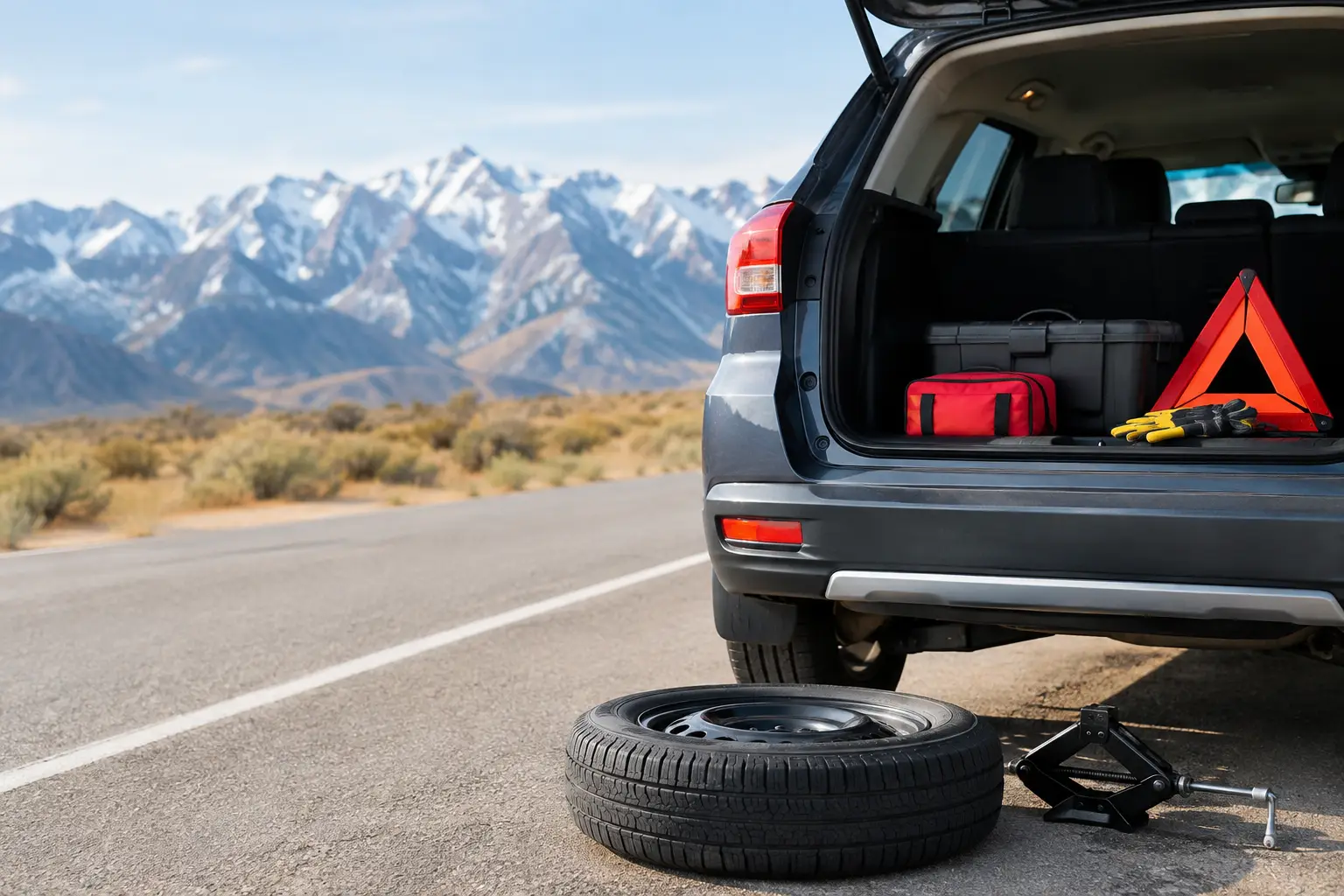
Roadside emergency essentials help Utah drivers stay safer during breakdowns, flat tires, lockouts, and winter trouble. Build a car kit that works well.
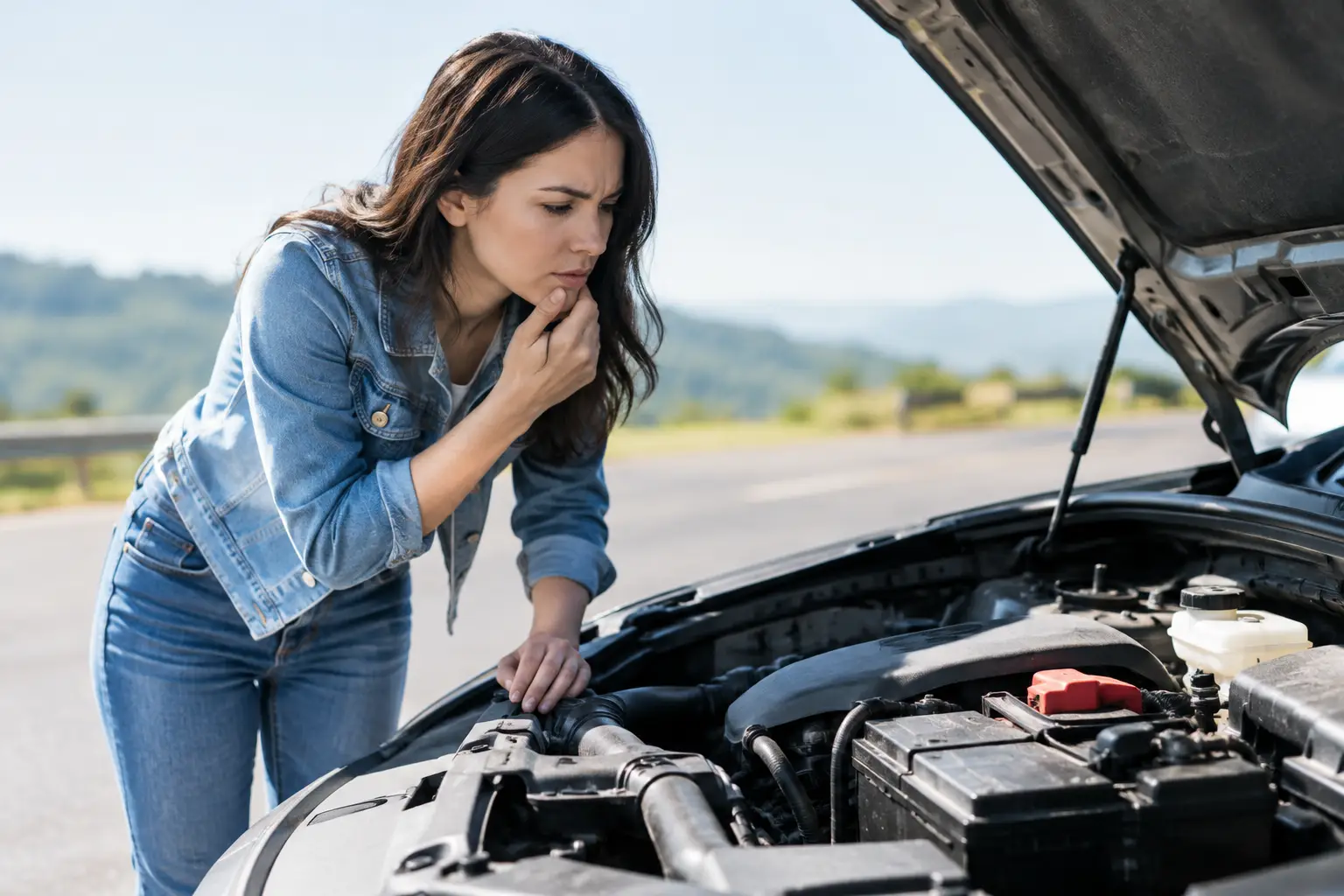
Learn how to identify battery failure before a no-start turns into a roadside problem. Spot warning signs, test safely, and know when to call for help.
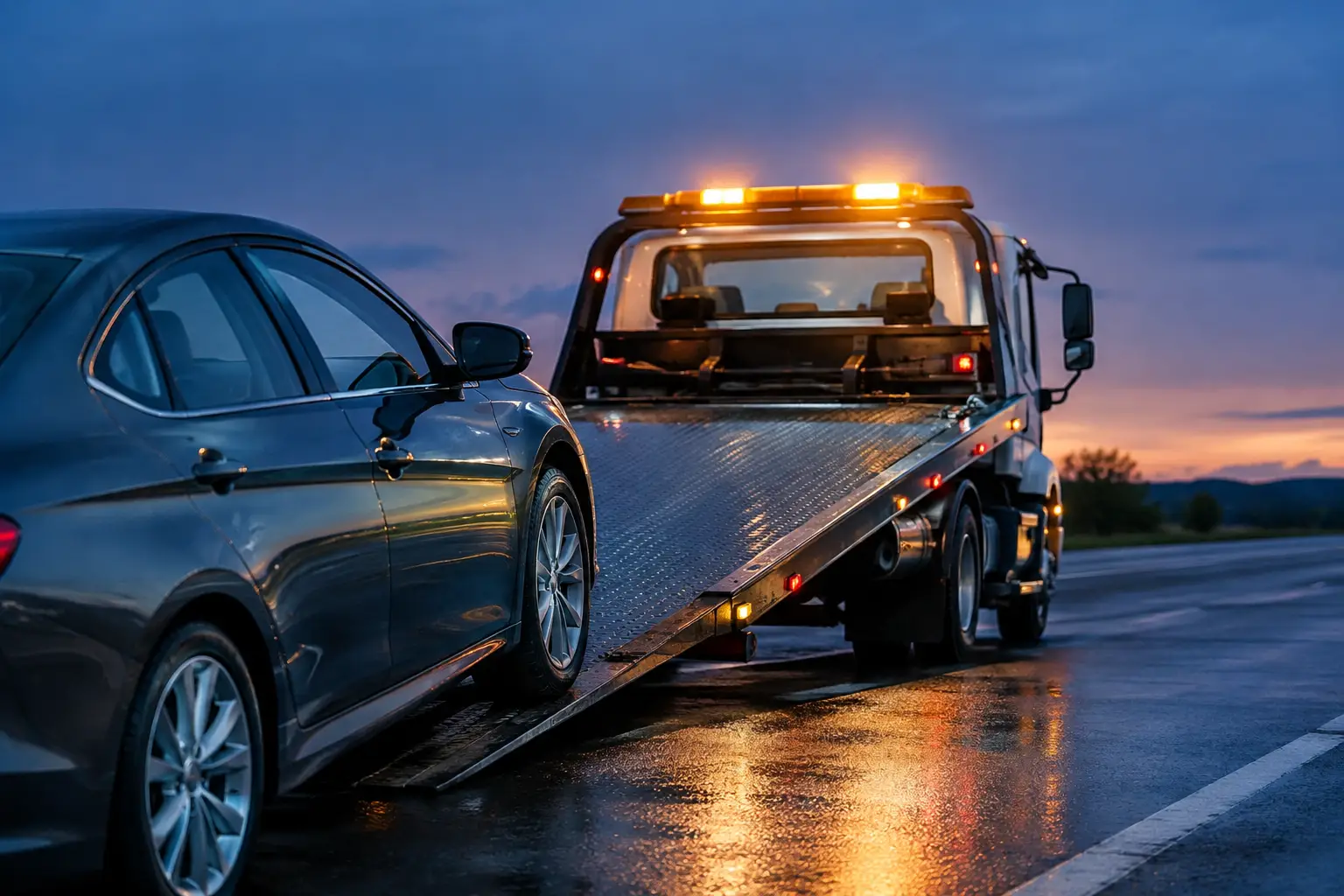
Need overnight tow truck availability in Salt Lake Valley? Get fast, affordable help for breakdowns, lockouts, dead batteries, accidents, and more tonight.